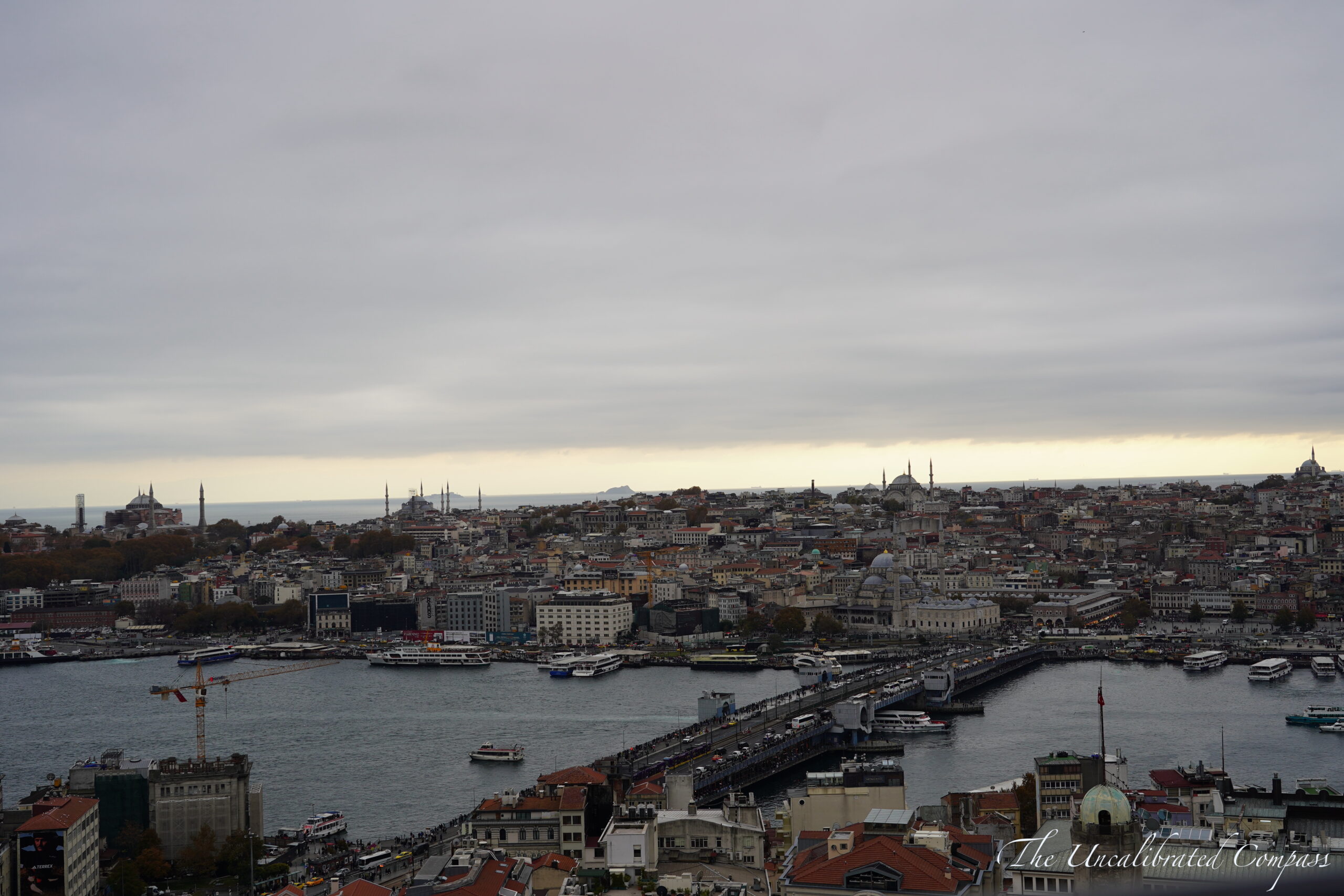
Where Continents Meet. From the heights of Galata, the true scale of the Byzantine and Ottoman legacies becomes clear. The skyline is a forest of minarets and domes, with the massive presence of the Hagia Sophia and the Blue Mosque standing as eternal anchors over the Bosphorus. It is a vista that has watched empires rise and fall, yet remains one of the most vibrant urban landscapes on earth. Istanbul, Türkiye.
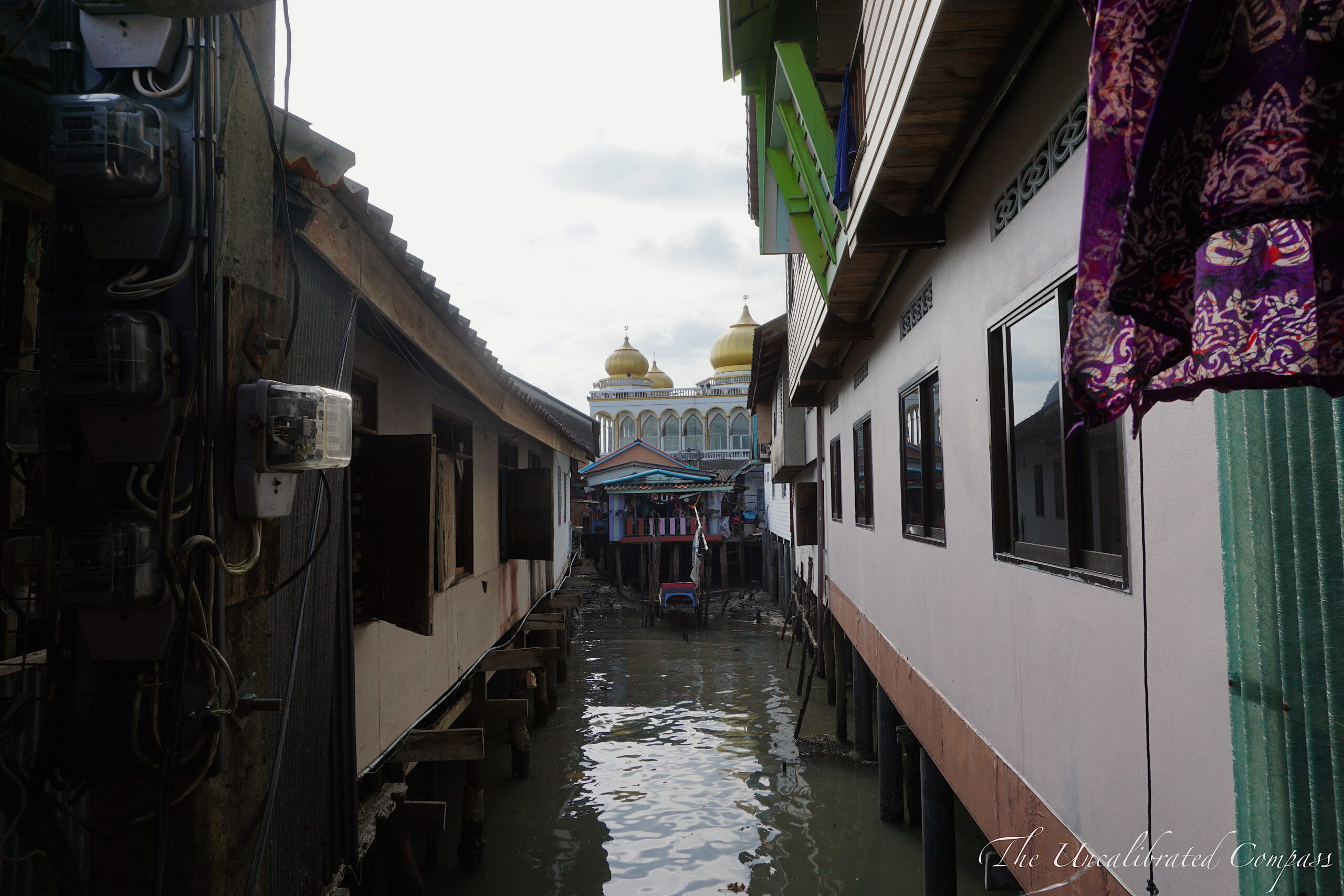
Life on the Water. This isn’t just a landmark; it’s the center of a village that has thrived on stilts for generations. Walking the narrow alleys of Koh Panyee, the sight of the Darussalam Mosque at the end of a corridor of homes and cables reminds you that faith and community find a way to take root, even in the middle of the sea. Phang Nga Bay, Thailand.
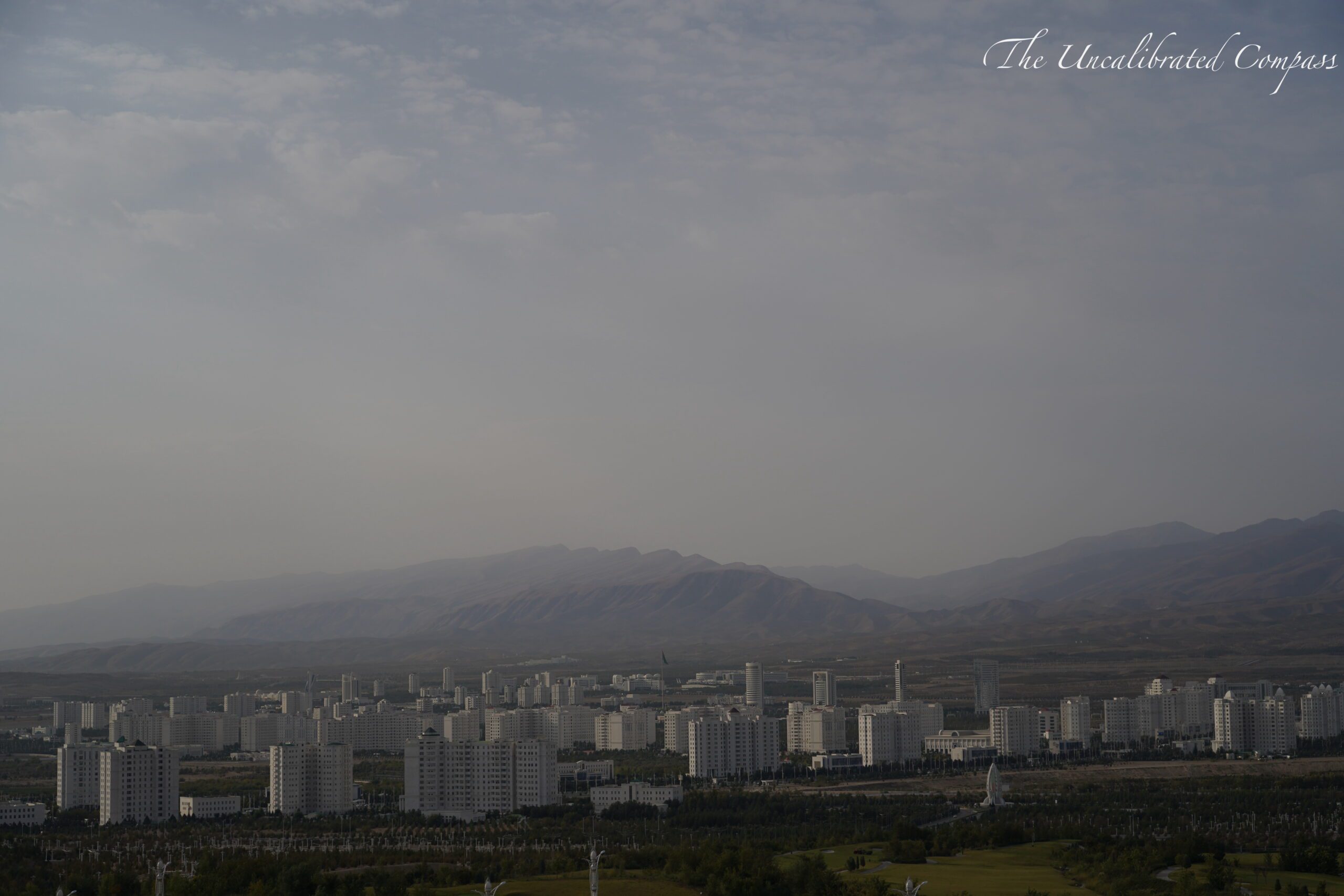
A desert mirage in stone. There is no calibrating the first time you see Ashgabat. After miles of rugged steppe and desert, you find a city carved entirely from white marble. It is a bold, high-contrast monument to ambition and architectural precision. Ashgabat, Turkmenistan.
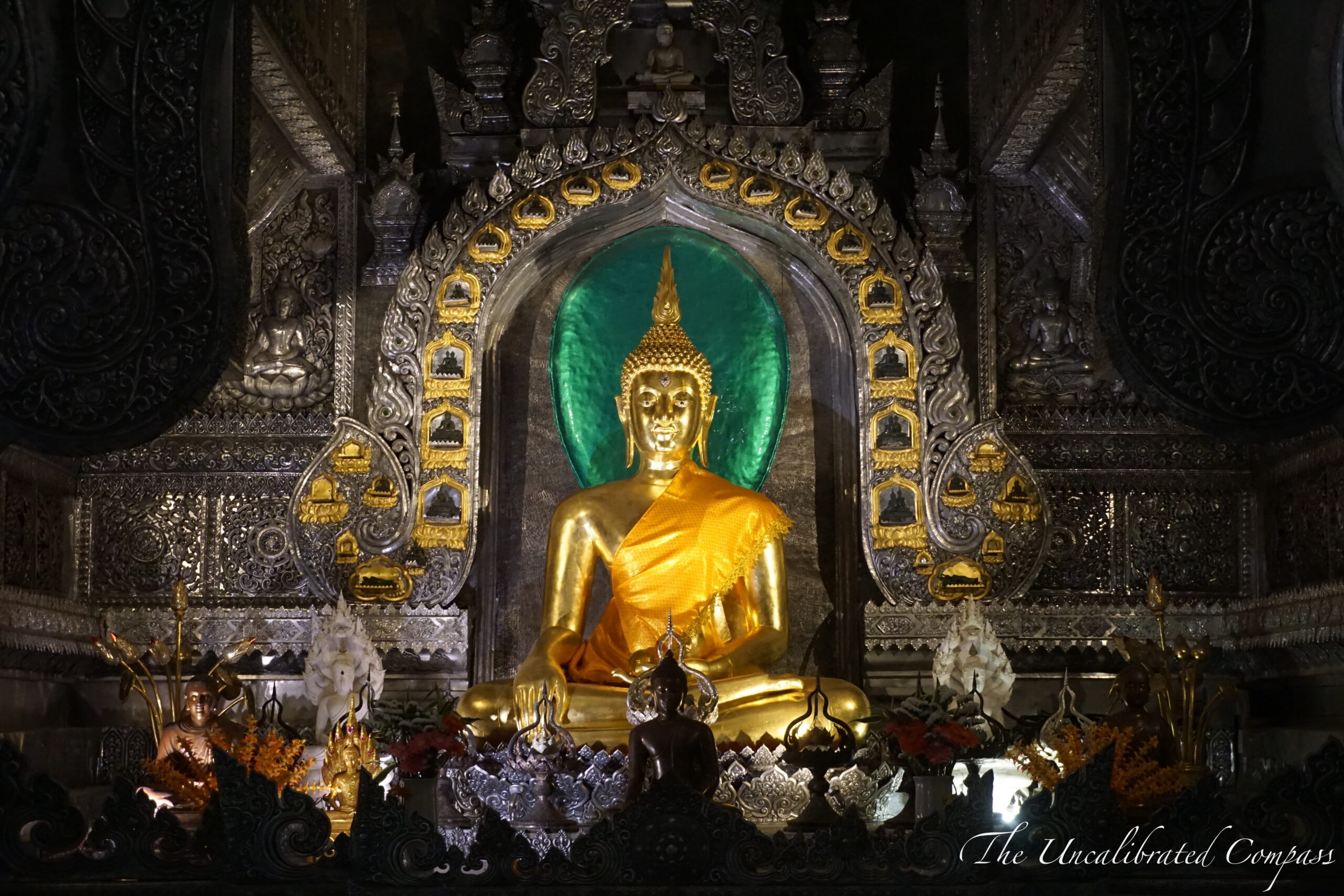
At the heart of the Silver Temple, the ancient golden Buddha stands in brilliant contrast to the hand-hammered silver walls. Wat Sri Suphan – Chiang Mai, Thailand.
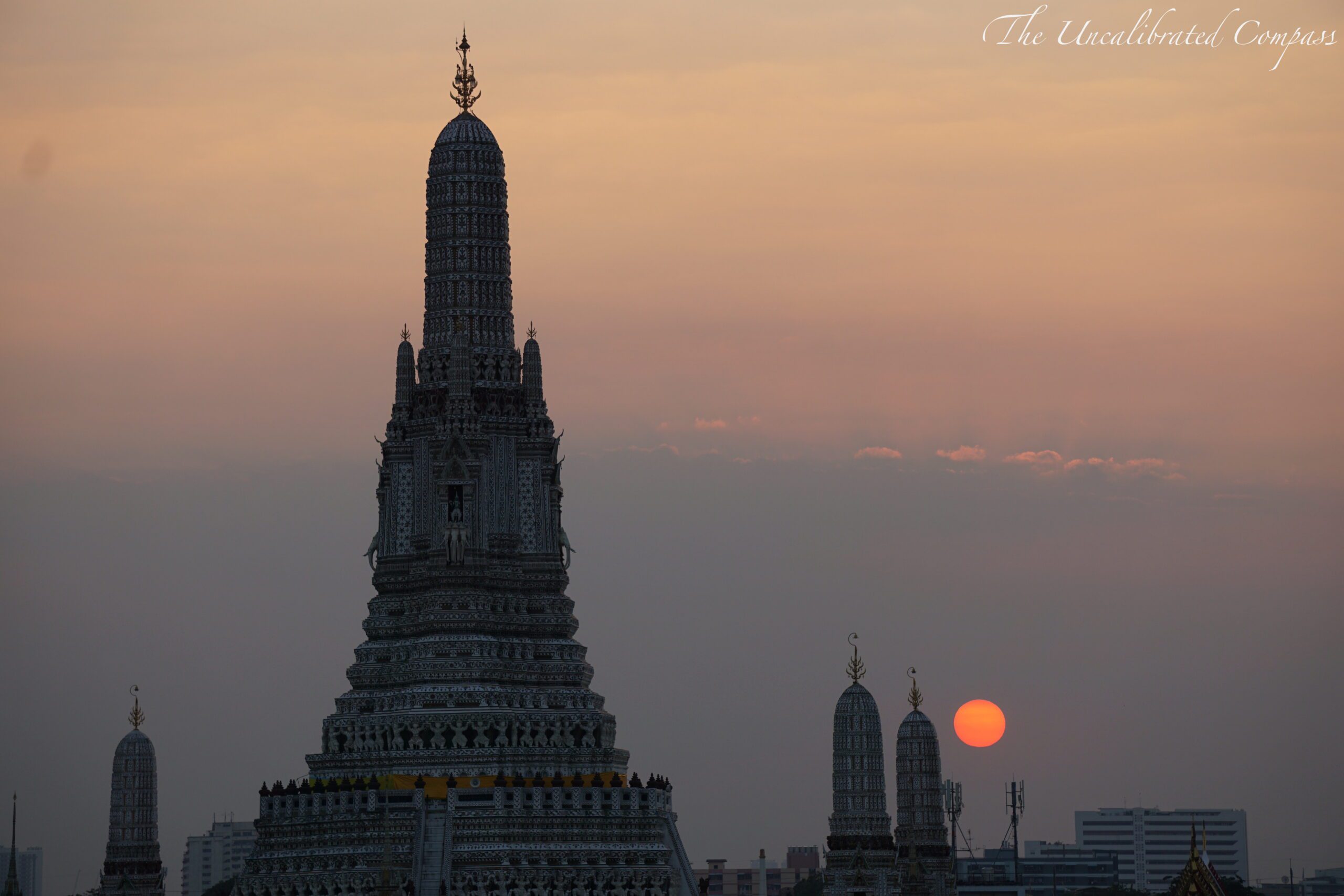
The Temple of Dawn at Dusk. While its name celebrates the morning, Wat Arun is a masterpiece at sunset. As the sun dips beside the central prang like a glowing fireball, the sky ignites in shades of orange and red, casting the temple’s iconic silhouette across the river. Bangkok, Thailand.
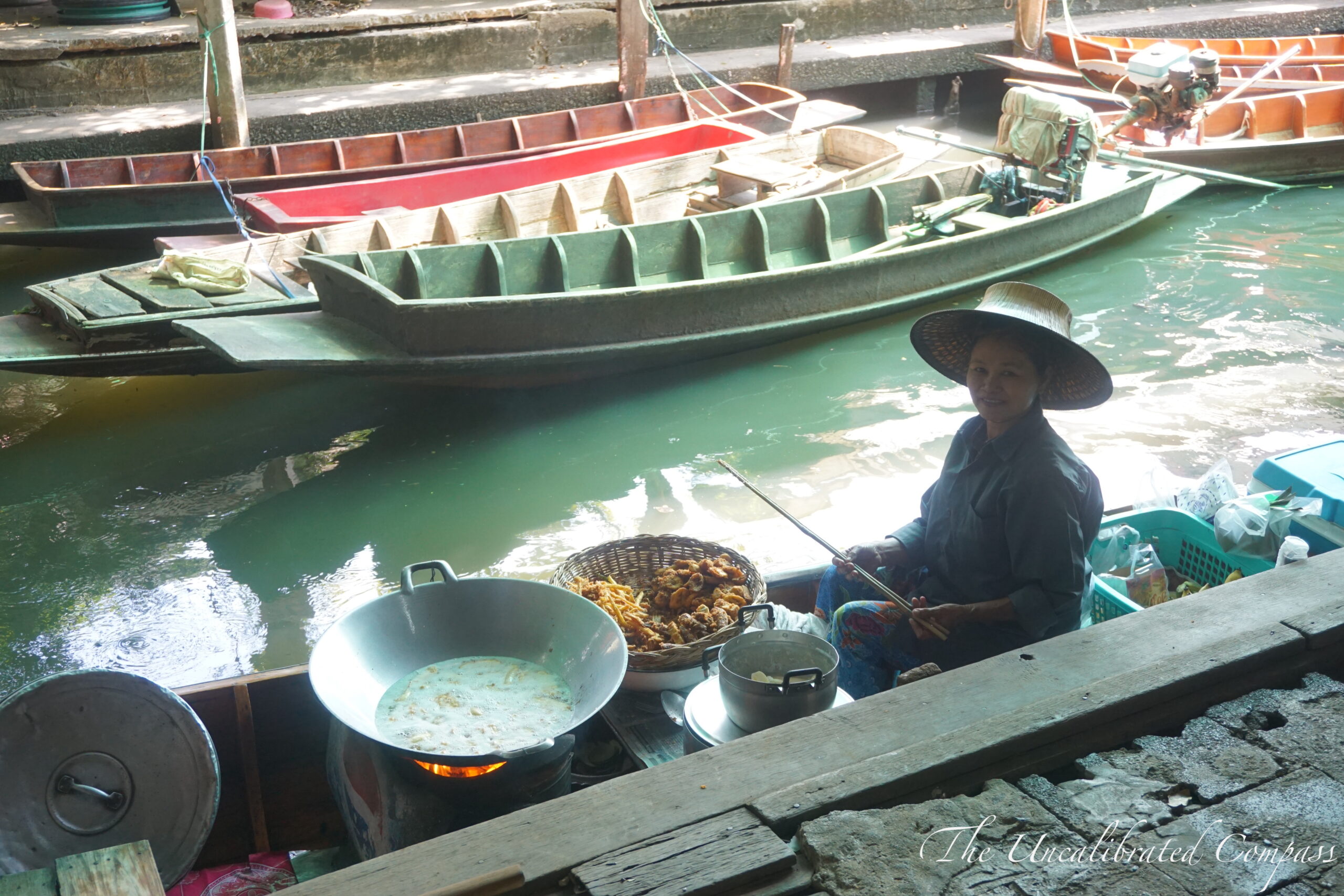
Culinary Craft on the Canal. In the narrow waterways of Khlong Lat Mayom, the boat is the kitchen. Watching a local vendor expertly prepare traditional dishes from a small wooden boat is a masterclass in efficiency and the enduring spirit of Thailand’s water markets.
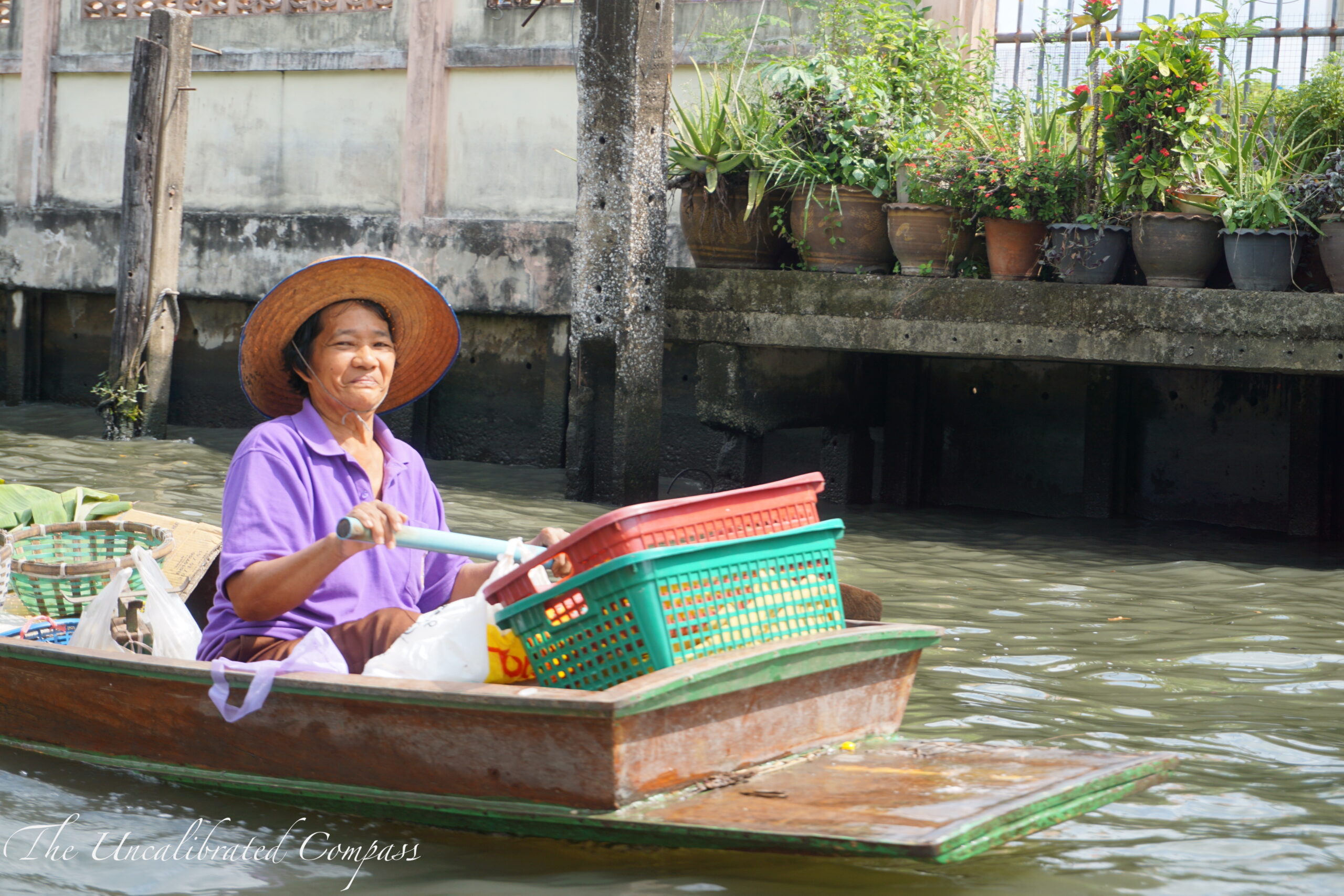
More than the food or the boats, it’s the people who define Khlong Lat Mayom. A shared smile as she navigates her merchandise through the canal is a reminder that the best travel moments aren’t found in the guidebooks, but in these brief, unscripted connections. Khlong Lat Mayom floating market, Thailand.
Chagga Gold. Hand-processed coffee beans from the slopes of Mount Kilimanjaro, Tanzania. These aren’t just coffee beans; they are the result of generations of Chagga tradition.
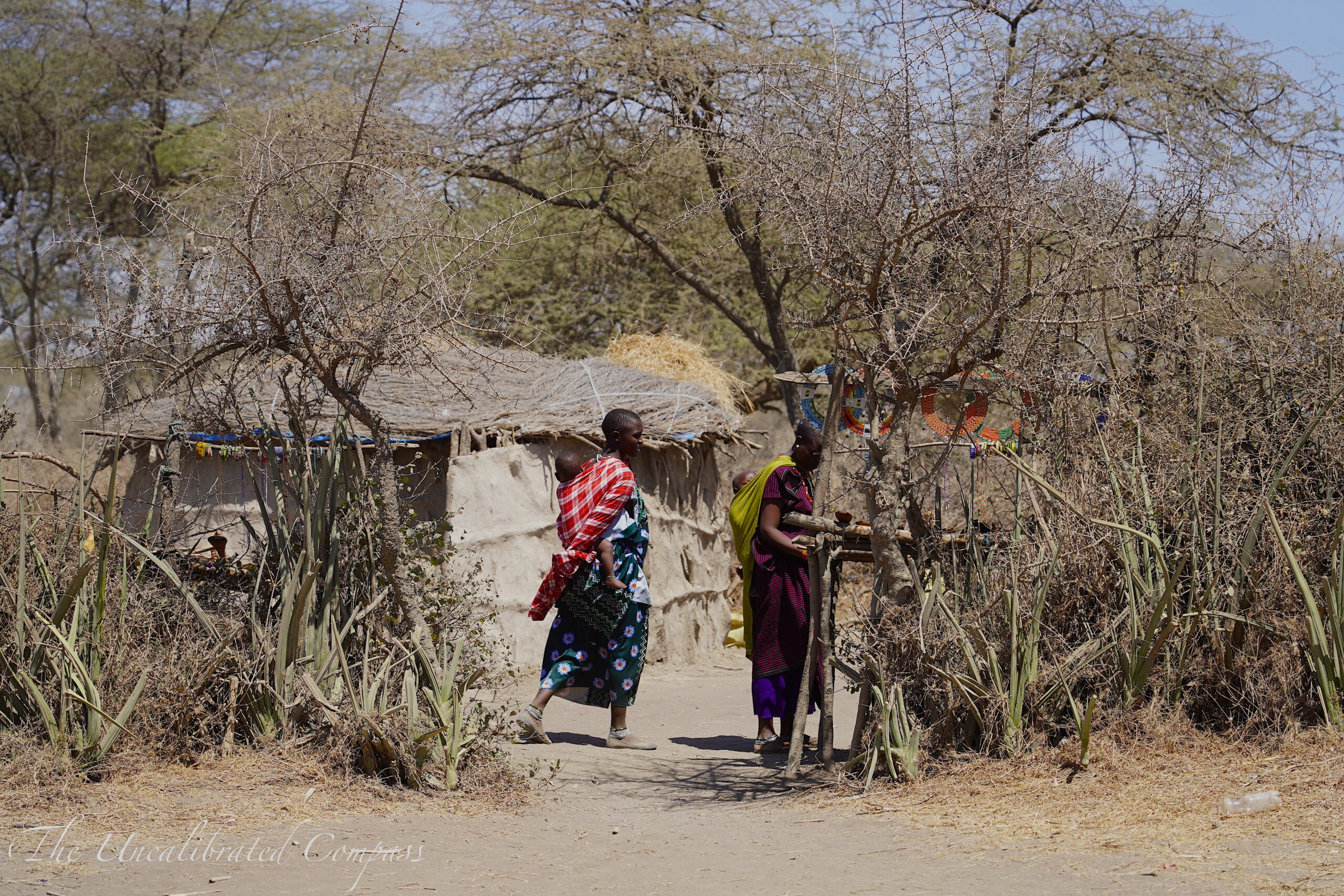
Community and Continuity. Maasai mothers in their village, Tanzania.
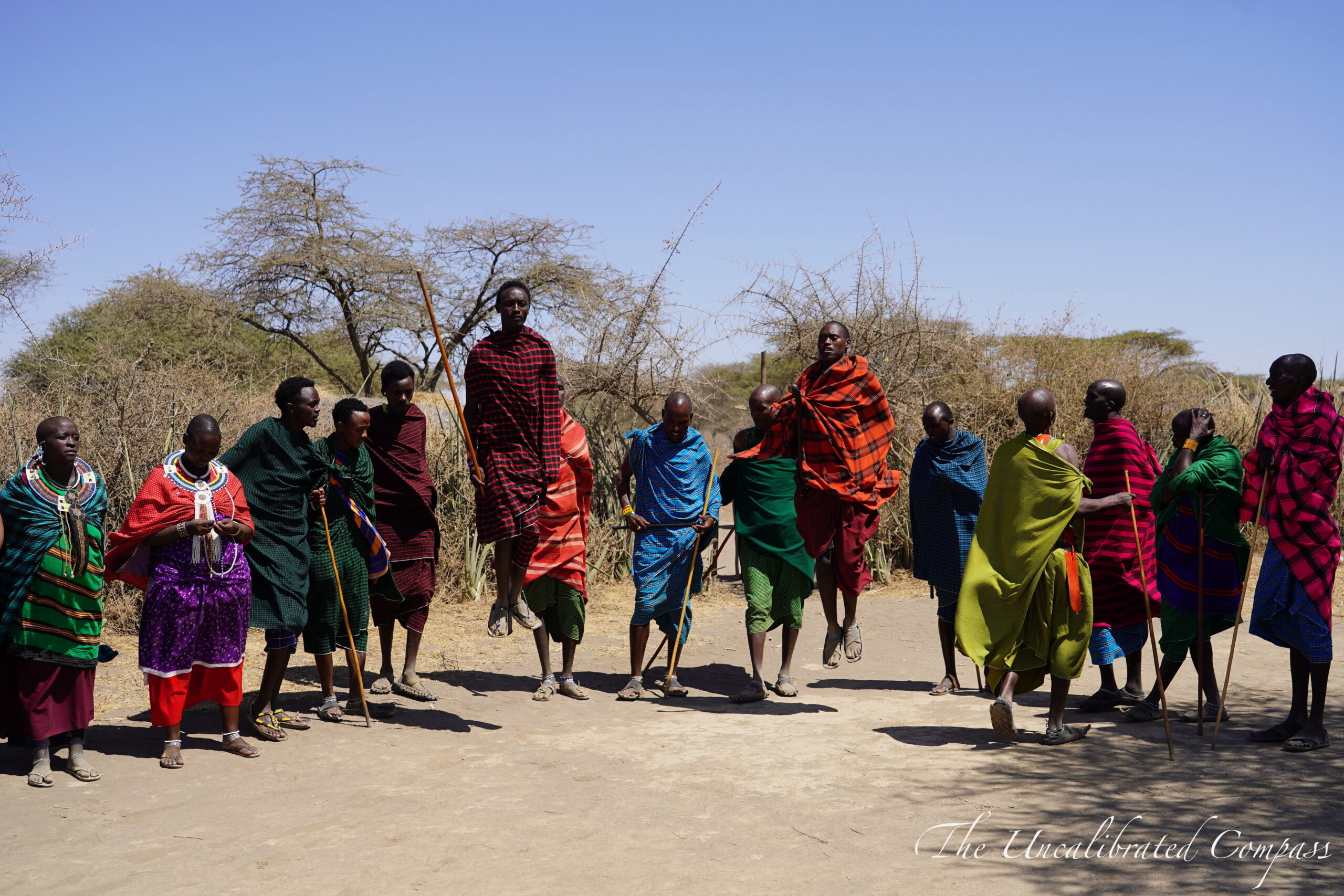
Defying Gravity on the Savanna. The adumu is more than a dance; it is a rhythmic display of power. As the warriors leap from the earth, their bodies create a striking vertical line against the vast, horizontal horizon of the East African plains.
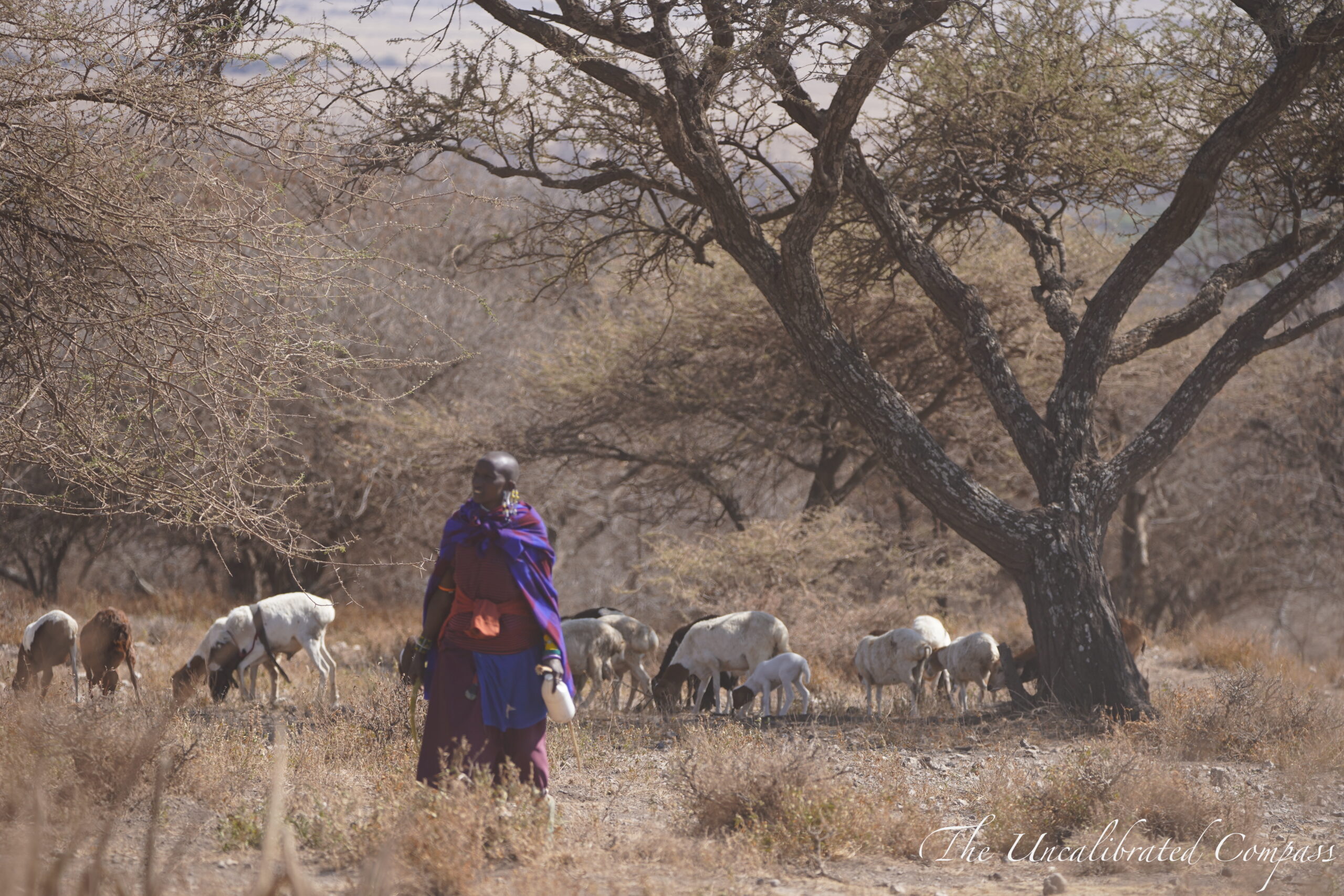
A Timeless Journey. Across the golden grasslands, a Maasai herder guides their goats through the open range. Tanzania.
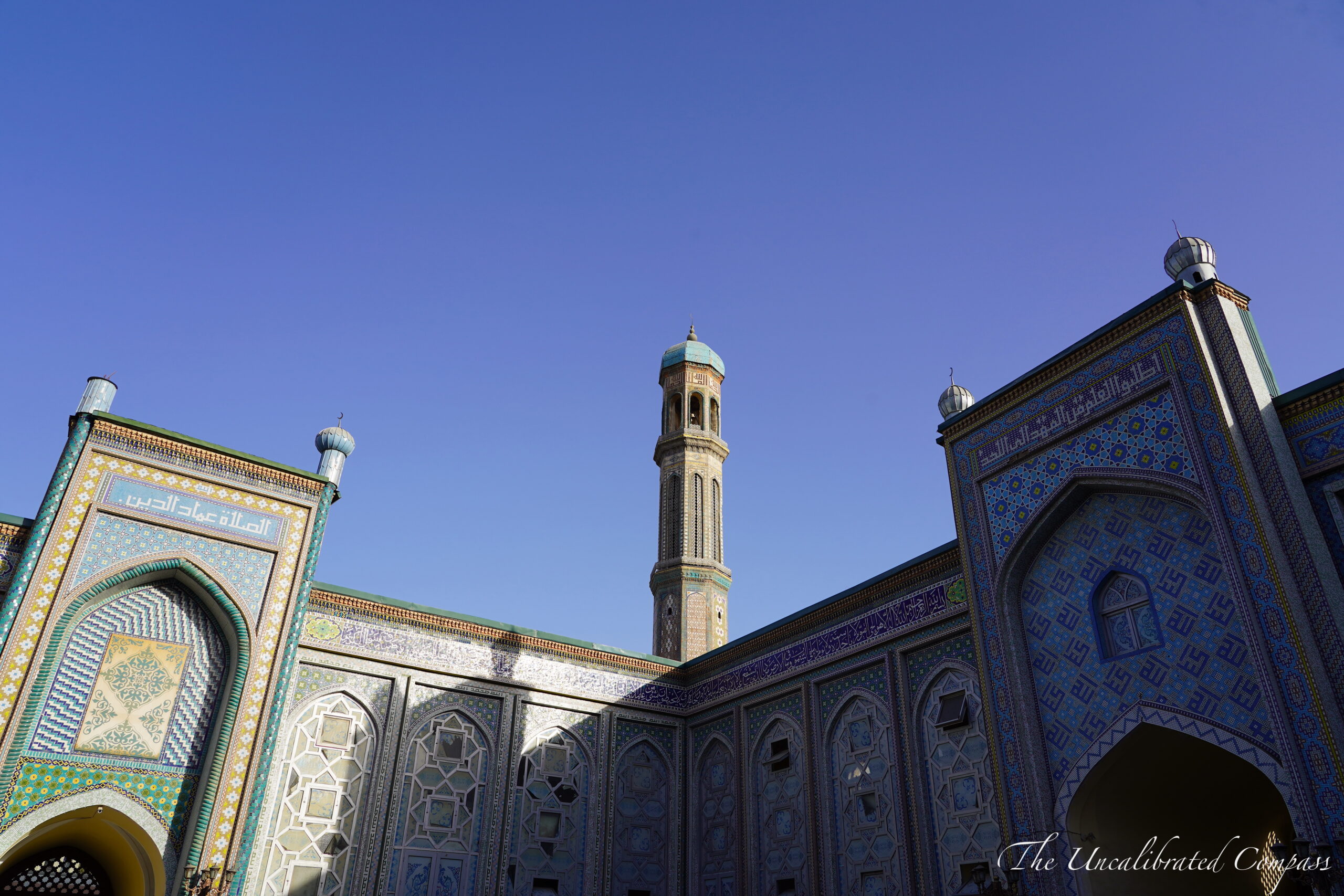
Patterns in the Tajik sky. There is no calibrating the complexity of this tilework until you’re standing right beneath the minaret. Amidst the modern growth of Dushanbe, this mosque remains a vibrant, blue-tilted anchor to the region’s deep architectural roots. Dushanbe, Tajikistan.
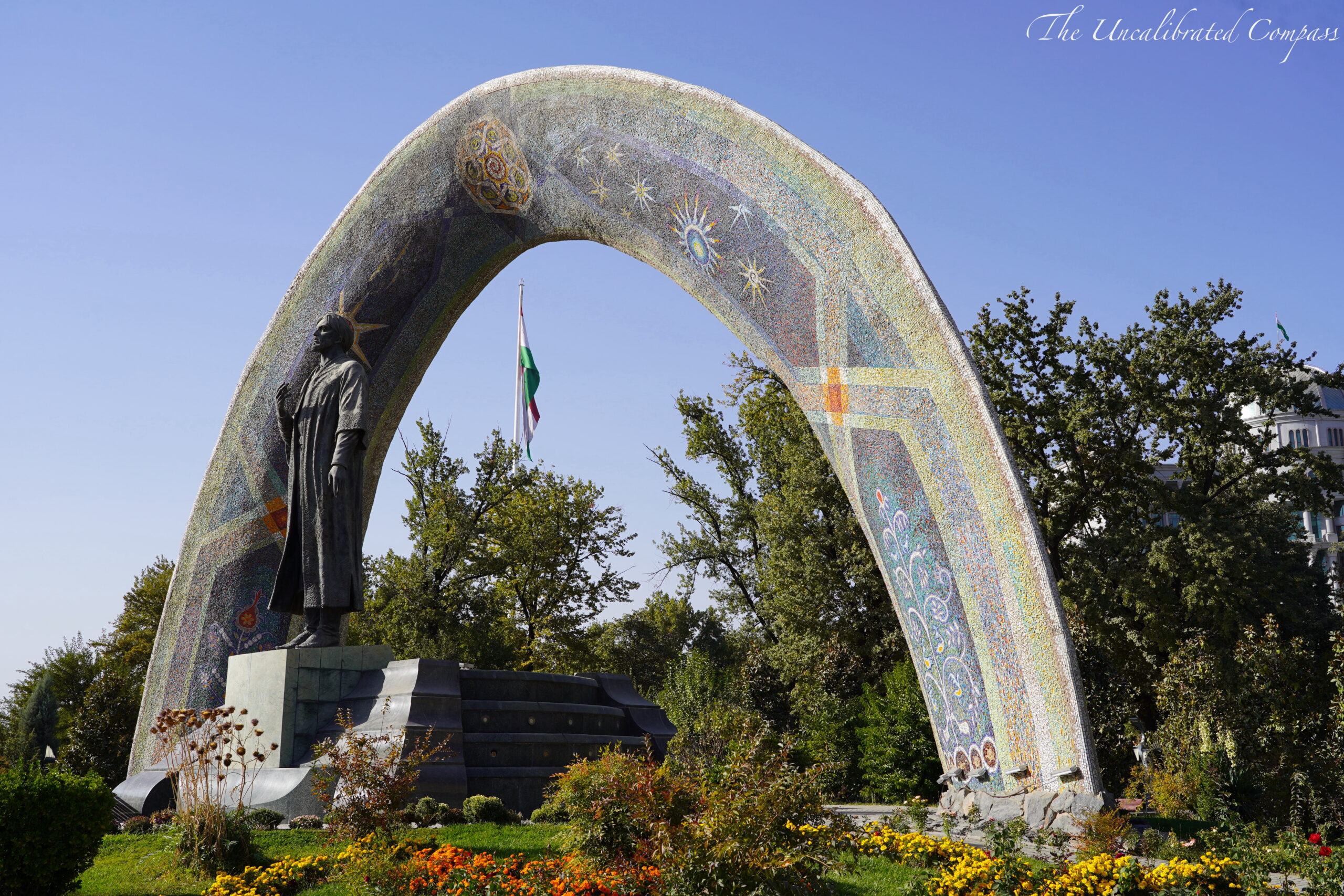
Finding the rhythm of Dushanbe. There is no calibrating the scale of the monuments in this city. Standing beneath the mosaic arch in Rudaki Park, you feel the weight of a culture that celebrates its thinkers and poets. The Rudaki monument honors the legendary 9th-century poet who shaped the language of the Silk Road. It’s a vibrant, colorful anchor in a city of green parks and wide avenues. Dushanbe, Tajikistan.
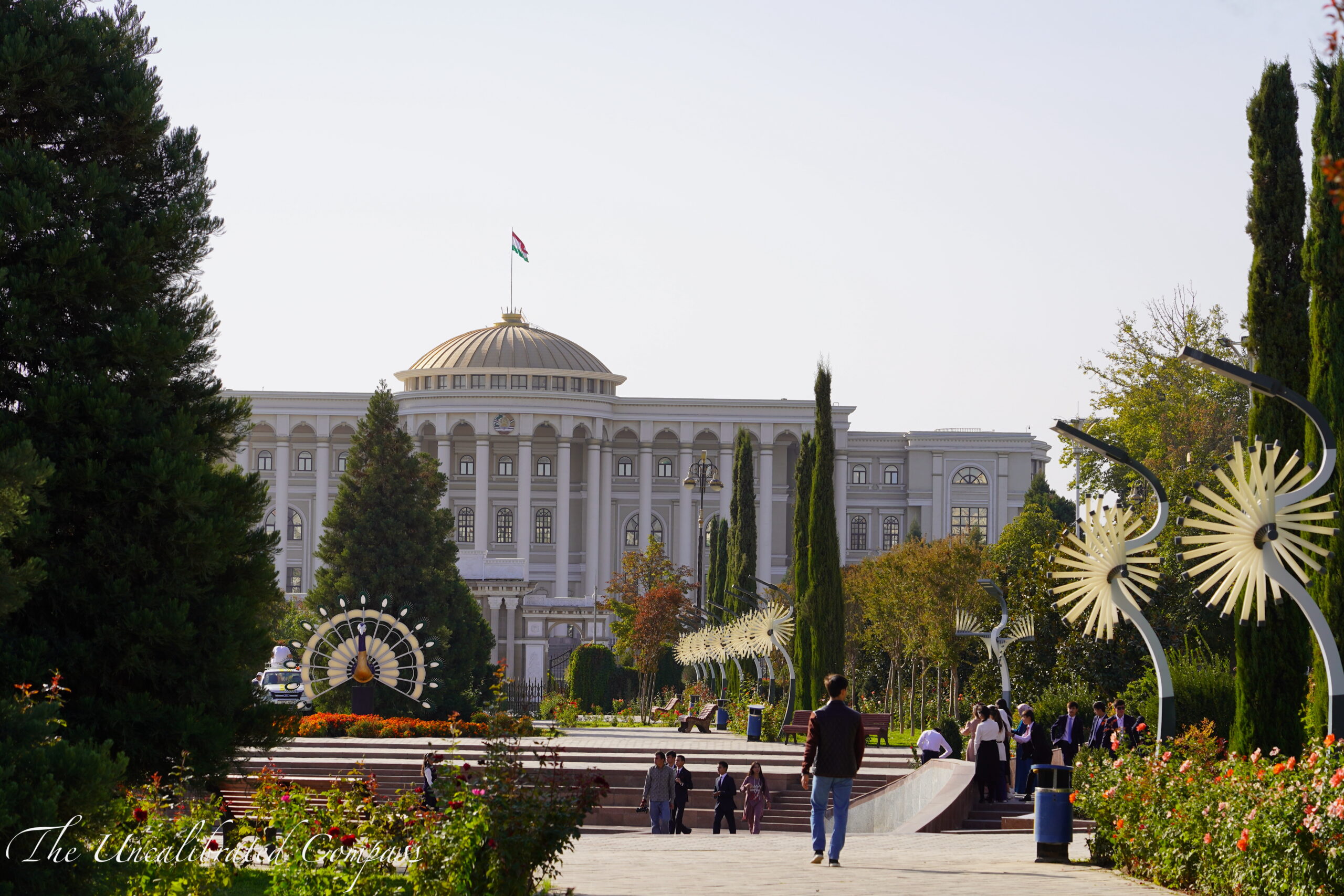
The Palace of Nations viewed through the greenery of Rudaki Park. Dushanbe, Tajikistan.
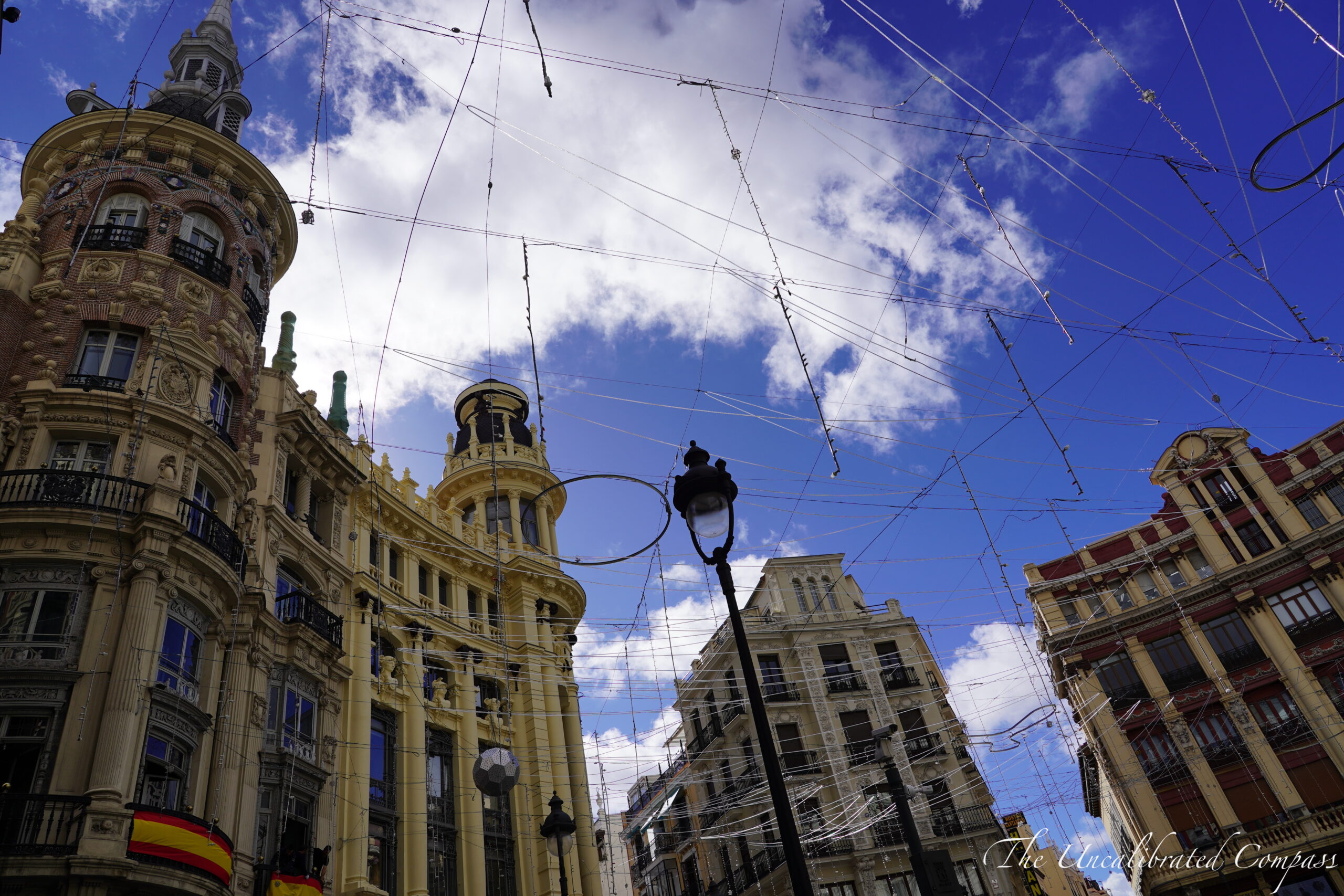
Standing at Plaza de Canalejas, surrounded by the beautiful architecture and a perfect sky. Madrid, Spain.
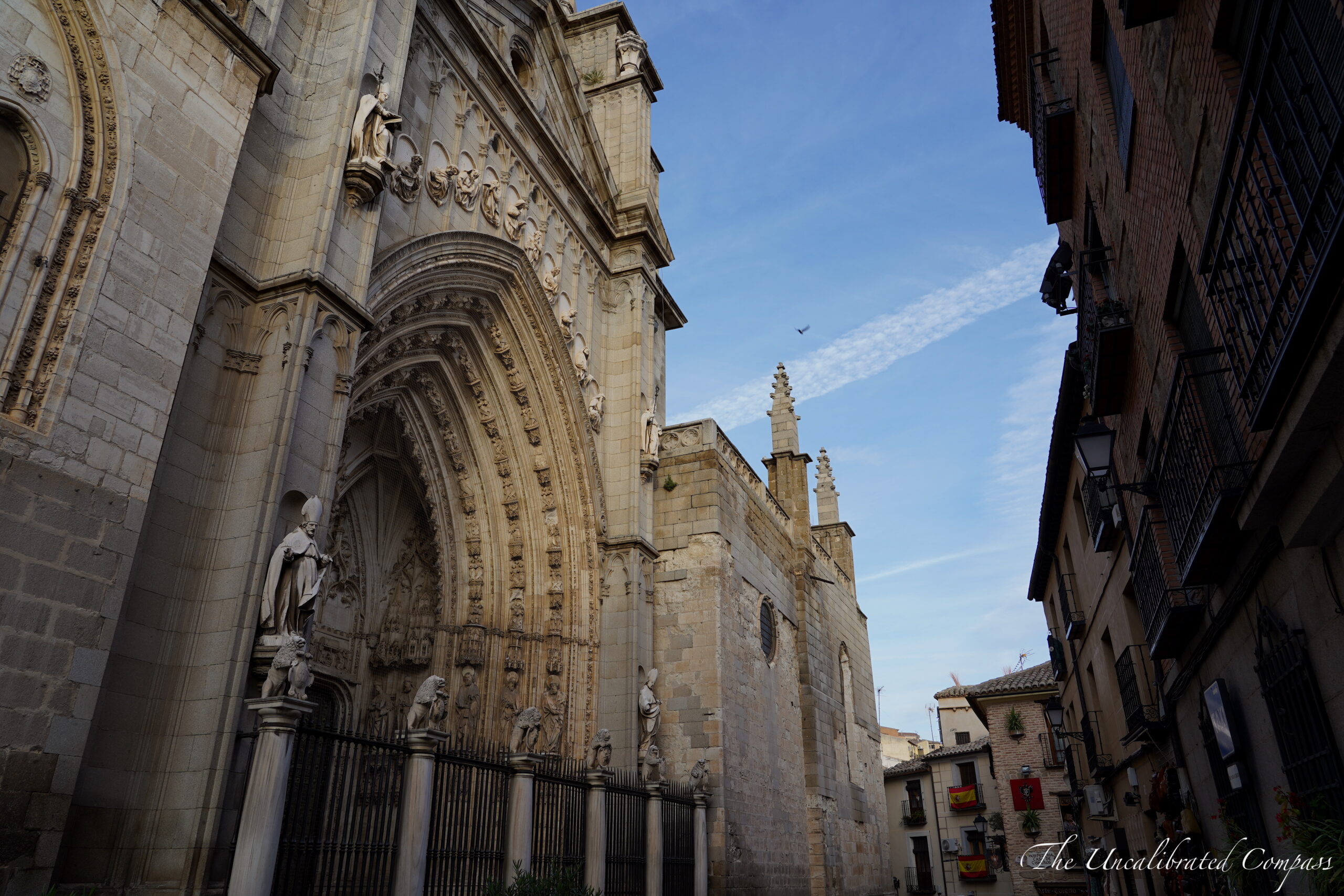
The Heart of Toledo. The iconic Gothic facade of the Toledo Cathedral, Spain.
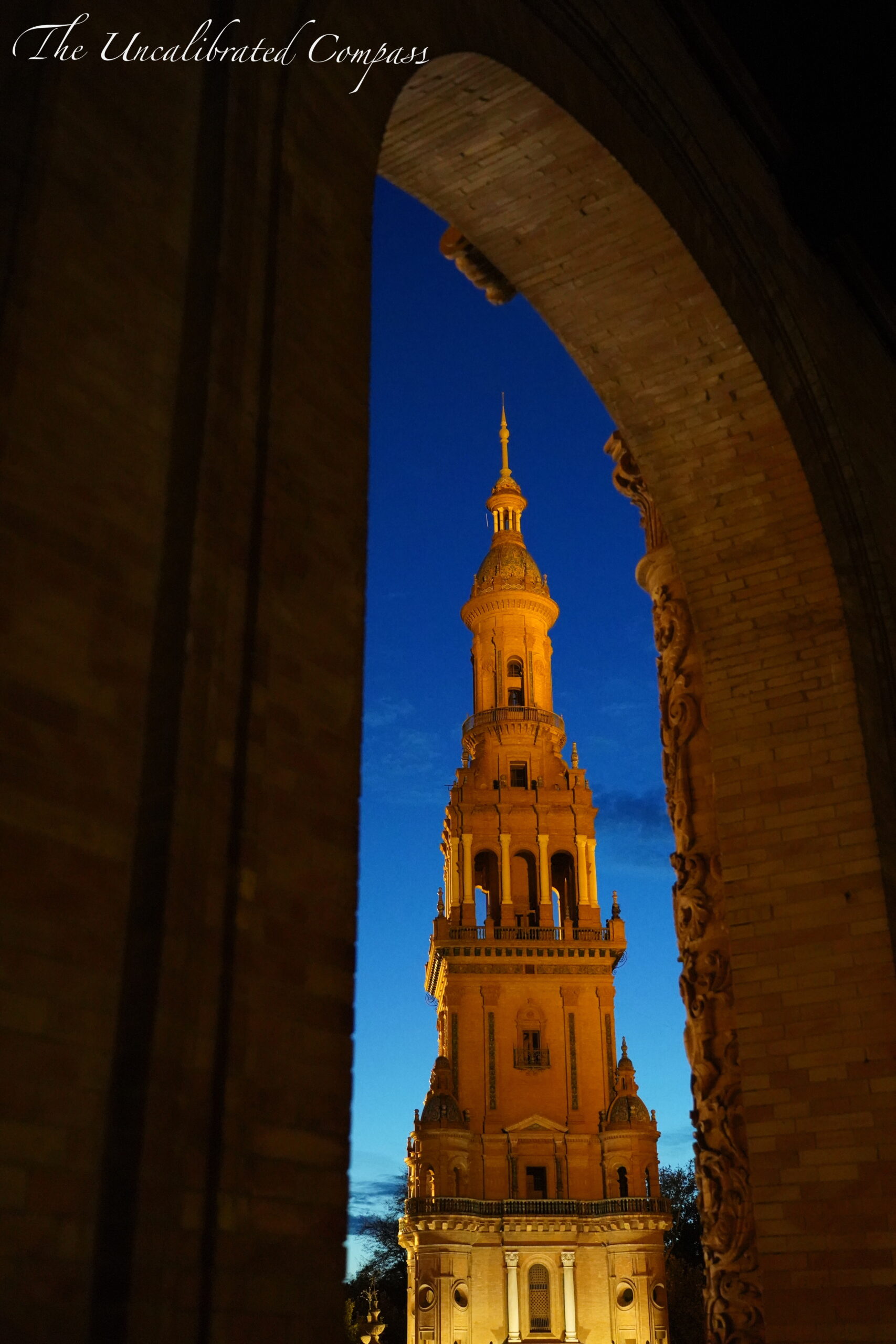
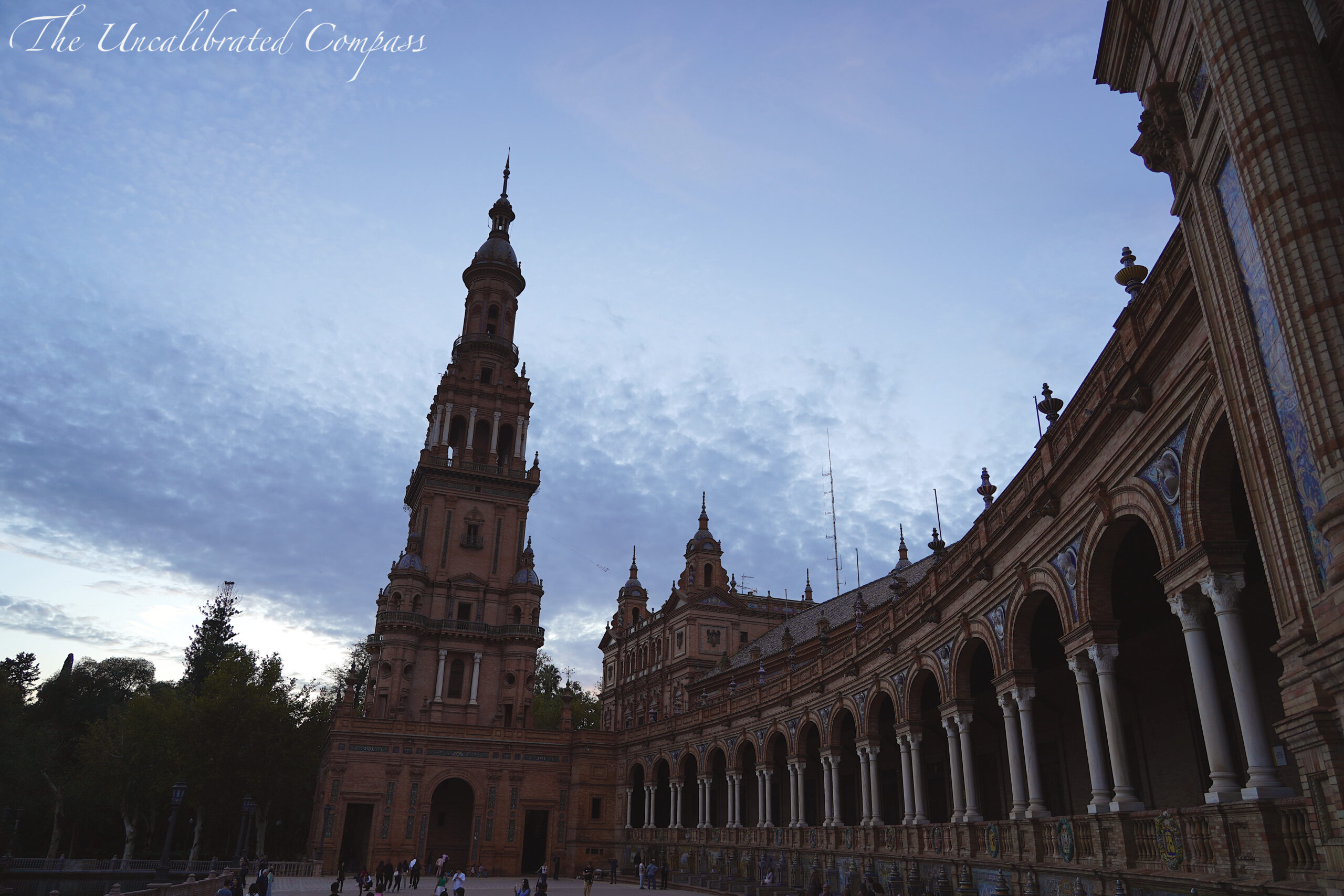
Skyward in Seville. One of the iconic towers of the Plaza de España standing tall. Seville, Spain.
Plaza de España. Seville, Spain.
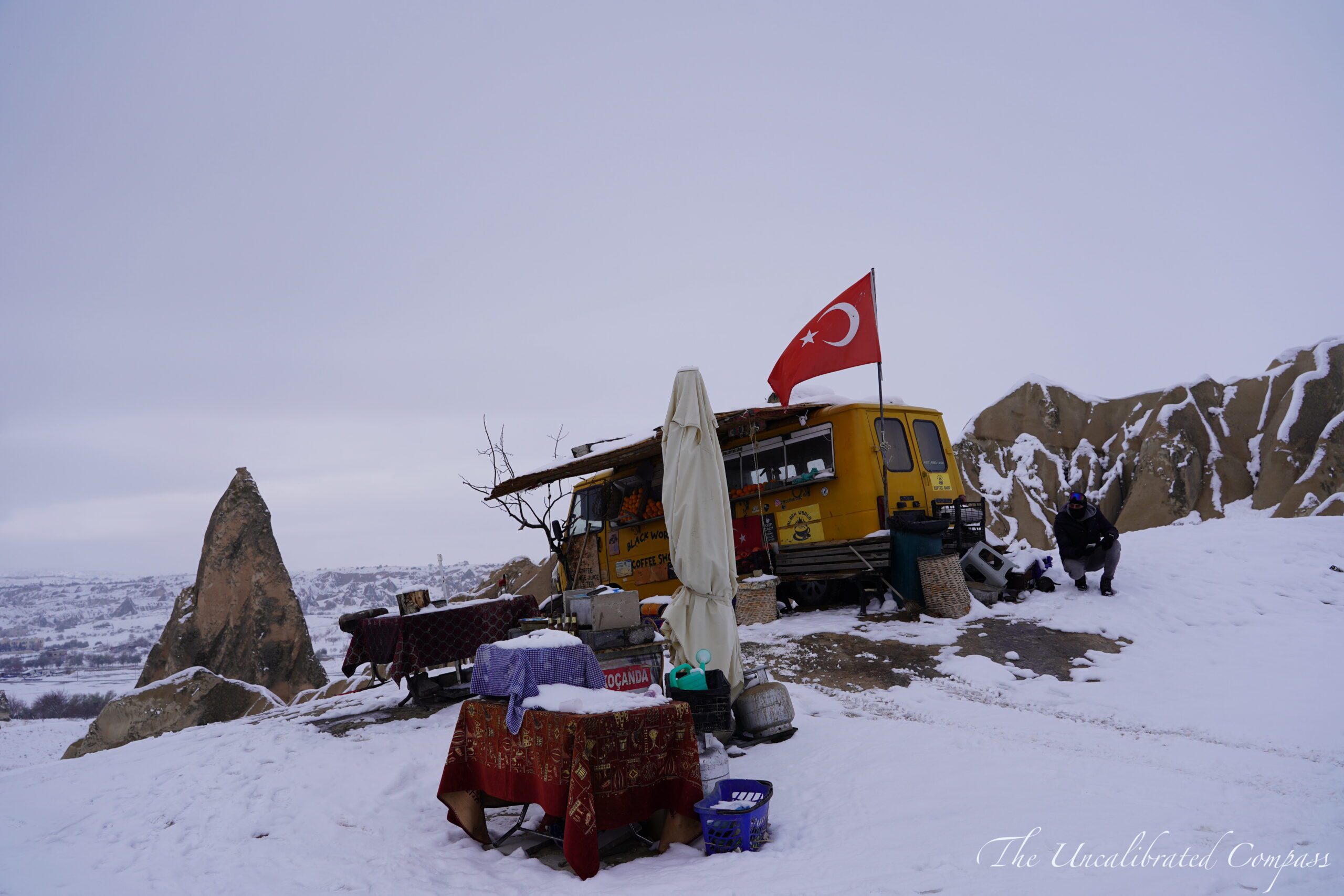
A Burst of Citrus in the Snow. In the middle of Cappadocia’s otherworldly terrain, a lone orange juice van provides a vivid splash of color against the fresh winter white. It’s a surreal sight—bright oranges and a warm smile waiting just moments after a snowstorm has swept through the fairy chimneys. Cappadocia, Türkiye.
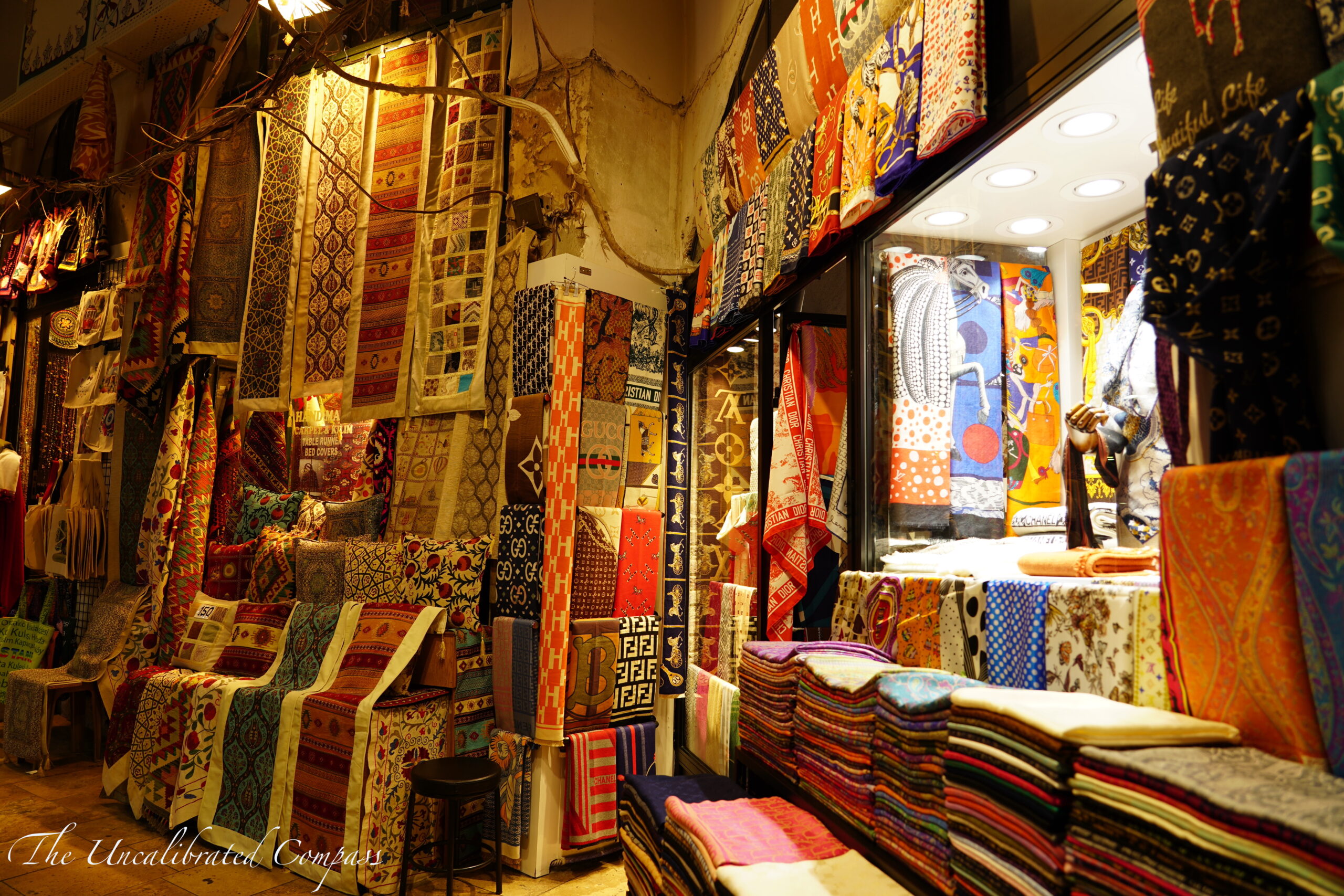
The Threads of the Silk Road. In the vaulted corridors of the Grand Bazaar, the textile shops are a library of patterns and textures. From hand-woven Anatolian kilims to delicate pashminas, these stalls represent a lineage of craftsmanship that has connected aa lot of the world for centuries. Istanbul, Türkiye.
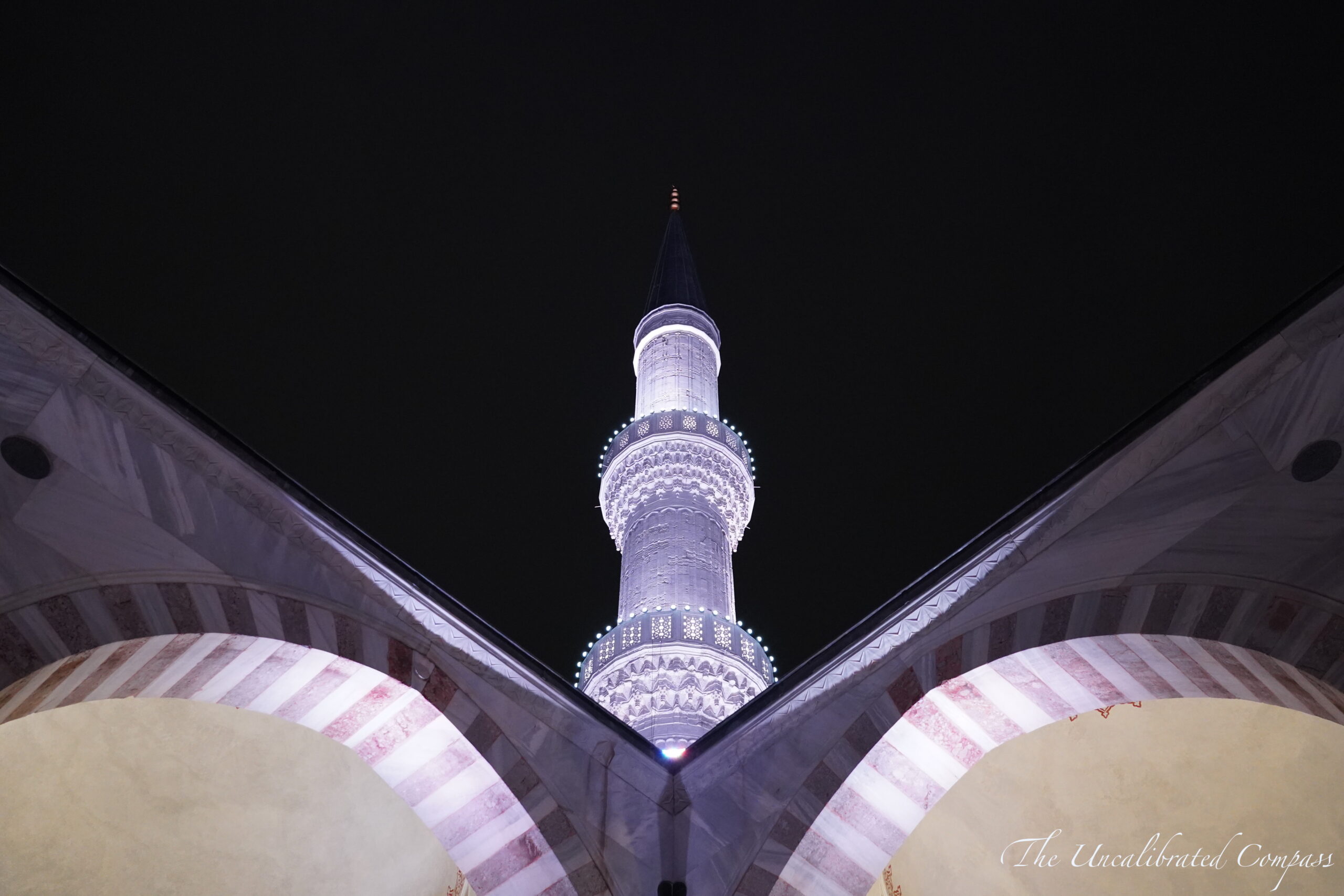
A Study in Ottoman Grace. From the courtyard of the Blue Mosque, the architecture reveals its true harmony. The repeating curves of the stone arches provide a grounded frame for the slender, pencil-shaped minaret that pierces the Istanbul sky—a design that has defined the city’s skyline since the early 17th century. Istanbul, Türkiye.
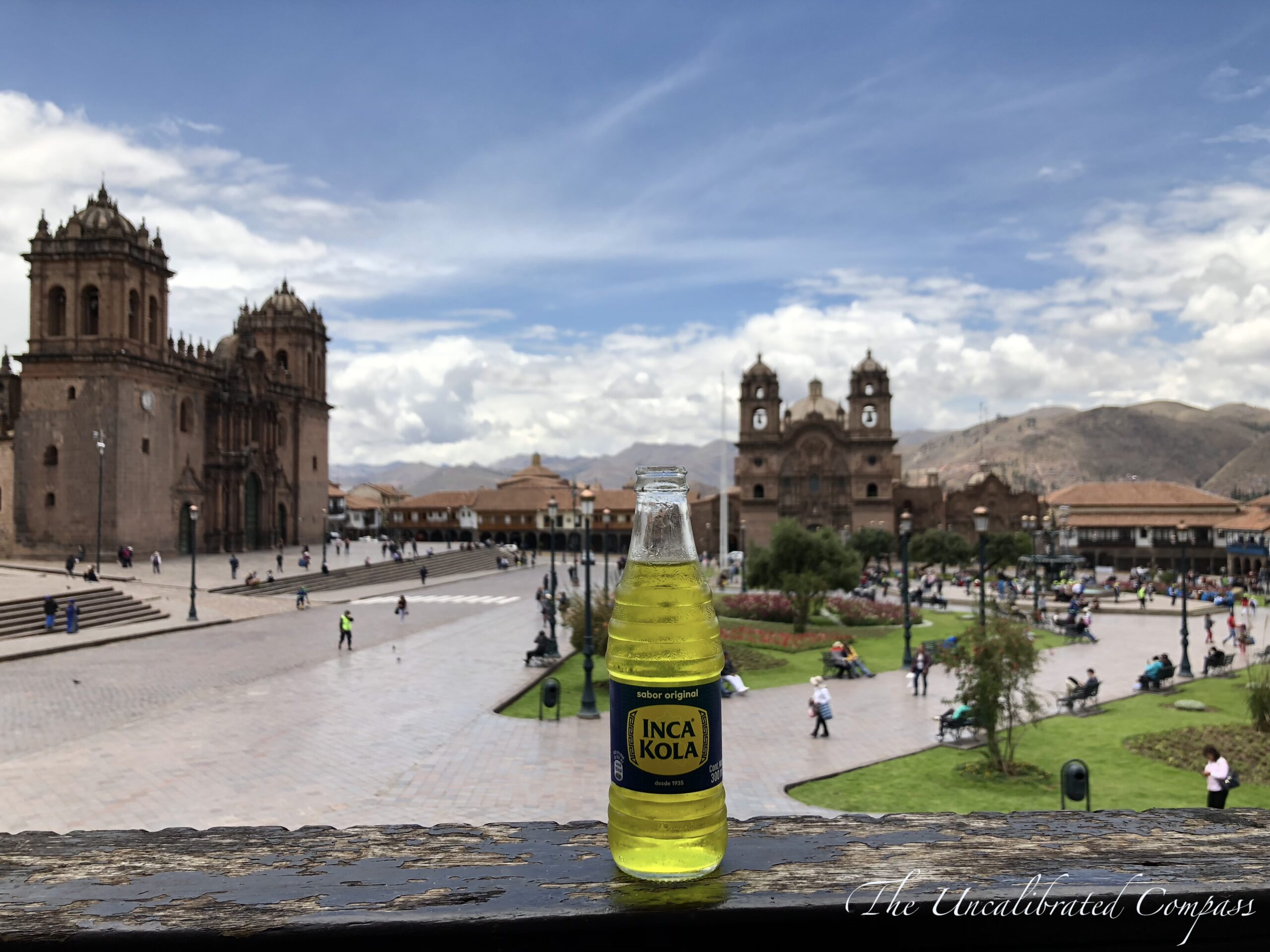
The Golden Kola. You haven’t truly arrived in Cusco until you’ve sat on a balcony overlooking the Plaza de Armas with an ice-cold Inca Kola. This neon-yellow soda is a national pride, its unique sweet flavor serving as the perfect companion to the high-altitude air and the centuries of history blurred in the distance. Cusco, Peru.
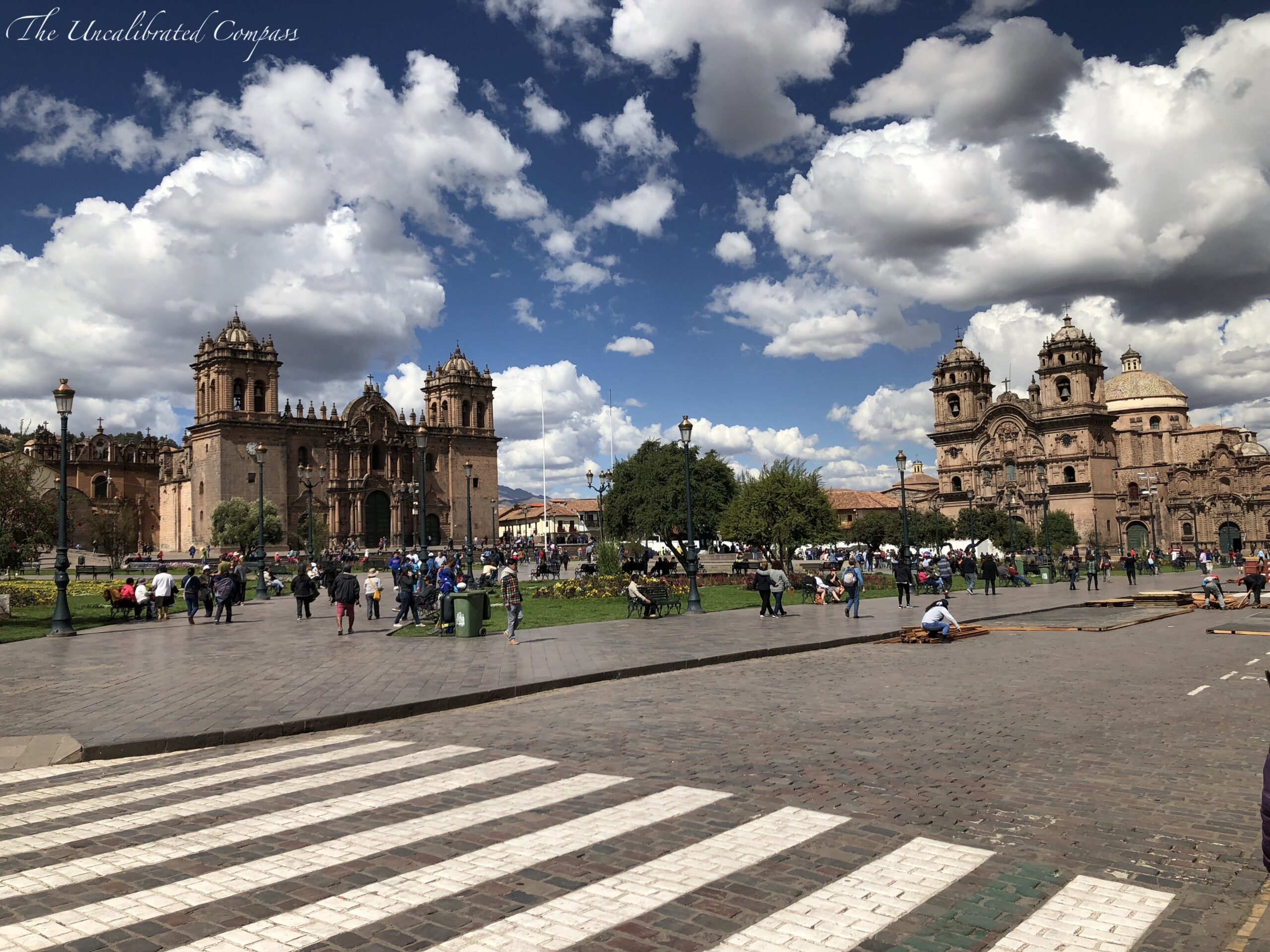
The Heartbeat of the Andes. The Plaza de Armas has been a gathering place since the time of the Incas, and today that tradition continues. Watching the mix of locals and travelers against the backdrop of the Cusco Cathedral, you realize that while the empires have changed, the spirit of this square always remains vibrant. Cusco, Peru.
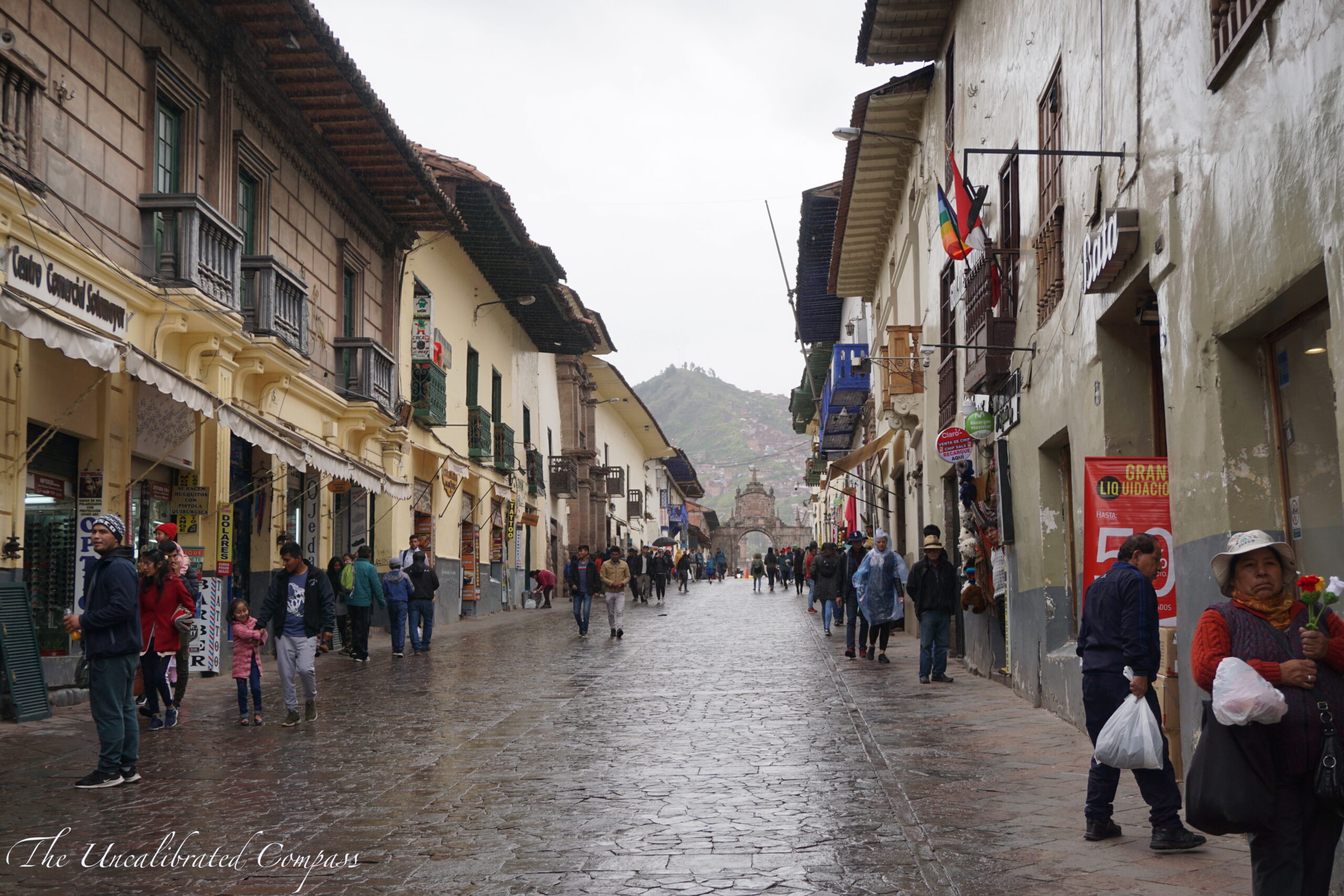
The bustling streets of Cusco, Peru.
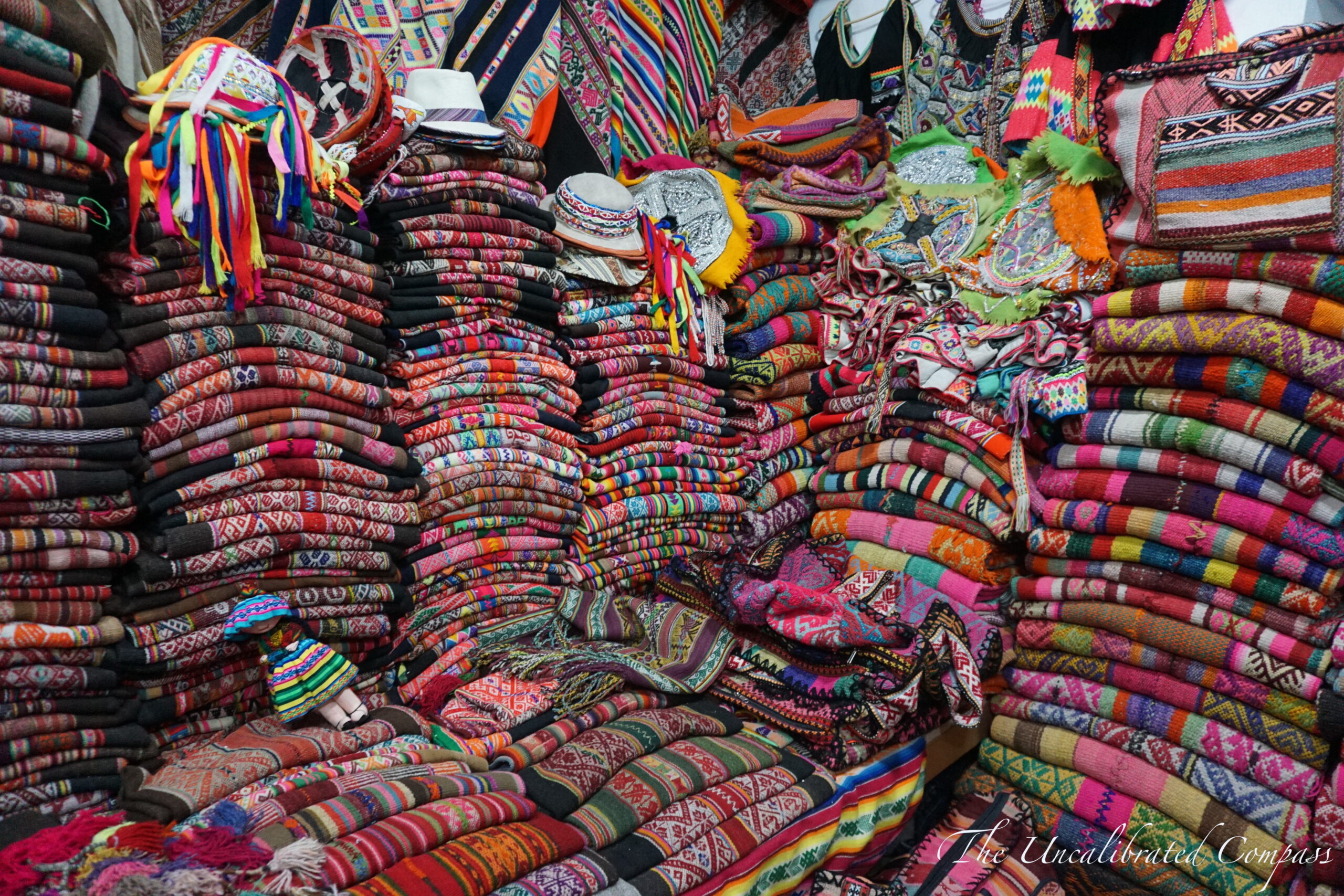
A Tapestry of the Andes. Each thread in these alpaca wool textiles tells a story of high-altitude life. These fabrics are a soft but enduring record of ancient Peruvian identity. Cusco, Peru.
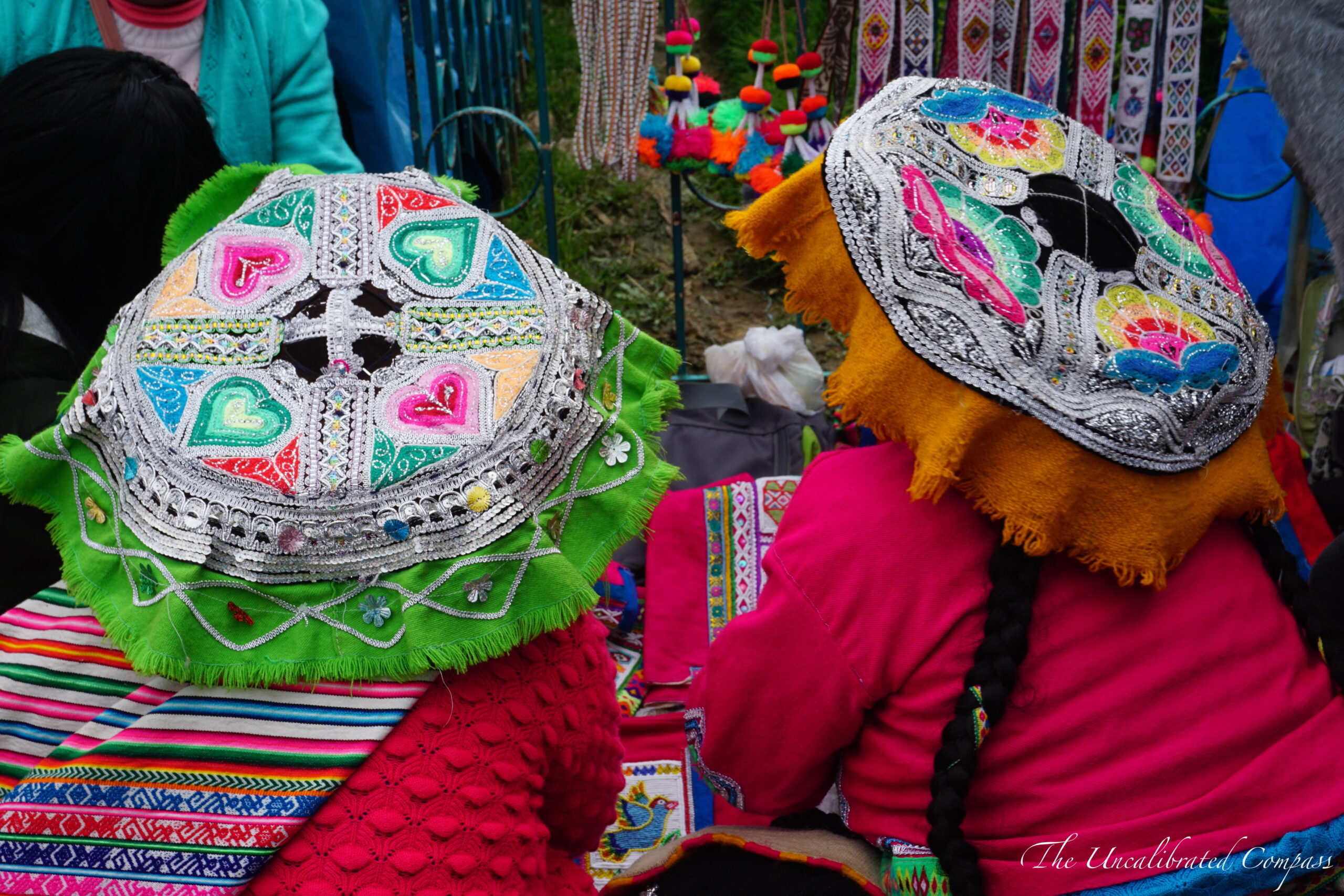
Beyond the Map. In the small town of Kcauri, the market is the true heart of the community. These women, sitting together in the town square, represent a continuity of culture that remains untouched by time. Their traditional hats and vibrant clothing aren’t for show—they are the fabric of daily life in the high Andes. Kcauri, Peru.
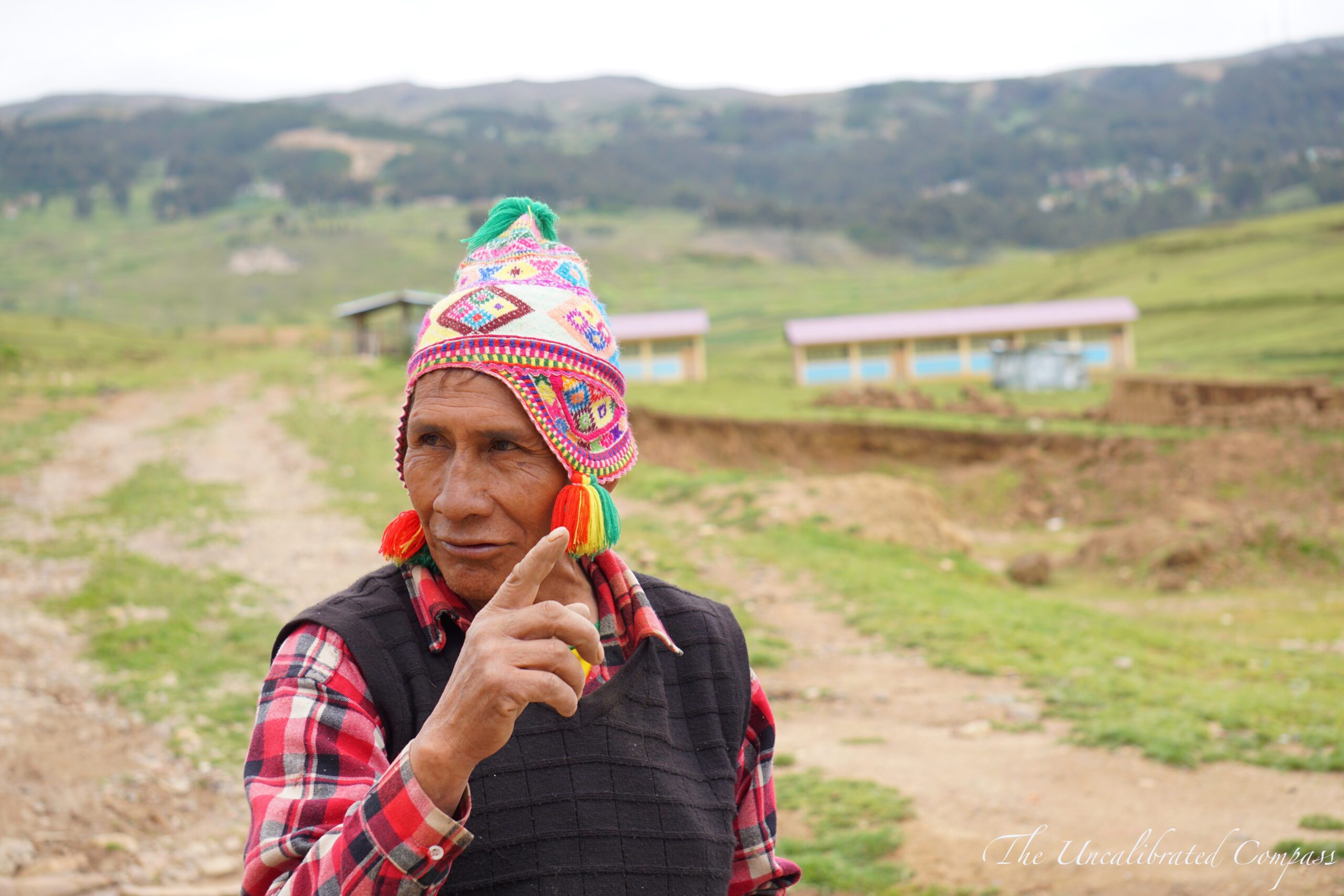
The Face of the Andes. In the remote community of Kcauri, tradition is worn with pride. From the intricate weave of his chullo to the hand-spun textures of his outfit, this portrait reflects a life lived in harmony with the demanding environment of the Andean highlands. Kcauri, Peru.
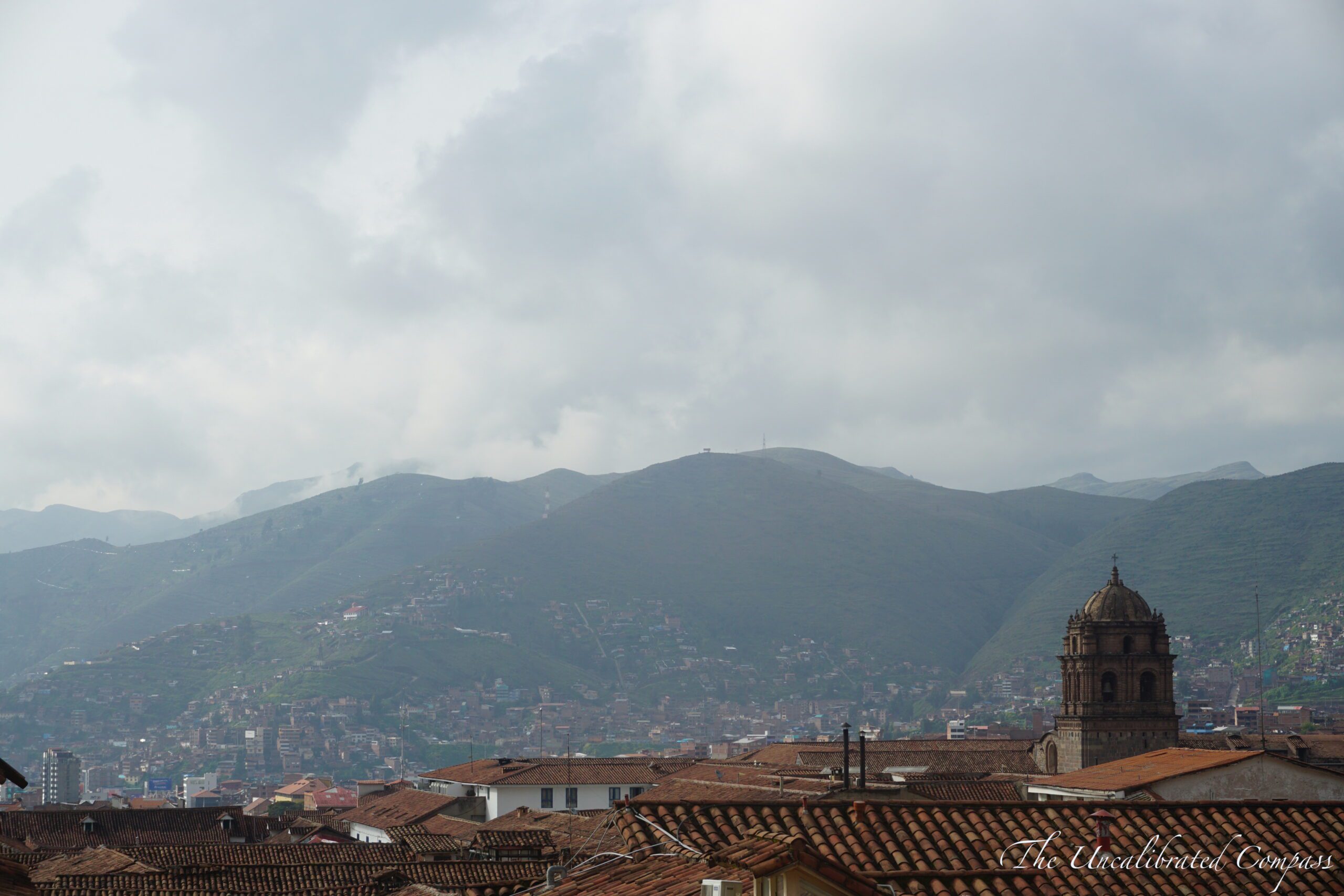
The Roof of the Andes. Looking out over the red-tiled heart of Cusco, the Cathedral’s bell tower stands as a sentinel over the valley. Cusco, Peru.
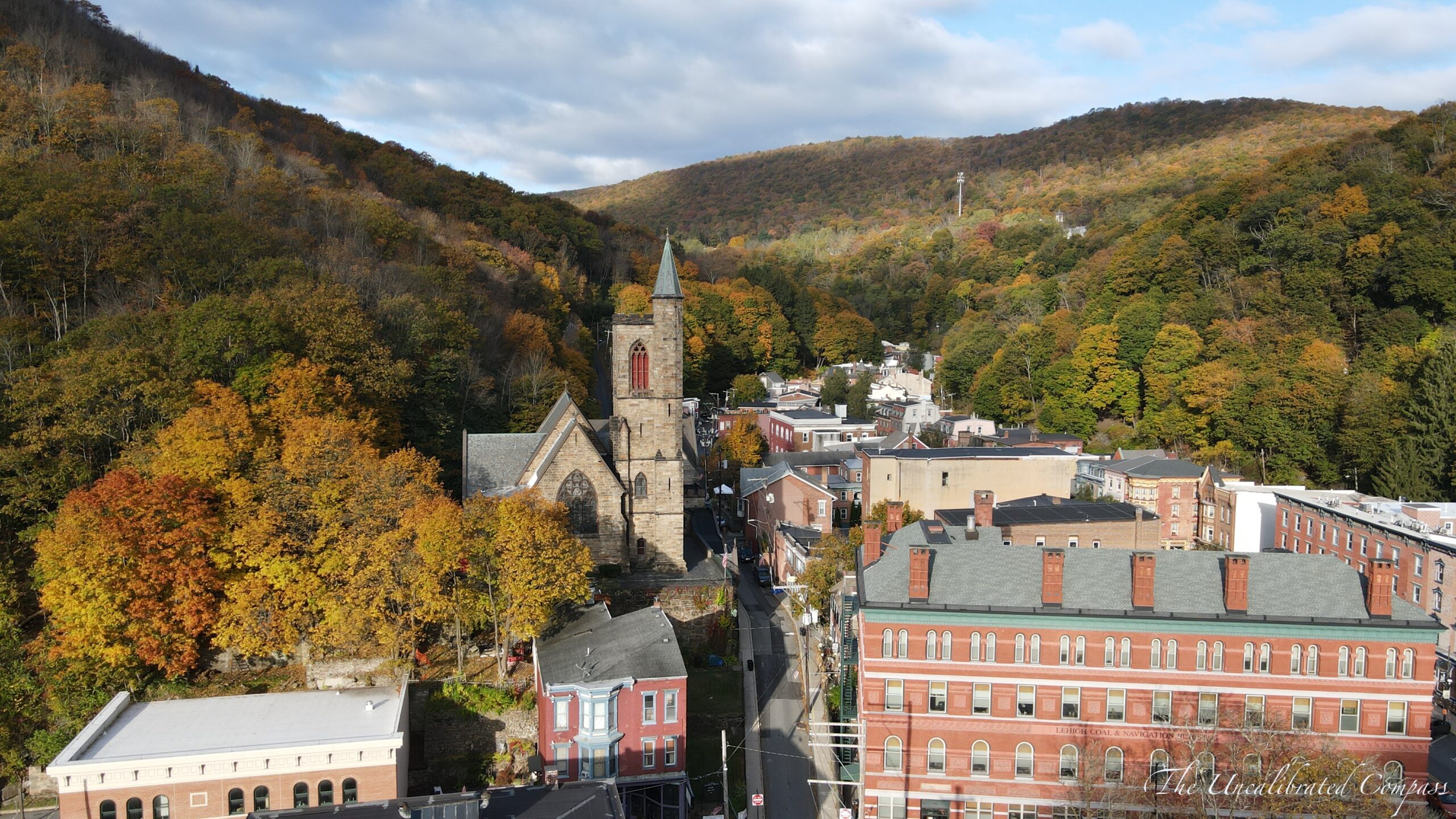
From above, Jim Thorpe reveals its spectacular geography. The town’s historic spires and red-brick facades are tucked deep into the Lehigh Gorge. Jim Thorpe, Pennsylvania, US.
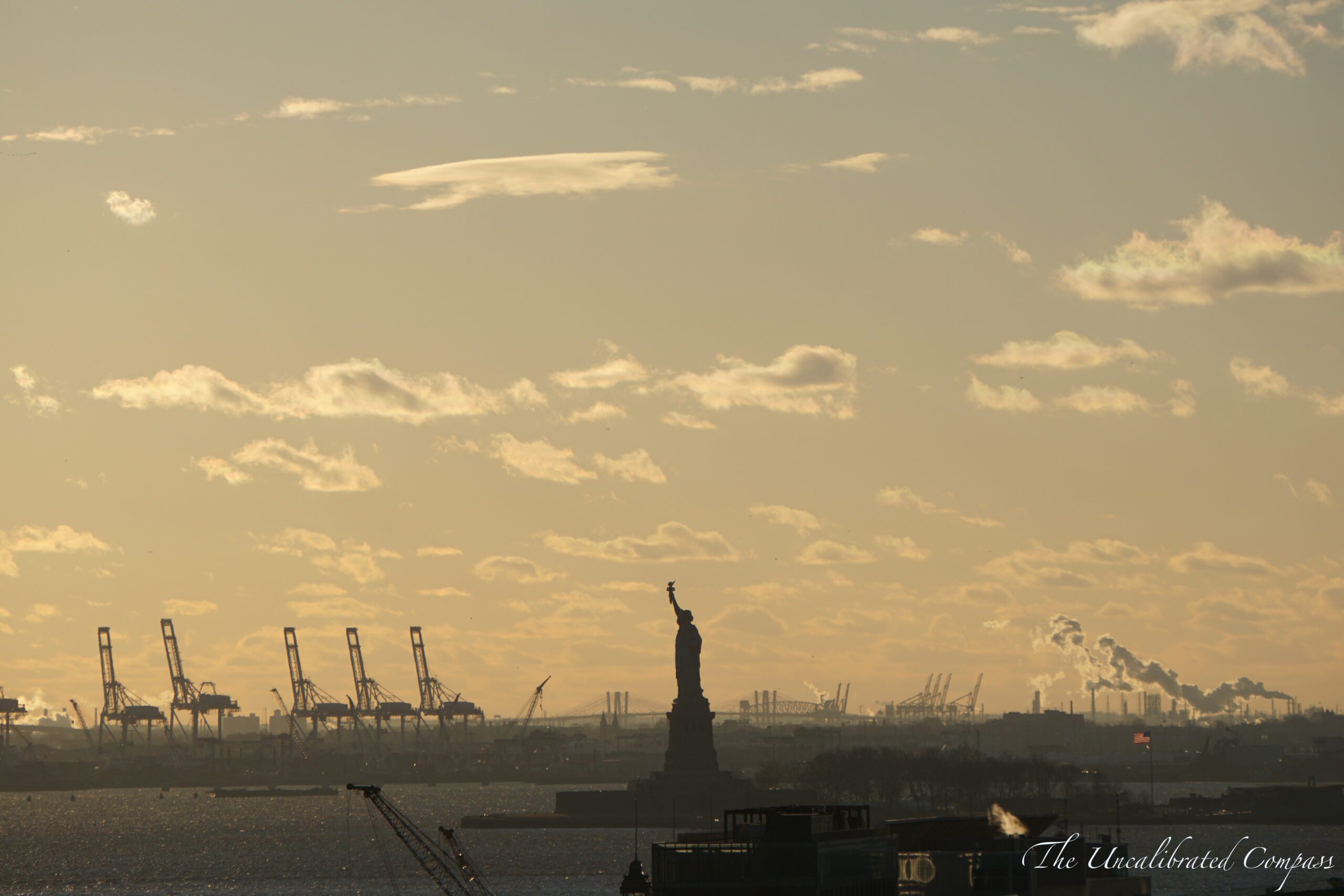
A Golden Gate. Even from a distance, Liberty stands as the definitive anchor of the harbor. Seen from the Brooklyn Bridge, her profile marks the transition between the dense architecture of Lower Manhattan and the open water, glowing as the sun dips below the New Jersey skyline. New York City, US.
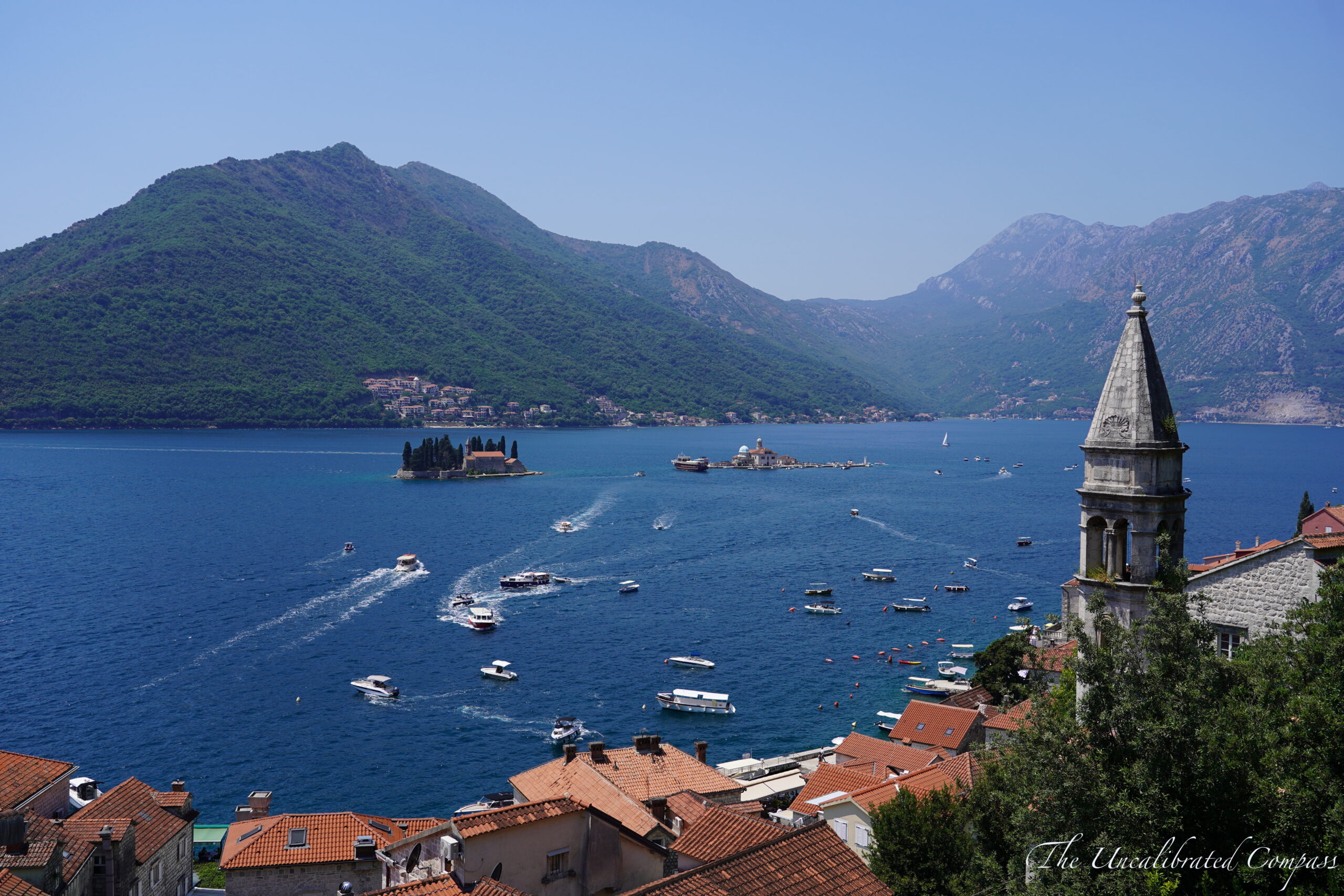
A Tale of Two Islands. From this height, the history of the Bay of Kotor unfolds. On the left, the man-made Gospa od Škrpjela (Our Lady of the Rocks), built stone by stone by local sailors; on the right, the natural, cypress-shaded island of Saint George. Together, they form the spiritual and visual heart of the Montenegrin coast. Perast, Montenegro.
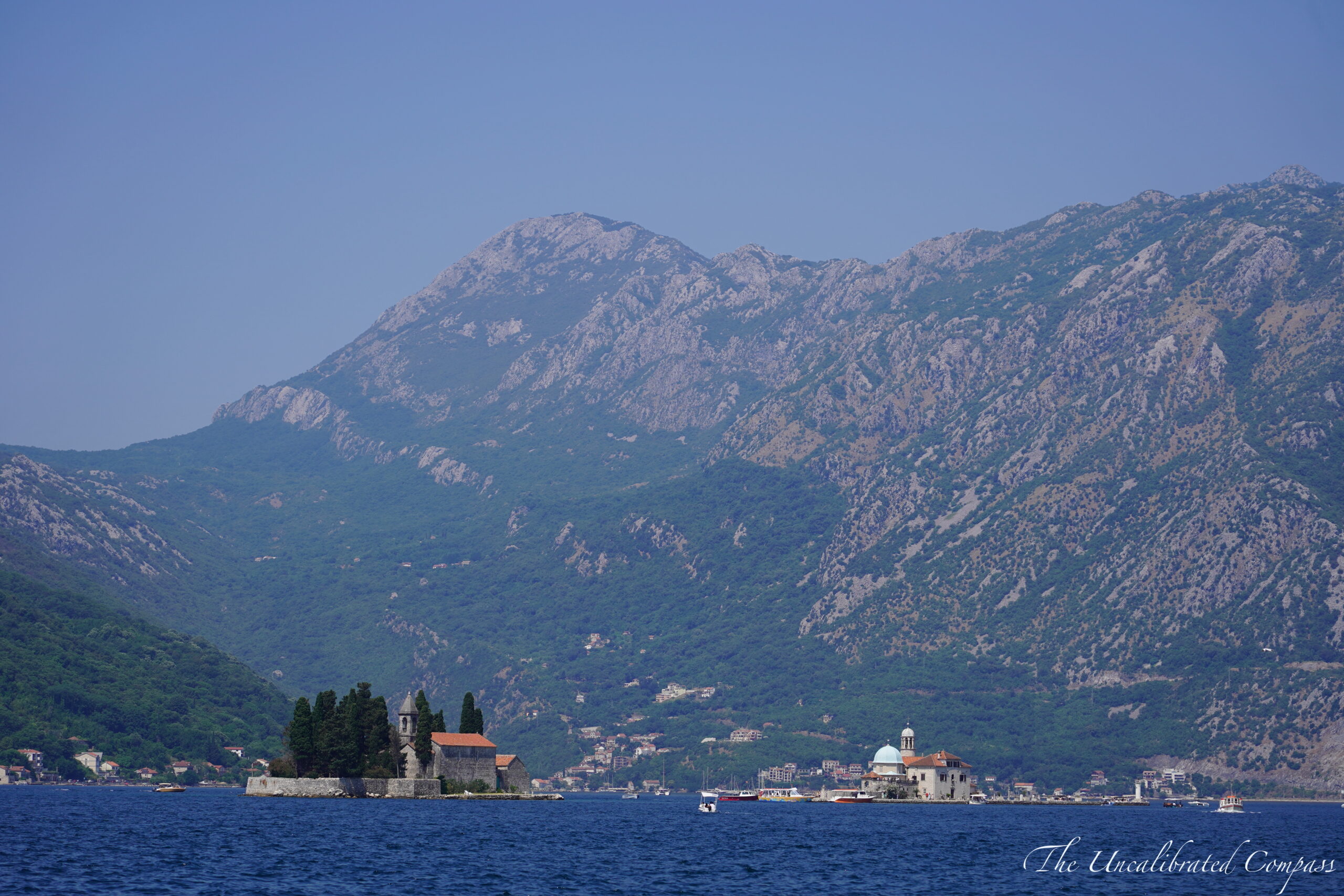
Islands of the Bay. Our Lady of the Rocks and Saint George viewed from the water. Perast, Montenegro.
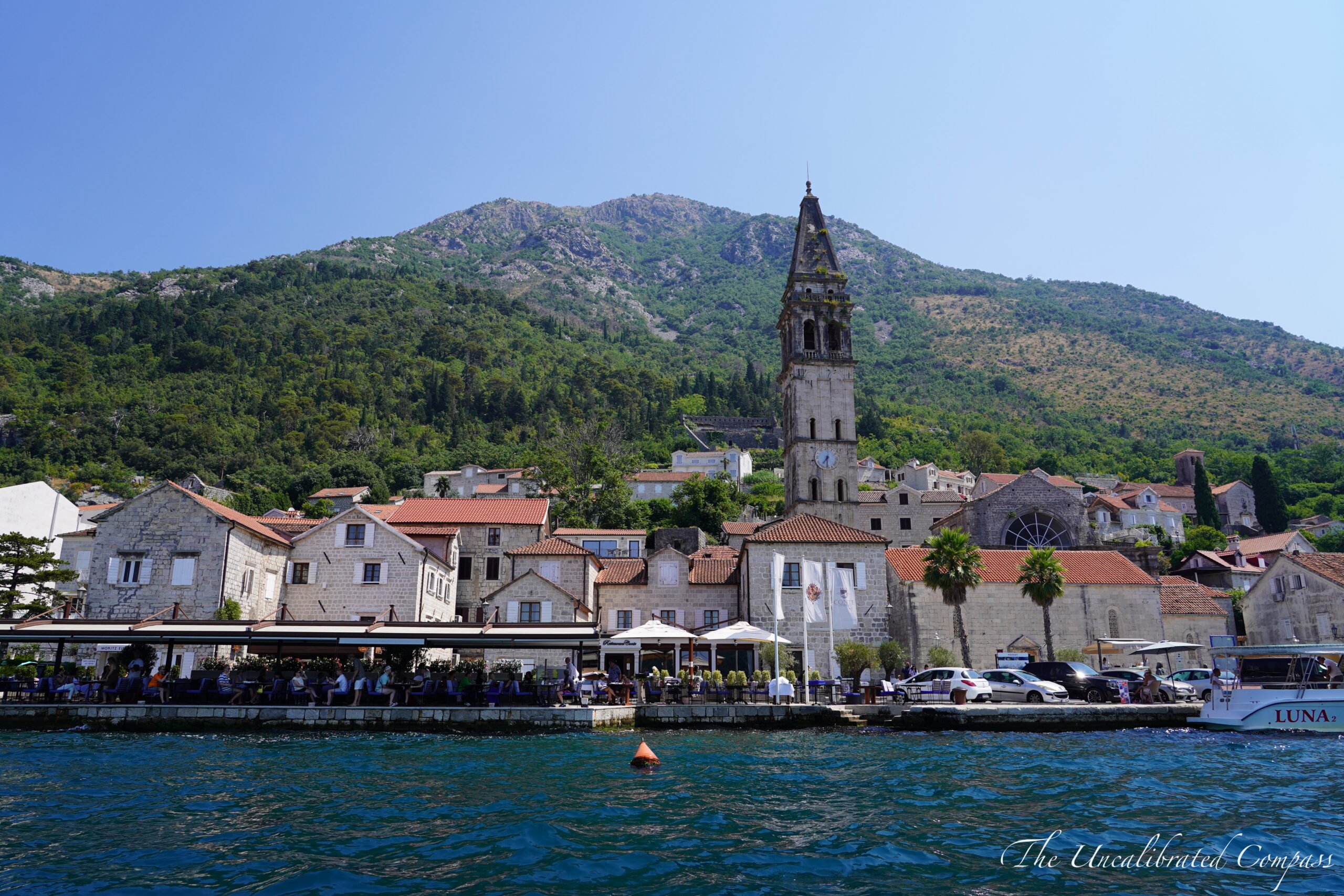
Stone and Spire. The historic waterfront of Perast, Montenegro, viewed from a small boat.
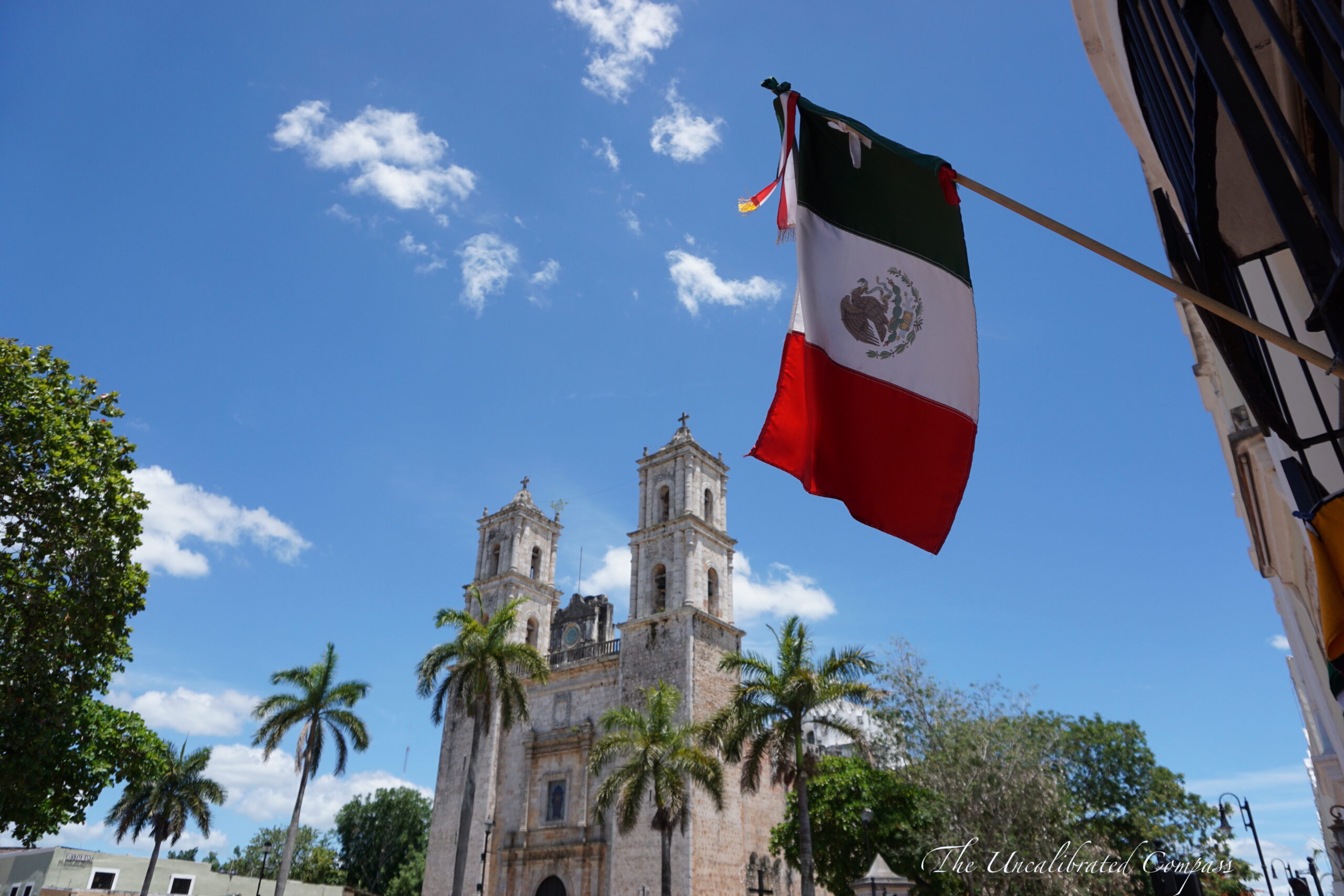
Tradition and Towers. The Iglesia de San Servacio through the lens of local life in Valladolid, Mexico.
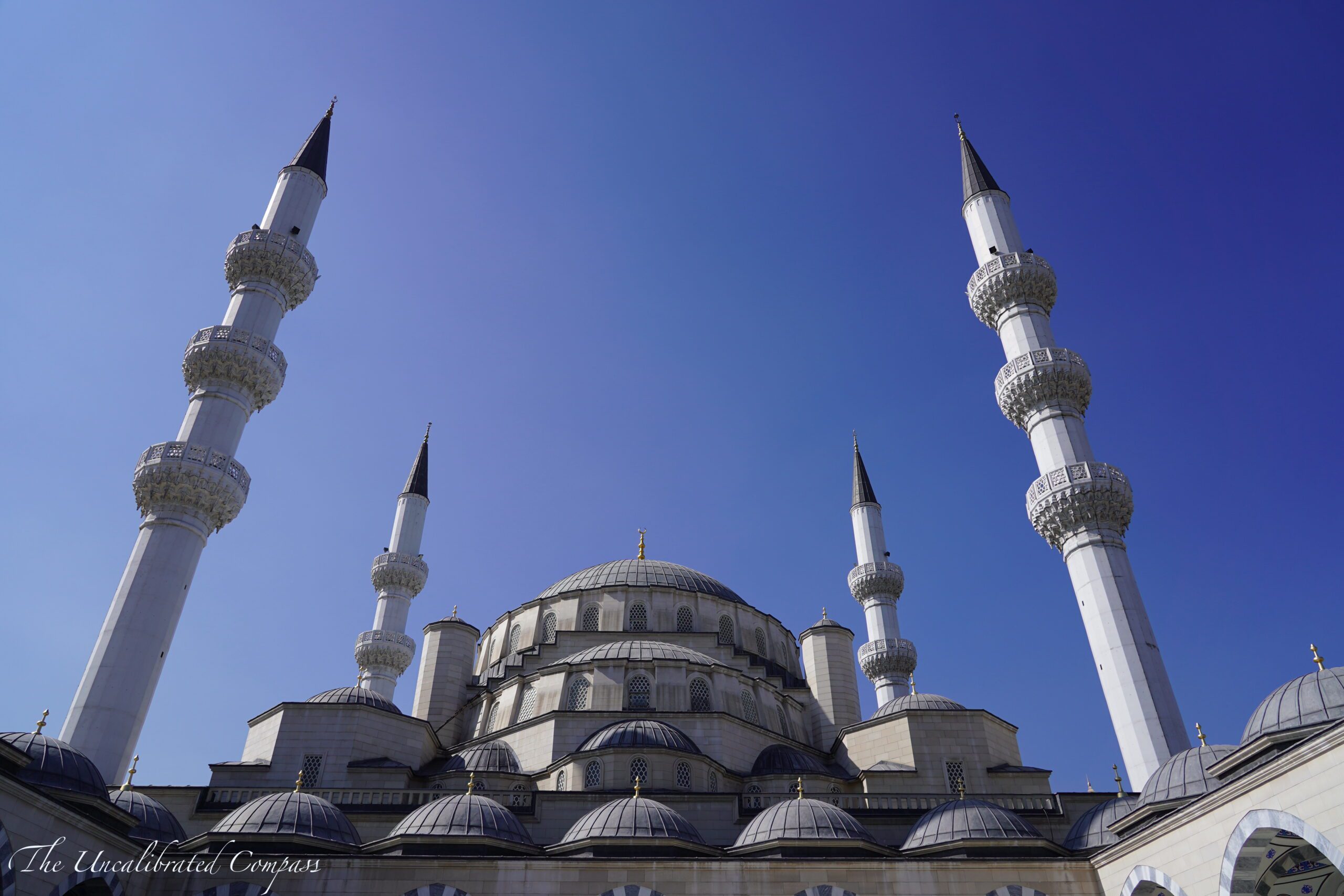
Ottoman Elegance in the Heart of Eurasia. The Bishkek Central Mosque is a stunning bridge between traditions. Its four pencil-shaped minarets and grand central dome bring the architectural language of Türkiye to the Kyrgyz capital, creating a space of immense scale and quiet beauty that resonates across the ancient trade routes. Bishkek, Kyrgyzstan.
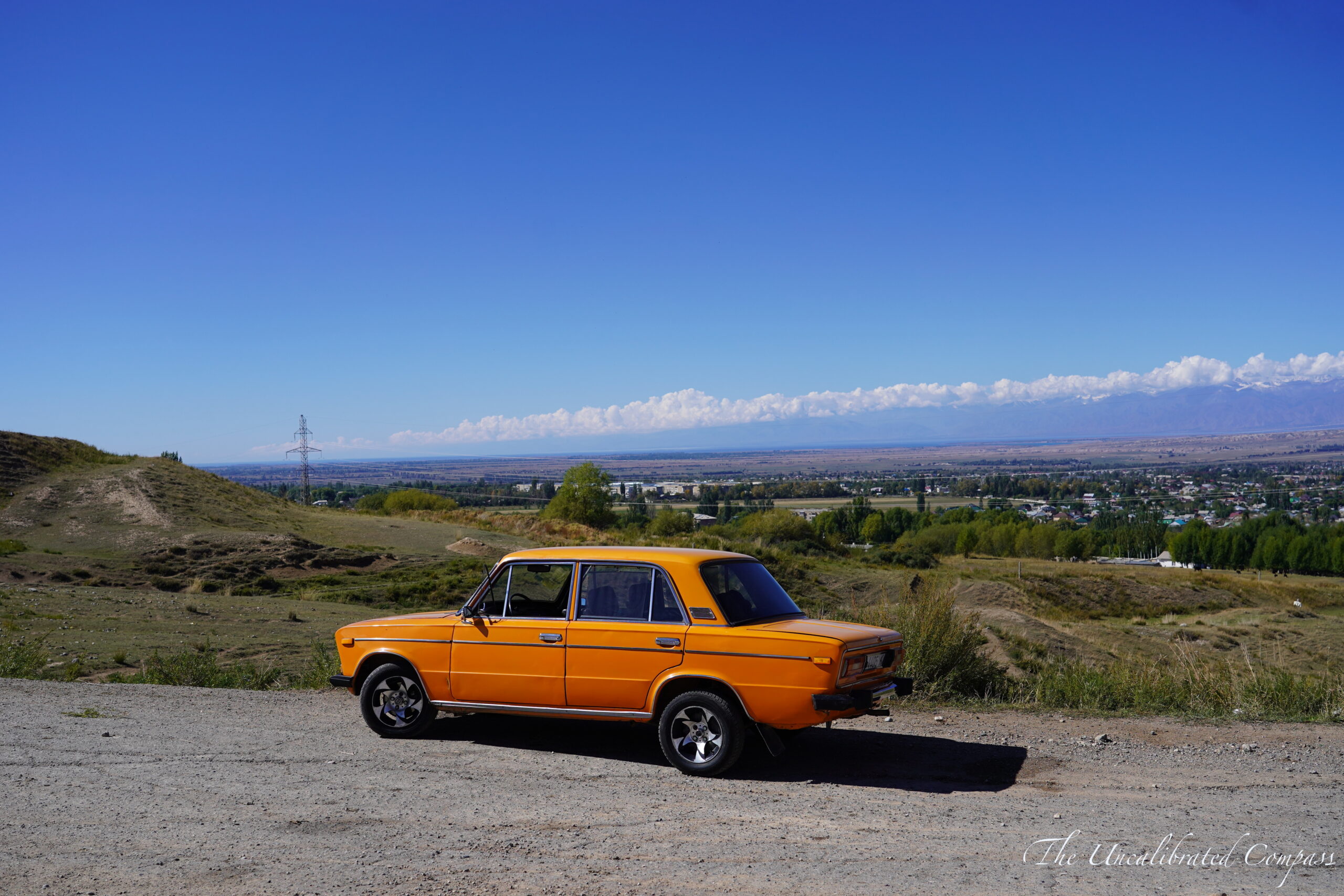
The Unkillable Lada. Across the vast landscapes of eastern Kyrgyzstan, these 40-year-old machines remain the workhorses of the mountains. Built for endurance and ease of repair, the Lada is a rolling piece of history, still carving its way through the dust and high passes of the old Silk Road. Karakol, Kyrgyzstan.
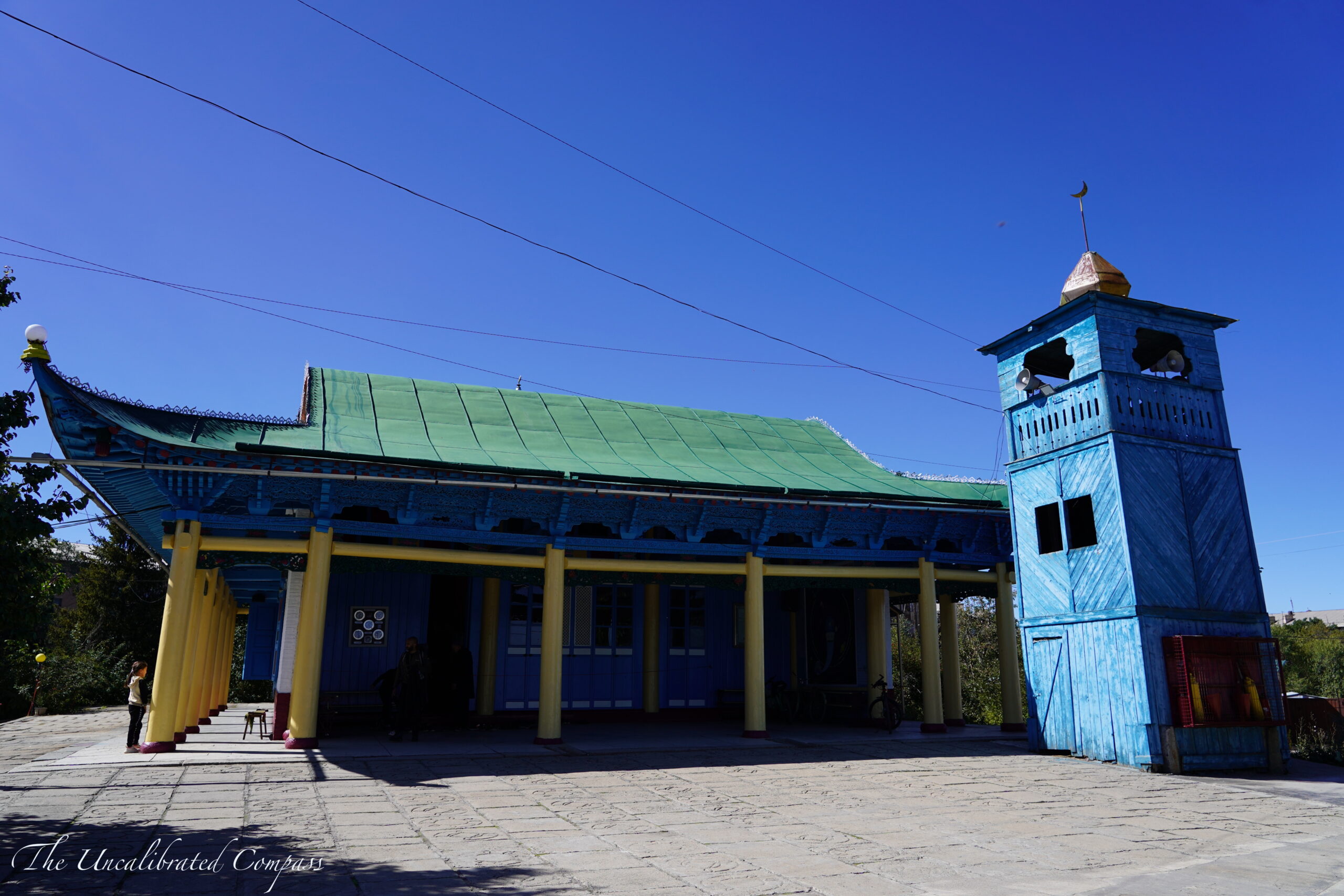
A Masterpiece of Wood and Faith. The Dungan Mosque in Karakol is a rare architectural hybrid. Built by Chinese artisans for the local Dungan community, it replaces traditional minarets and domes with curved eaves. Held together entirely by wooden joints, it stands as a 100-year-old testament to craftsmanship and cultural resilience. Karakol, Kyrgyzstan.
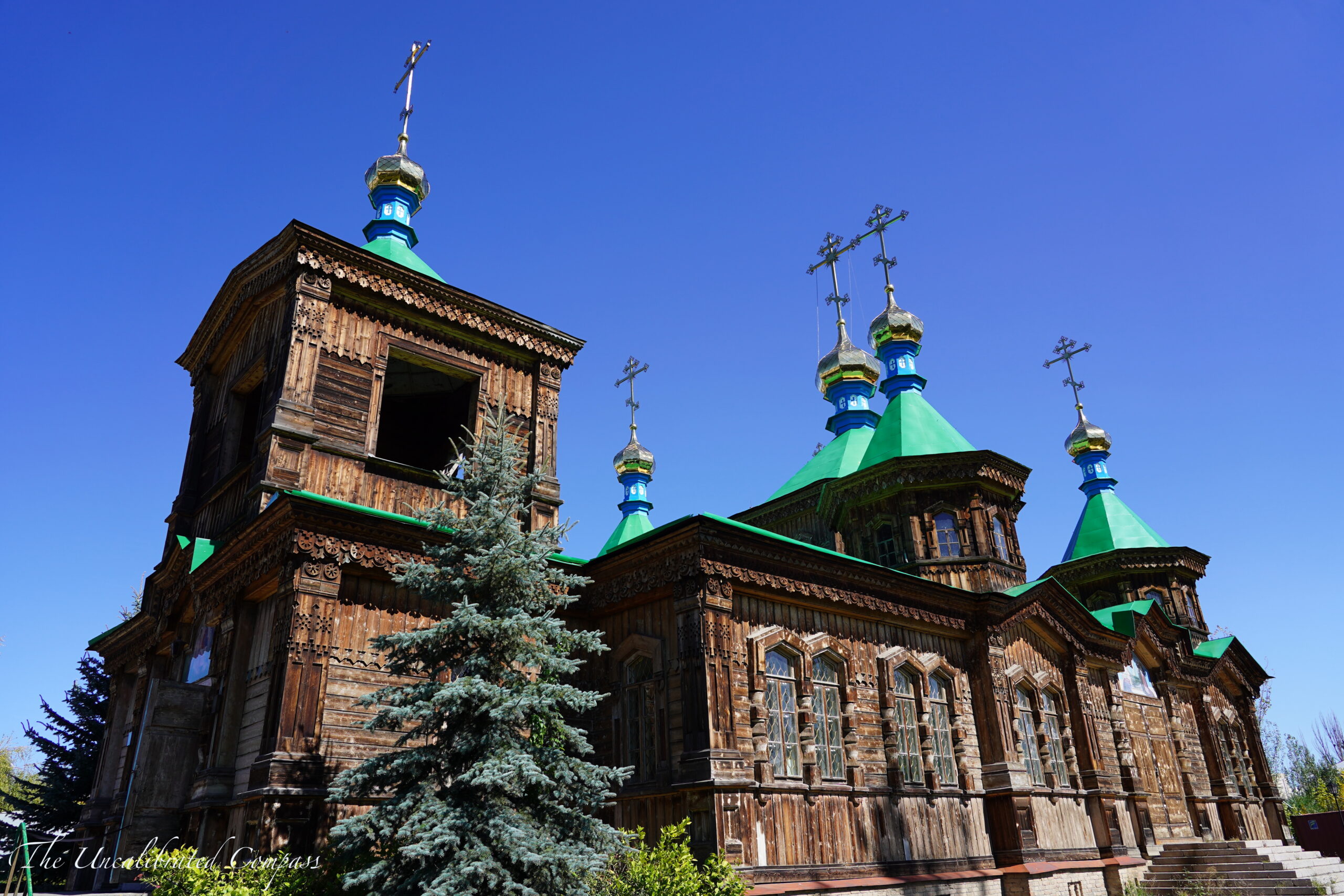
Emerald and Gold. The iconic wooden architecture of the Holy Trinity Cathedral. Karakol, Kyrgyzstan.
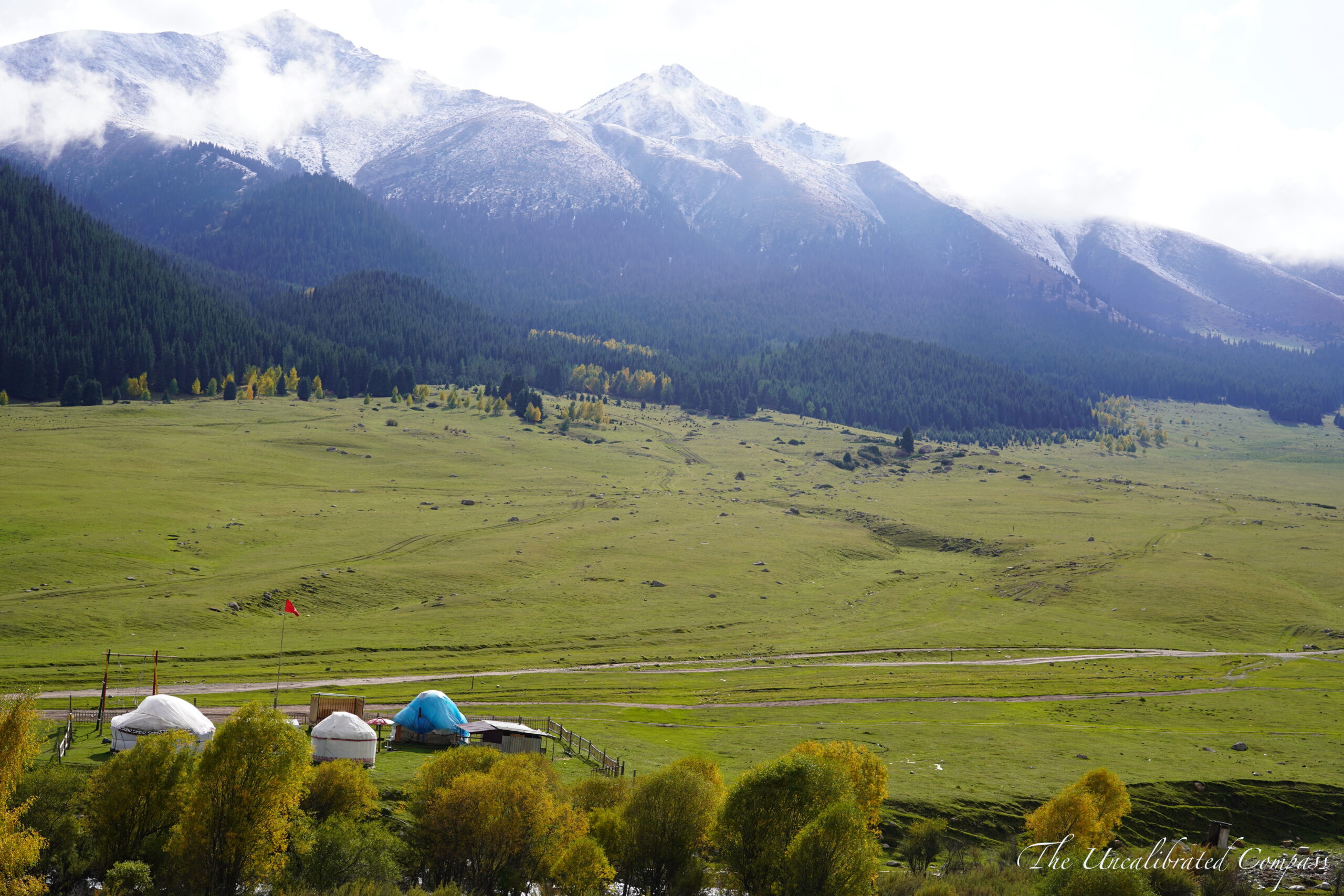
High Pastures. Nomadic yurts settled deep in a mountain valley, Kyrgyzstan.
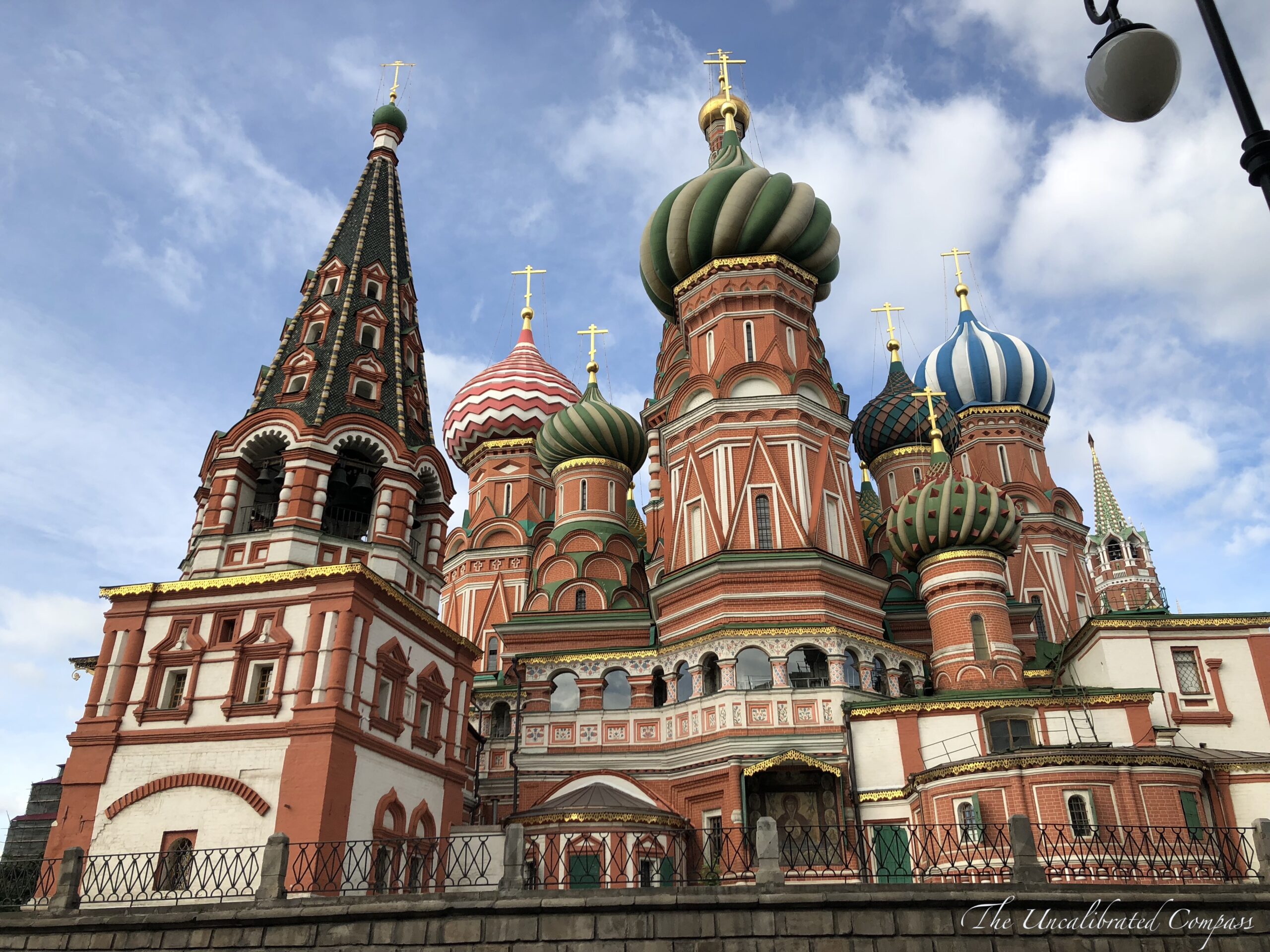
A Symphony of Domes. The iconic colorful spires of St. Basil’s Cathedral. Moscow, Russia.
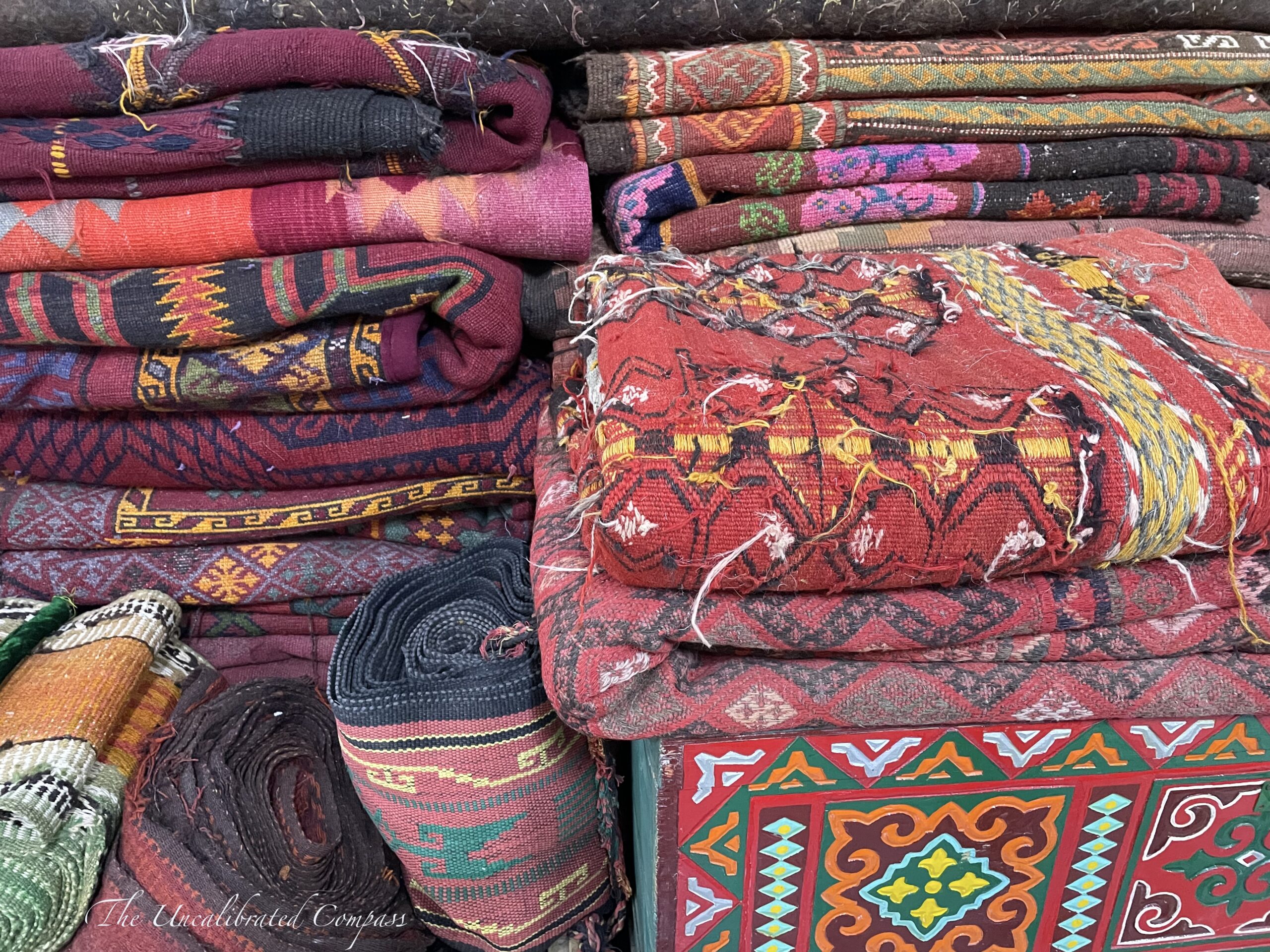
Vibrant textiles and traditional patterns in the bazaar of Almaty, Kazakhstan.
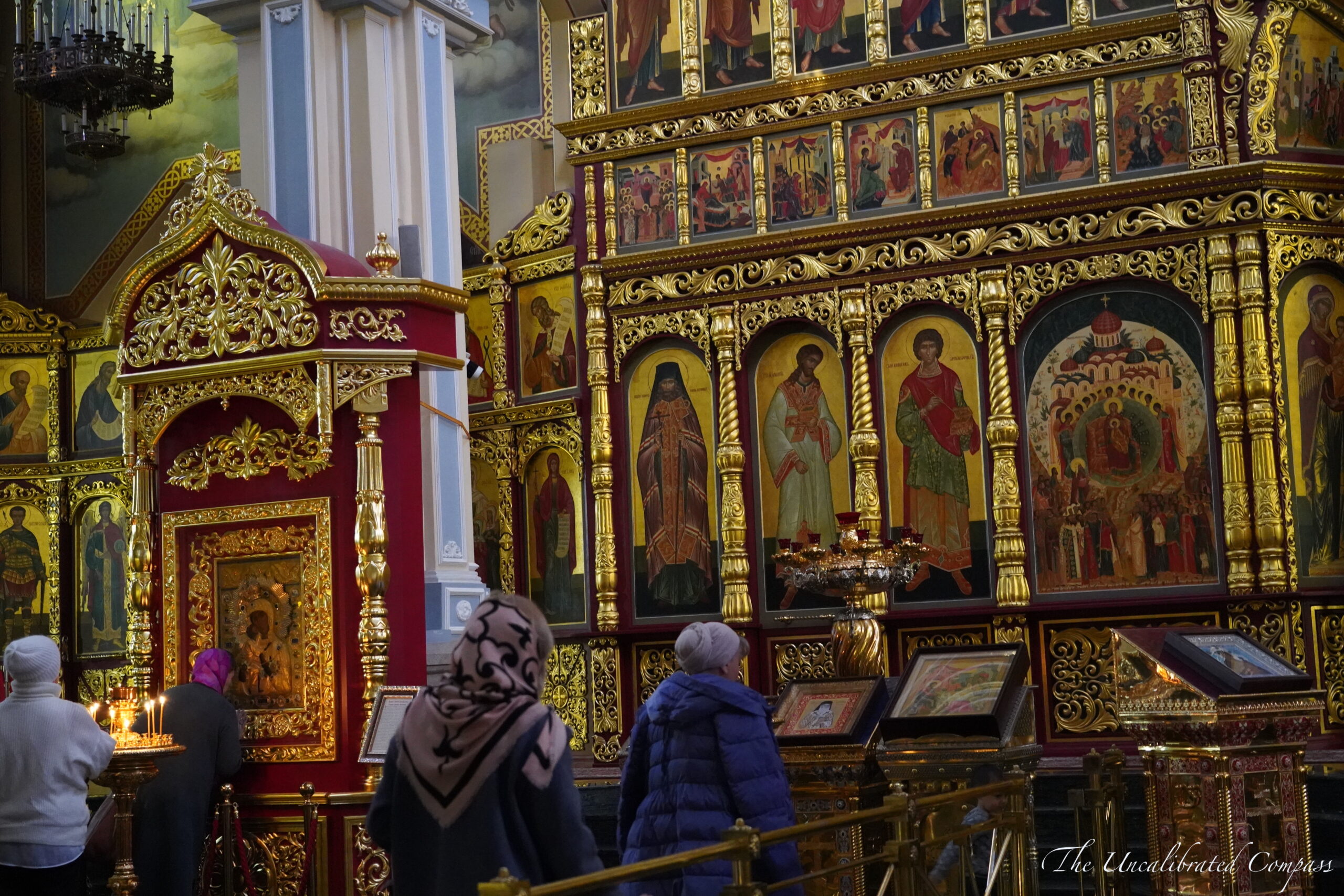
Light and Devotion. The magnificent interior of the Ascension Cathedral. Almaty, Kazakhstan.
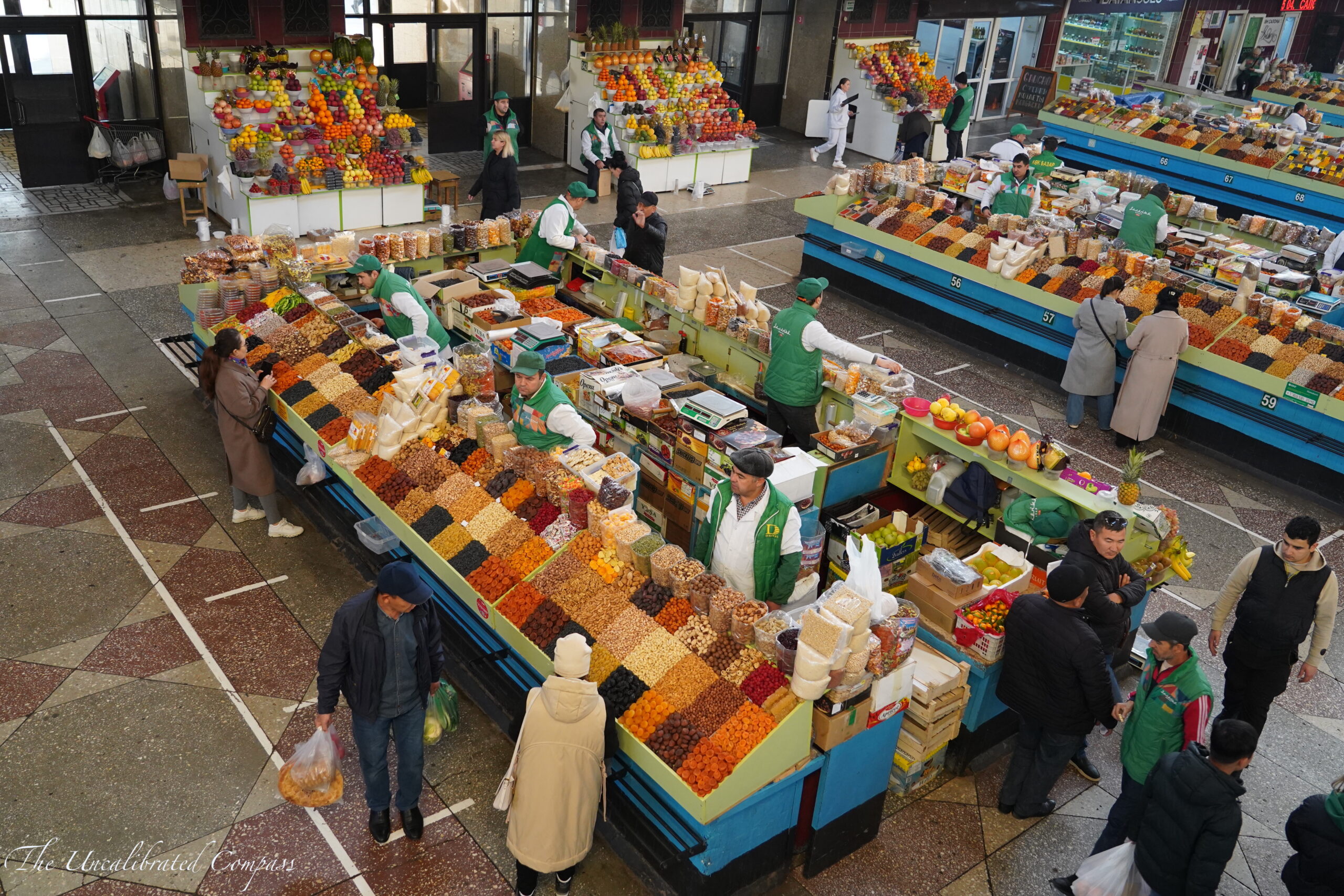
The Bounty of the Steppe. In the heart of the Green Bazaar, the dried fruit stalls are a kaleidoscope of Central Asian agriculture. From deep purple raisins to bright orange apricots, these displays are more than just food—they are a legacy of the Silk Road’s trade, perfectly preserved in the mountain air of Almaty, Kazakhstan.
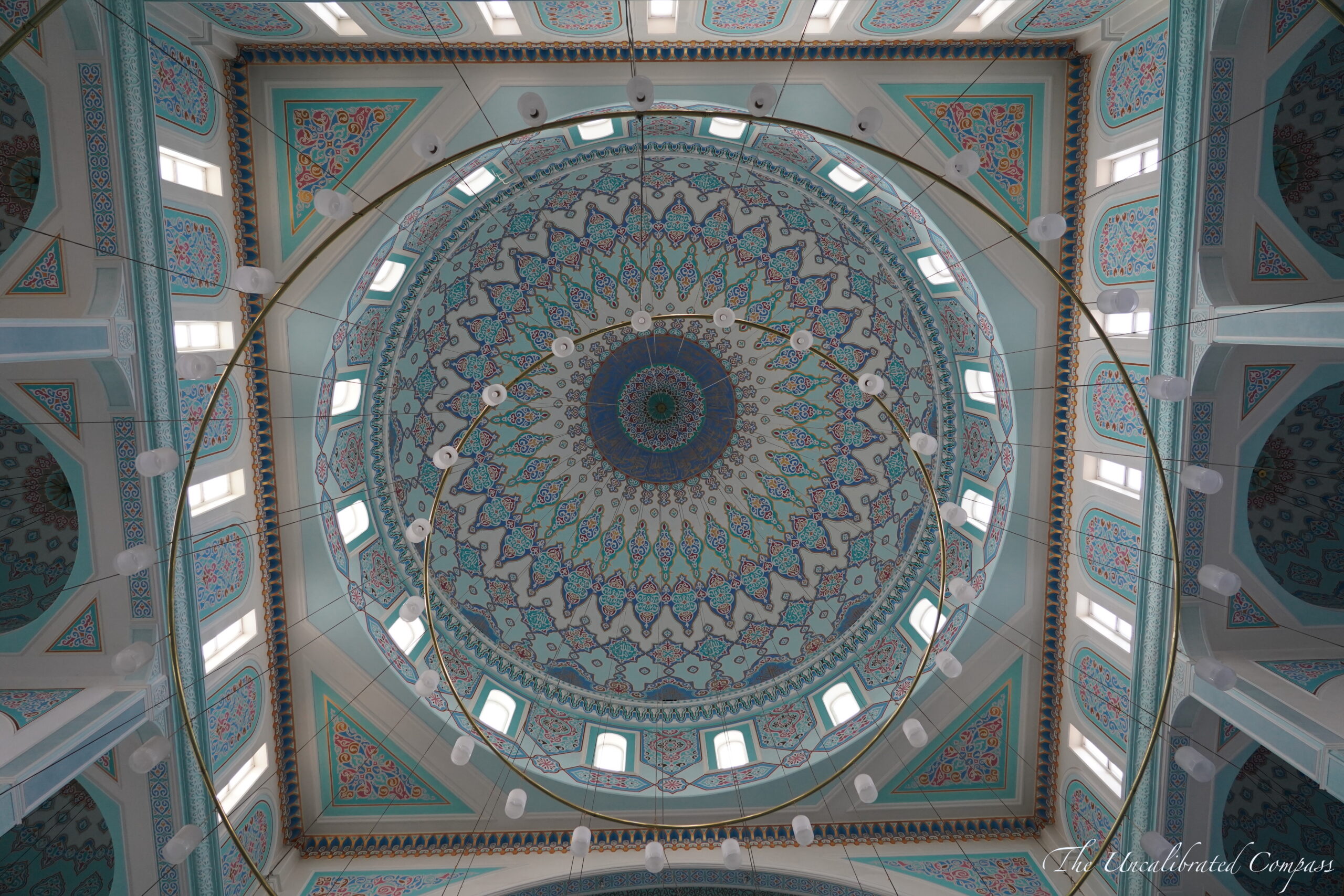
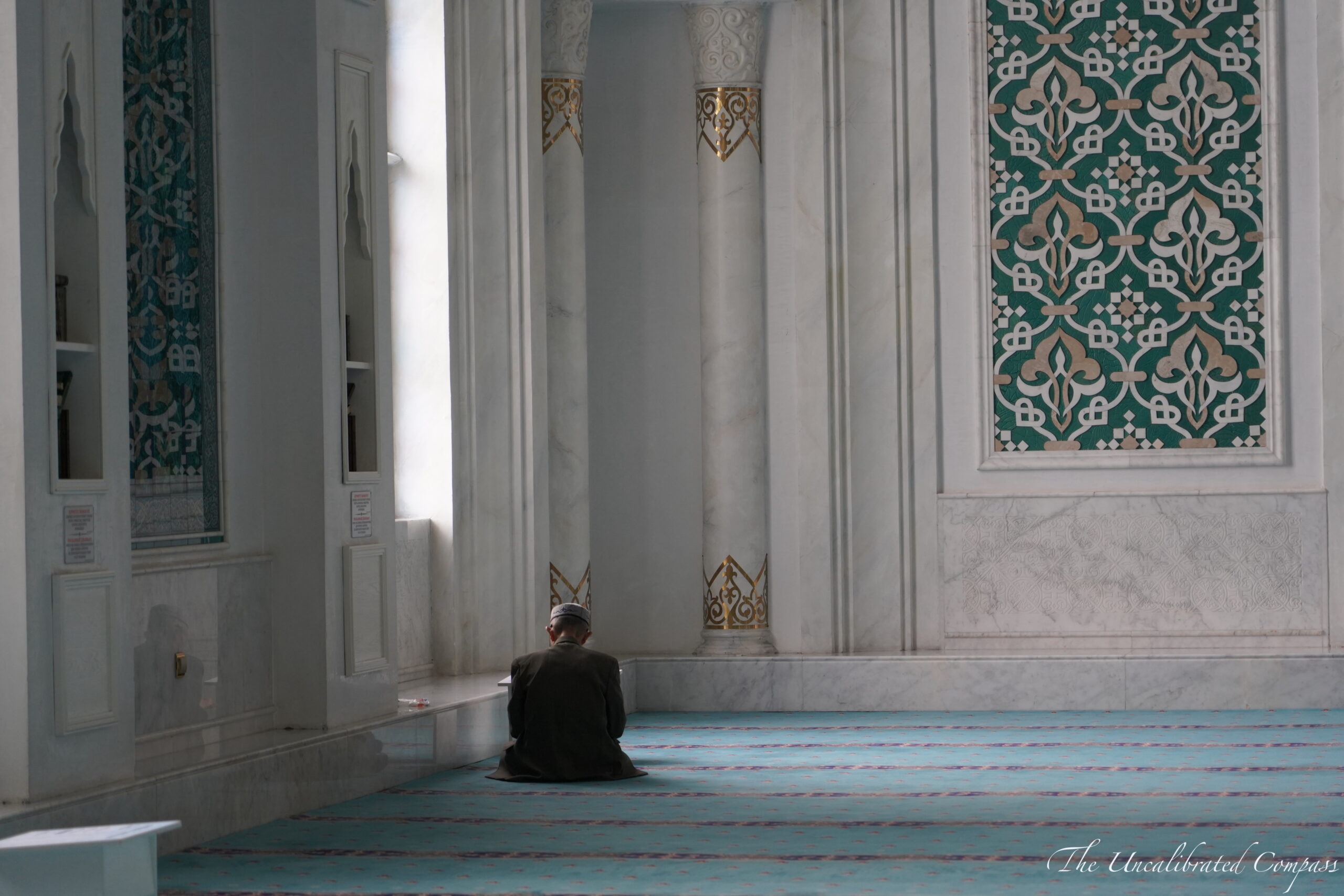
The intricate interior dome of the Hazrat Sultan Mosque, Astana.
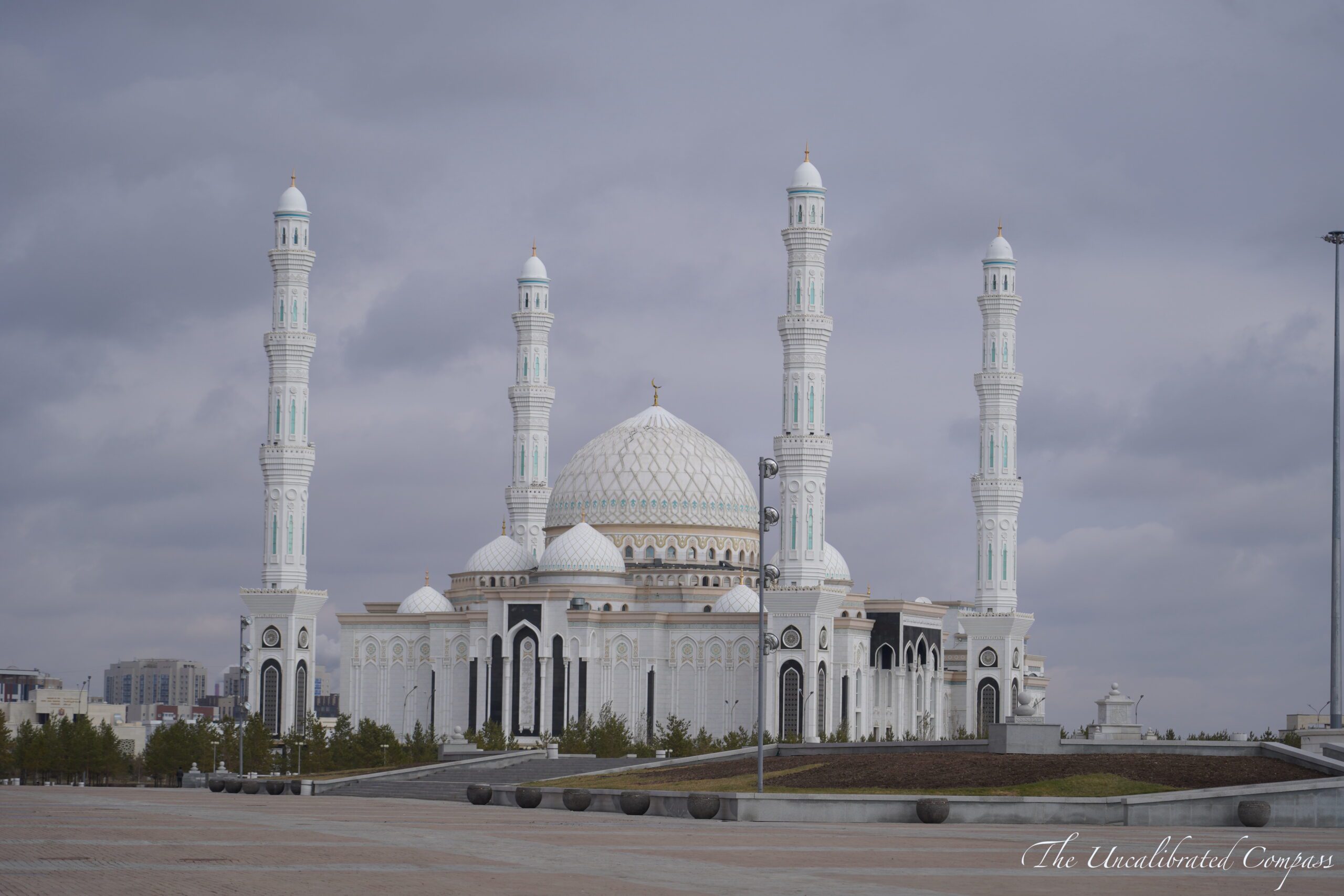
The Hazrat Sultan Mosque is a marvel of scale and light. Its four tall minarets and massive central dome are draped in white marble, creating a pristine, ethereal presence that anchors the grand scale of the Kazakh capital. It is a modern monument built with an ancient soul. Astana, Kazakhstan.
Inner Stillness. A moment of quiet prayer within the Hazrat Sultan Mosque, Astana.
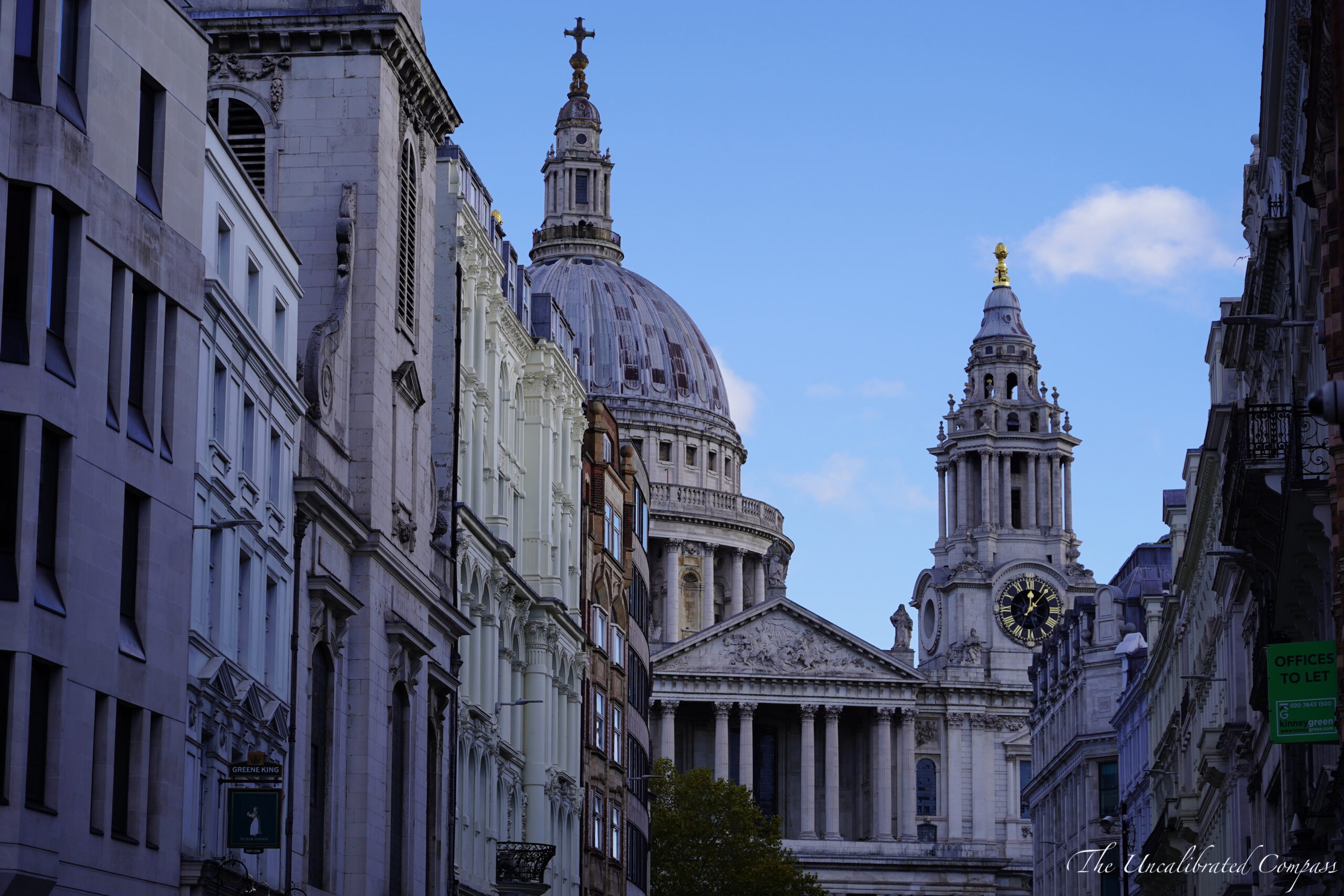
Corridor to the Dome. St. Paul’s Cathedral rising above the streets of London. London, England.
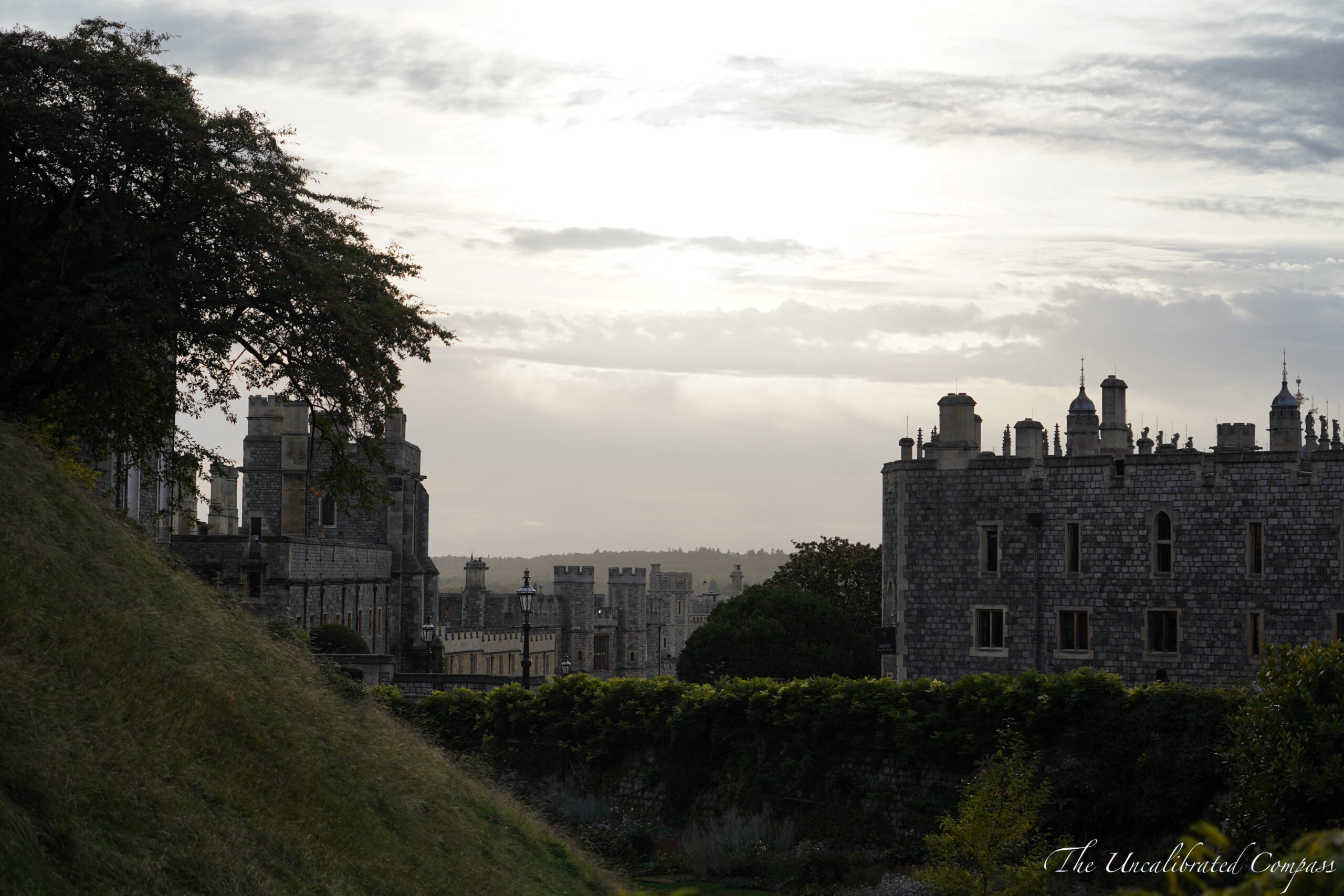
The Royal Bastion. The historic towers and battlements of Windsor Castle, England.
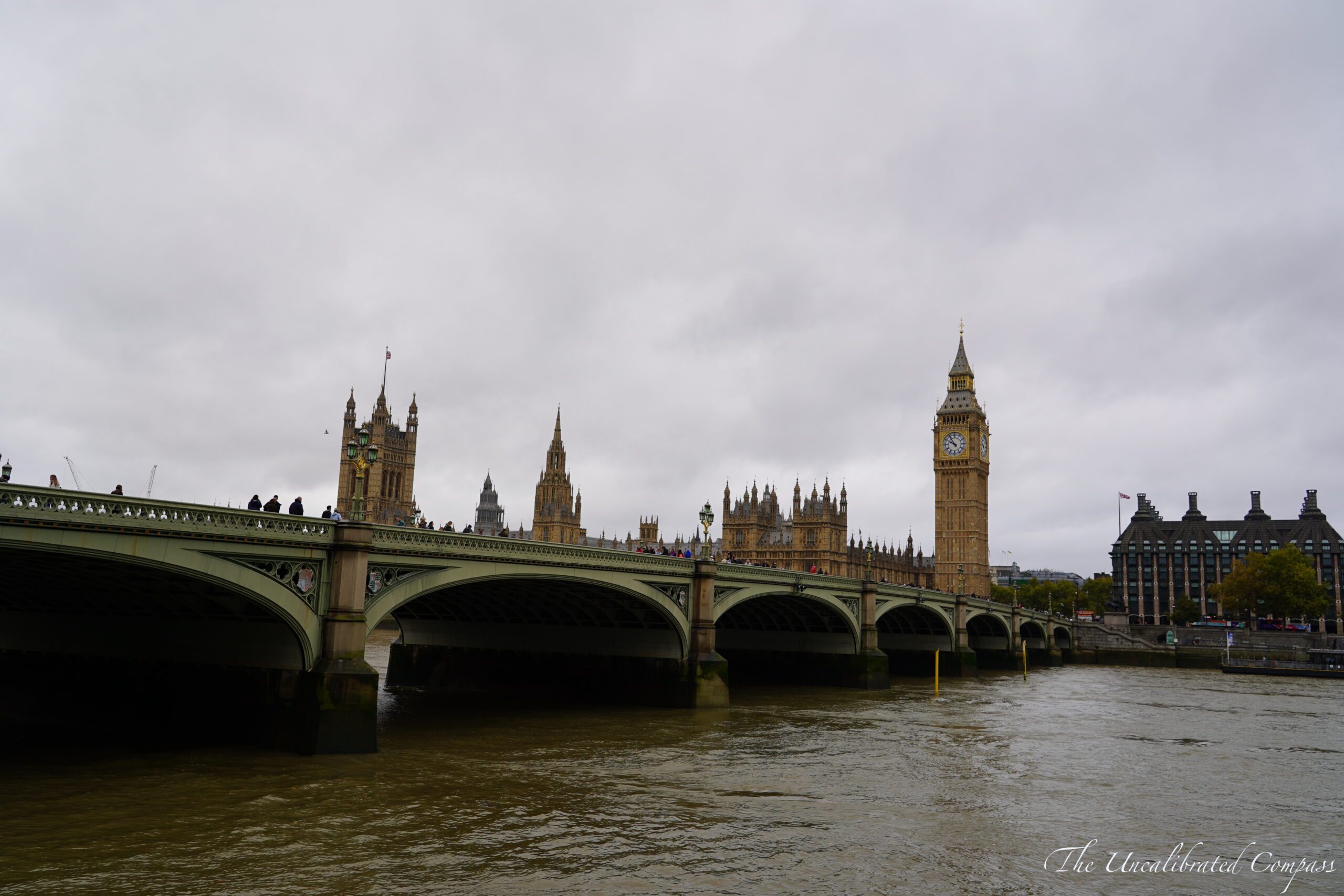
London’s Landmark. The Big Ben stands behind the Westminster Bridge.
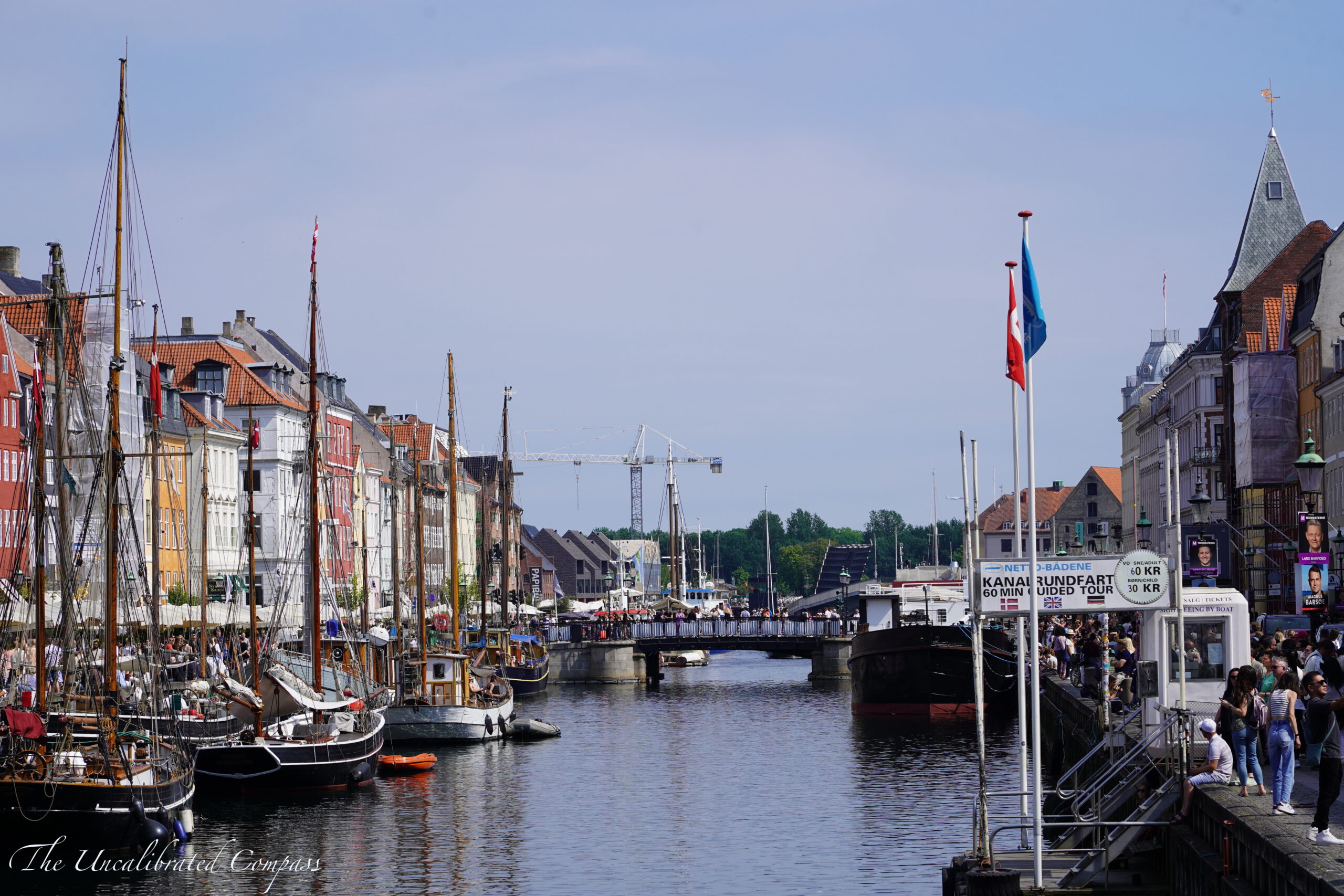
A Harbor of History. Once a busy commercial port where ships from across the world would dock, Nyhavn has transformed into the city’s most recognizable social hub. The facade of sun-washed yellows, deep reds, and vibrant blues serves as a brilliant backdrop to the vintage boats that still line the canal, preserving the legacy of Copenhagen’s seafaring past. Copenhagen, Denmark.
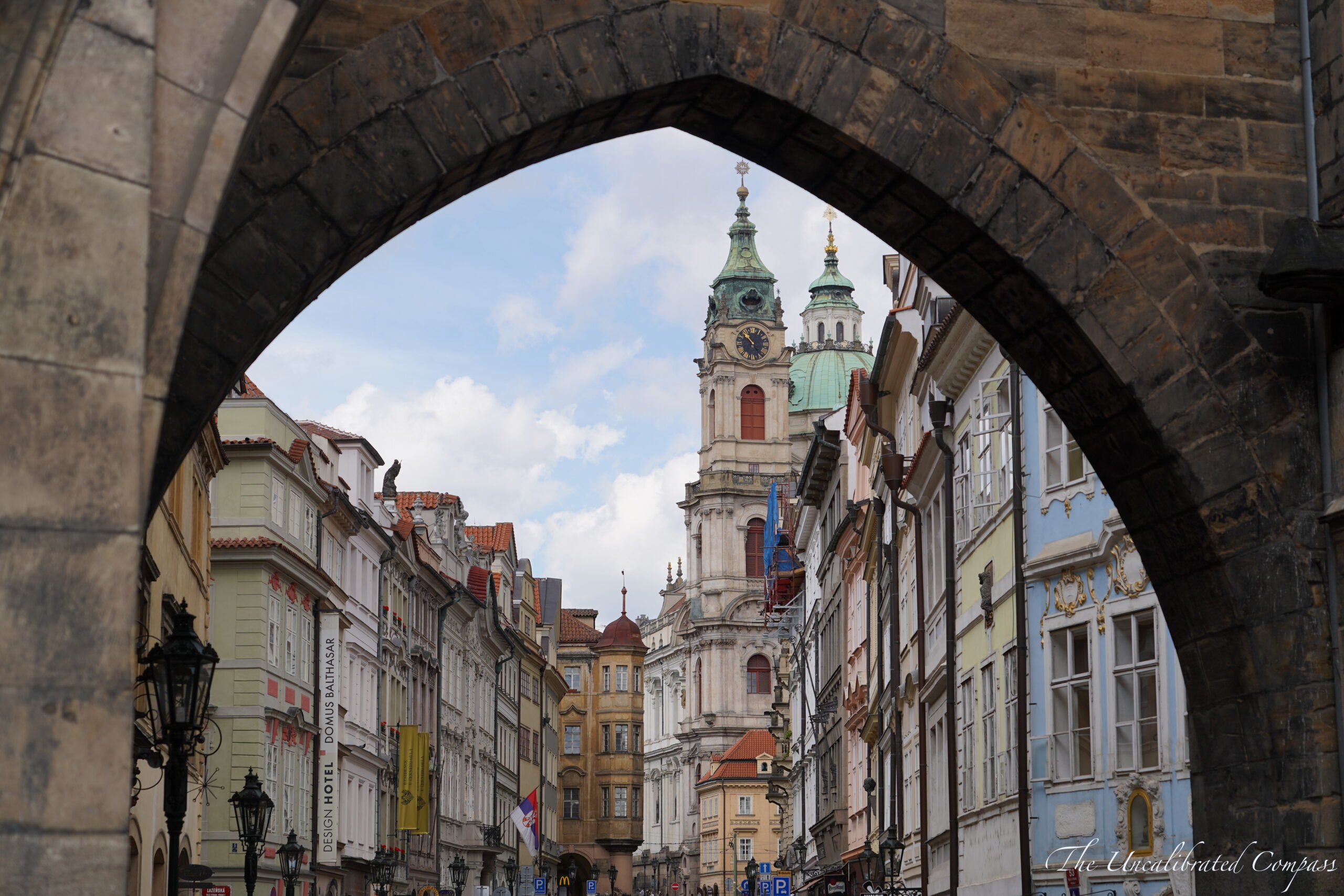
A Portal Through Time. Standing beneath the dark, weathered stone of the Old Town Bridge Tower, the view of Malá Strana feels like a glimpse into the 14th century. The archway serves as a natural frame, highlighting the transition from the dense Old Town to the graceful, sprawling slopes of the castle district across the Vltava. Prague, Czechia.
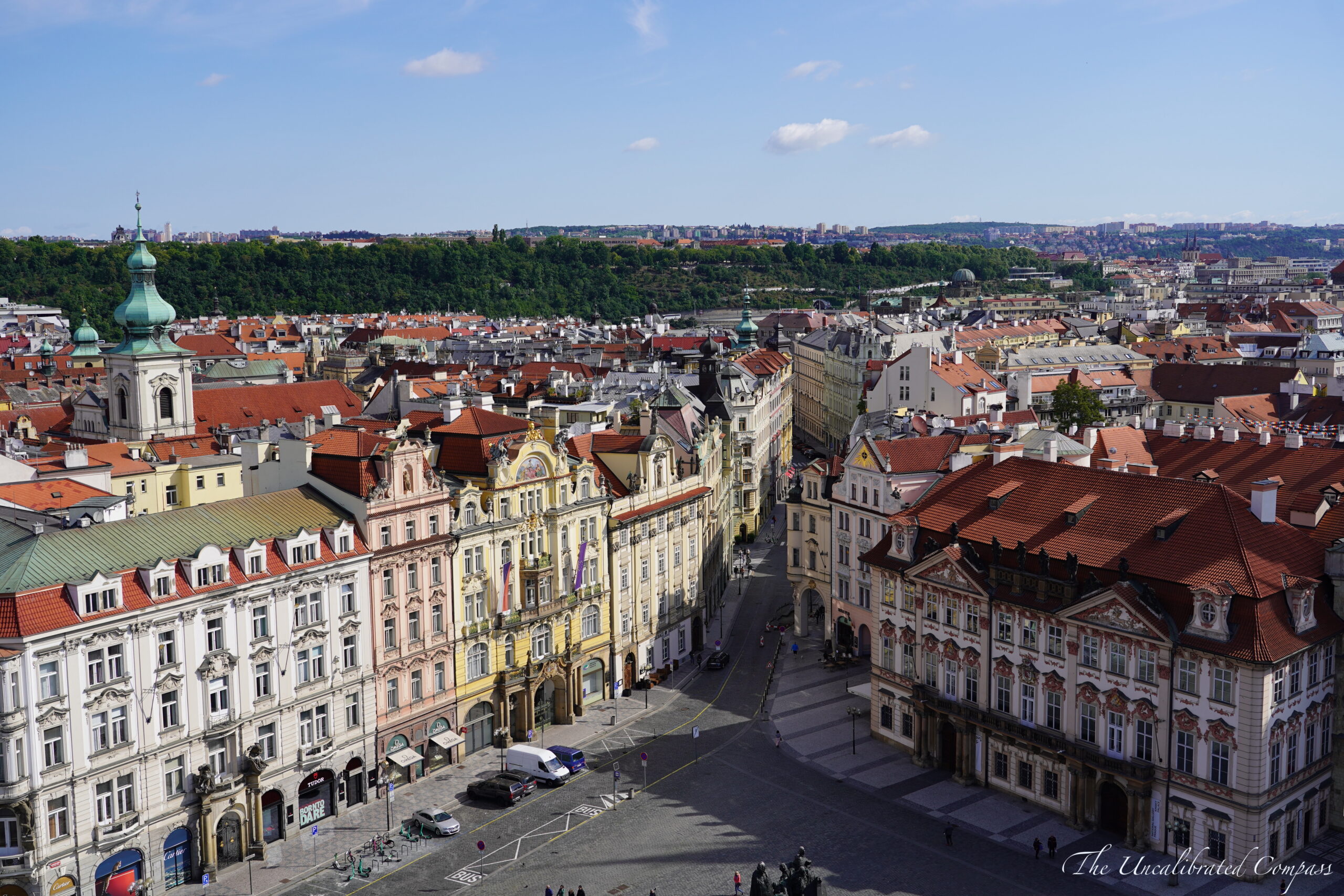
Square from the Sky. Looking down on the Old Town Square. Prague, Czechia.
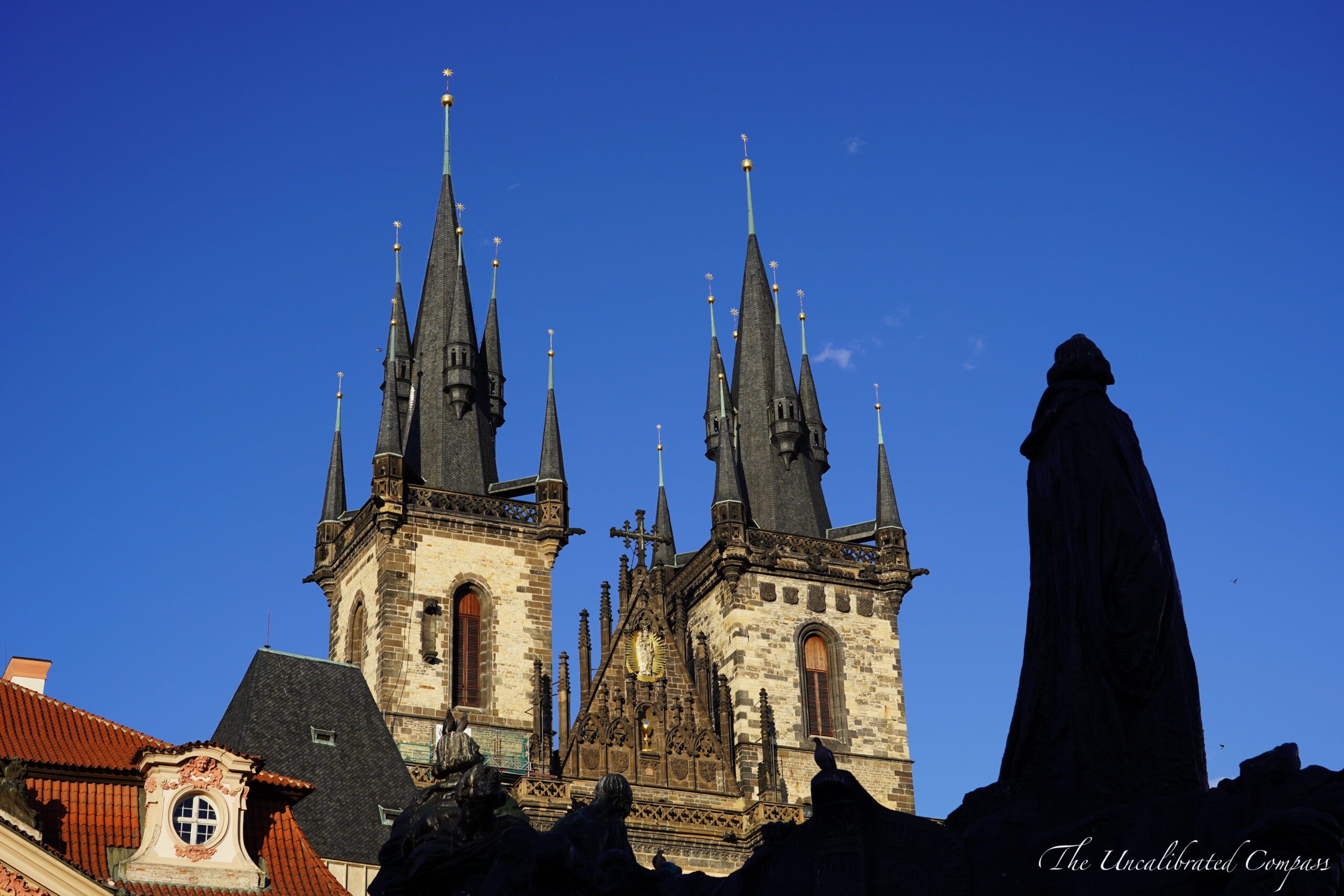
Spires of the Týn. The iconic Gothic towers rising above Old Town Square, Prague. Church of our Lady before Tyn. Prague, Czechia.
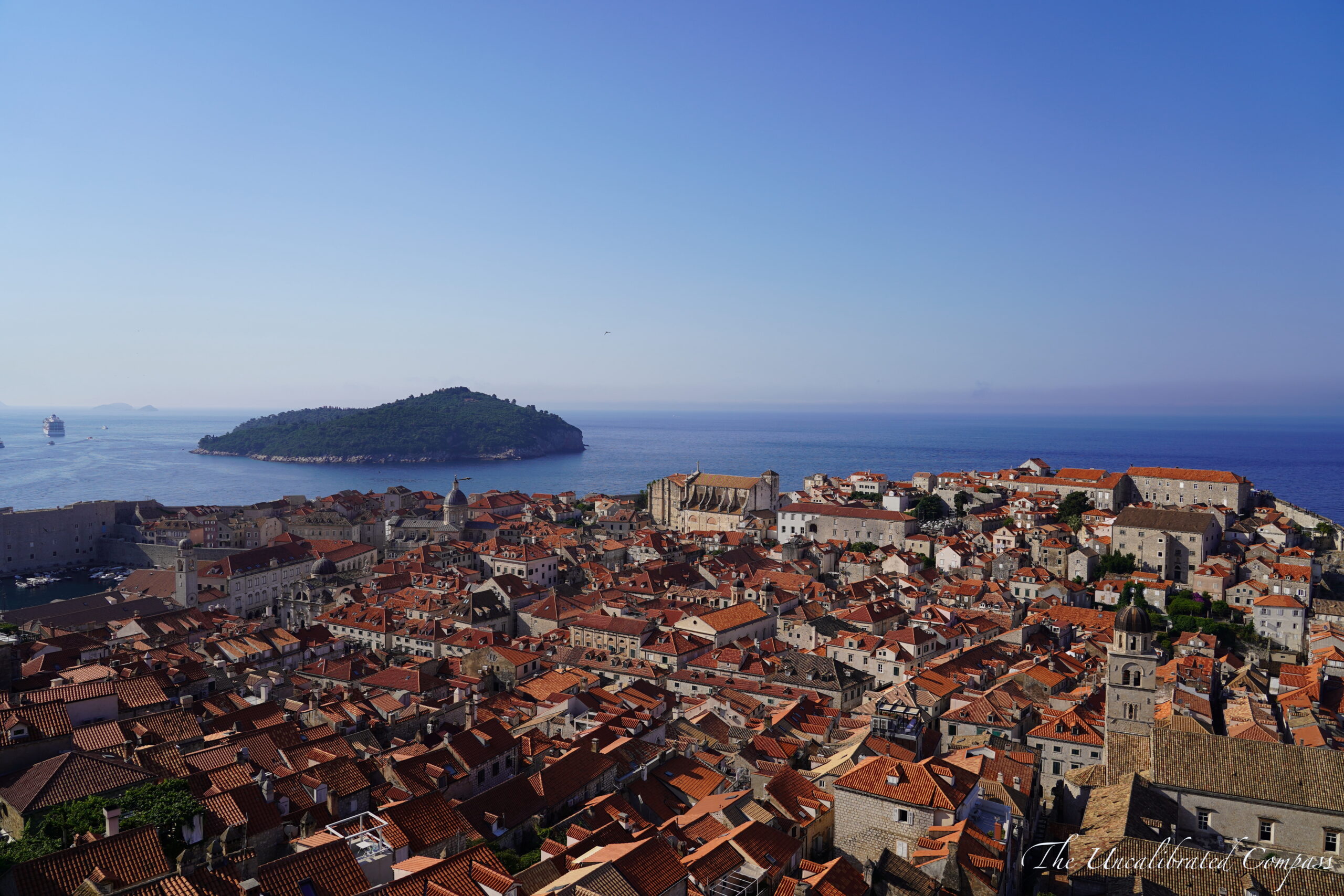
The Edge of the Adriatic. From the massive limestone walls, the defensive genius of Dubrovnik becomes clear. The city sits anchored between the rugged Balkan coastline and the open sea, with Lokrum Island standing as a natural sentinel just offshore. It is a view that encompasses a thousand years of maritime history and survival. Dubrovnik, Croatia.
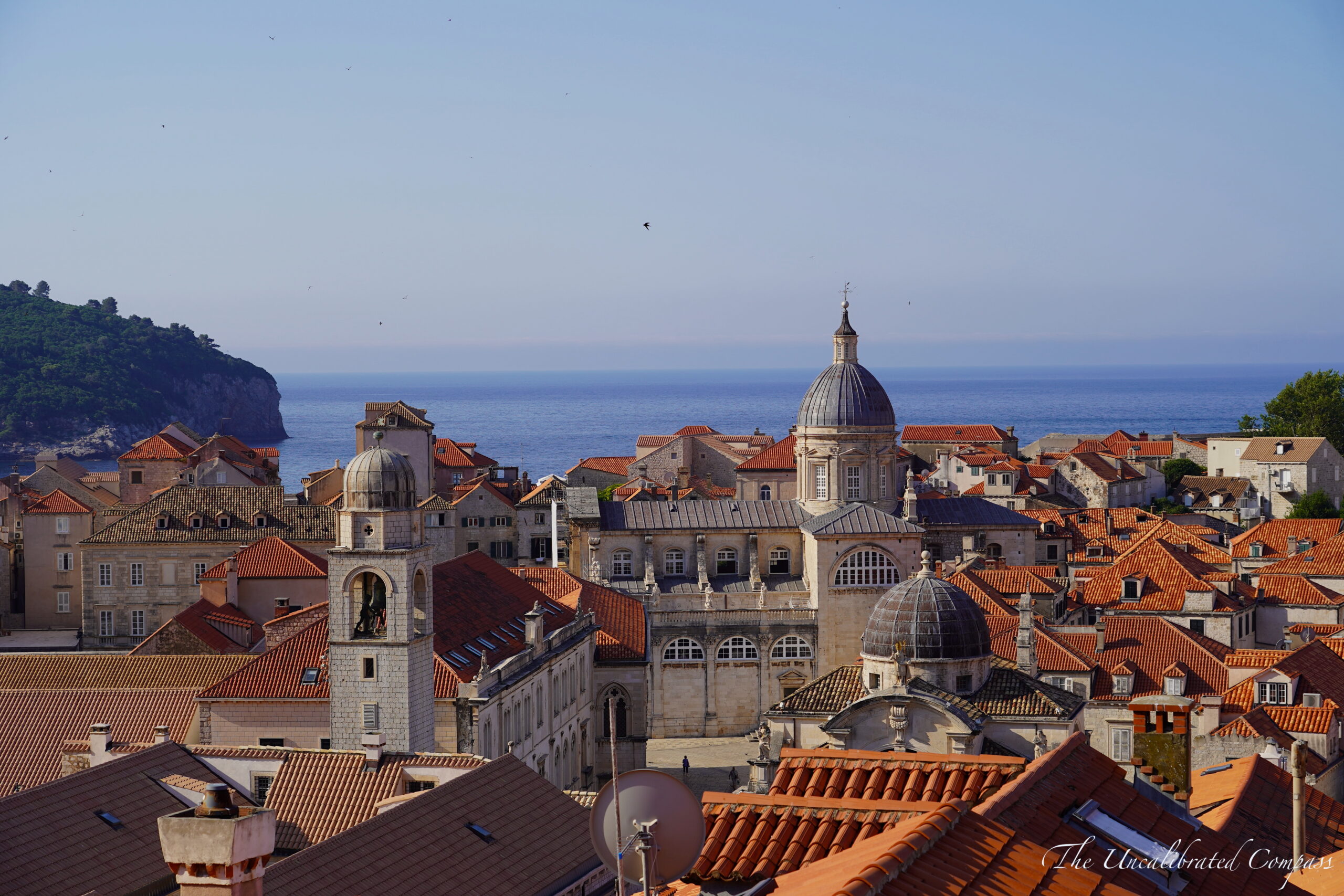
A City of Spires and Sea. From the elevated walkway of the stone walls, the intricate geometry of Dubrovnik’s religious heart is revealed. The grey-blue domes of the cathedrals provide a sophisticated contrast to the vibrant orange rooftops, marking the skyline of a city that has balanced faith, trade, and defense for centuries. Dubrovnik, Croatia.
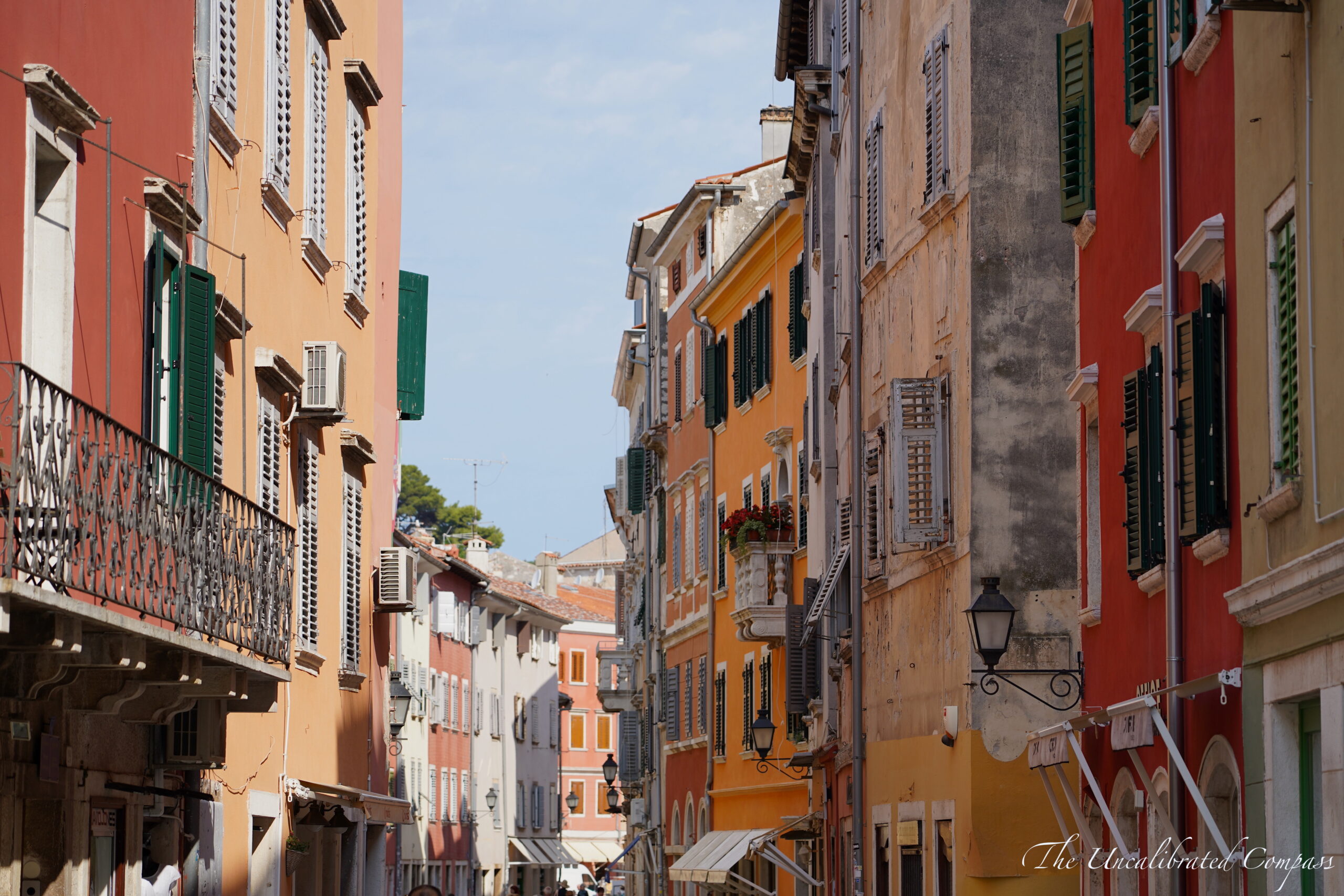
Canyon of Color. A narrow, historic street in the heart of Rovinj, Croatia.
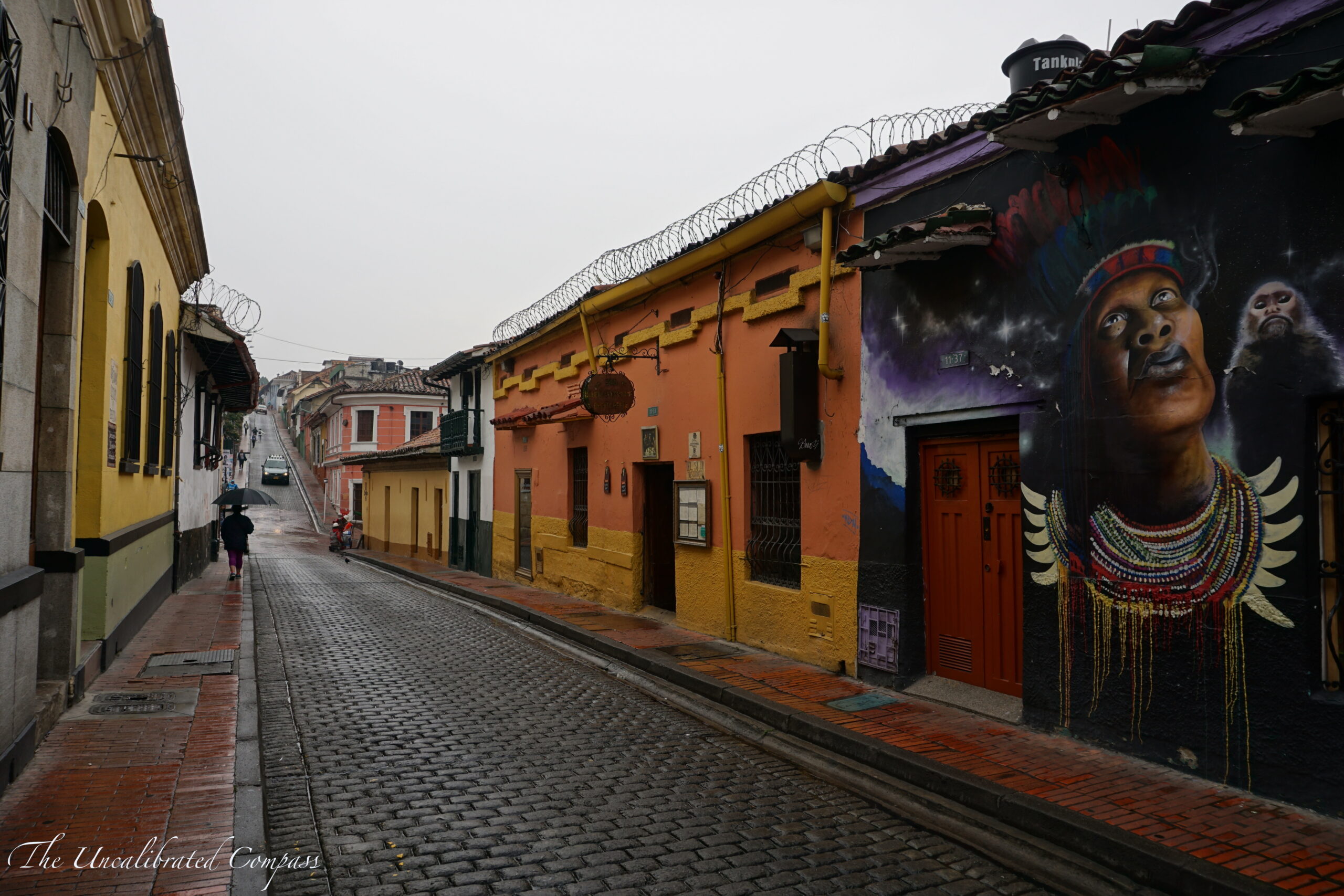
Finding the rhythm of the heights. There is no calibrating the sudden bursts of color in this Andean capital. Walking through the steep, narrow alleys of the old city, you’re caught between the deep earth tones of the past and the vivid spray-paint of the present. It’s a moment of cinematic contrast, where the mountain air meets the creative pulse of the city. Bogota, Colombia.
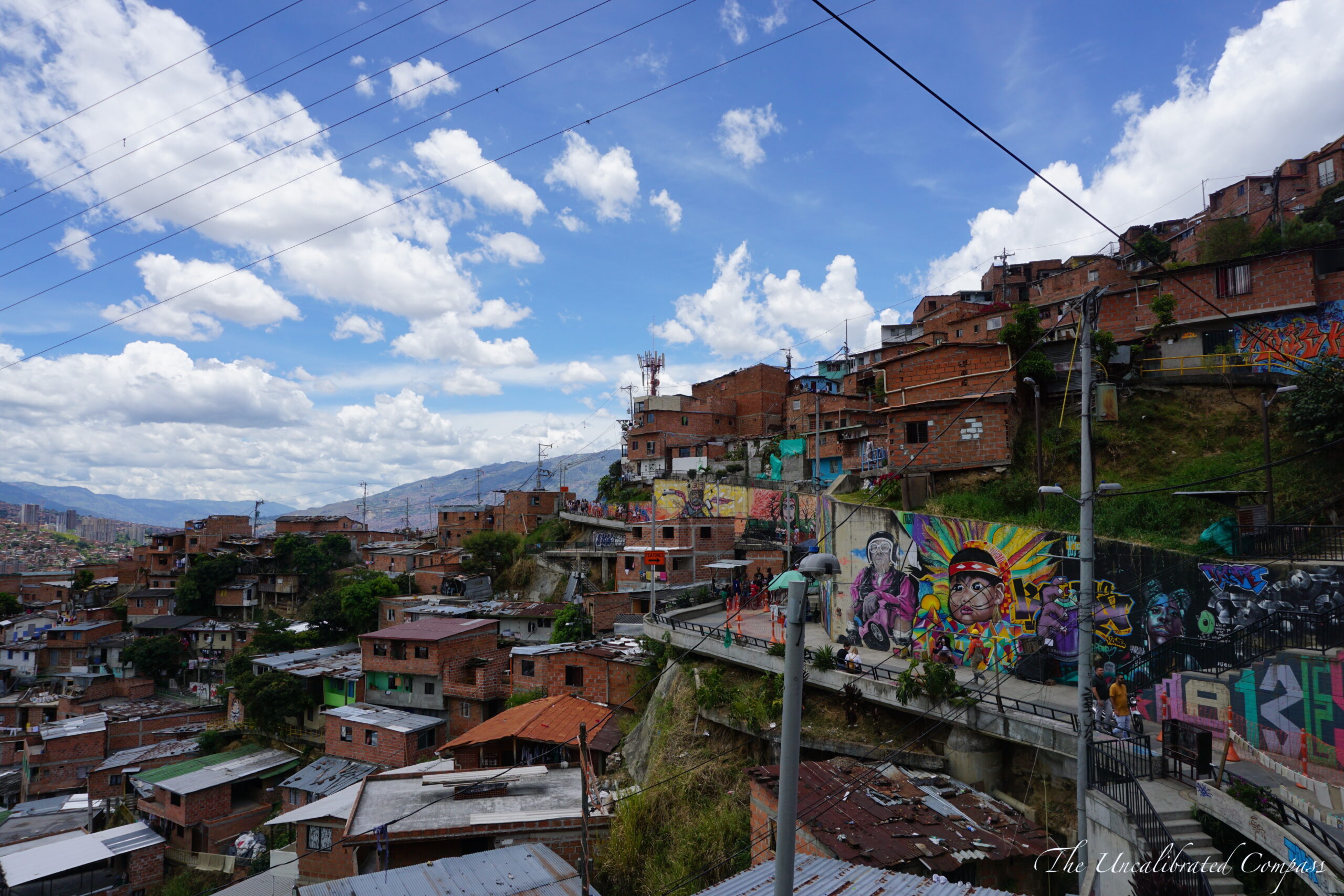
The Colors of Resilience. Once known for its turbulent history, Comuna 13 has reinvented itself through art and social innovation. The intricate graffiti that winds through the hillside is more than decoration; it is a profound expression of hope and identity, turning these steep stairways into one of the world’s most significant open-air galleries. Medellin, Colombia.
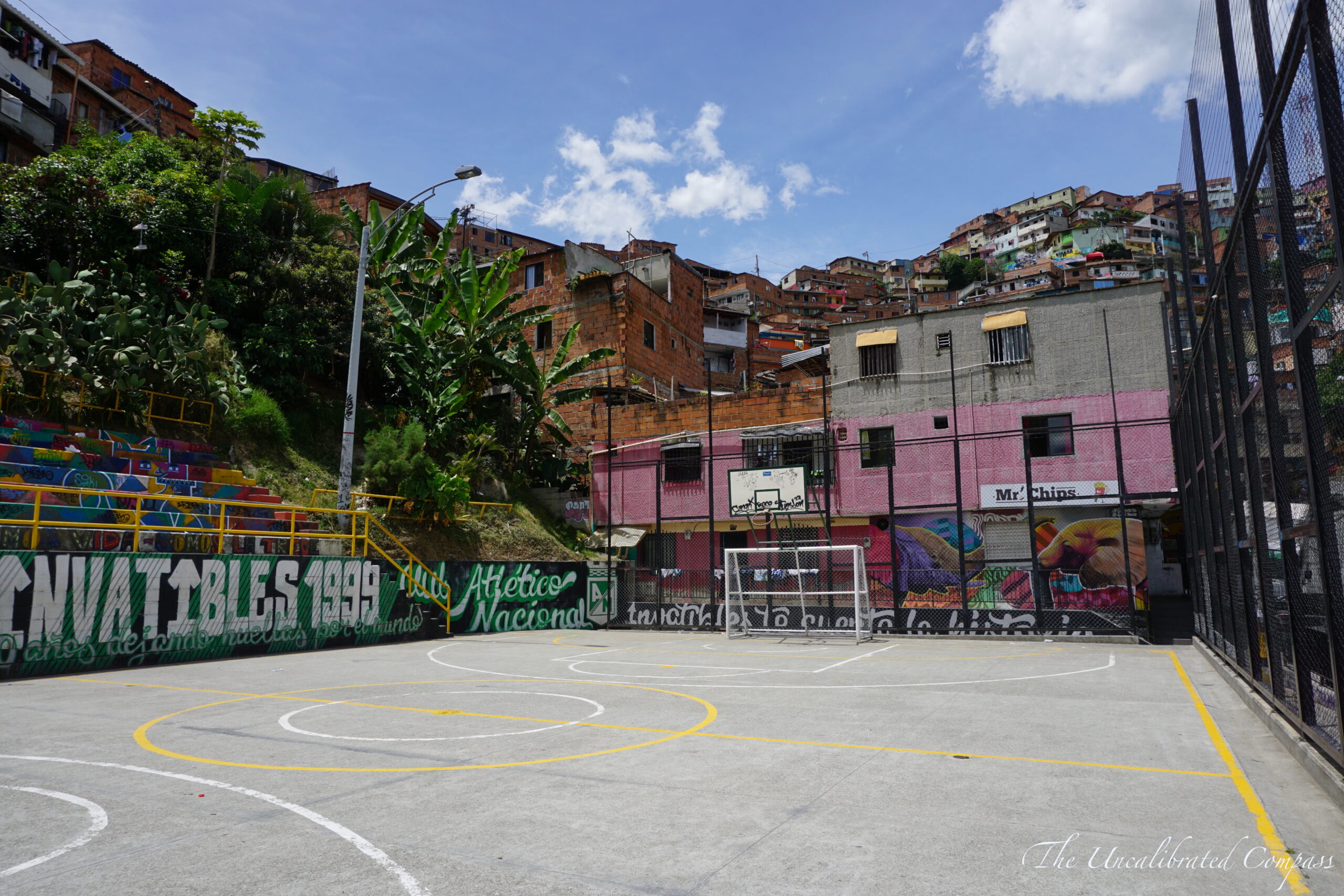
The Arena of the Streets. In the center of Comuna 13’s alleys, the futsal court is a sanctuary of sport. Surrounded by the neighborhood’s iconic graffiti and rising tiers of hillside homes, these small patches of concrete are where the energy of Medellín is most tangible, serving as the social engine for a community in constant motion. Medellin, Colombia.
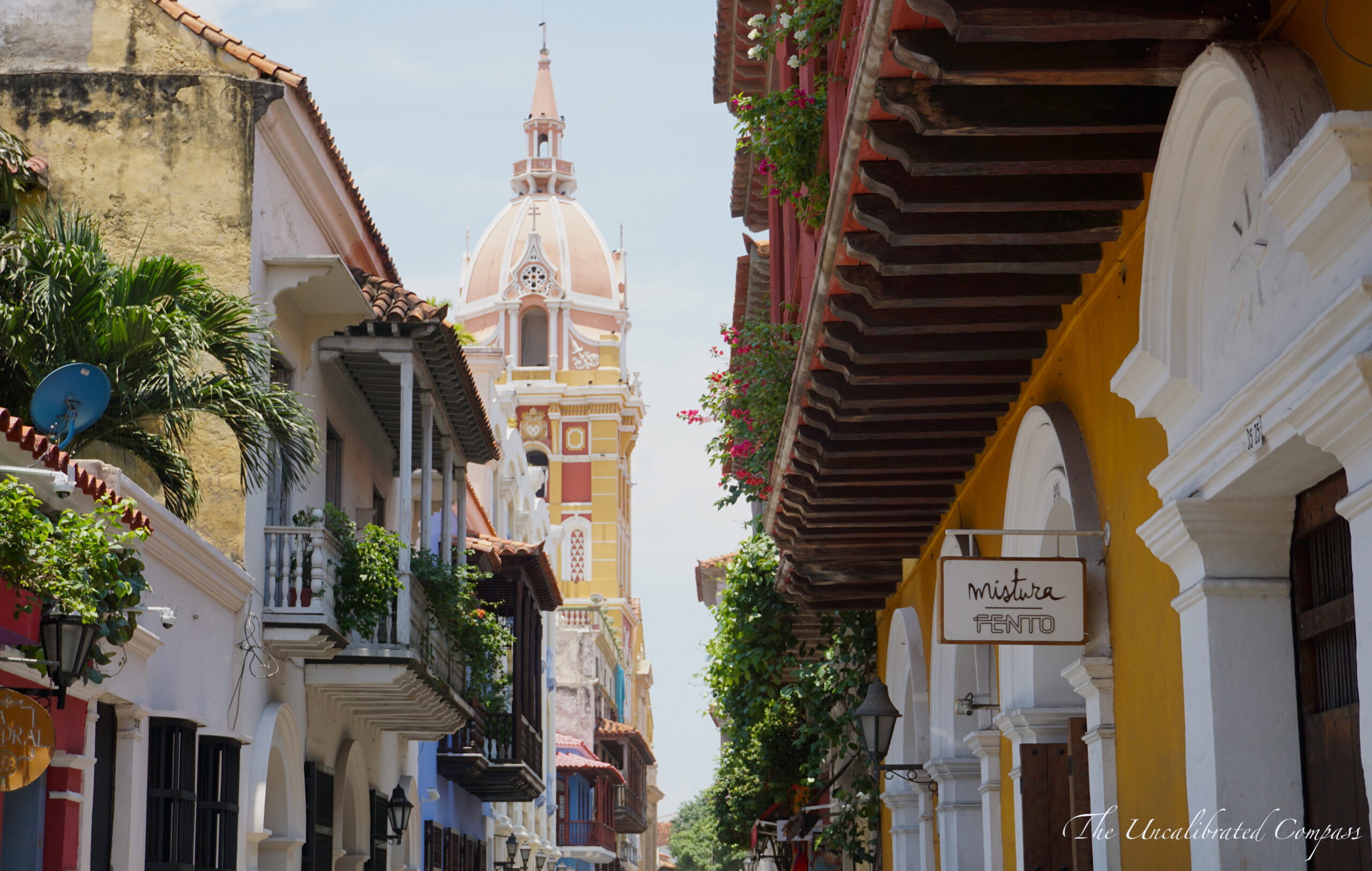
A Vista of the Old City. Framed by the rhythmic architecture of Cartagena’s historic center, the cathedral’s dome and tower stand as a magnificent anchor at the end of the alley. The combination of the deep-seated balconies and the rising spire perfectly illustrates the architecture that continues to define the skyline of this coastal jewel. Cartagena, Colombia.
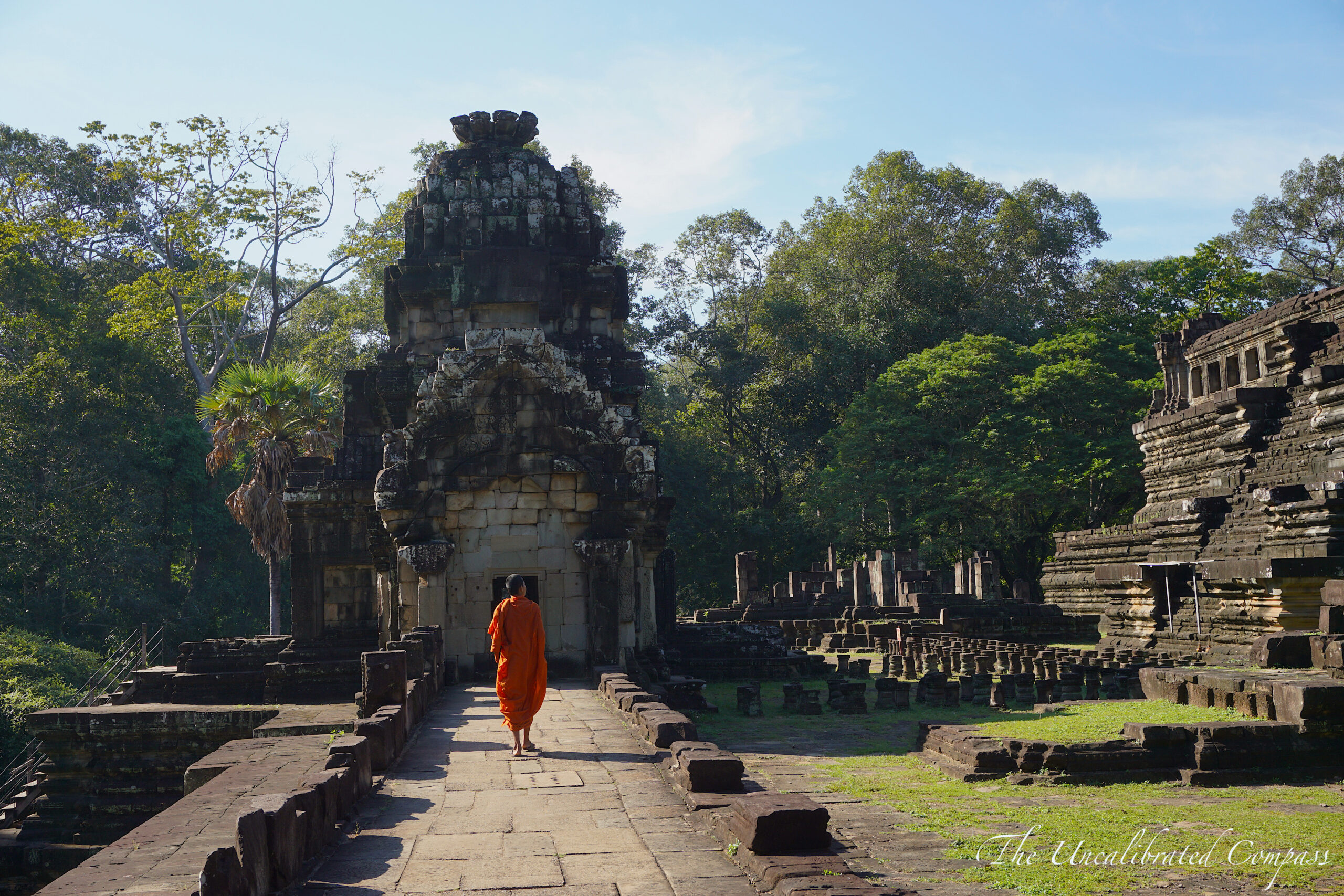
A Walk Through Time. As the monk approaches the long sandstone causeway of the Baphuon, the vibrant saffron of his robes offers a striking contrast to the weathered grey stones of the 11th-century monument. This scene captures the intersection of Cambodia’s deep religious roots and the monumental legacy of the Khmer Empire, standing as a testament to the enduring spirit of Cambodia.
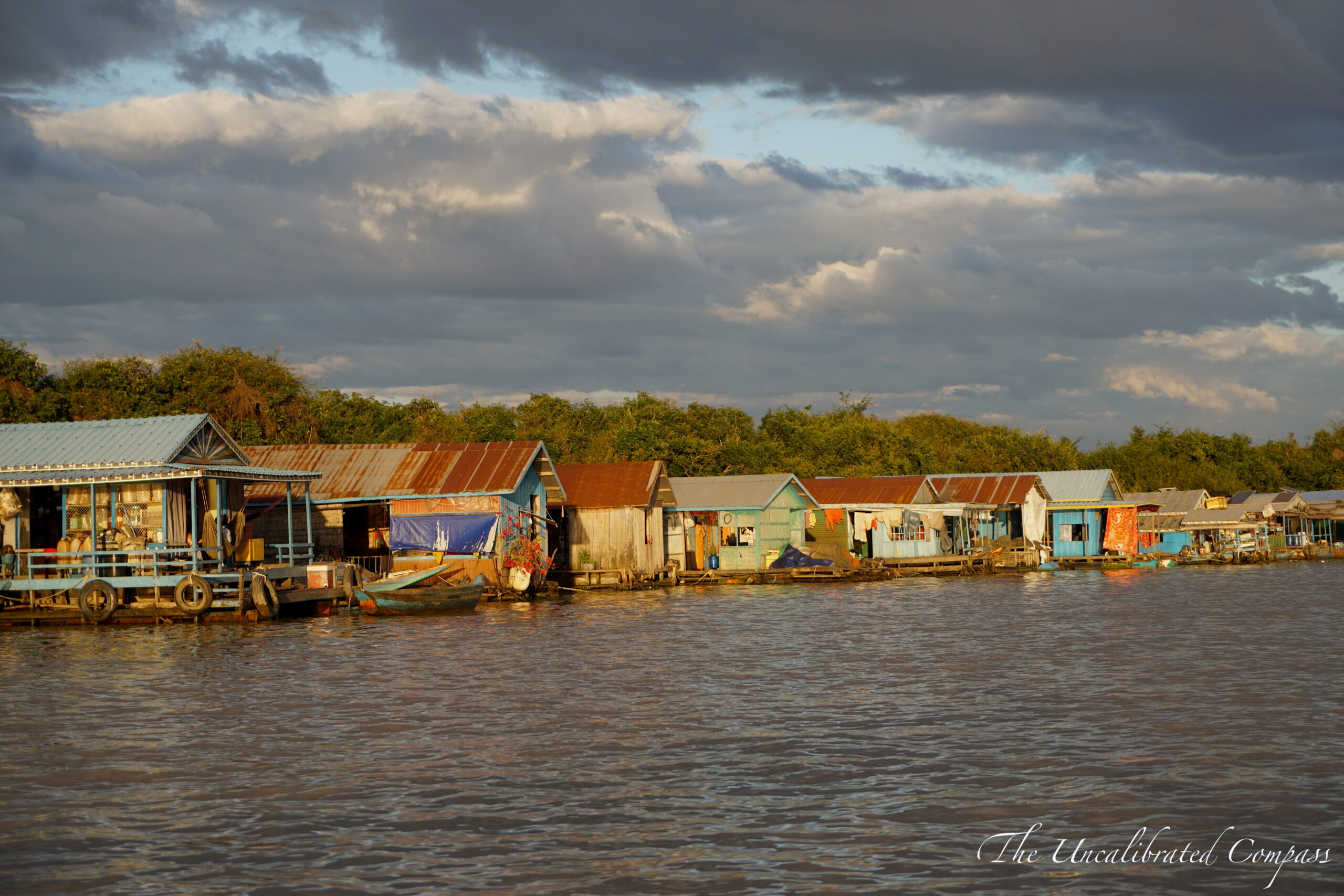
Life on the Water. In the villages of Tonle Sap, the horizon is liquid. These rows of homes, built on high stilts or floating foundations, represent a masterclass in environmental adaptation. It is a world where the street is a canal and the front porch is a dock—a vibrant, floating ecosystem that shifts with the rhythm of the monsoons. Tonle Sap, Cambodia.
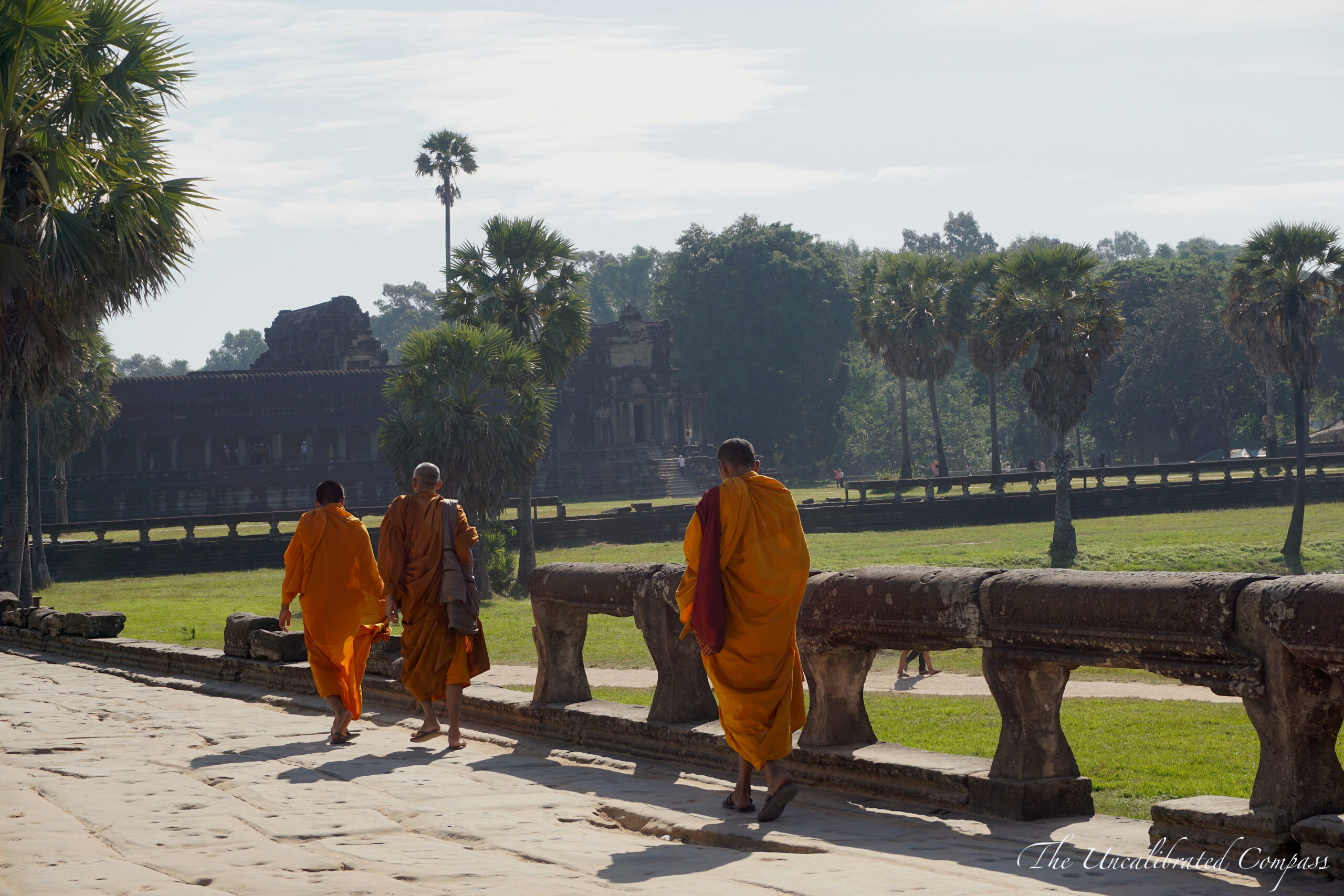
The Living Pulse of Angkor. Against the vast, neutral tones of the 12th-century masonry, the presence of three monks in their vibrant robes brings the history of the complex into the present day. This scene is a reminder that while the stones of Angkor Wat are monuments to the past, the spiritual journey within them remains as constant and vivid as ever.
The Art of Bosnian Coffee. In the cafes of the Old Bazaar, coffee is more than a drink; it is a meticulous ceremony. The ornate copper plate and traditional sugar jar are a sensory link to Mostar’s Ottoman past, a tactile reminder of the trade routes that once connected these Balkan valleys to the wider world in the East. Mostar, Bosnia and Herzegovina.
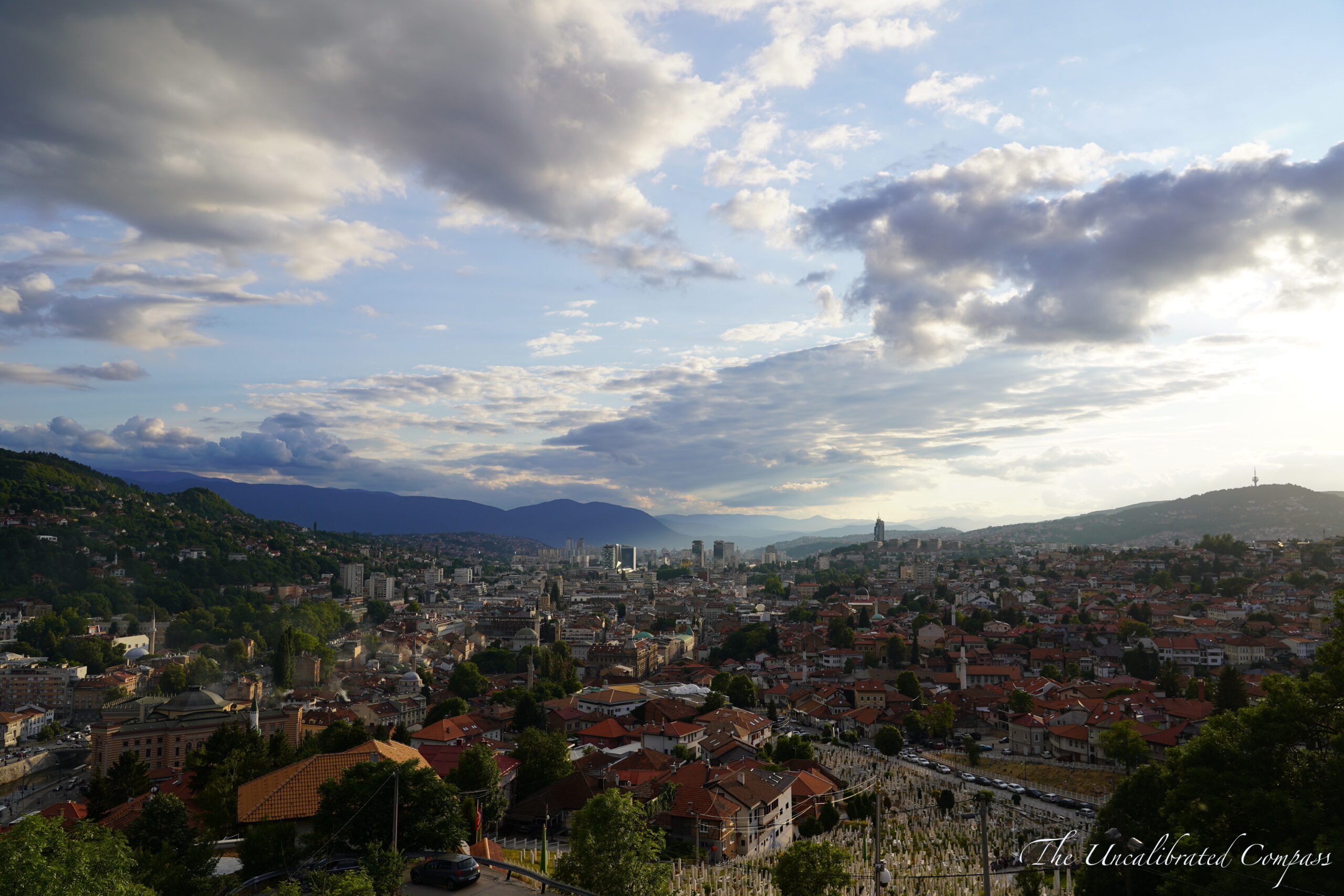
A Landscape of Resilience. From the heights above, Sarajevo reveals itself as a city of layered history. The vibrant red roofs and historic mosques are interspersed with the silent, white expanses of the cemeteries—a landscape that honors those lost during the siege while celebrating the unbreakable spirit of those who remain. It is a view that demands both reflection and hope. Sarajevo, Bosnia and Herzegovina.
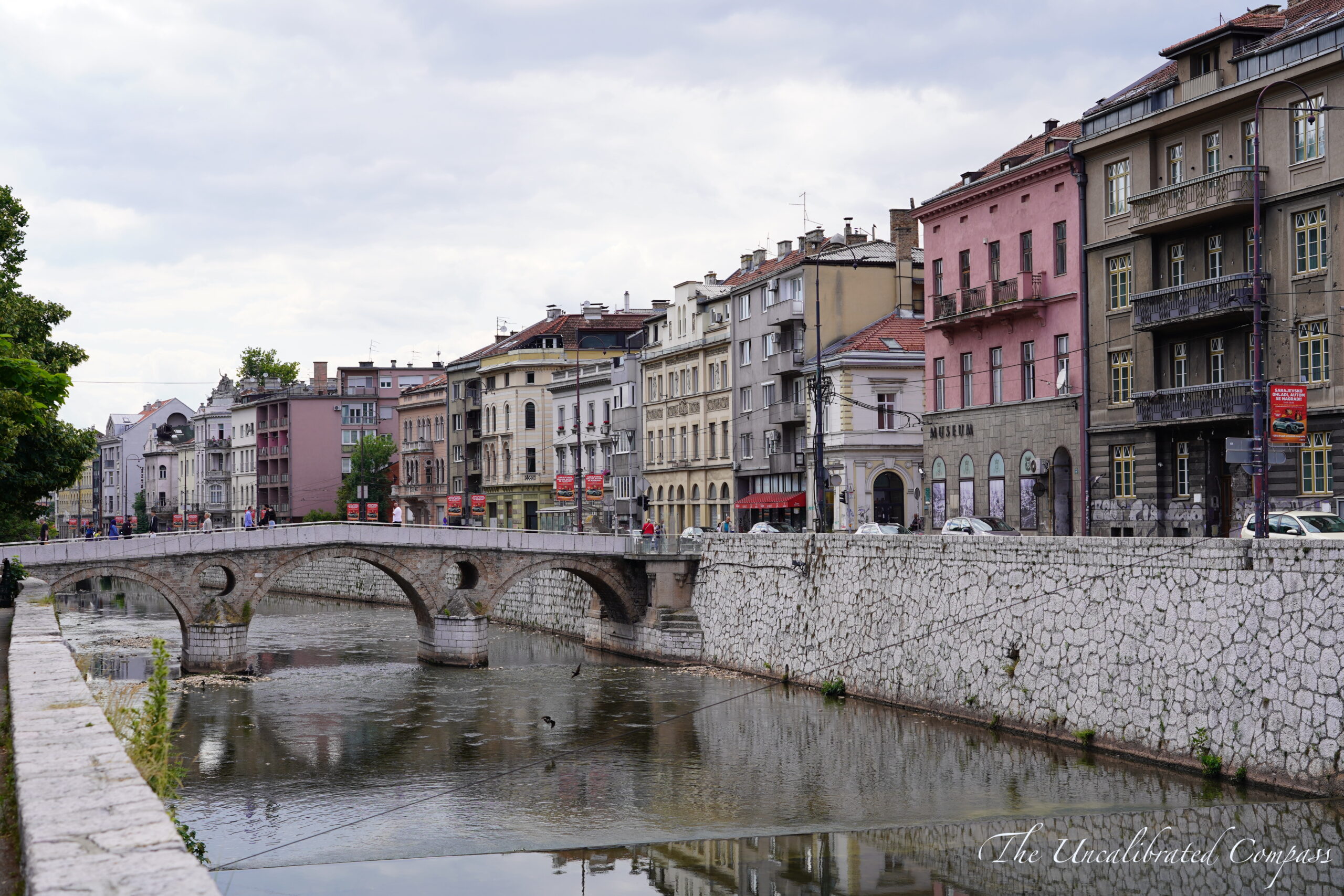
The Bridge That Changed the World. At the northern end of this unassuming Ottoman span, the 19th century came to a violent close. It was here in 1914 that the assassination of Archduke Franz Ferdinand triggered a chain of alliances that led directly to World War I. Standing on these stones, you are at the exact coordinates where local tension became global catastrophe. Sarajevo, Bosnia and Herzegovina.
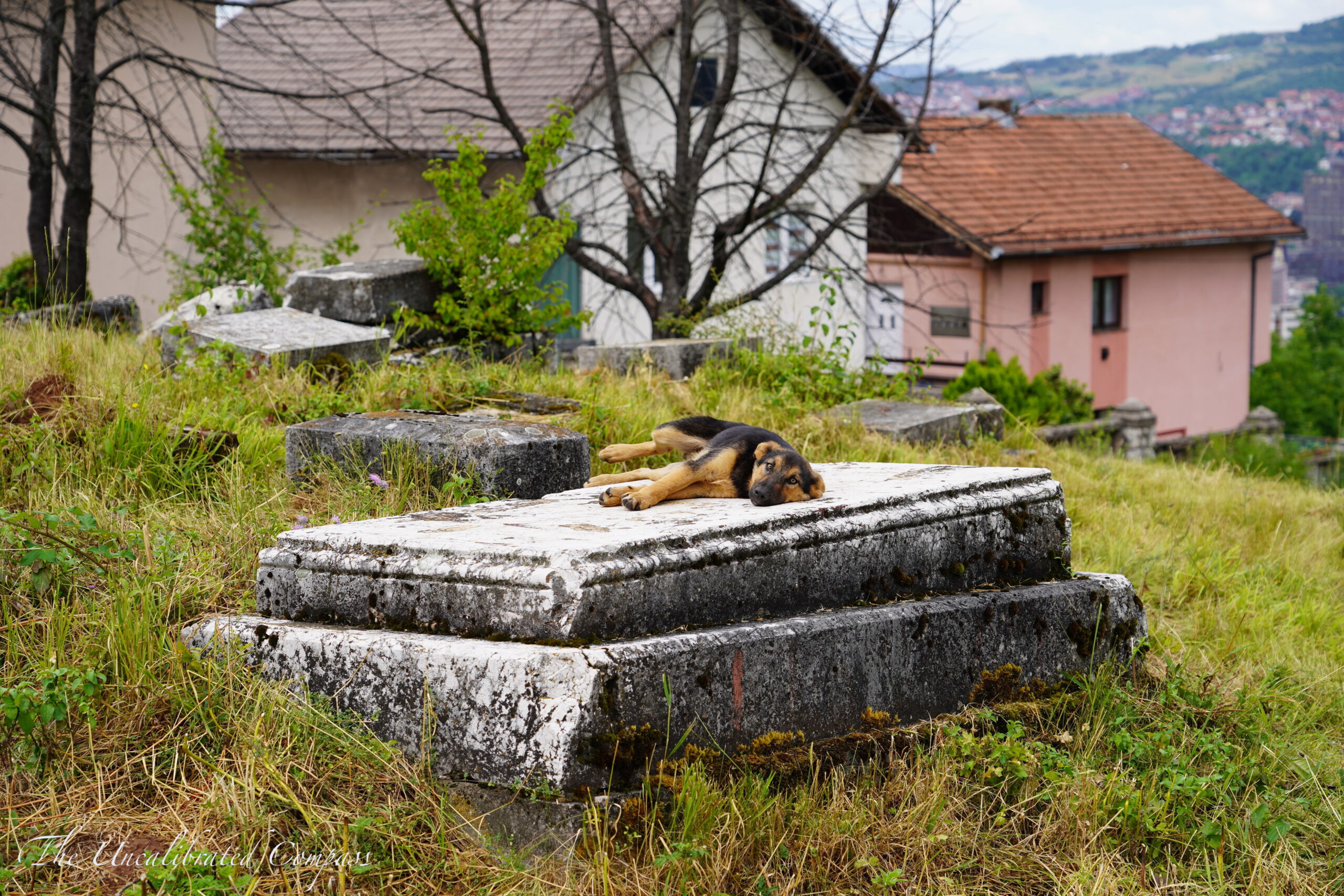
Peace Among the Stones. In the quiet heights of the Old Jewish Cemetery, the ancient limestone tombs have become a part of the natural landscape. Seeing a dog resting atop a centuries-old monument offers a gentle, living contrast to the weathered stone, illustrating how even in a place dedicated to the past, life finds a way to linger in the stillness. Sarajevo, Bosnia and Herzegovina.
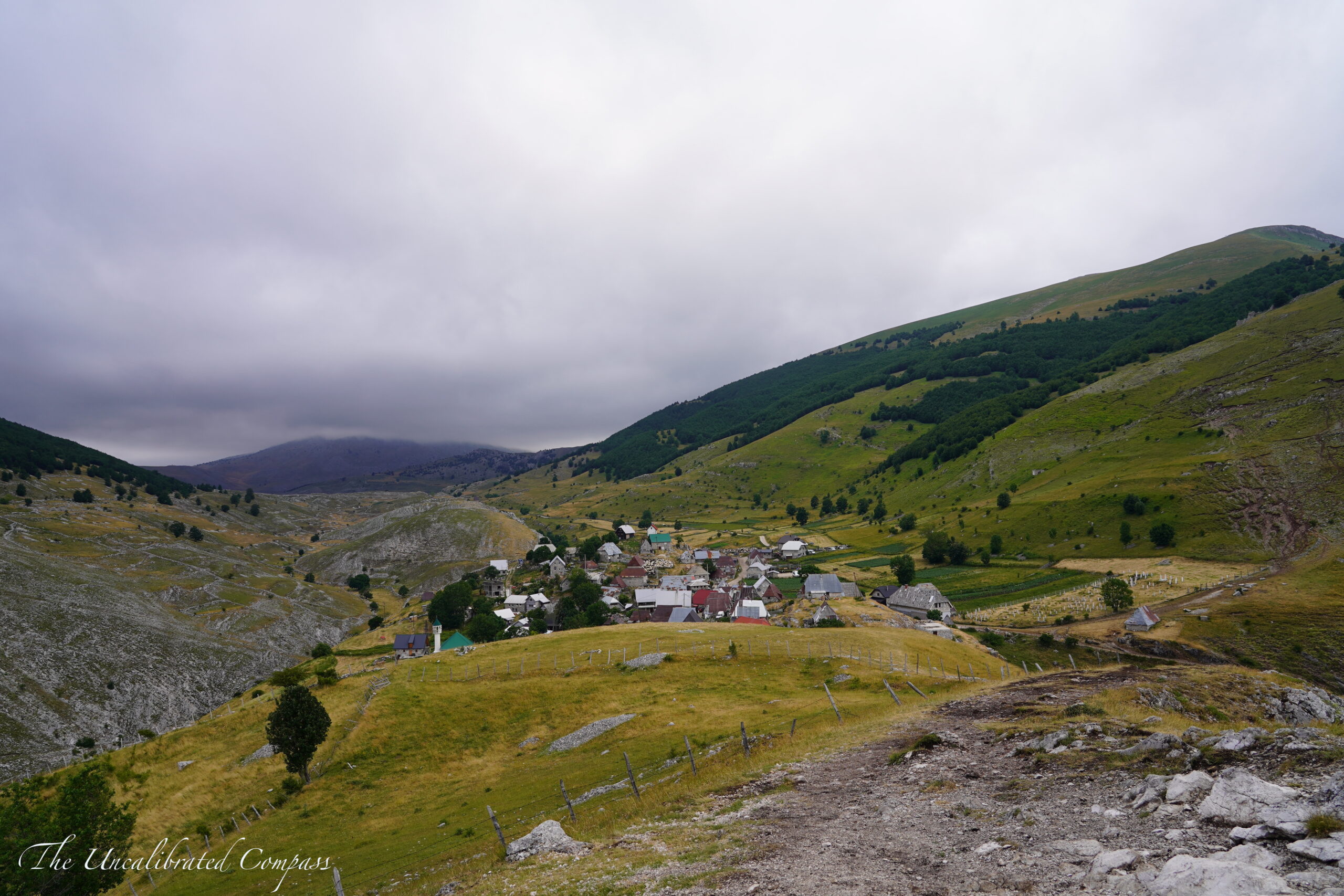
Scaling the plateau. There is no calibrating the journey to Lukomir until you’ve felt the gravel give way under your tires on the long climb up. Once you arrive, the air is thinner, the light is sharper, and the silence of the mountains is absolute. It is the definitive ‘off-the-map’ destination—a place where the road ends and the true adventure begins. Lukumir, Bosnia and Herzegovina.
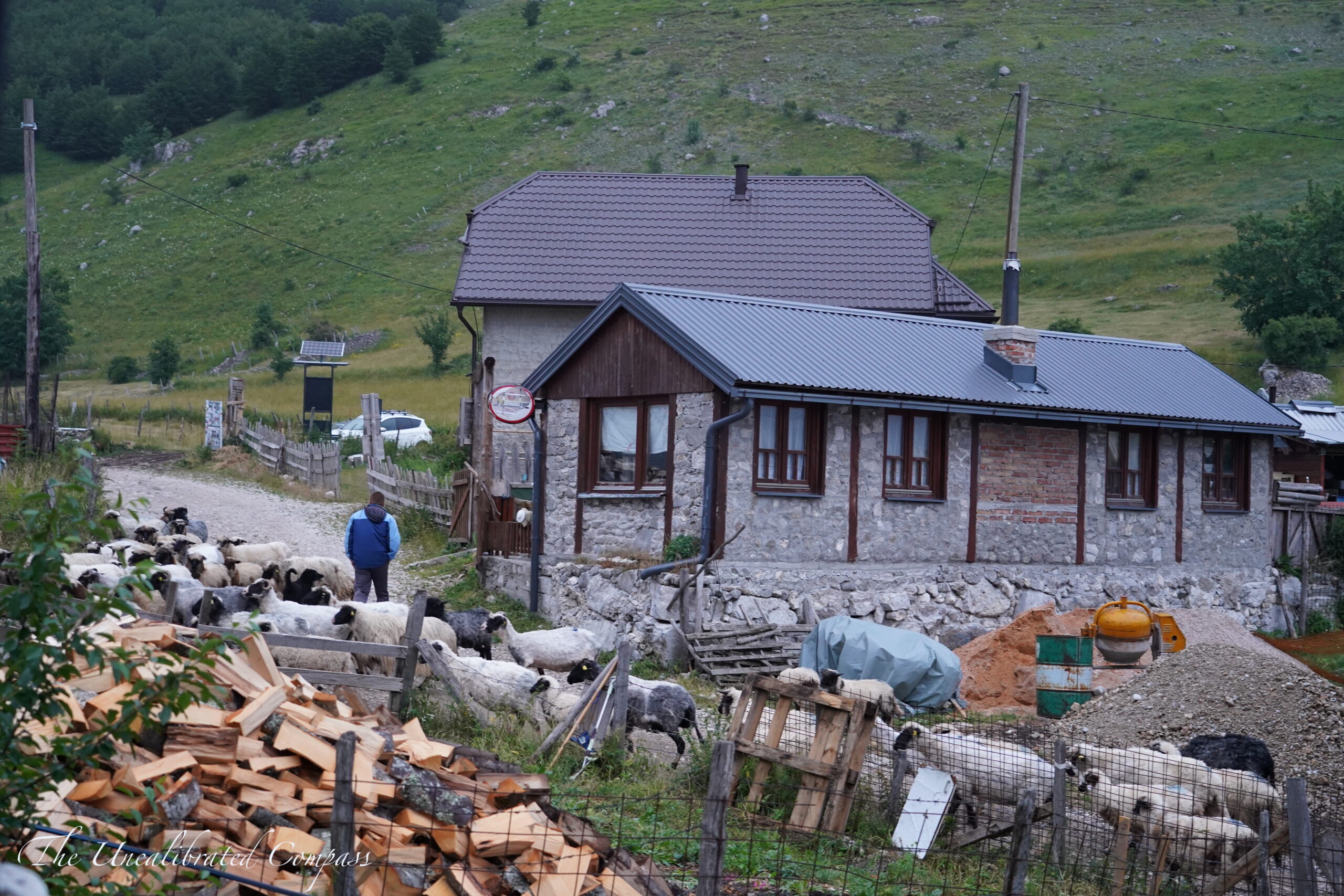
The Moving Flock. A shepherd and his sheep in the mountain village of Lukomir, Bosnia and Herzegovina.
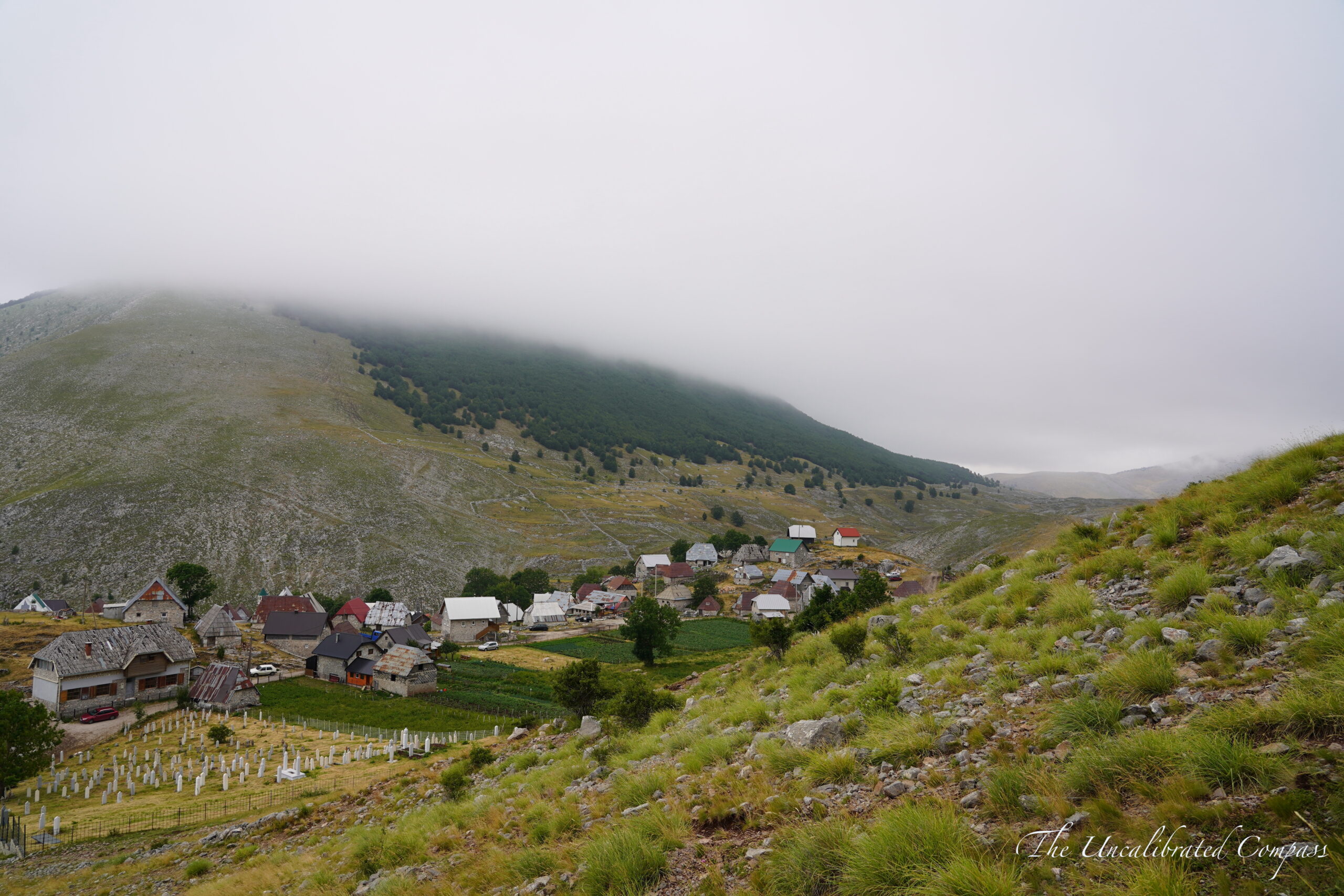
Plateau and Peaks. A panoramic landscape of Lukomir village and the Bjelašnica range. Lukumir, Bosnia and Herzegovina.
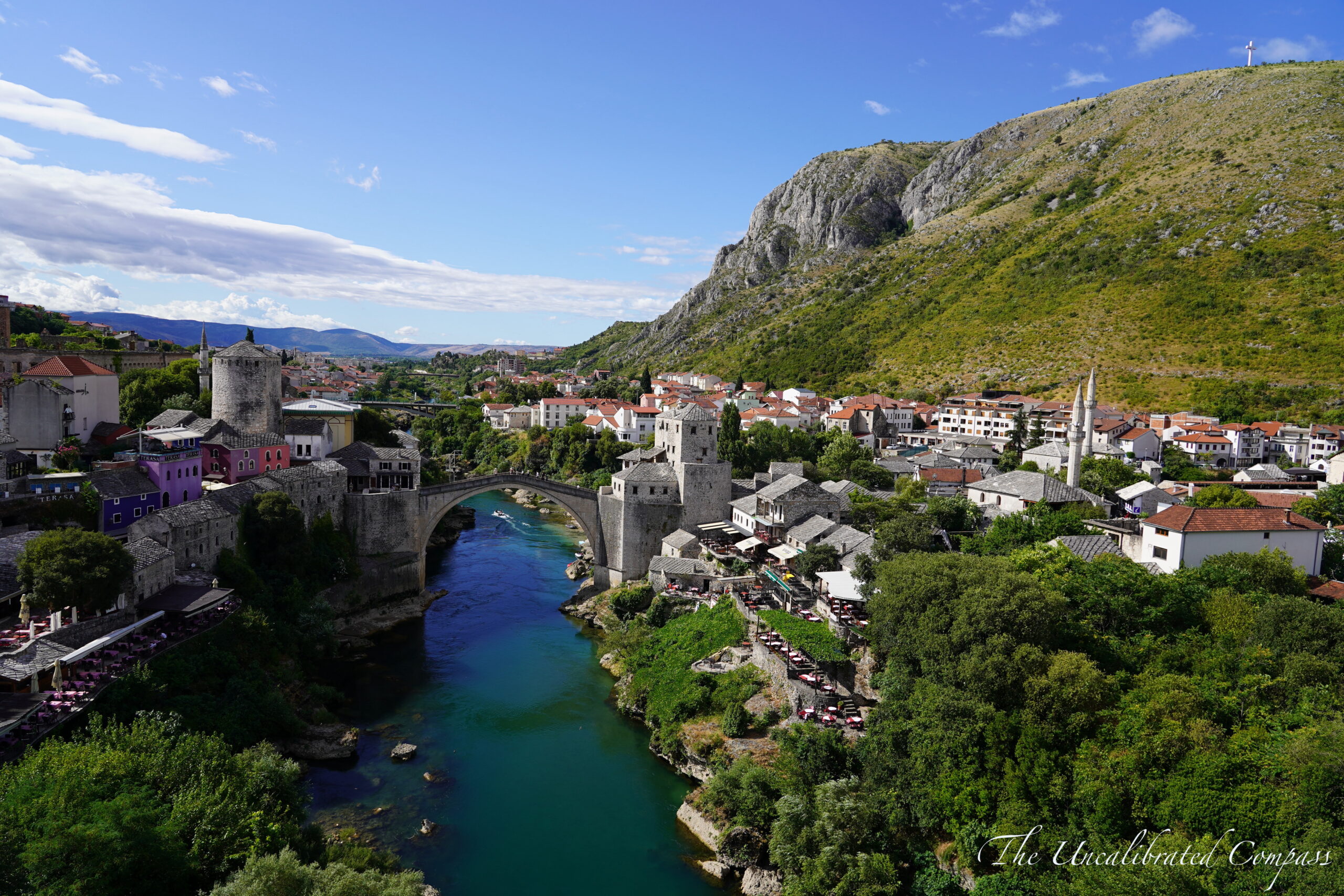
The Arch of History. A masterpiece of 16th-century Ottoman engineering, the Stari Most is more than a bridge—it is the heart of Mostar. From this vantage point, the limestone architecture rises along the riverbanks, perfectly framed by the steep mountain ridges that have shaped the city’s destiny as a crossroads of cultures. Mostar, Bosnia and Herzegovina.
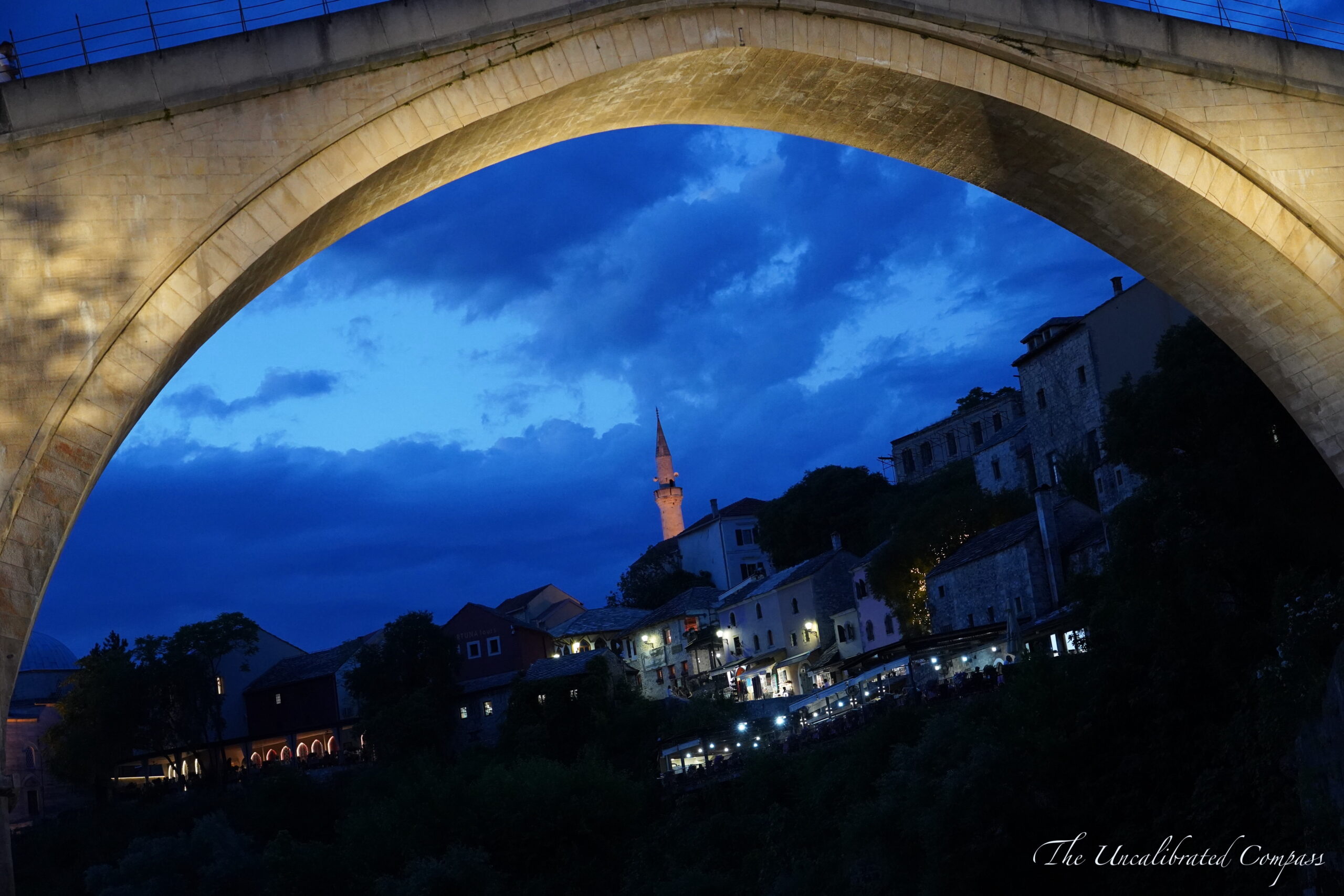
A View Through Time. Looking out from beneath the iconic arch of the Stari Most, the city reveals itself in layers of light and shadow. The limestone masonry of the bridge provides a monumental frame for the illuminated mosque and the narrow streets of the bazaar, capturing the enduring, elegant spirit of Mostar.
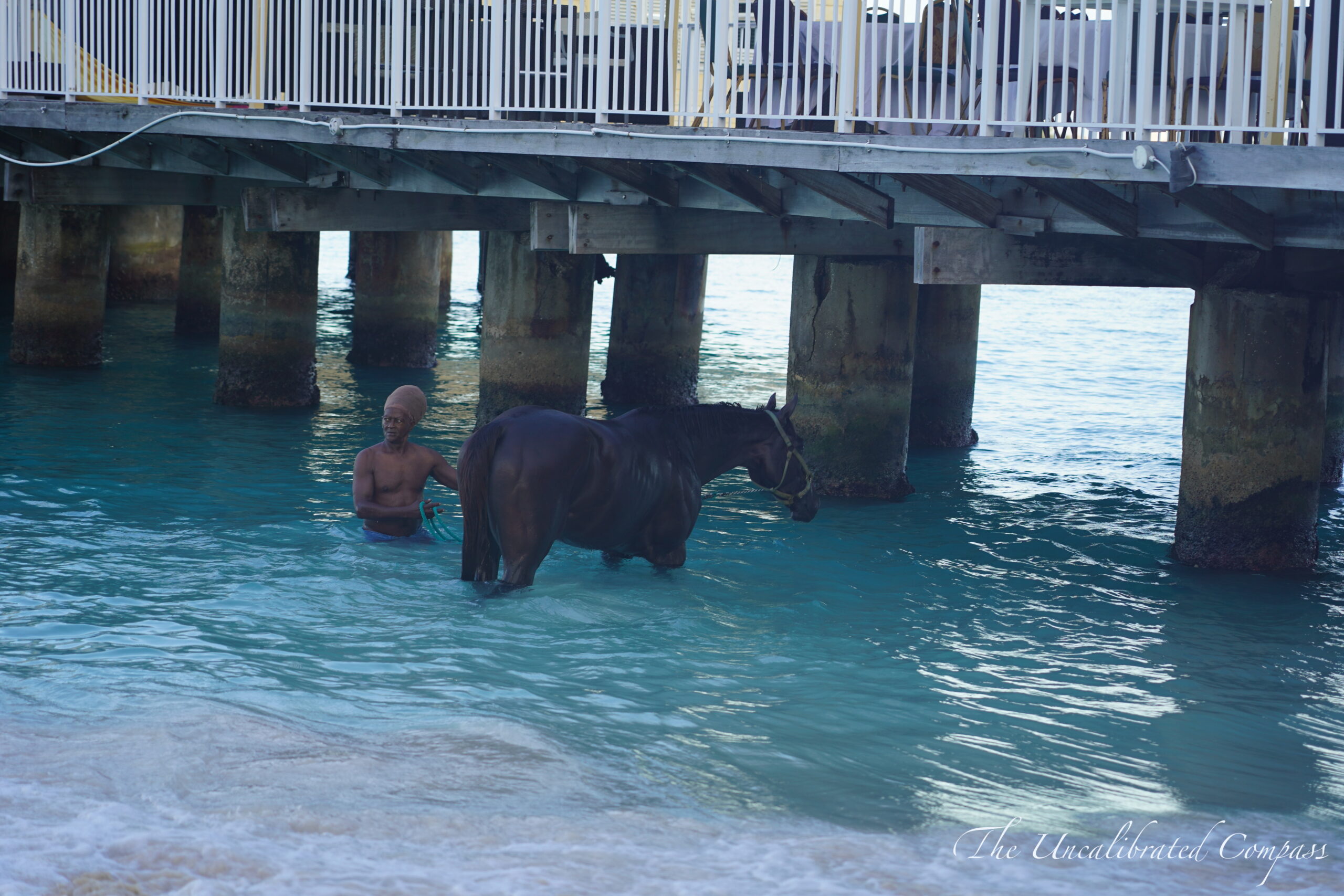
Morning Grace in the Shallows. Long before the beach fills with travelers, a quiet tradition unfolds at the water’s edge. The sight of a man leading a powerful horse into the calm, crystal-clear Caribbean provides a peaceful contrast to the energy of the racetrack. Barbados.
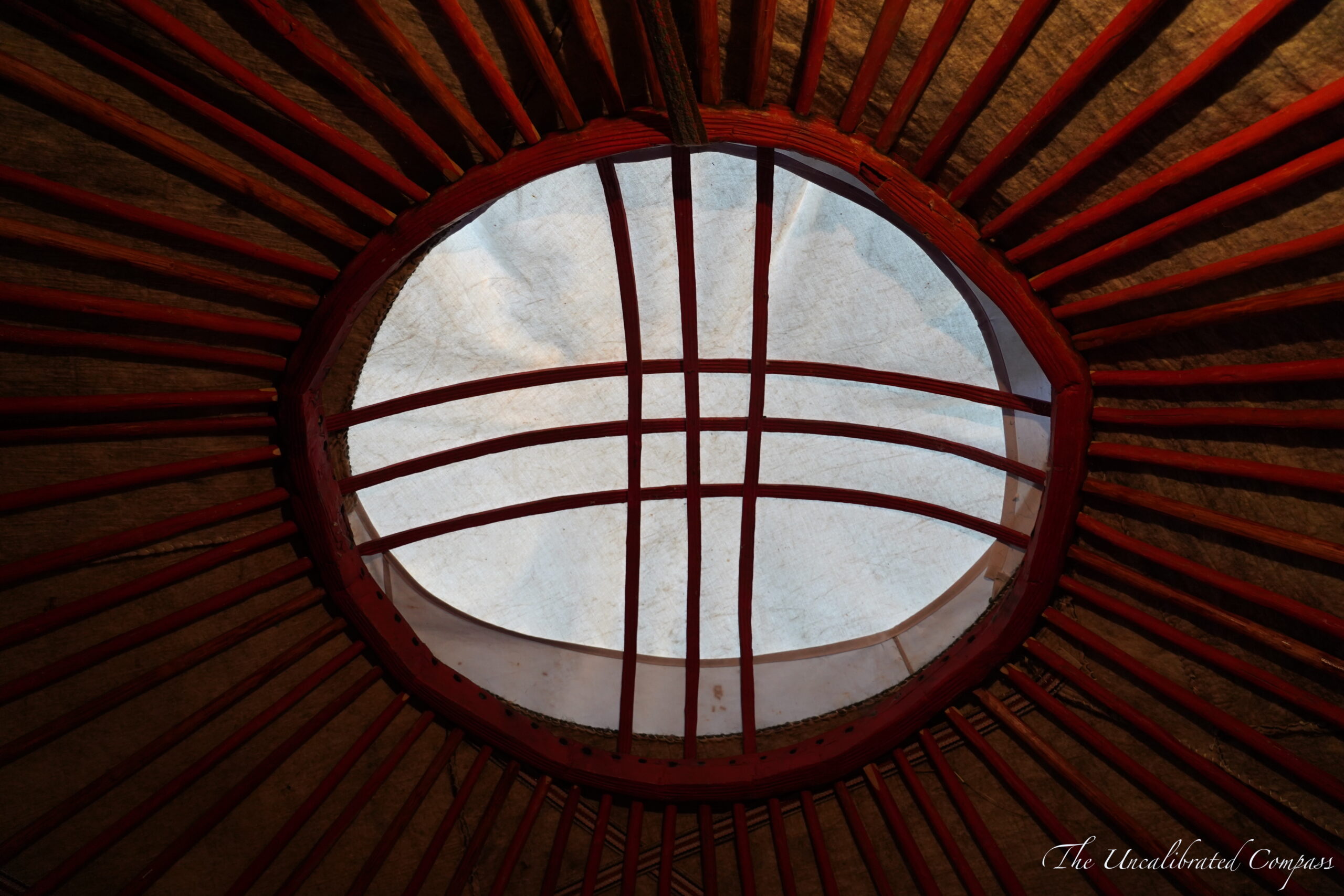
The Crown of the Steppe. More than just a skylight, the tunduk is a sacred symbol of home and family. Looking up from within the felt walls of a yurt in the high pastures, the wooden cross-beams frame the Central Asian sky, illustrating the same design that serves as the centerpiece of the Kyrgyz flag. It is a structural marvel that has sheltered nomadic families for a thousand years. Kyrgyzstan.