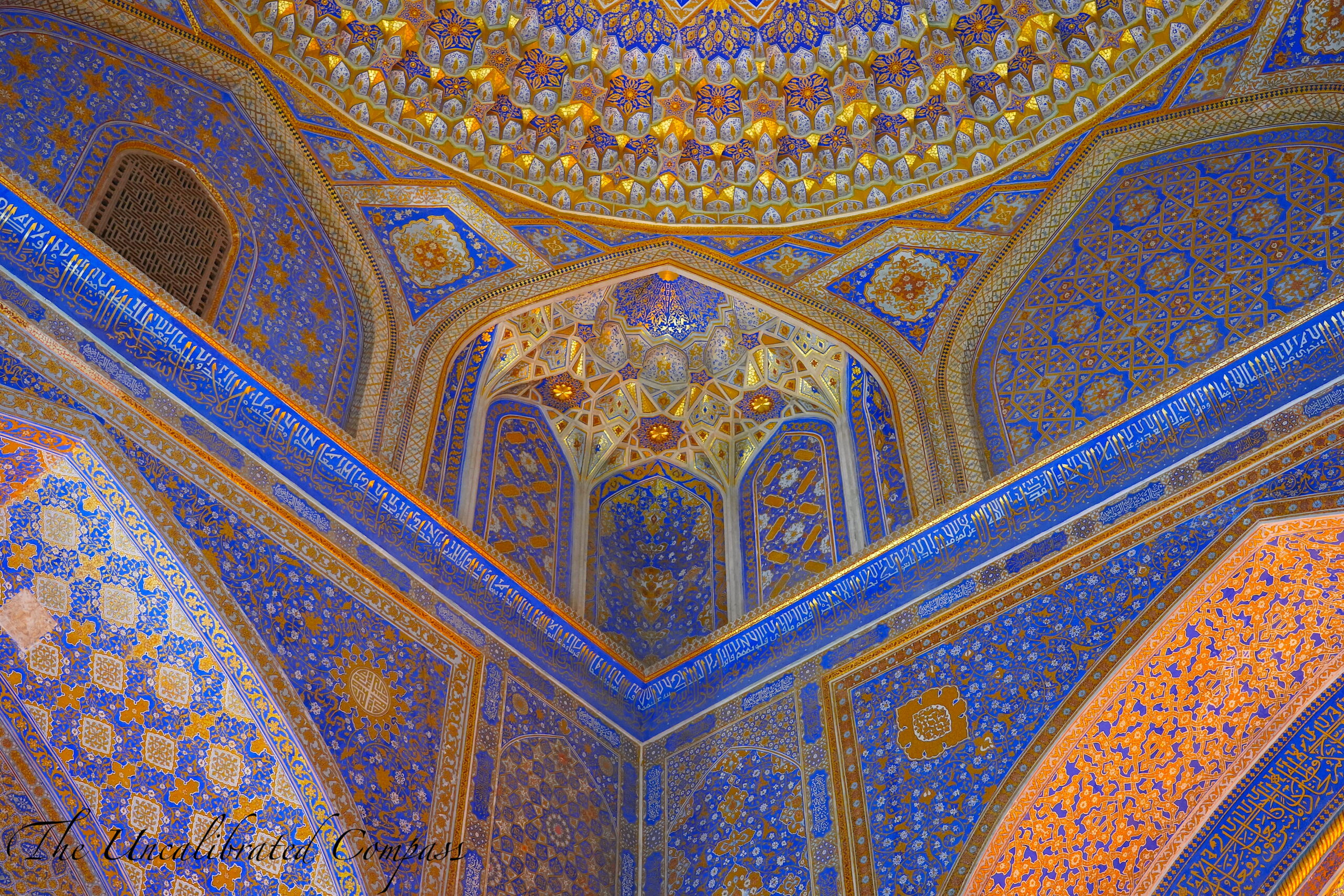
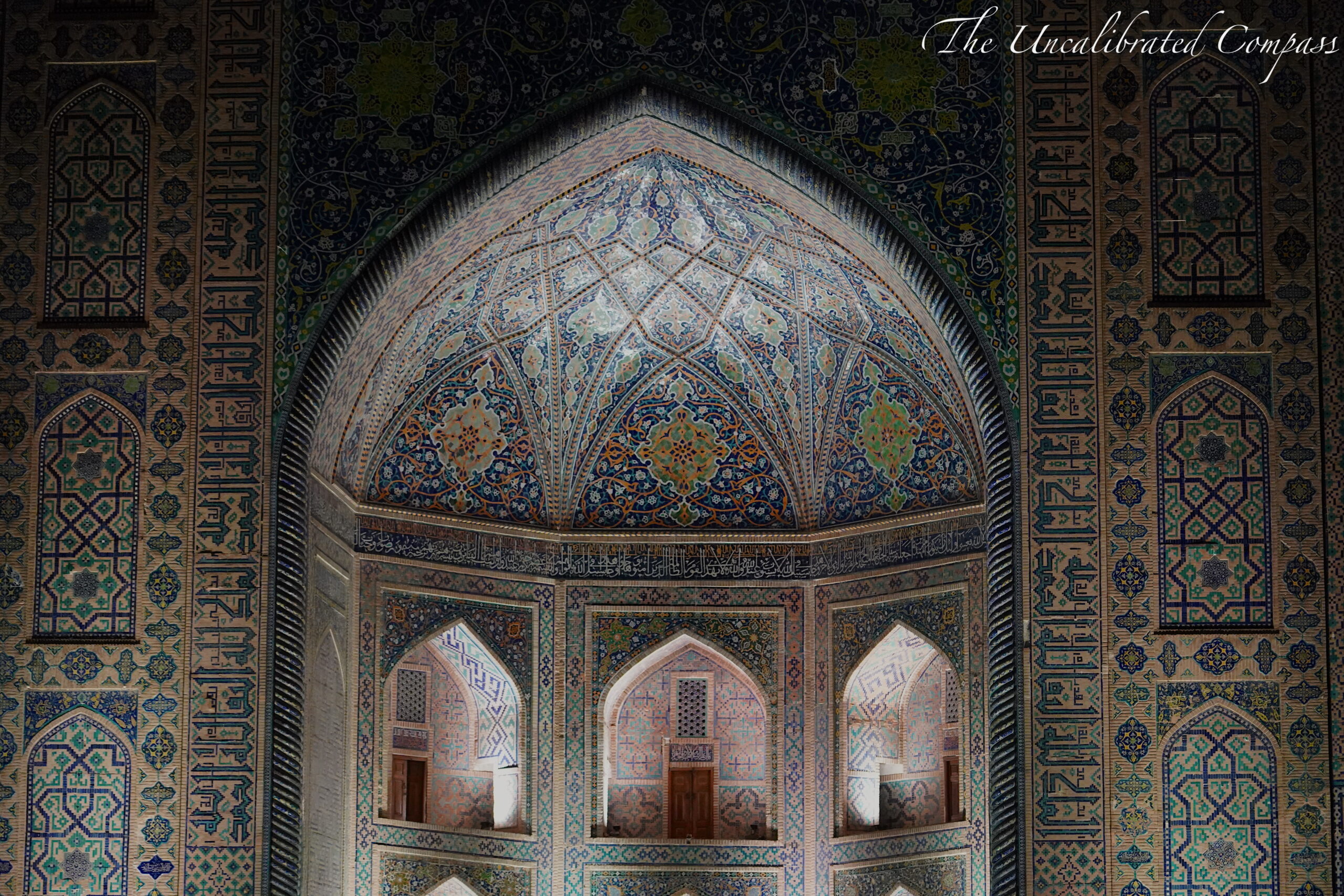
Look up and lose your breath. The geometric precision of the blue and gold tiles inside Tilya-Kori Madrasa is proof that the Silk Road wasn’t just a trade route—it was the world’s greatest stage for artistic expression. Samarkand, Uzbekistan.
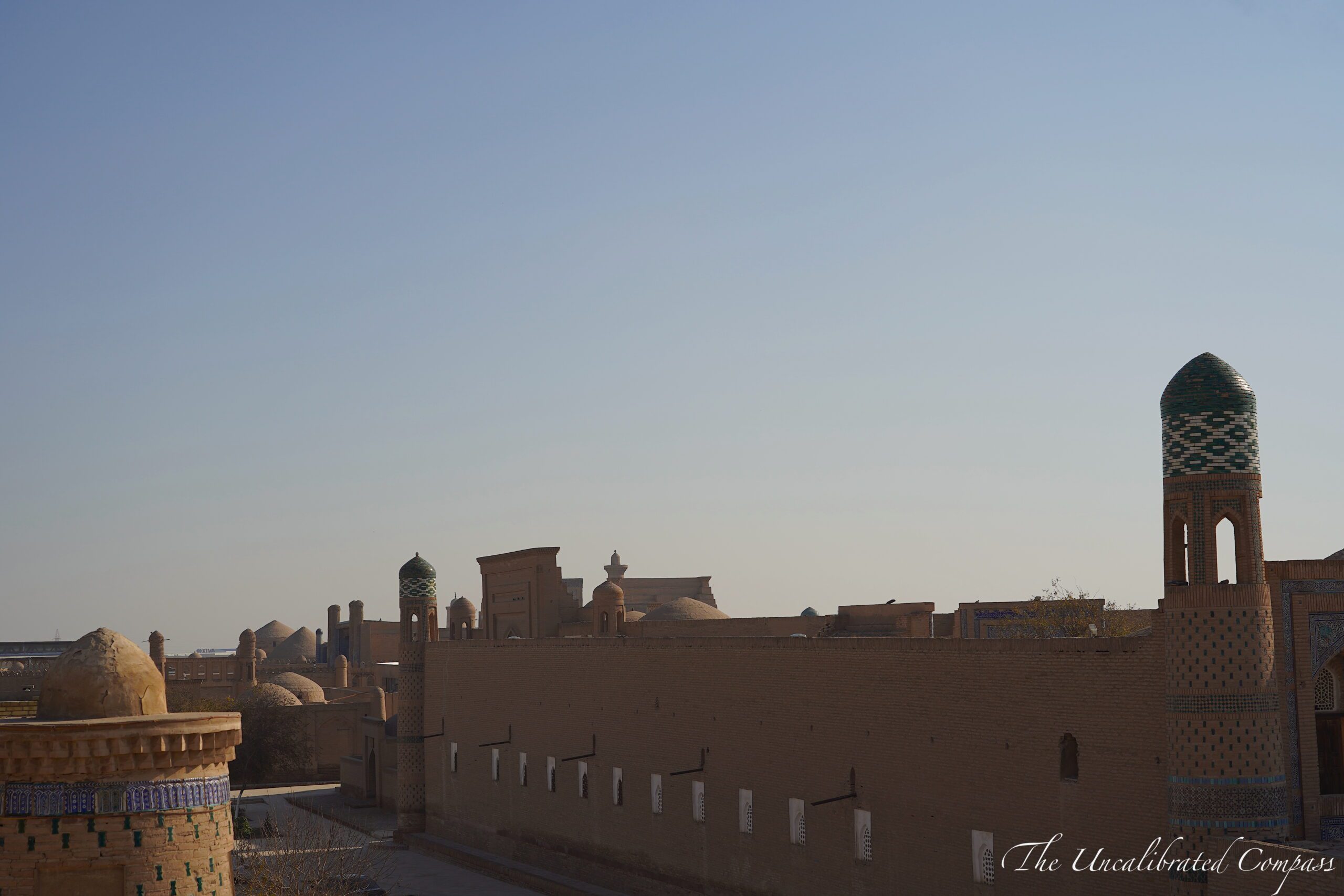
Walking through a time capsule. Every angle of Khiva offers history. Looking across the rooftops, you realize this architectural diary of the desert.
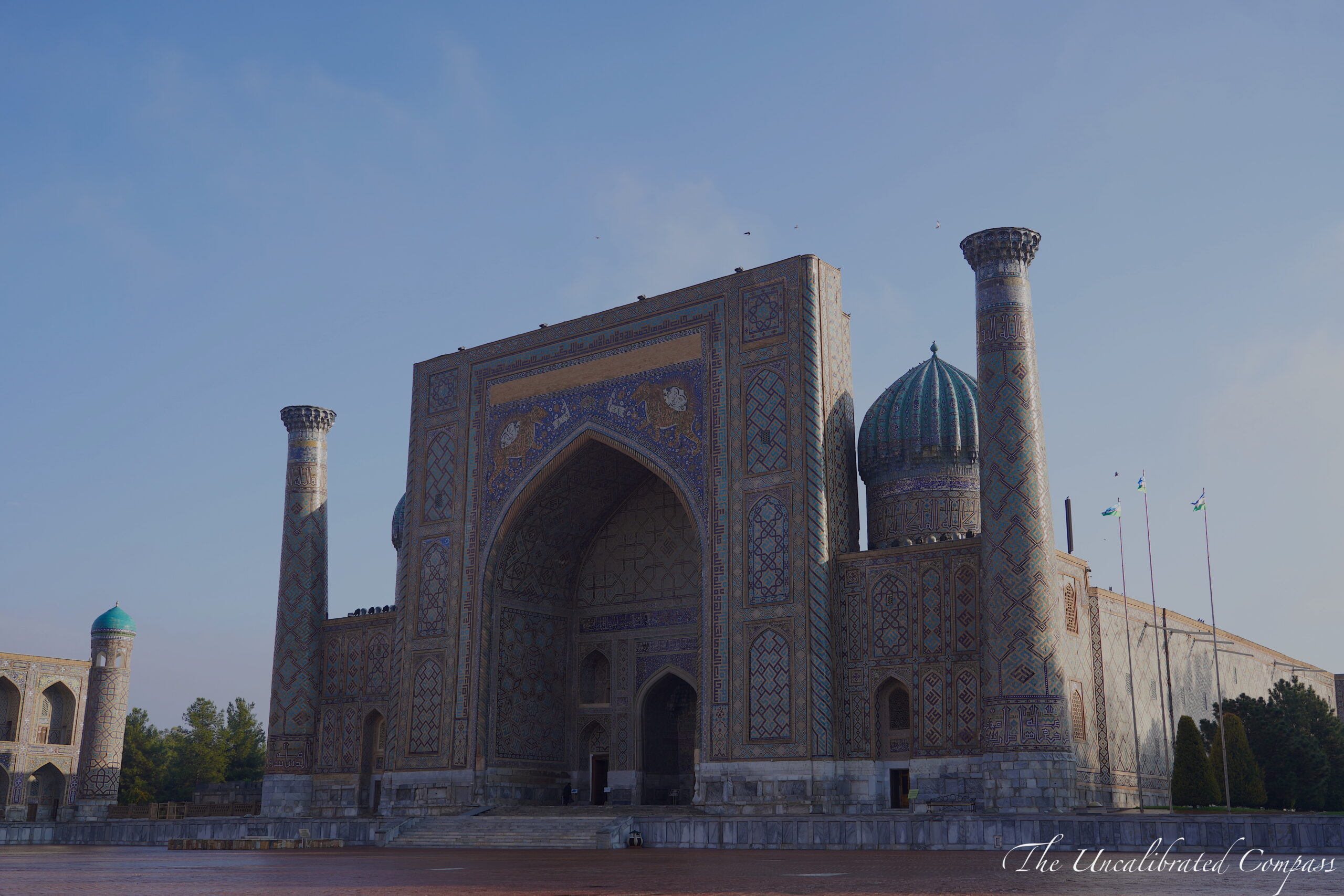
The Roar of the Silk Road. Its name means ‘Having Lions,’ and even after hundreds of years, the vibrant tilework of the Sher-Dor commands the Registan Square with a ferocity that matches the history of Samarkand. Samarkand, Uzbekistan.
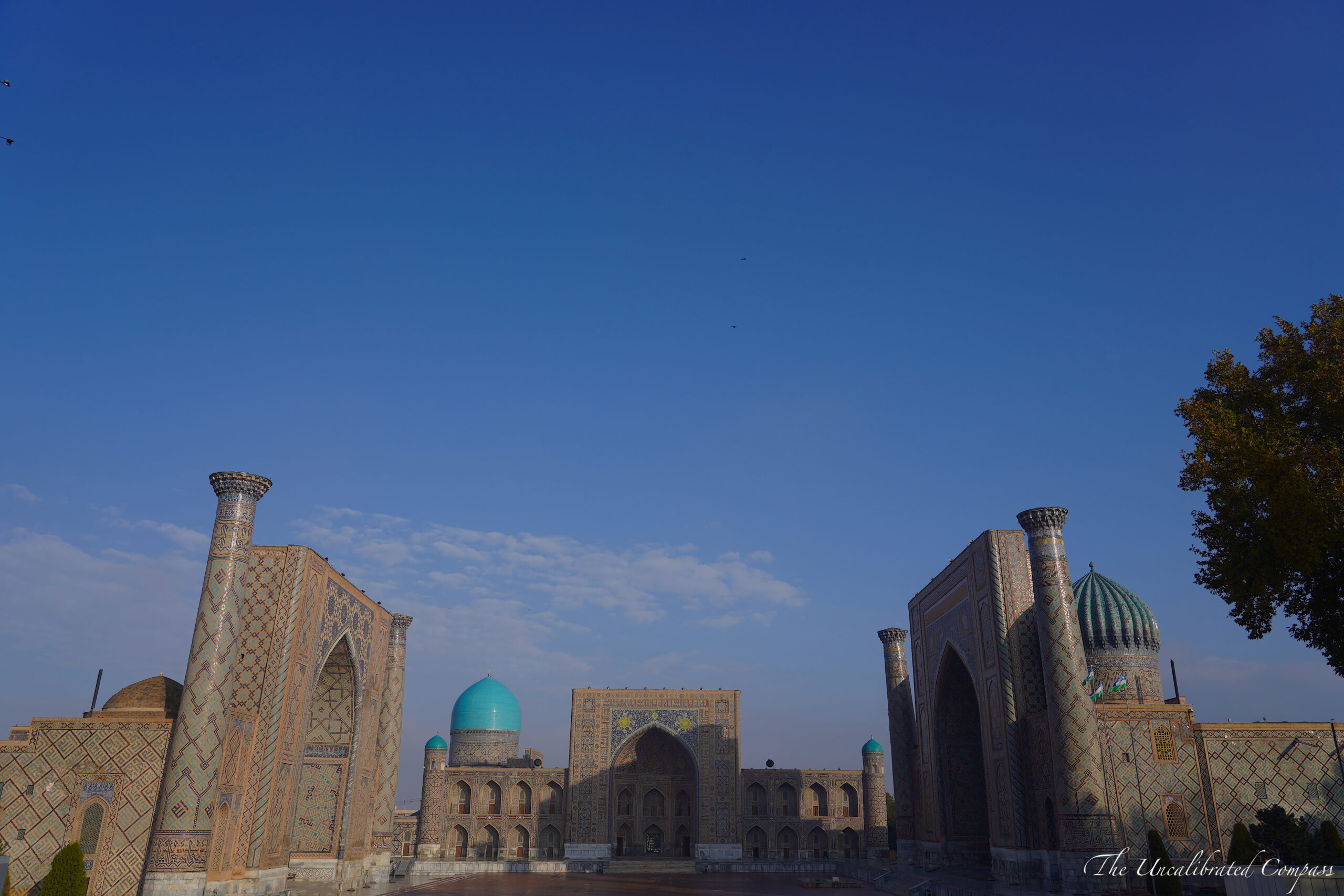
Standing where history converged. To see the Registan in person is to realize that the ‘uncalibrated’ paths of thousands of merchants, scholars, and conquerors all led right here to this very stone floor. The Registan Square, Samarkand.
The beauty of Registan Square, Samarkand.
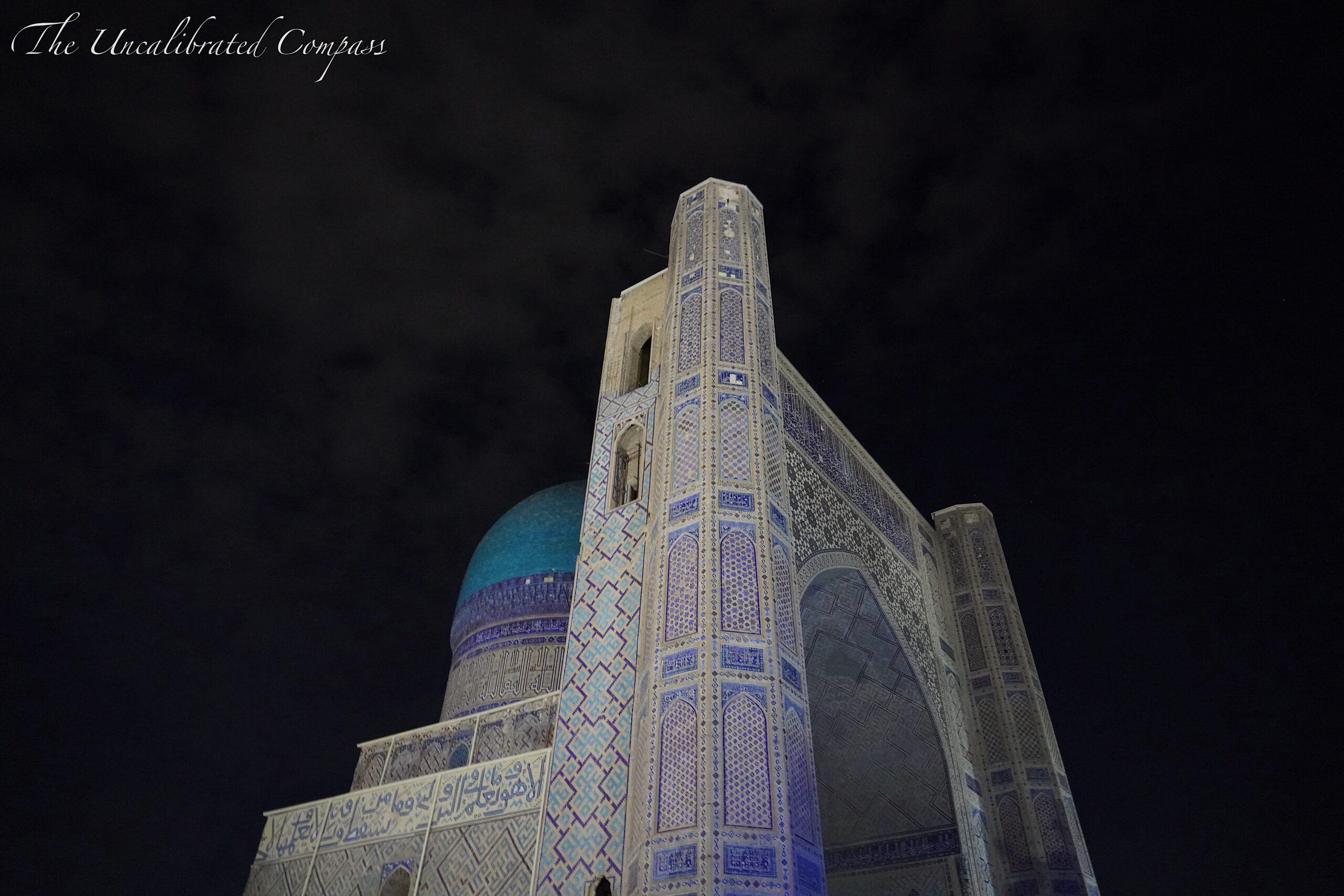
The Mosque that Touched the Sky. Built to honor his favorite wife, Tamerlane’s Bibi-Khanym remains a towering testament to an era when architecture was designed to humble the world. Samarkand.
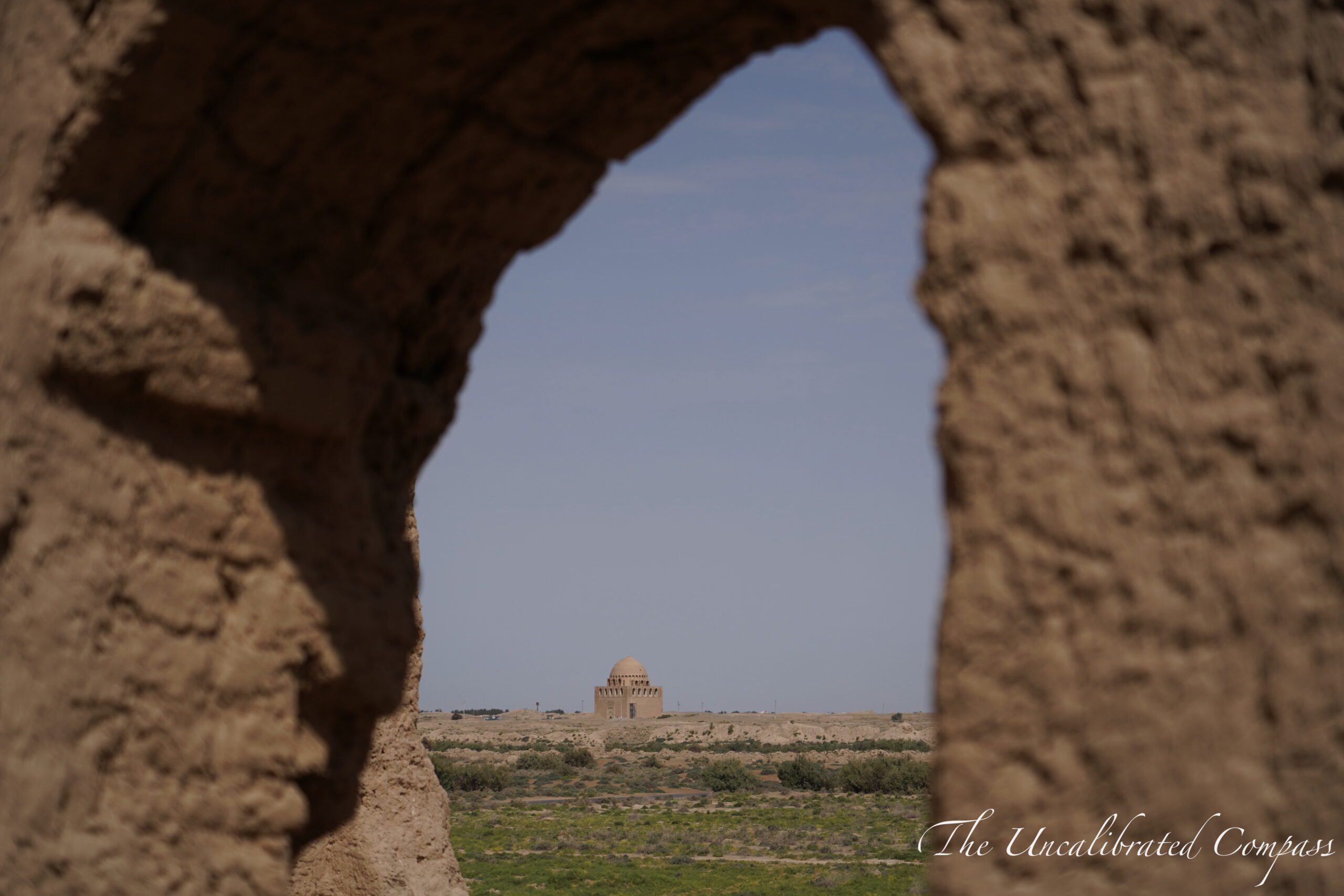
Standing amidst the earthen remains of Merv—one of the most important cities of the ancient Silk Road—a view of the Mausoleum of Sultan Sanjar. Merv, Turkmenistan.
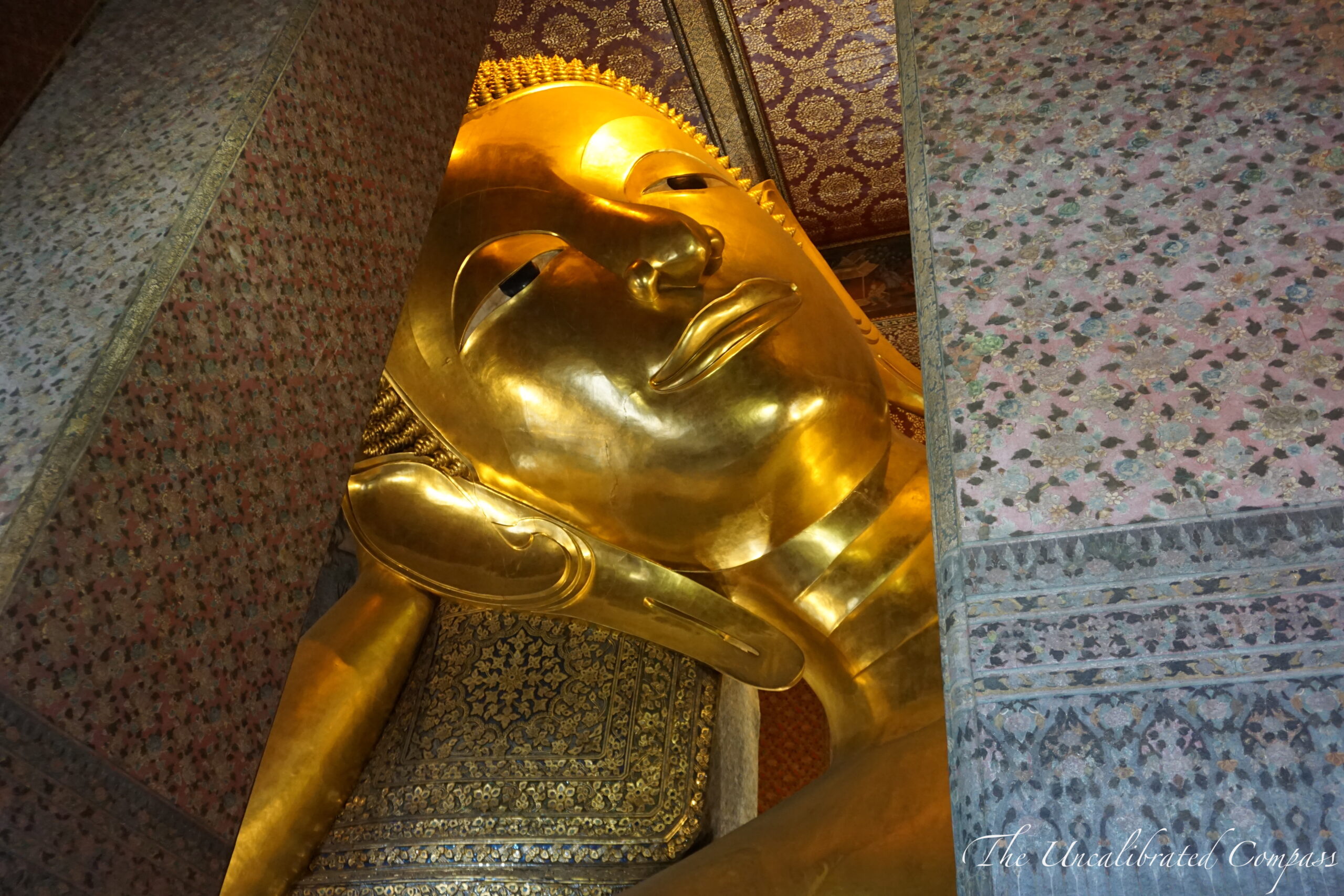
The Gaze of Enlightenment. A close-up of the Reclining Buddha’s face, a place to find peace amidst the vibrant chaos of Bangkok.
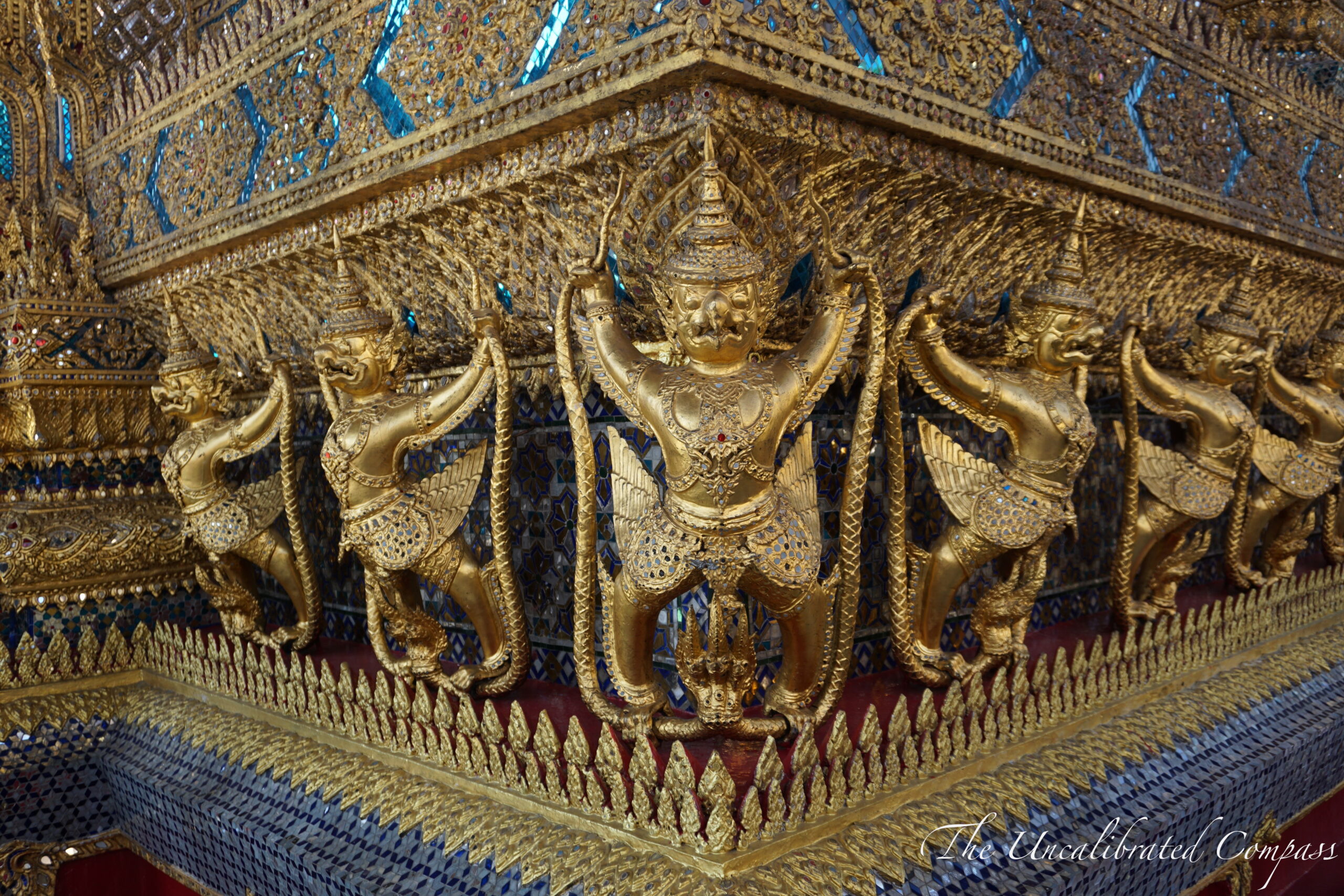
Guardians of the Realm. Rows of golden Garudas stand watch over the temple, their outstretched wings and fierce expressions serving as a symbol of protection for one of Thailand’s most sacred sites. Bangkok, Thailand.
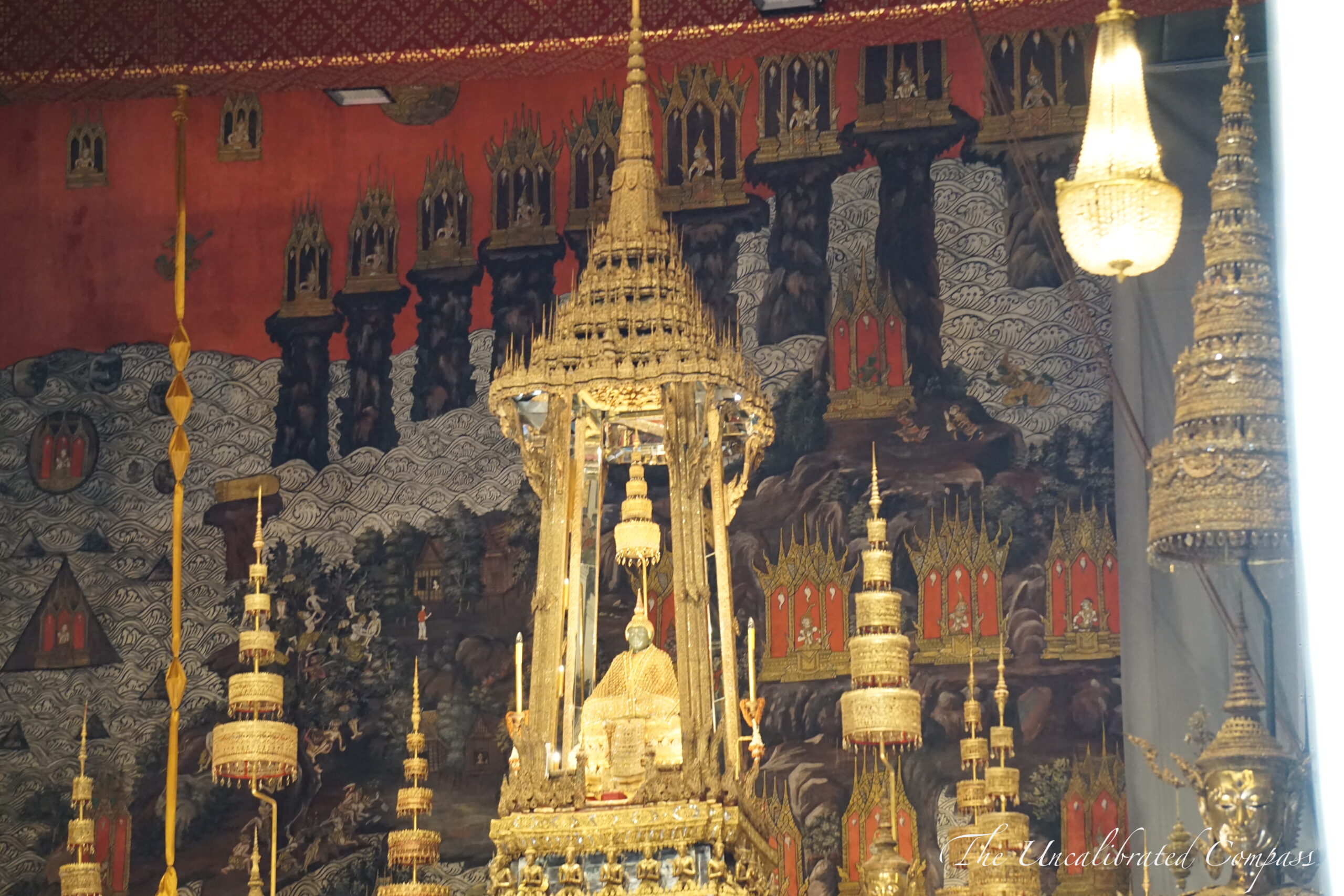
Beneath the golden canopy. Surrounded by intricate murals and the scent of incense, the Emerald Buddha sits in emerald stillness, a calm center in the heart of the bustling Grand Palace complex. Bangkok.
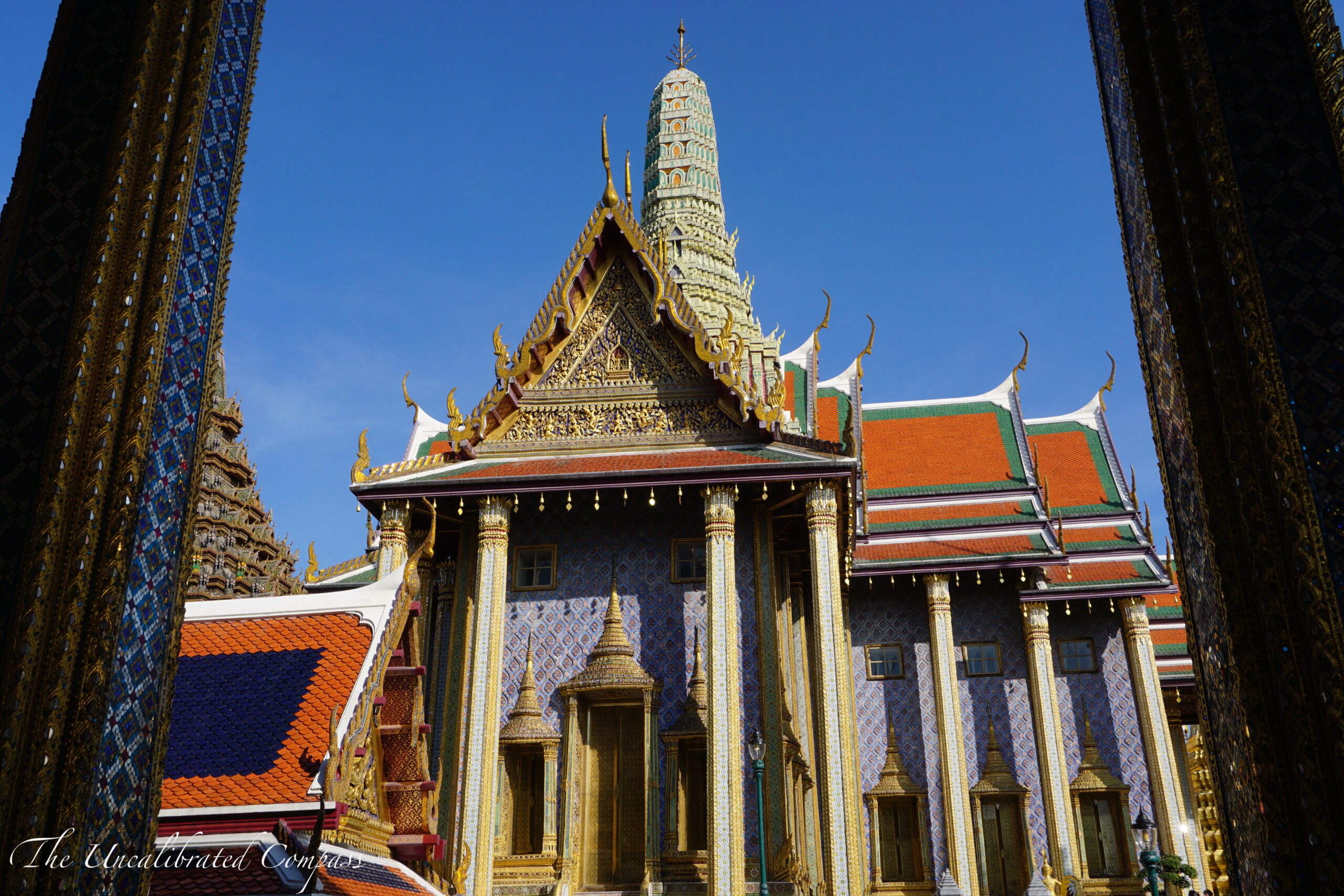
The Temple of the Emerald Buddha. The crown jewel of Thailand’s architectural heritage.
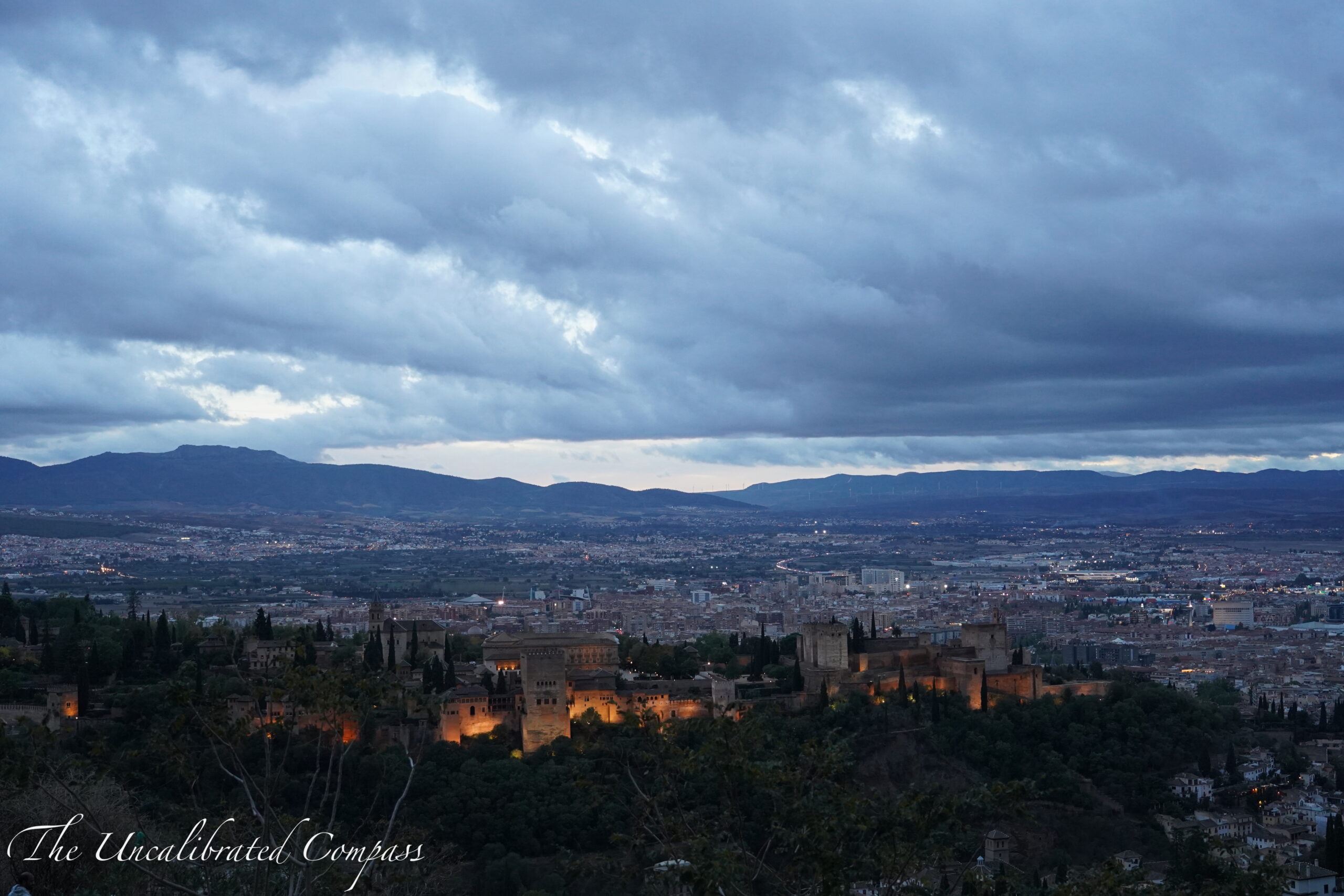
From the heights of the surrounding mountains, the Alhambra reveals its true scale—a sprawling complex of palaces and gardens that has defined the skyline of Granada since the 13th century. Granada, Spain.
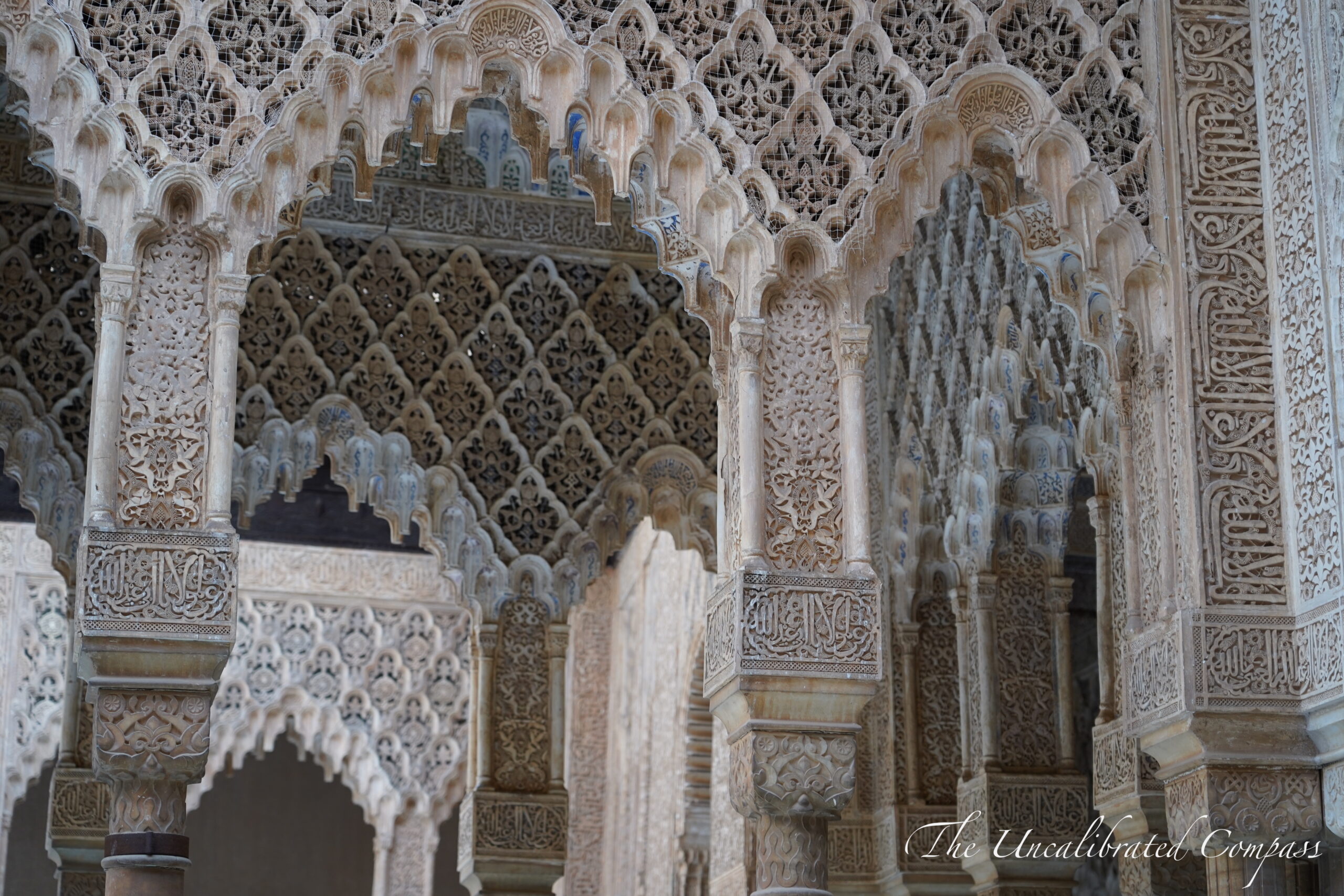
Inside the Alhambra.
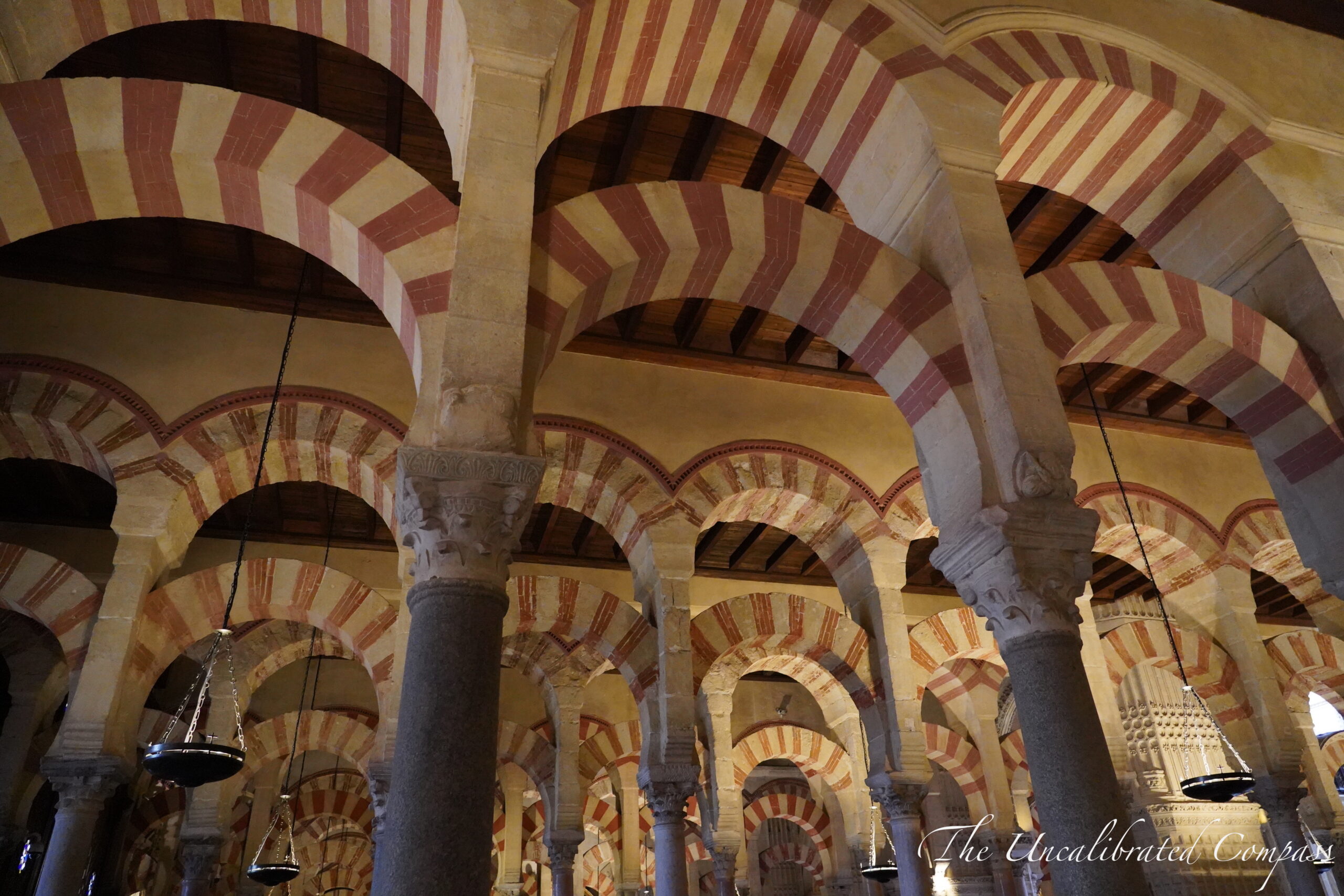
Seville Cathedral. These striped arches are the soul of the original 12th-century mosque, preserved within the heart of the world’s largest Gothic cathedral—a beautiful reminder that history is built in layers, not erased. Seville, Spain
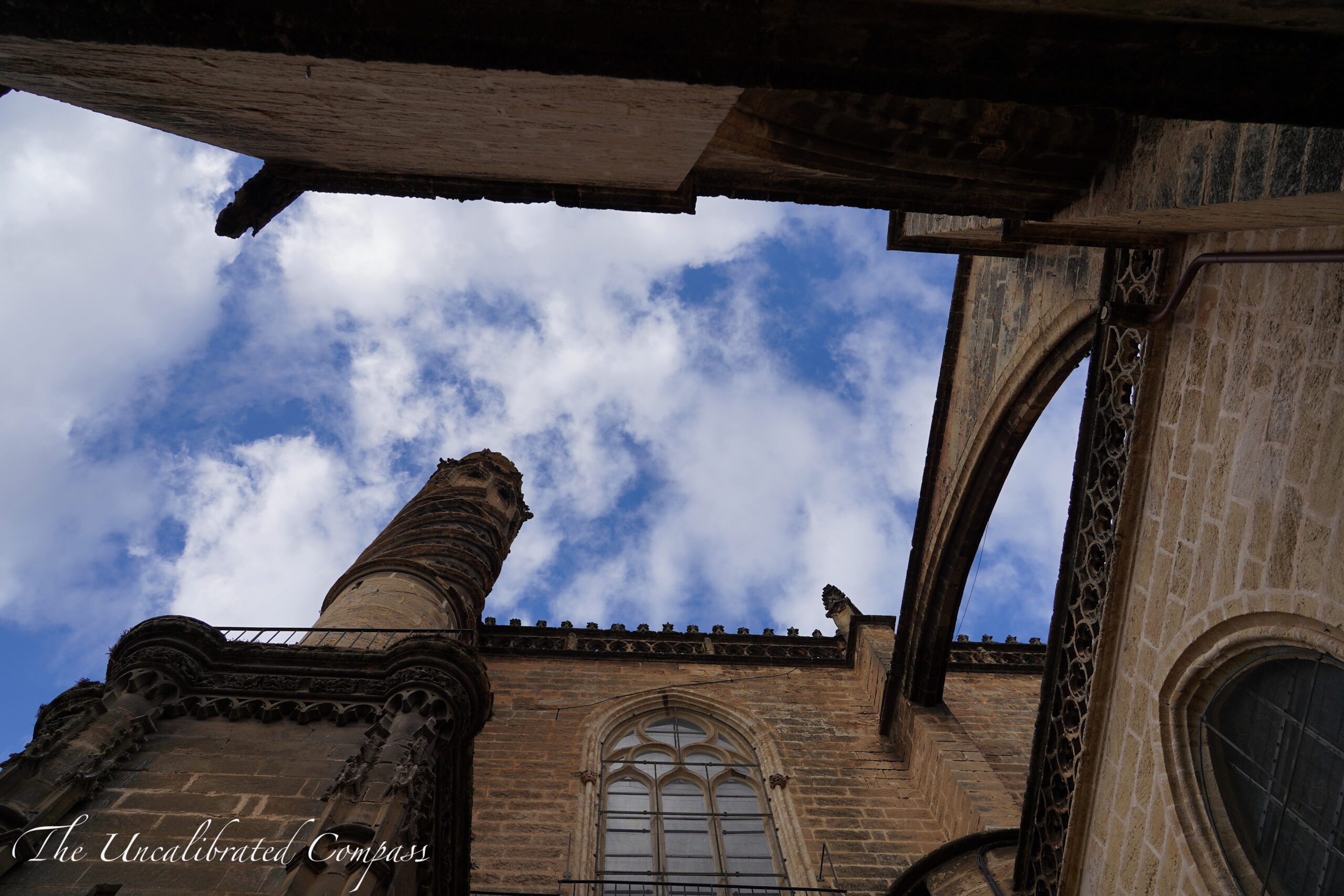
Stone Spired. A rooftop perspective of the Seville Cathedral.
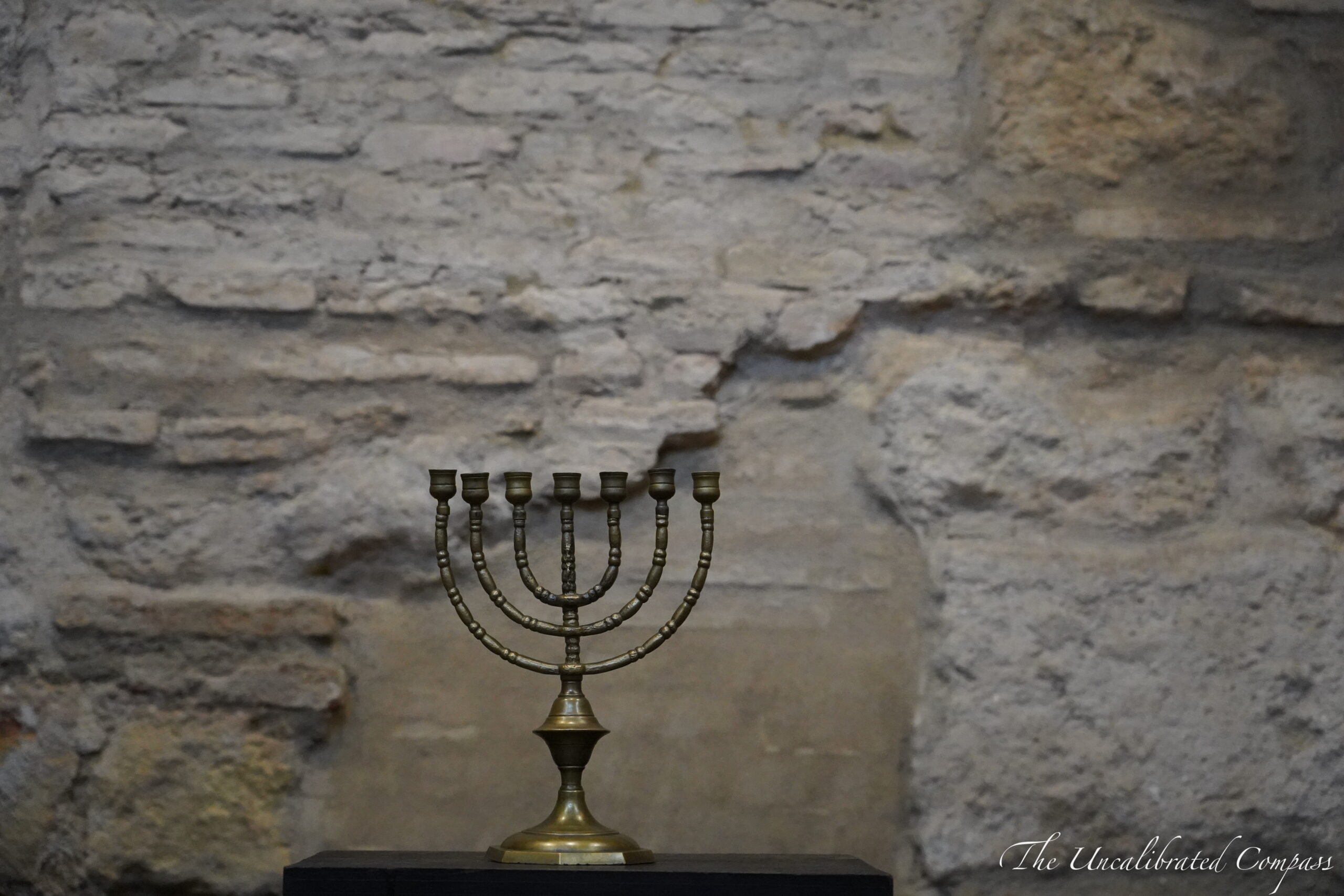
Enduring Light. A menorah against the ancient white walls of the Cordoba Synagogue. Cordoba, Spain.
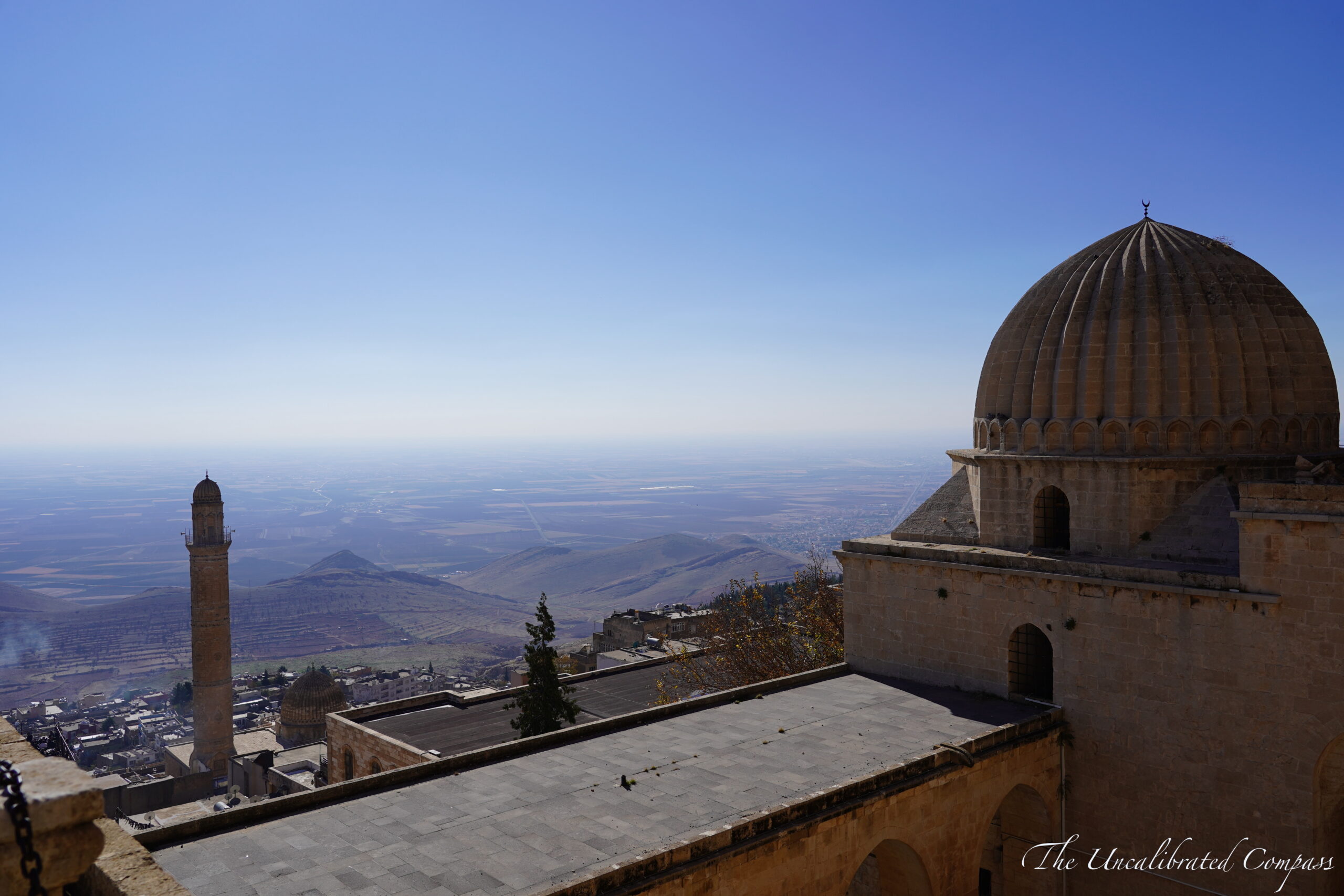
Standing atop the Zinciriye Medresesi, looking out over the golden Mesopotamian plains as they stretch toward the Syrian border. It’s a landscape that has seen the rise and fall of empires for millennia. Mardin, Türkiye.
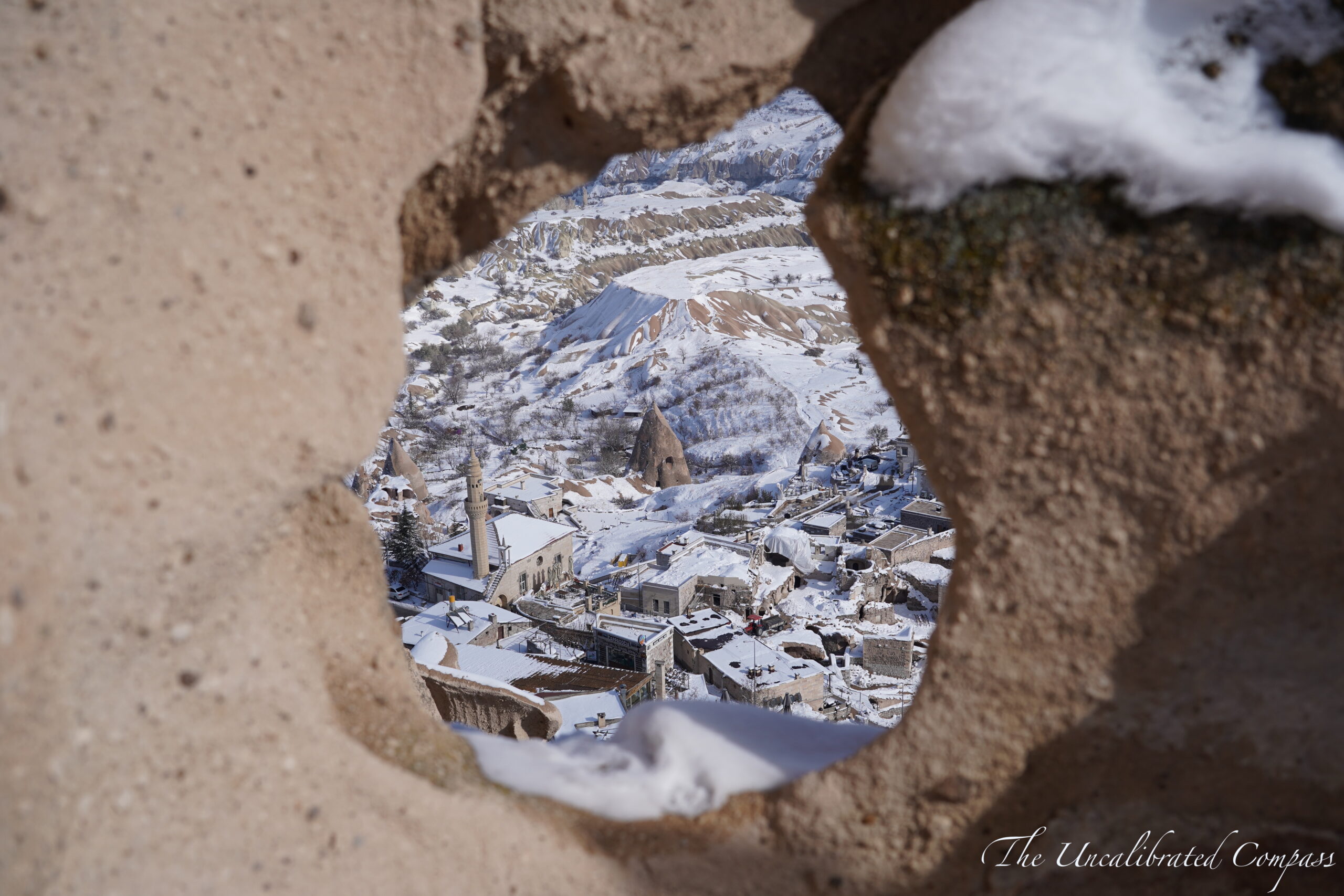
A Window into the Earth. Looking out from the high galleries of Uchisar Castle, you see a world literally sculpted throughout time. Cappadocia, Türkiye.
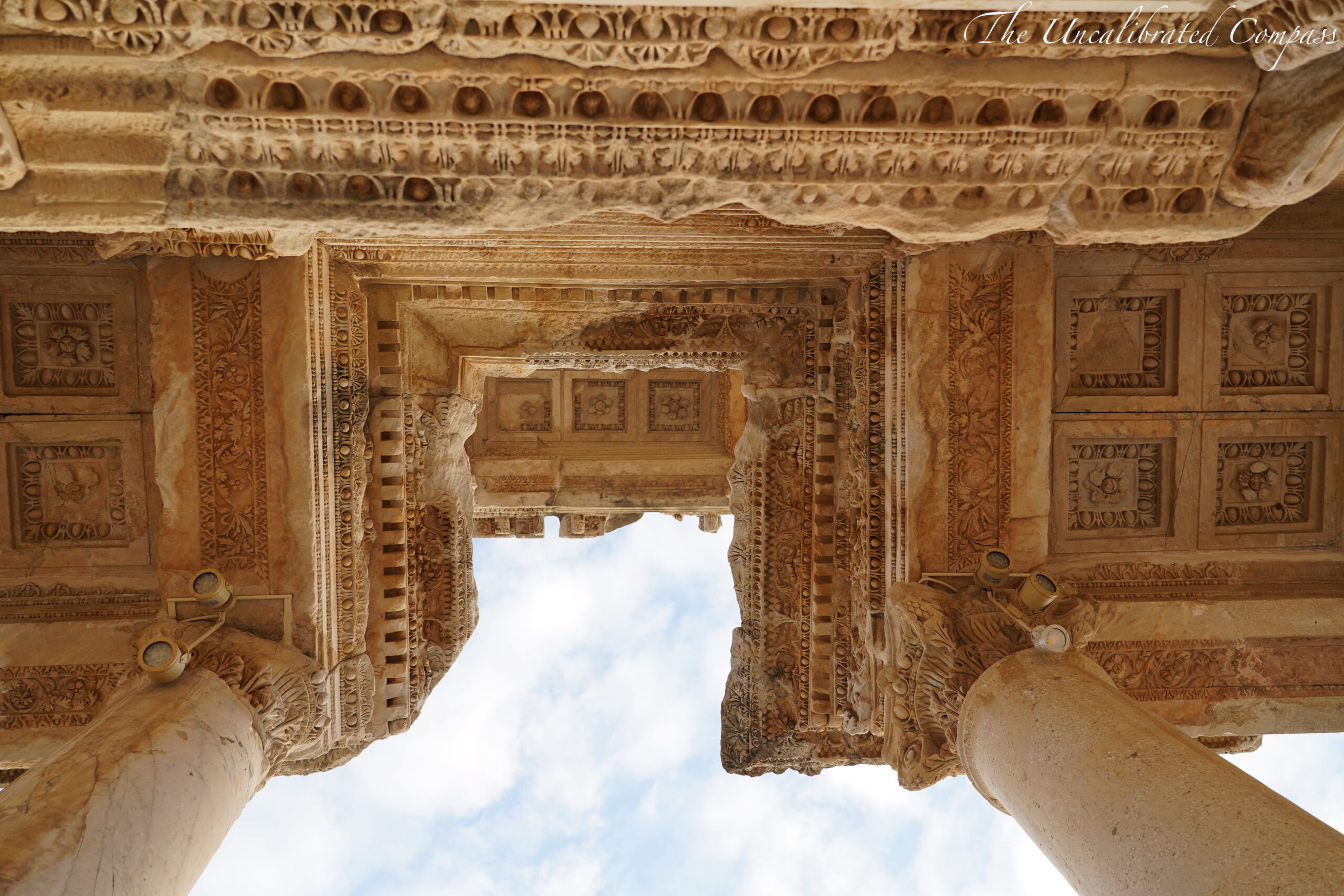
Classical Horizons. The upper reaches of the Library of Celsus meeting the sky. Ephesus, Türkiye.
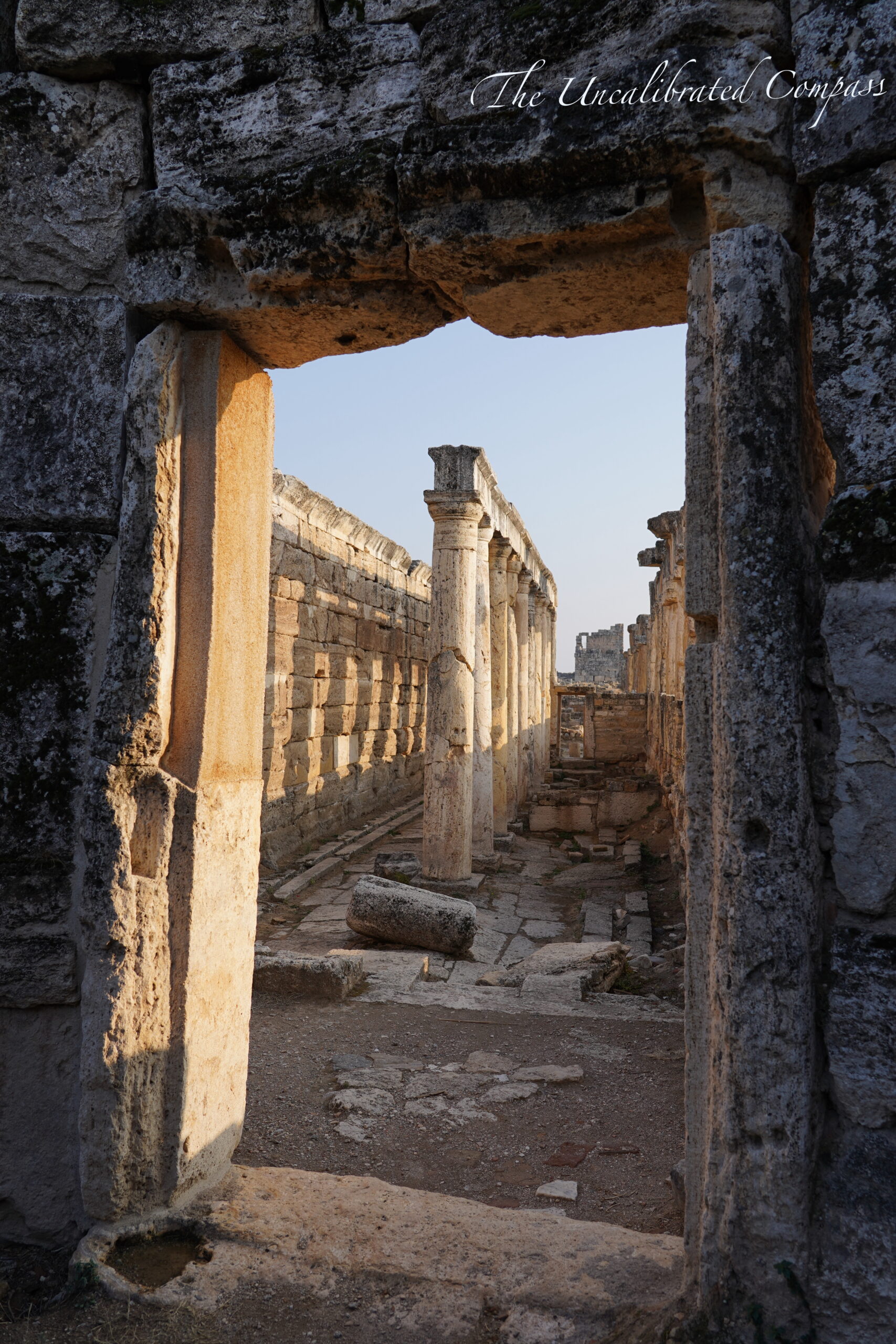
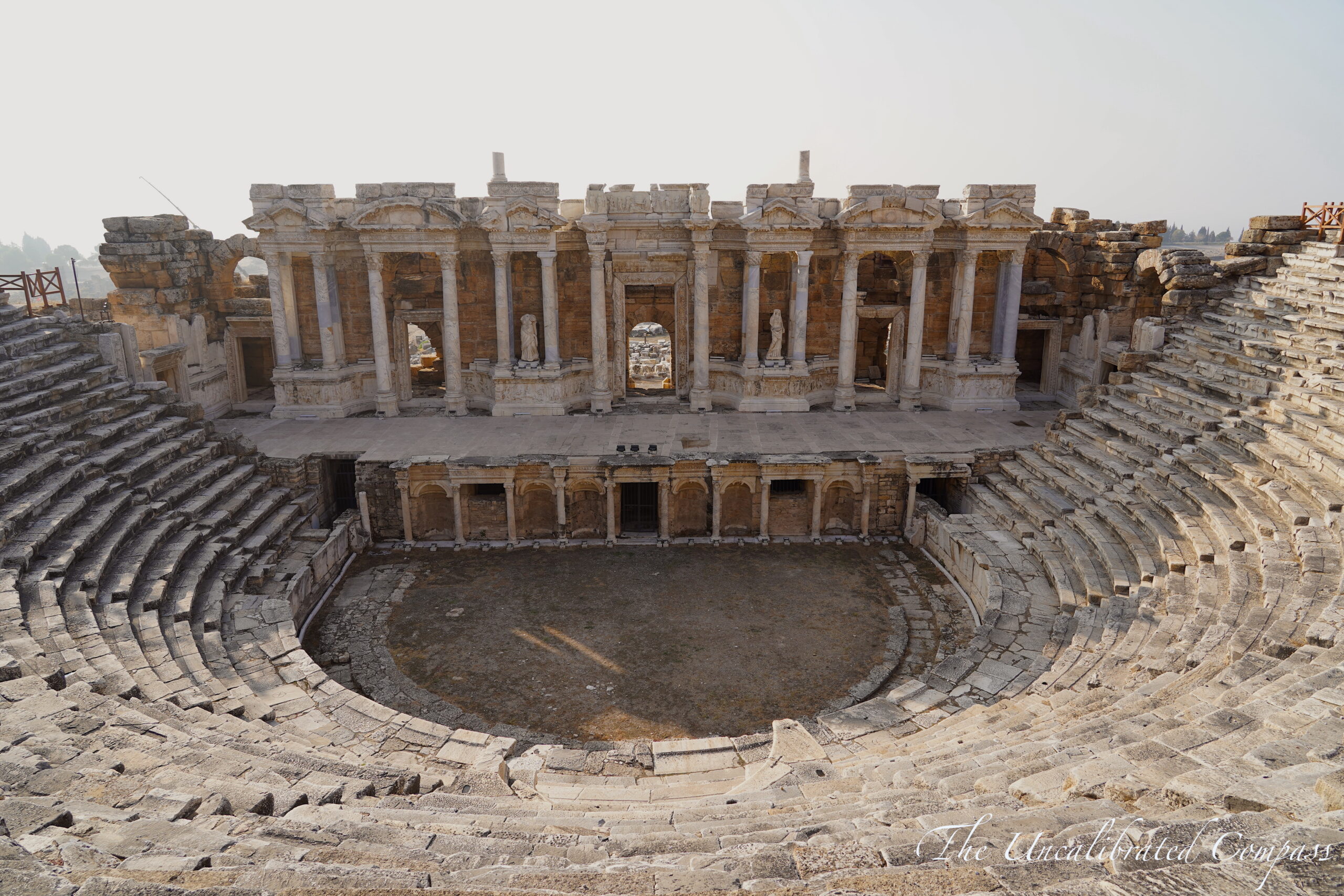
The ancient city of Hierapolis. Pamukkale, Türkiye.
Echoes in the stone. Sitting on these ancient benches, you can almost hear the roar of a Roman crowd. It’s a place where the ‘uncalibrated’ history of art and entertainment still feels alive in the sun-drenched marble. Pamukkale, Türkiye.
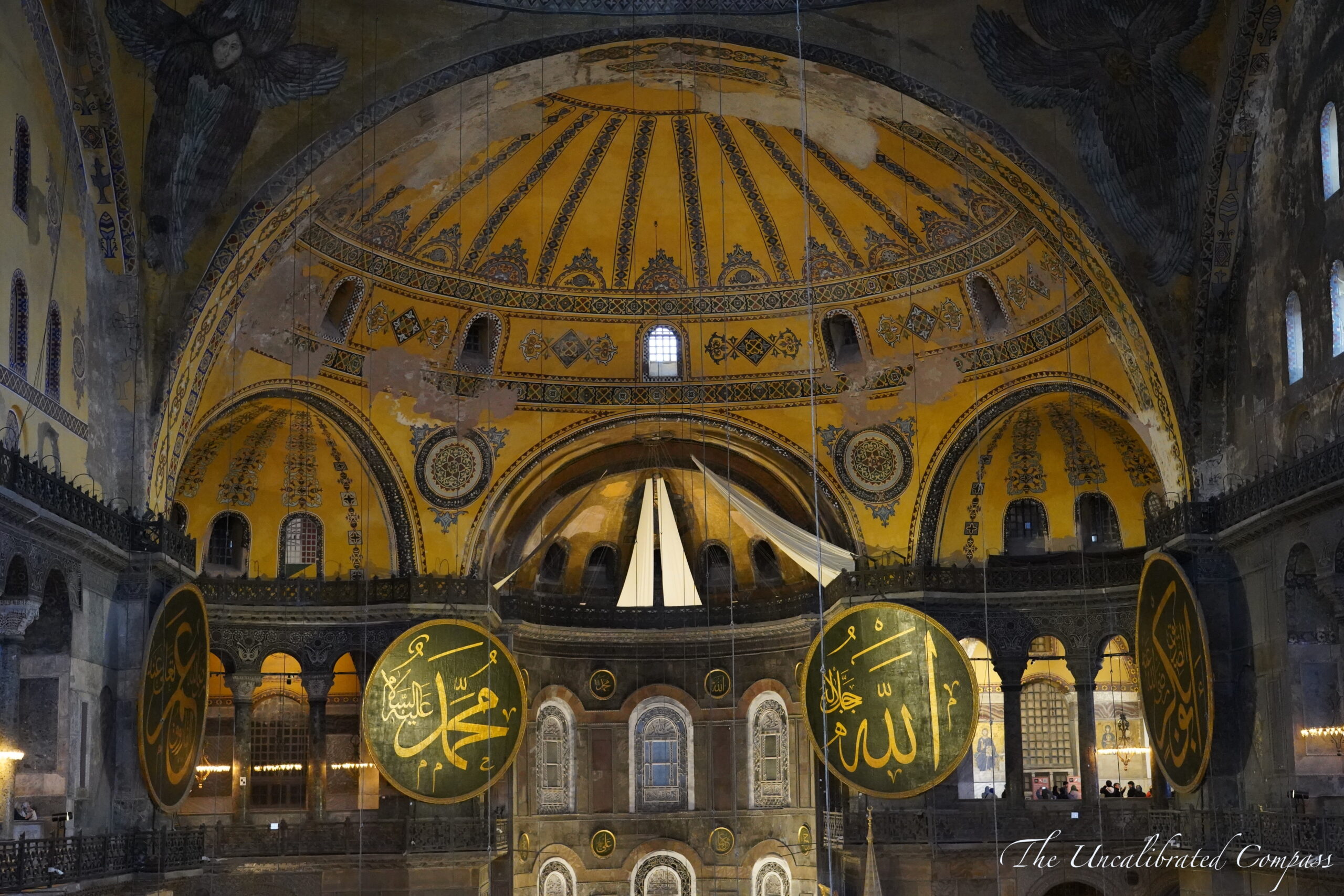
The Pulse of Istanbul. For over 1,500 years, this dome served as the spiritual and political anchor for emperors and sultans alike, projecting the might of Istanbul to the rest of the world. Istanbul, Türkiye.
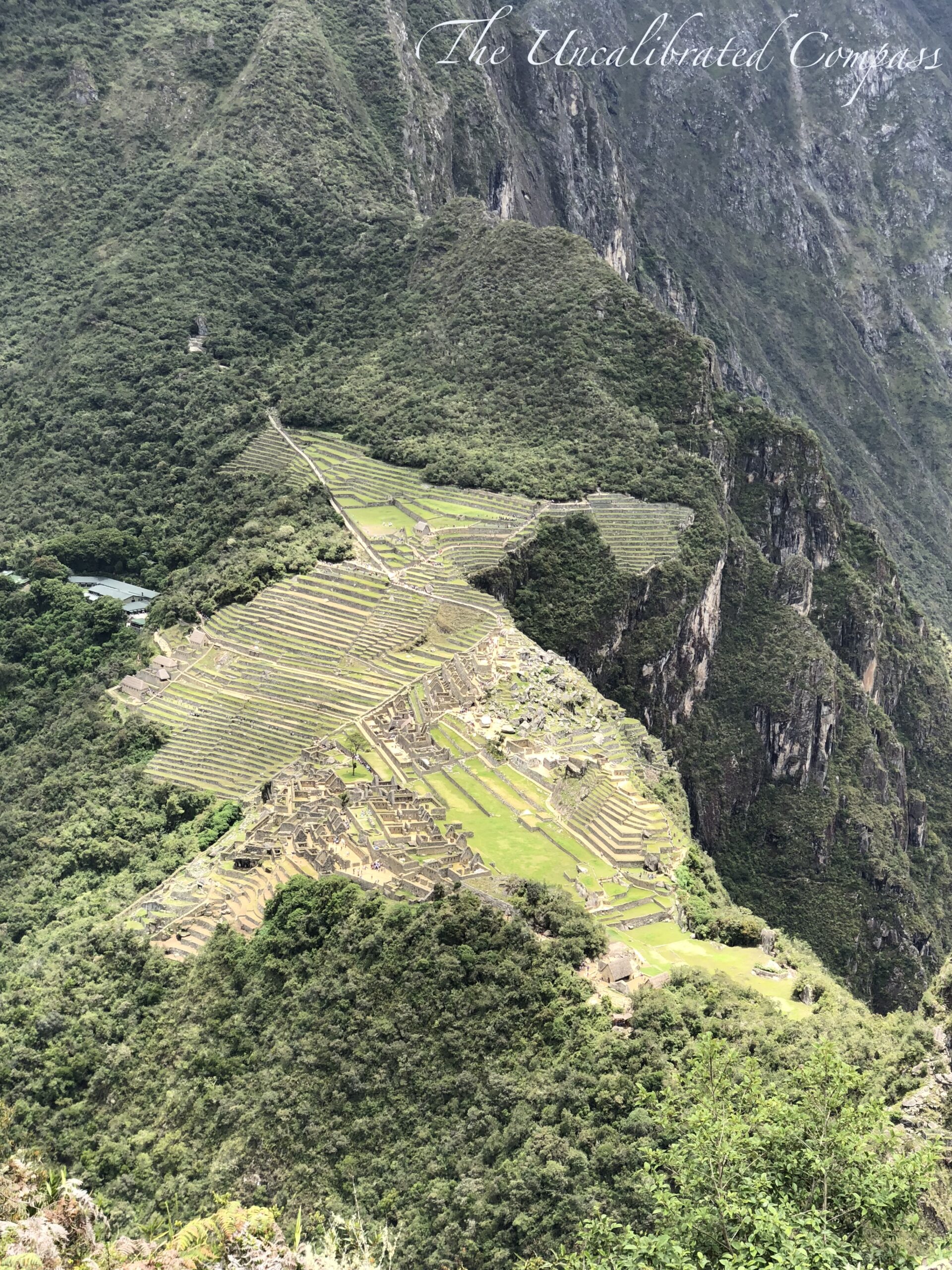
The Crown of the Andes. From this height (Huayna Picchu), you can see how the Incas masterfully integrated their city into the mountain’s ridges, creating a fortress that remained hidden from one empire while anchoring another. Machu Picchu, Peru.
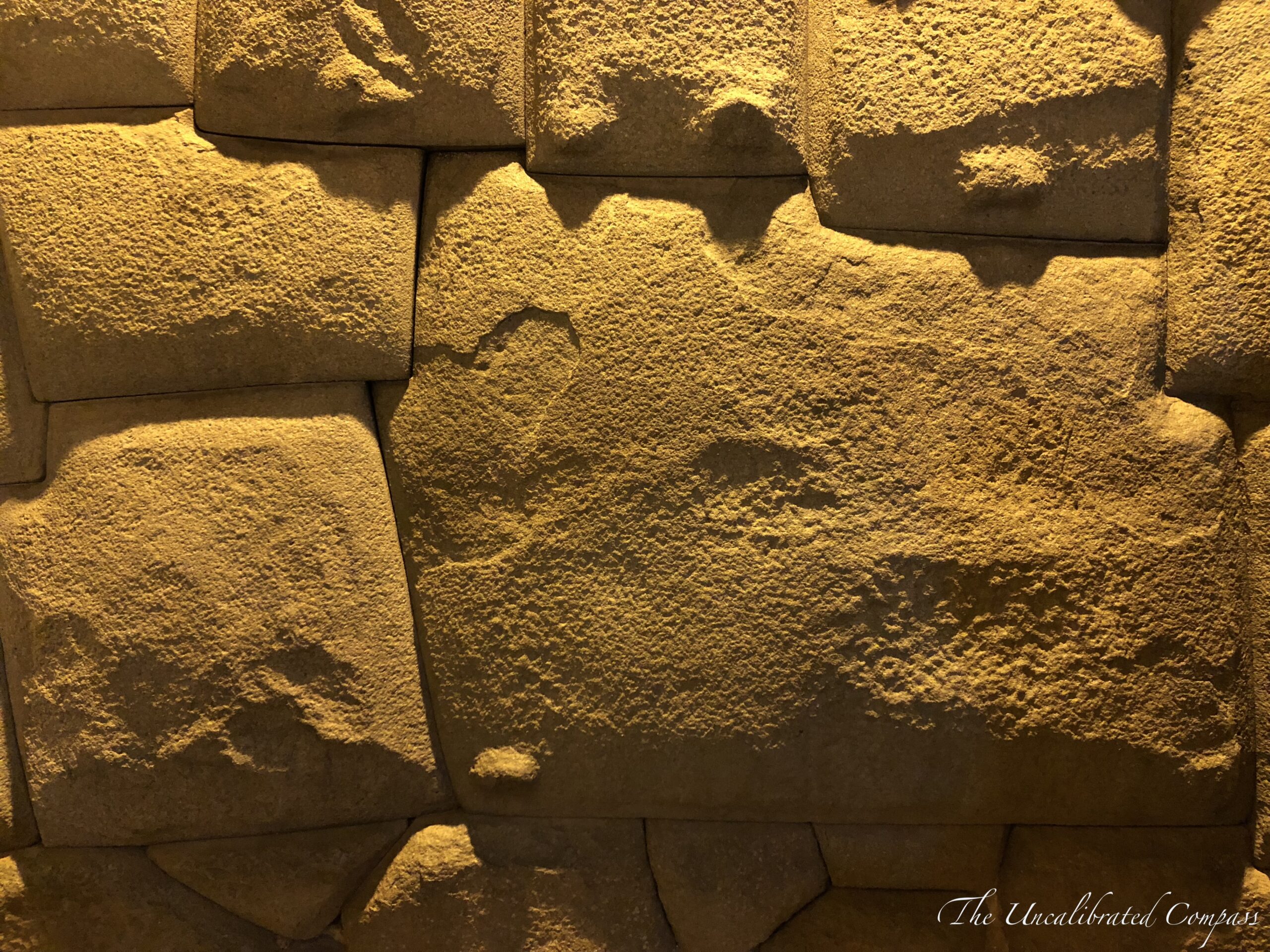
The Perfection of the Past. Twelve angles, one solid piece of stone. The Incan stonework in Cusco remains a marvel of engineering, proving that ‘uncalibrated’ tools in the hands of masters could achieve a precision that still baffles modern architects. Cusco, Peru.
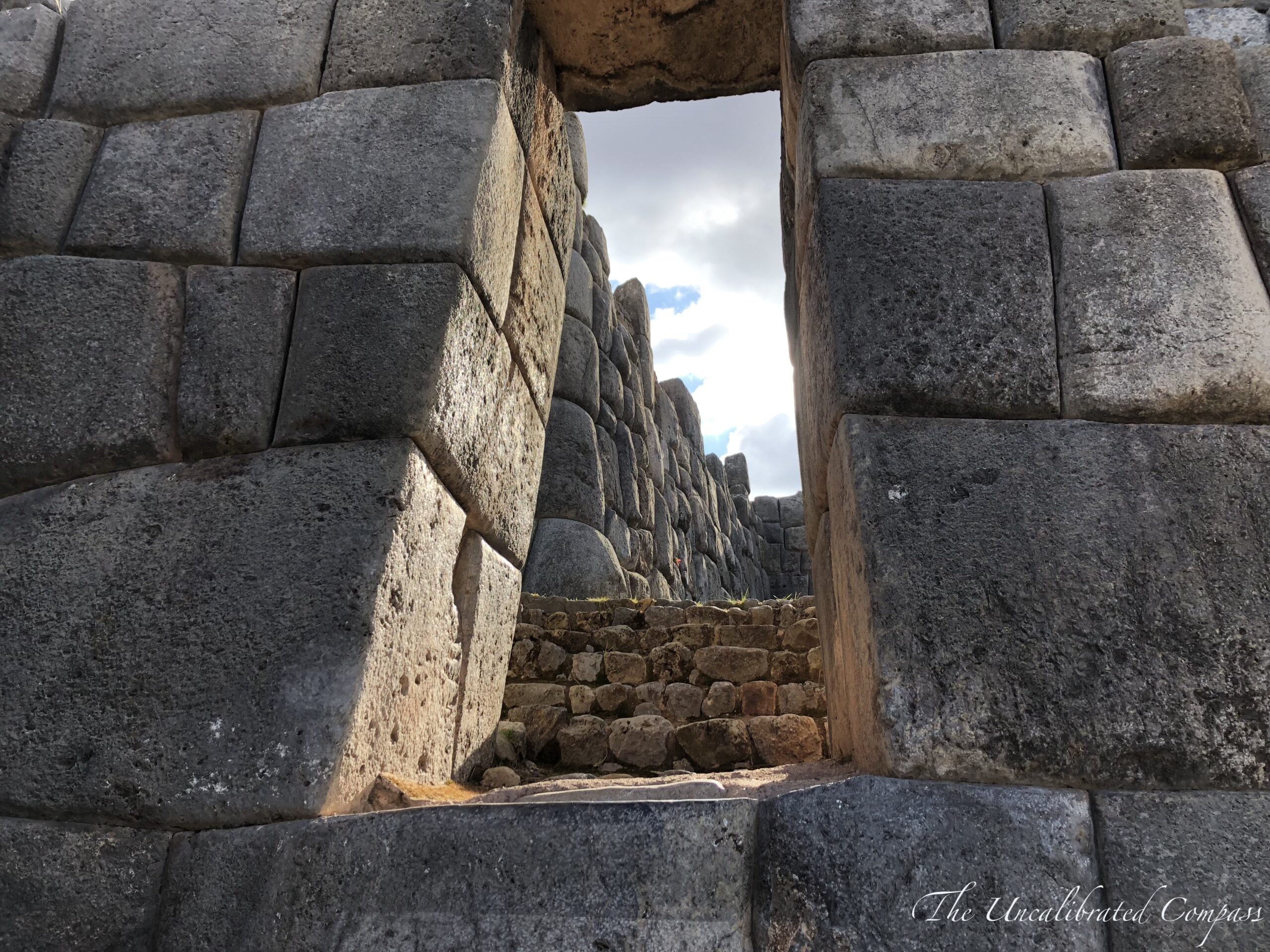
Framing the past. Looking through these massive stone blocks in Saqsaywaman, you realize the ‘uncalibrated’ genius of a civilization that moved boulders weighing tons and fit them together with the precision of a watchmaker. Cusco region, Peru.
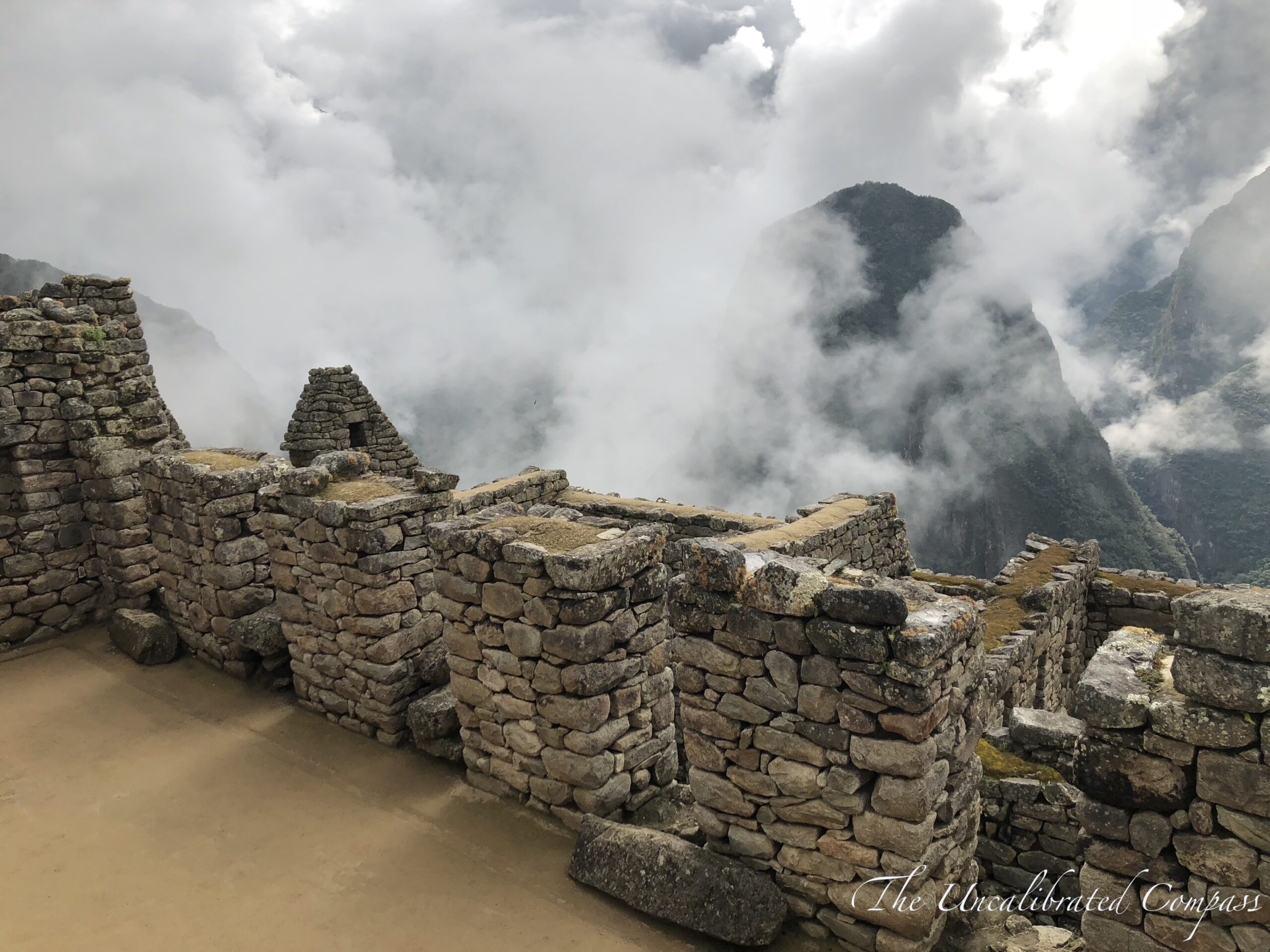
The City in the Clouds. Watching the mist weave through the stone gateways of Machu Picchu is a reminder that some of the world’s greatest wonders are best seen when they are half-hidden from view.
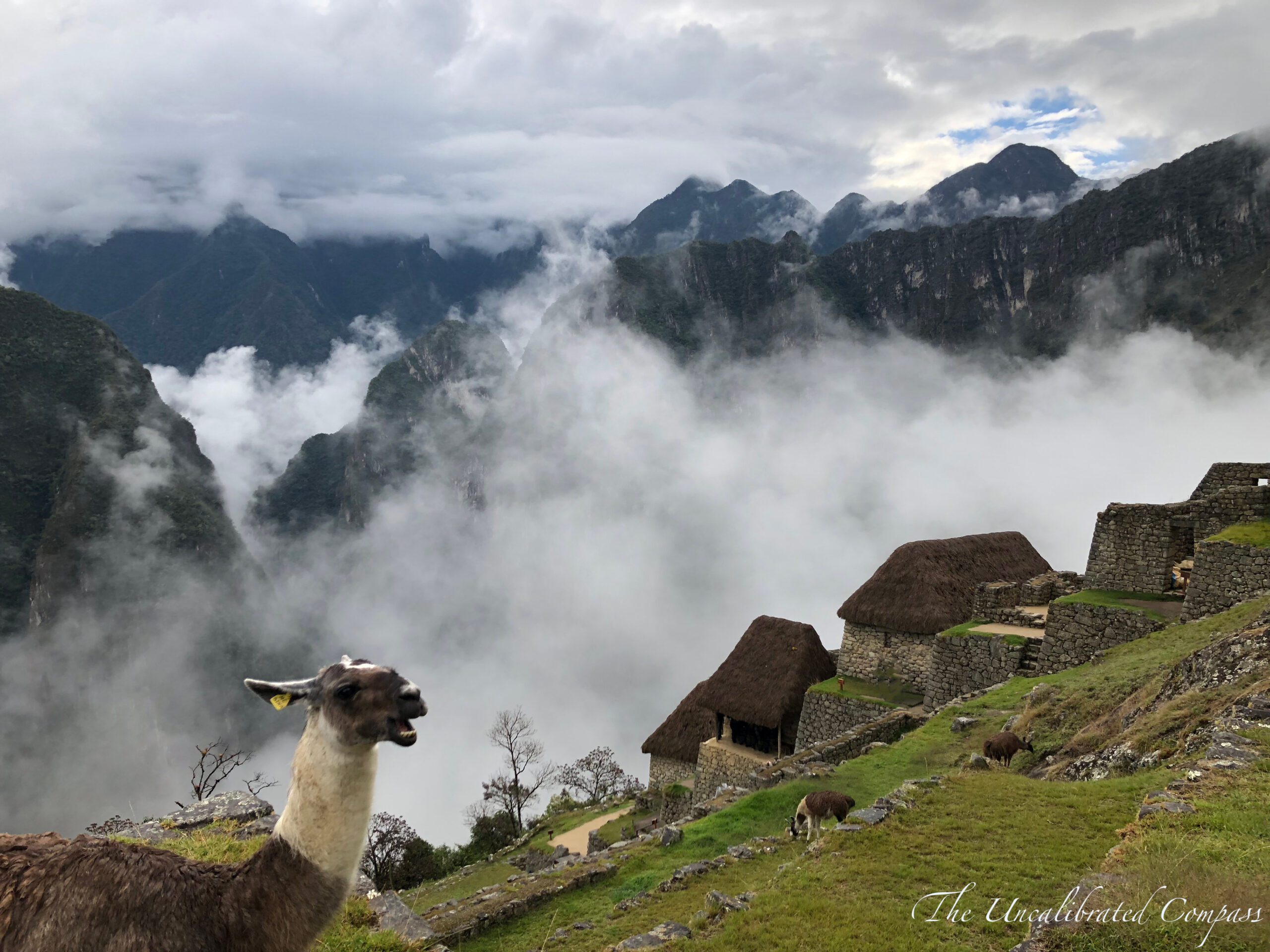
When the locals have something to say. I came for the Incan engineering, but I stayed for the llama commentary. A perfectly uncalibrated moment at the heart of the Andes. Machu Picchu, Peru.
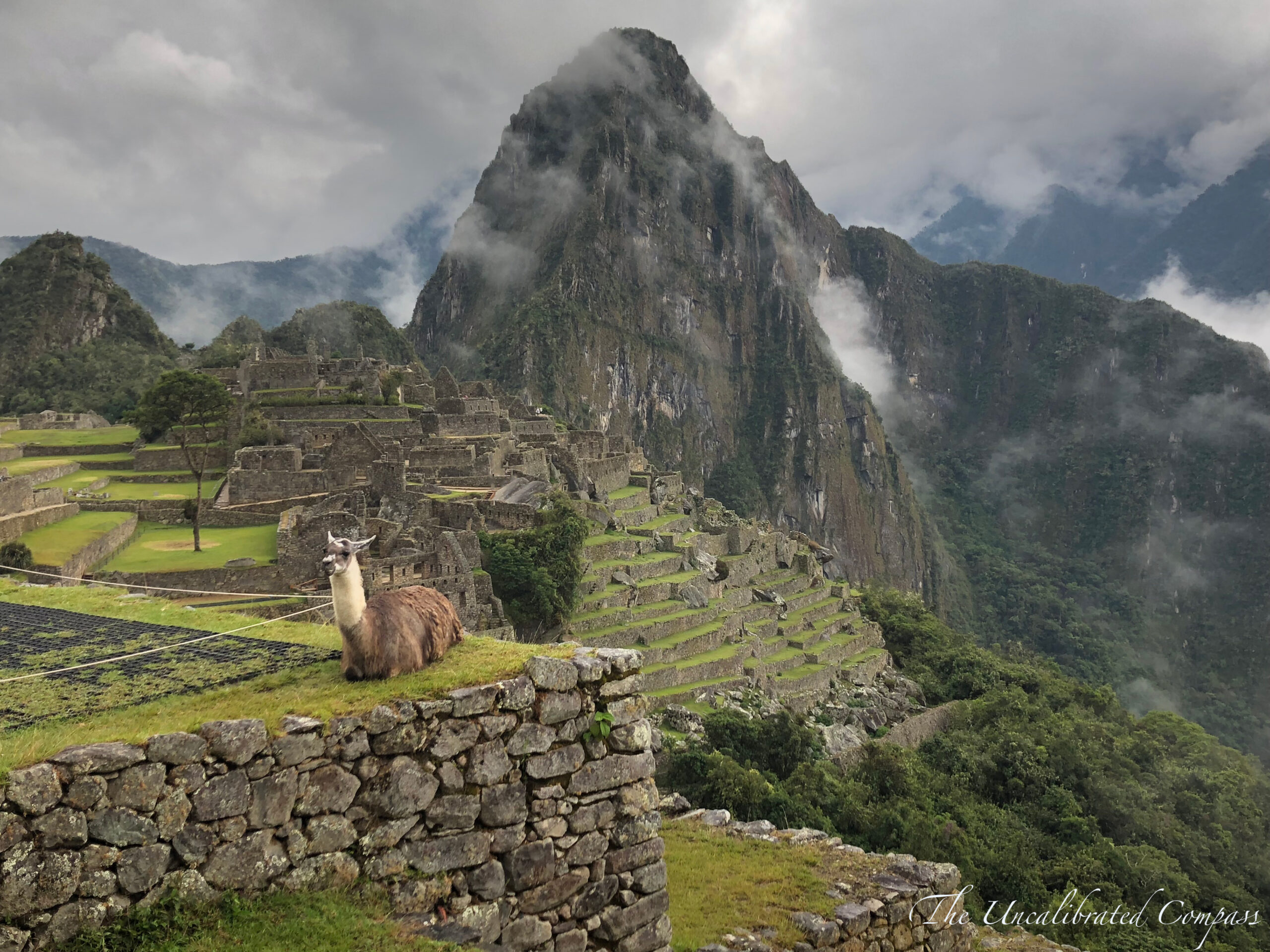
The Sentinels of the Sky. No view of Machu Picchu is complete without its resident llamas. They stand as silent guardians over the stone terraces, a living link to the Incan past. Machu Picchu, Peru.
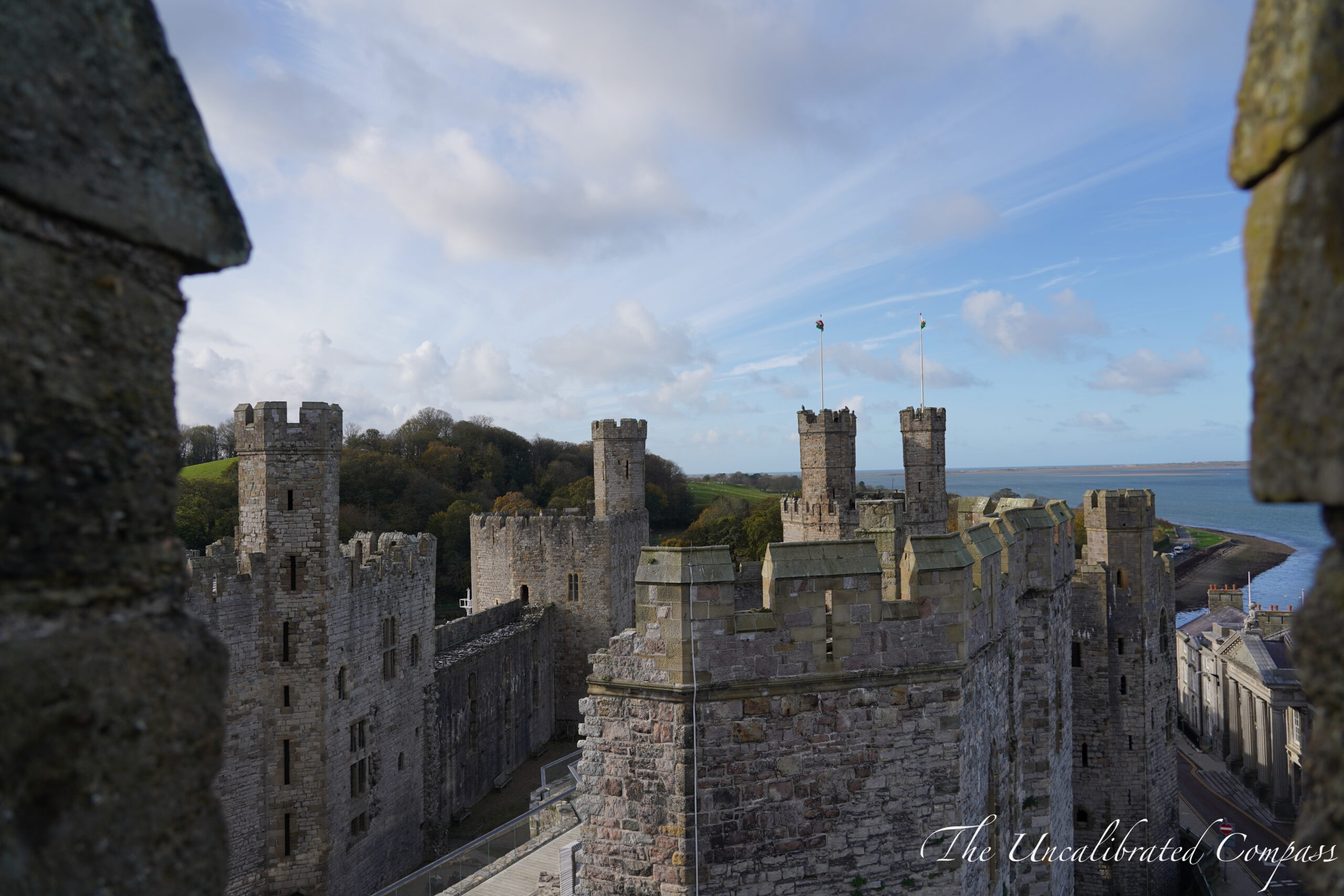
The Iron Ring. Standing tall on the banks of the River Seiont, Caernarfon Castle remains one of the most formidable shadows ever cast over the Welsh landscape. Caernarfon Castle, Wales.
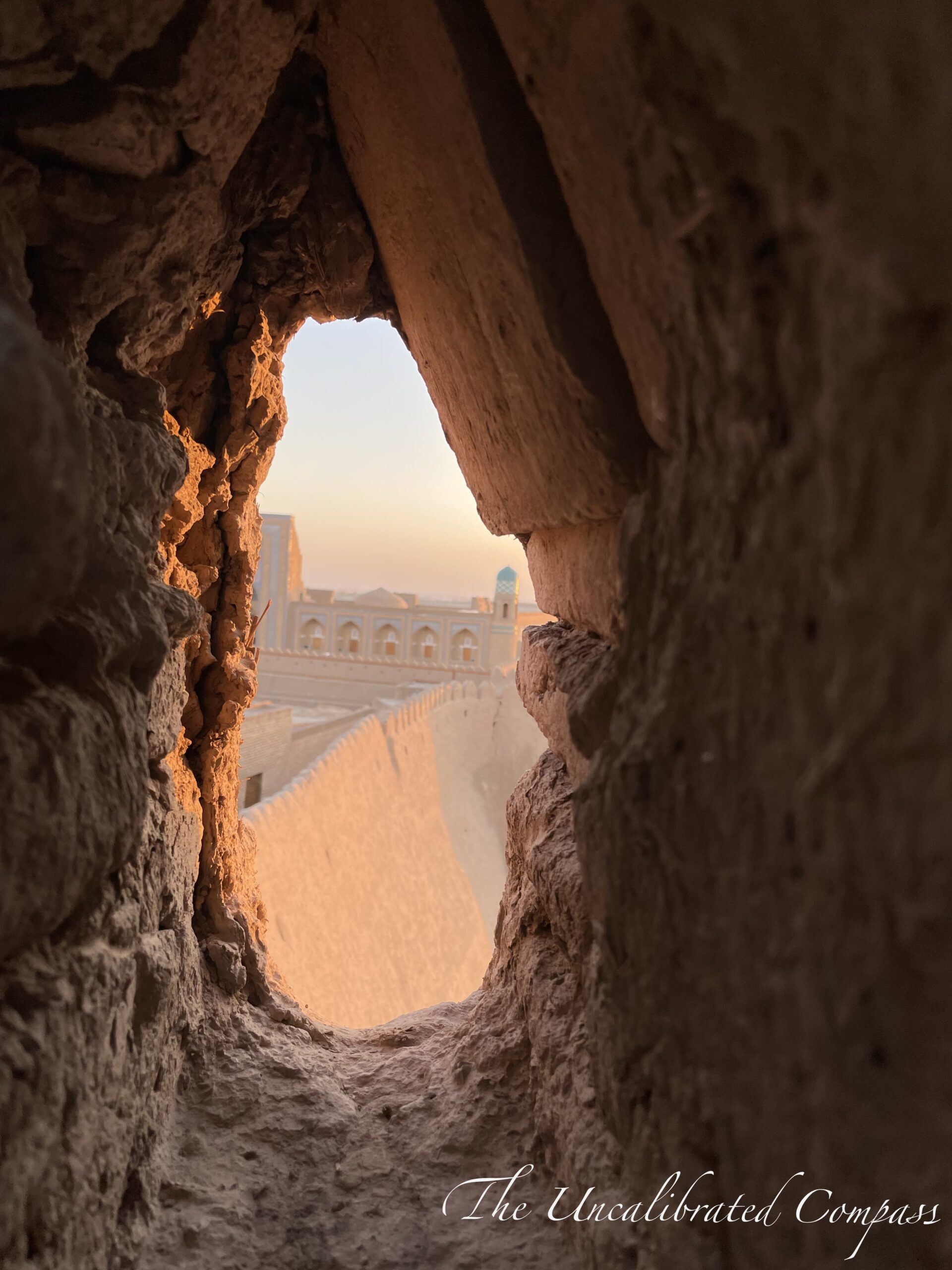
Through the Eye of the Needle. A glimpse of Khiva’s timeless skyline, framed by the very mud-brick walls that have protected this Silk Road oasis for centuries. Khiva, Uzbekistan.
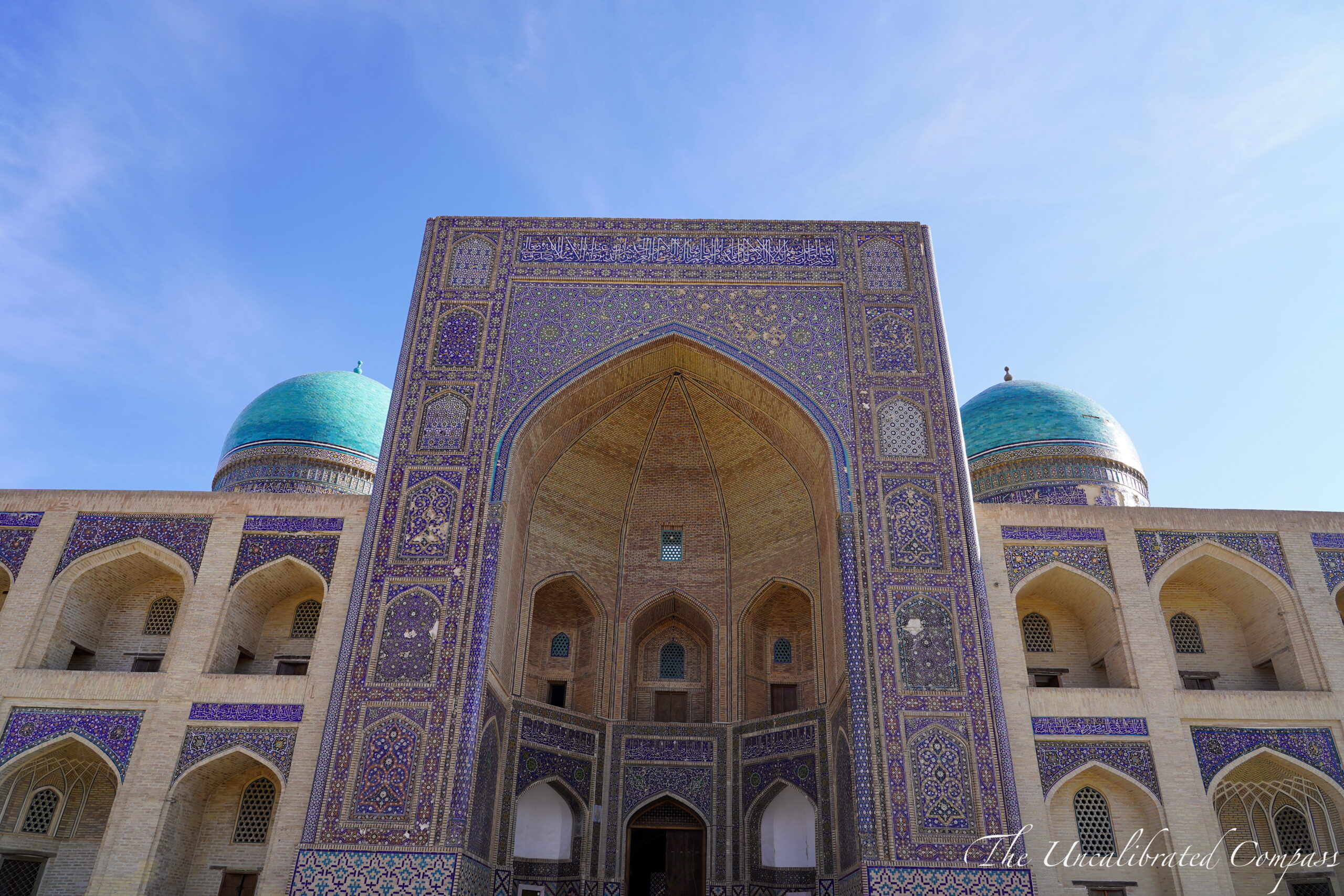
The Blue Domes of Bukhara. For centuries, the Mir-i-Arab Madrasa has stood as a beacon of learning and a masterpiece of Islamic architecture, its vibrant tiles defying the desert sun. Bukhara, Uzbekistan.
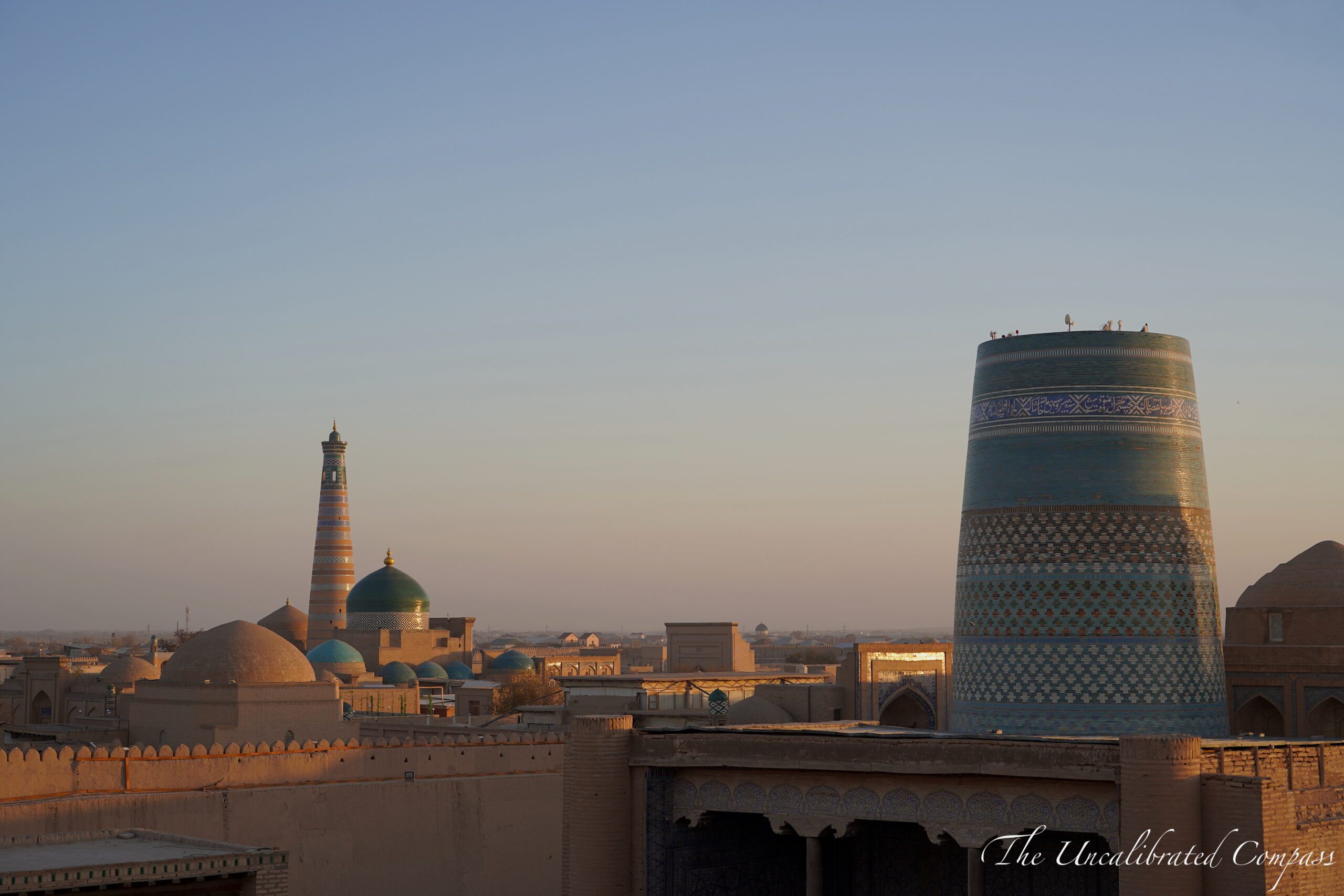
The Sand-Colored Sanctuary. From the rooftops, Khiva reveals itself as a sprawling maze of mud-brick and turquoise—a desert fortress that has refused to let the modern world in. Khiva, Uzbekistan.
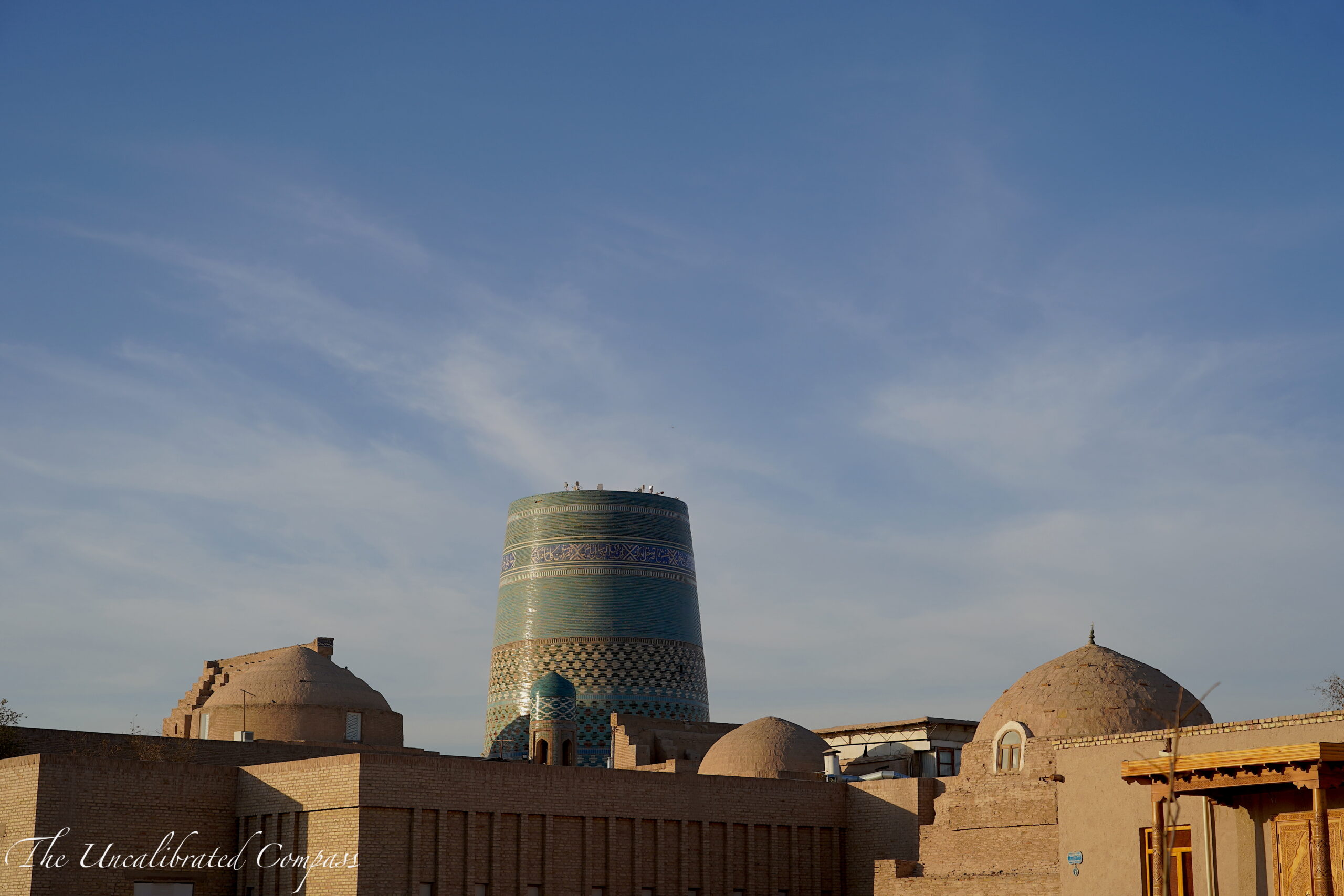
The Turquoise Anchor. Khiva’s most iconic landmark (Kalta Minor Minaret) standing bold against the desert clay. Khiva, Uzbekistan.
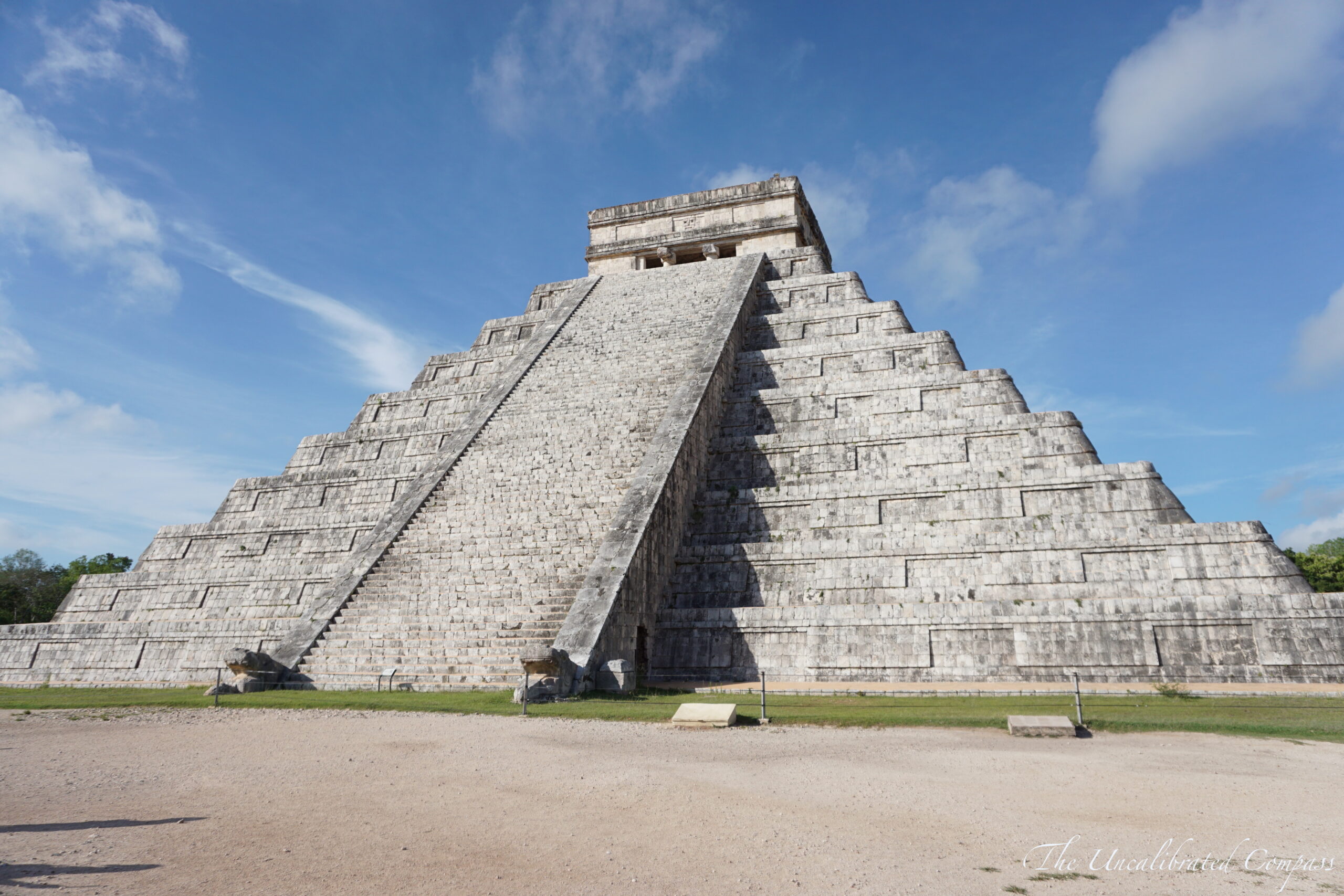
The Temple of Kukulcan at Chichén Itzá. Calculated in Stone. The Temple of Kukulcan is a masterpiece of Mayan mathematics. With 365 steps—one for each day of the year, this pyramid is a physical clock. Chichén Itzá, Mexico.
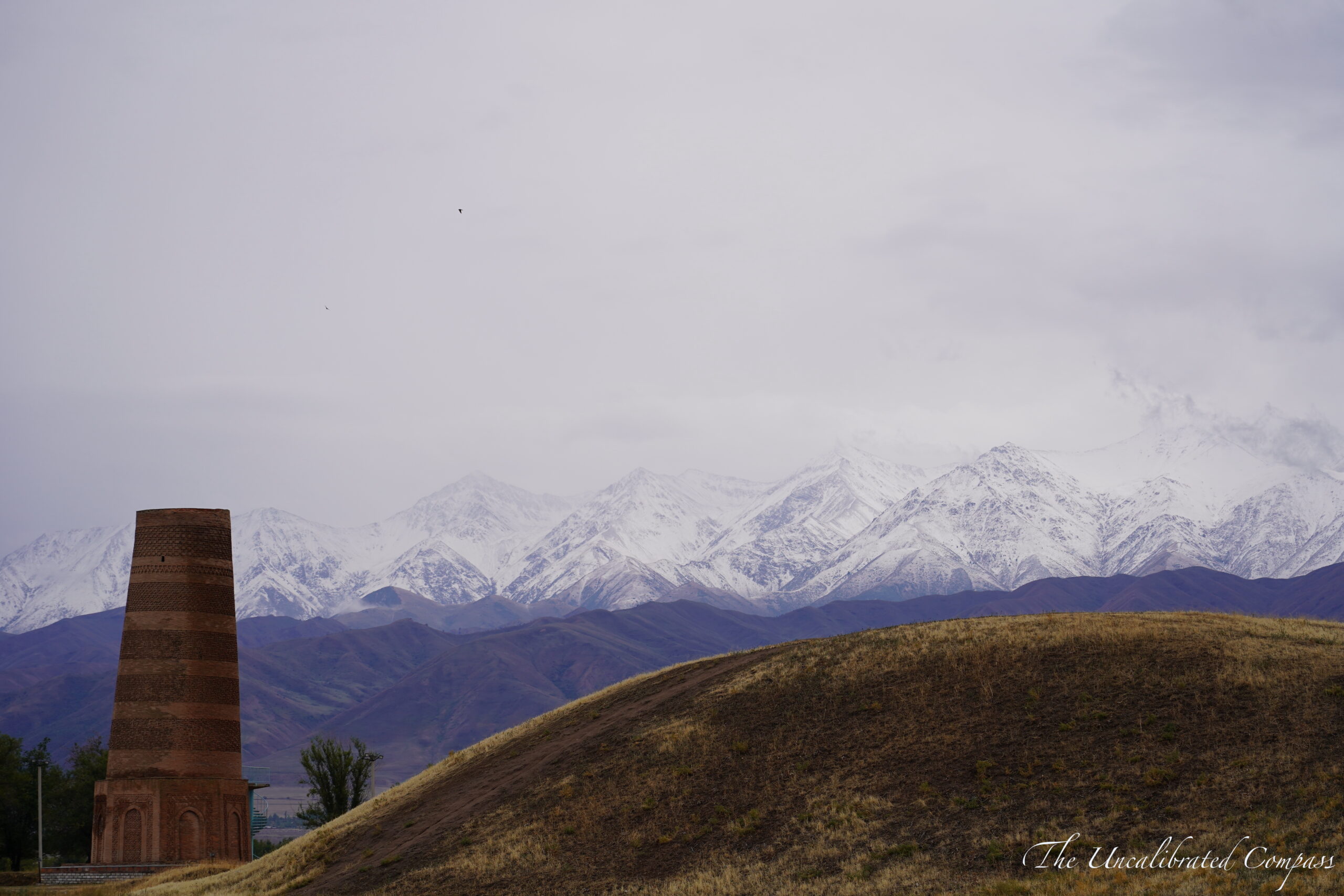
A Beacon in the Valley. Once a towering minaret on the Silk Road, the Burana Tower remains a solitary guardian of the Chuy Valley. Standing against the backdrop of the snow-capped Tian Shan, it’s a silent reminder of the vast empires that once traversed these mountain passes. Burana Tower, Kyrgyzstan.
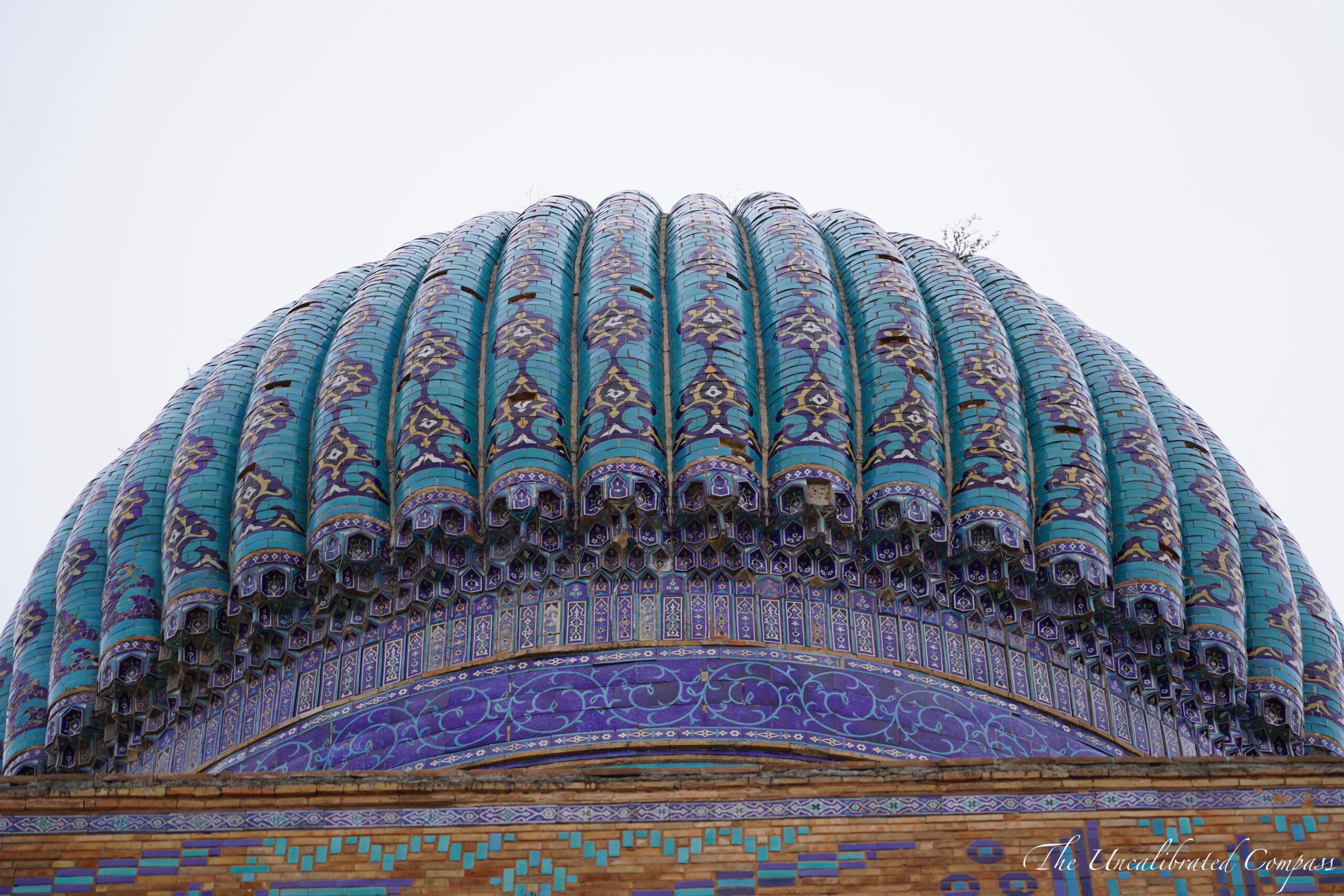
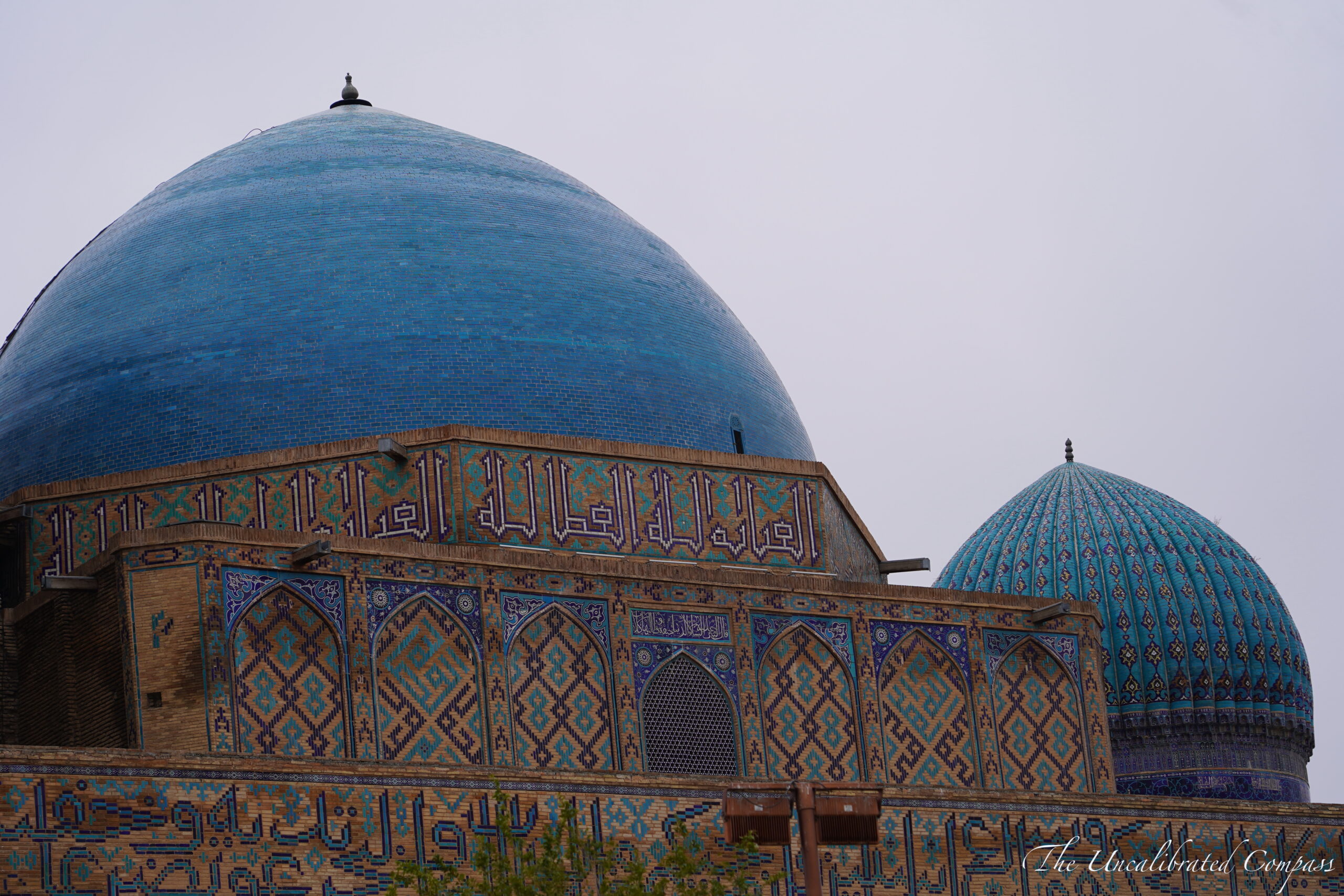
Details of the Steppe. While the vastness of Kazakhstan is breathtaking, it’s the intricate close-ups that tell the real story. This dome has weathered centuries of sun and wind, its ‘uncalibrated’ patterns still as sharp as the day they were fired. Turkestan, Kazakhstan.
Silk Road Majesty. The grand facade of the Mausoleum of Khoja Ahmed Yasawi in Turkestan, Kazakhstan.
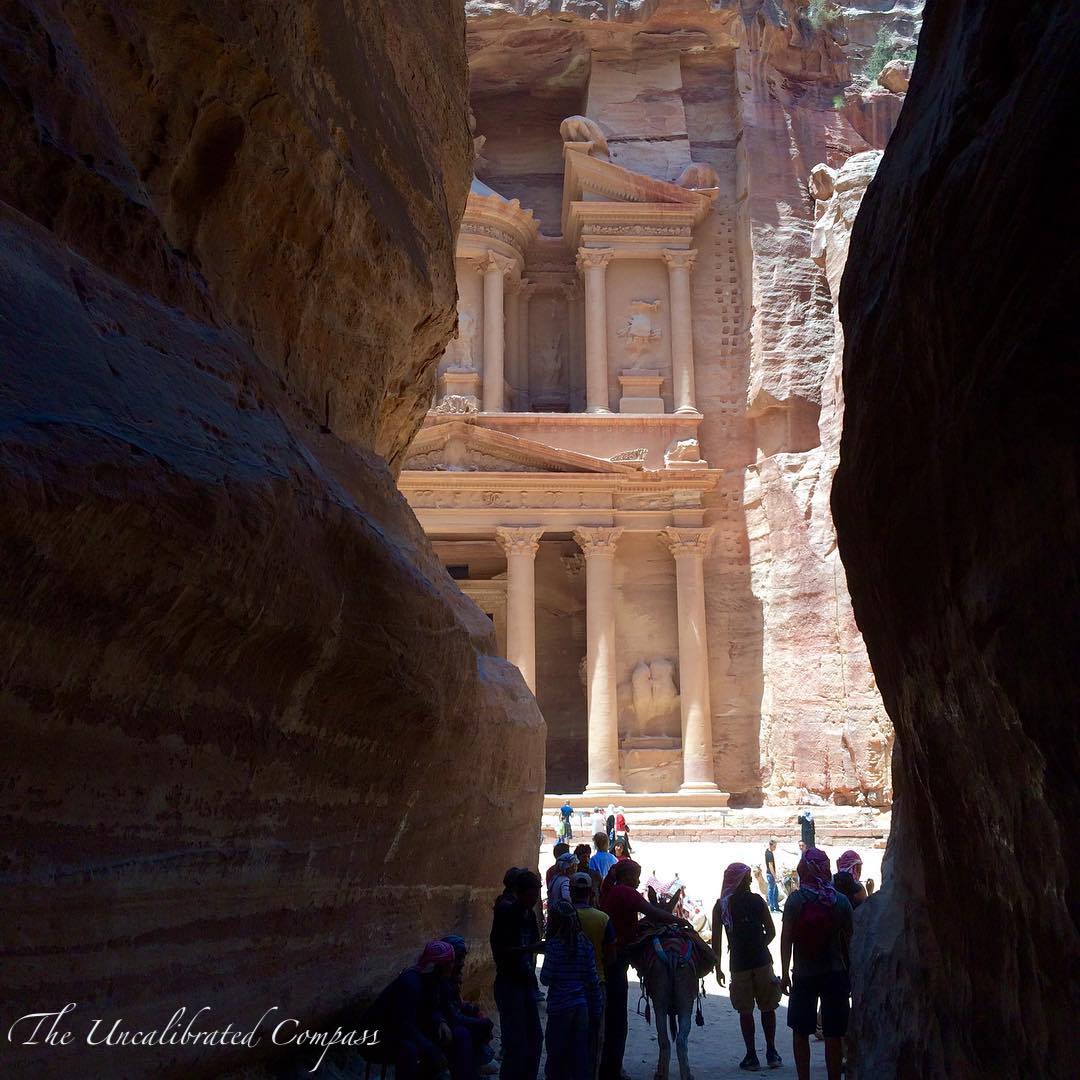
Light in the Rose City. A first look at the Treasury of Petra through the walls of the gorge. Petra, Jordan.
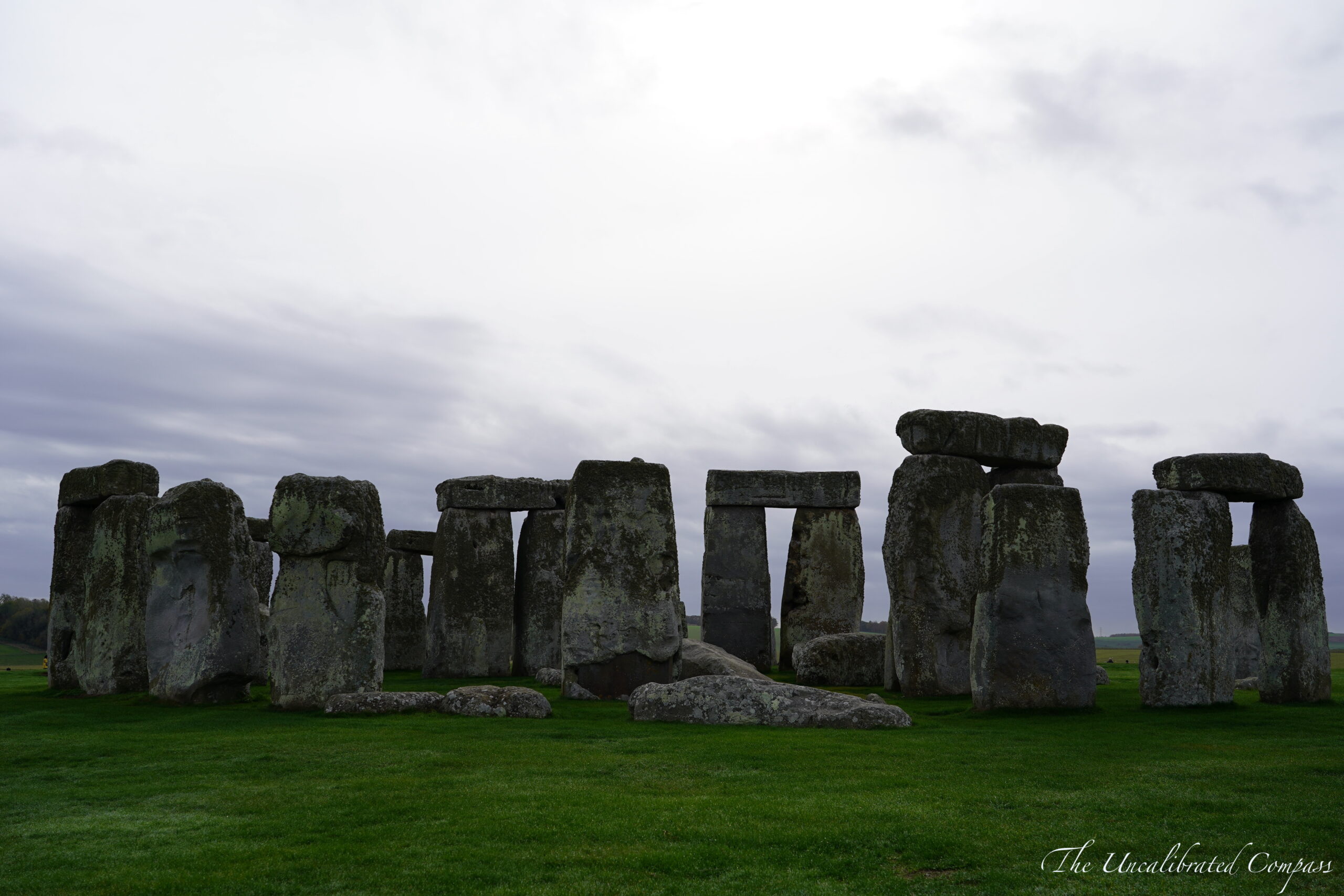
Stone and Sky. A humid morning at Stonehenge, where the heavy clouds meet the ancient horizon. Stonehenge, England.
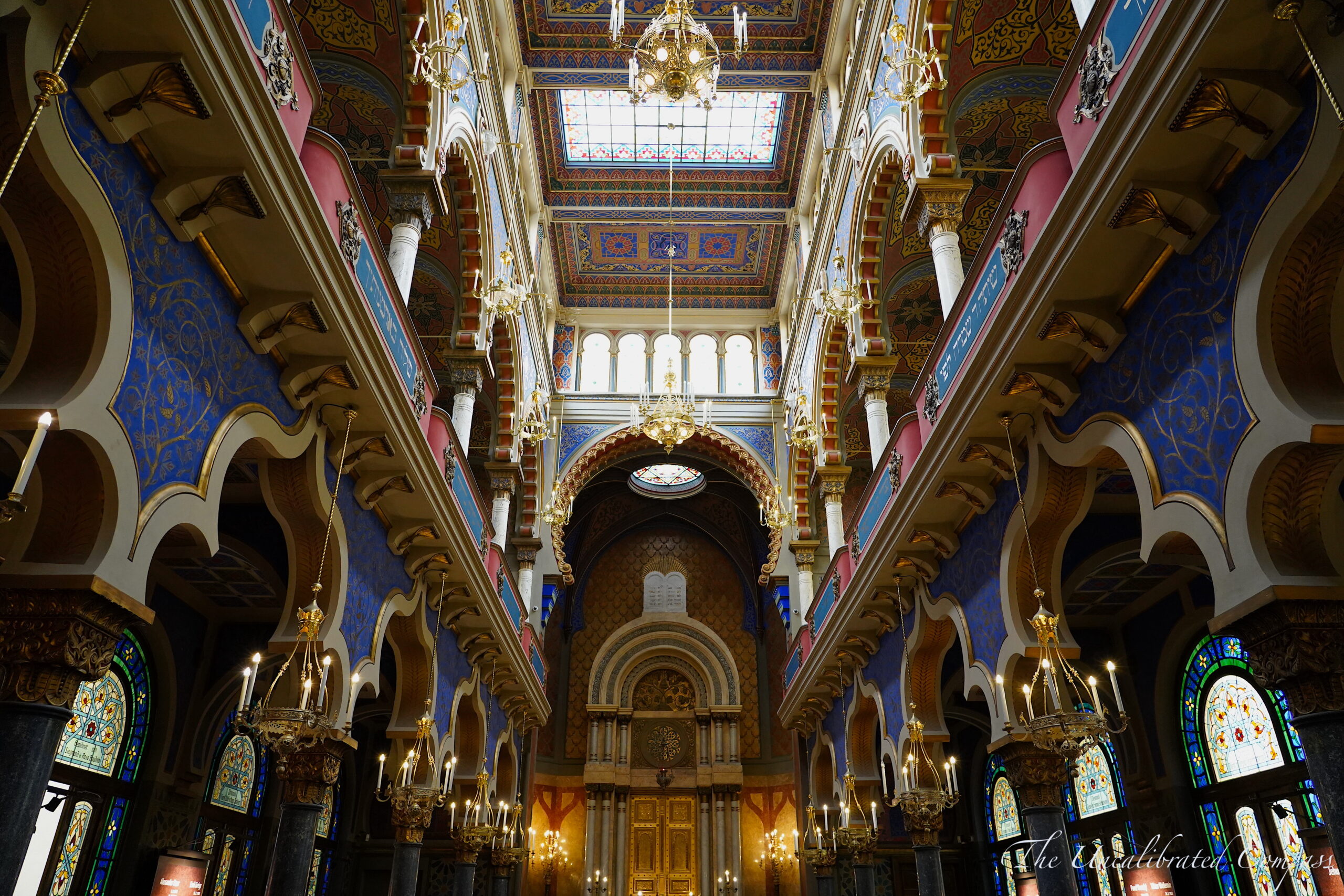
The stunning Moorish Revival interior of the Jerusalem Synagogue. In the heart of Prague’s old streets lies this explosion of color. It’s an ‘uncalibrated’ mix of styles that shouldn’t work together on paper, but in person, it is one of the most breathtaking interiors in Central Europe. Prague, Czechia.
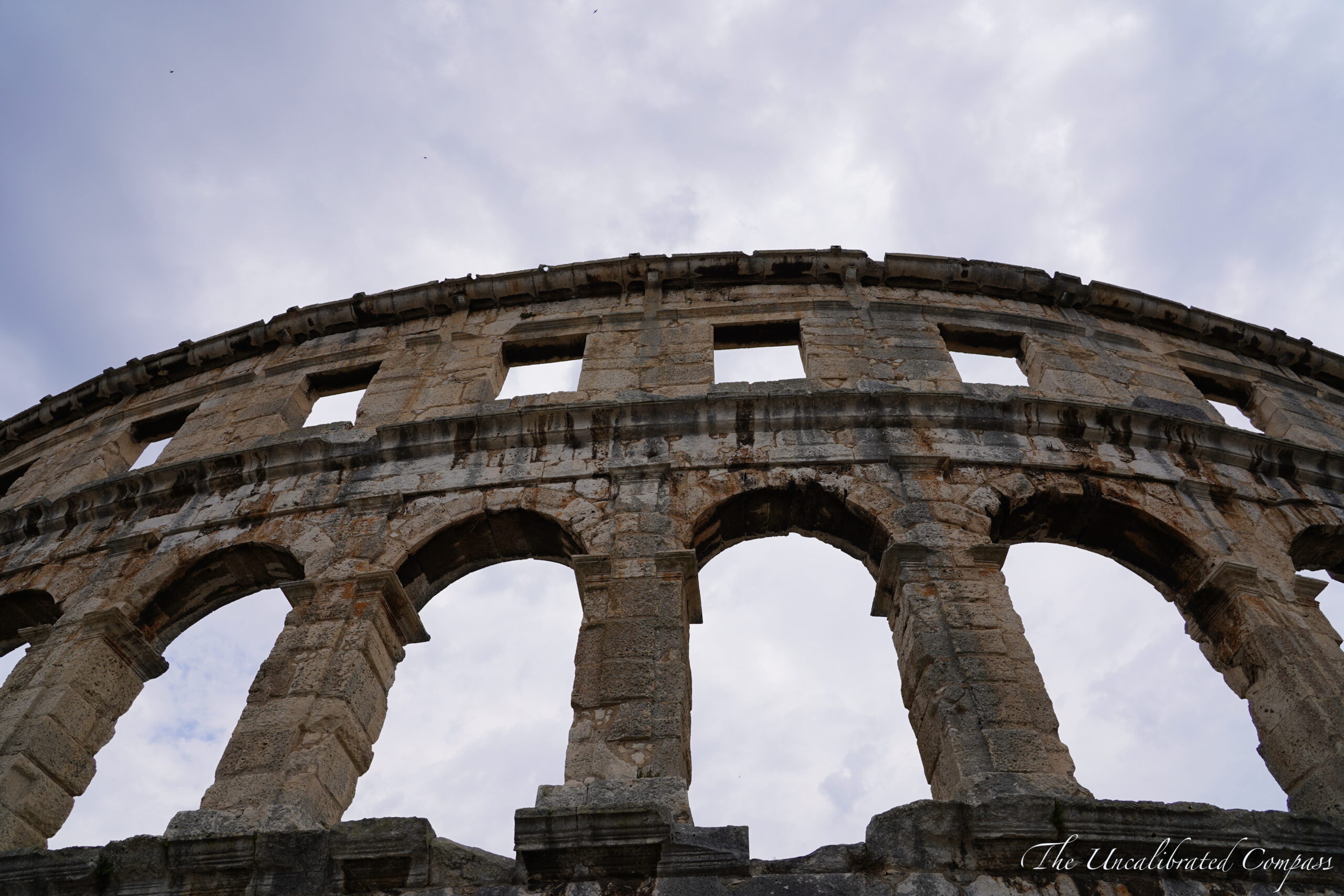
Roman Geometry. Walking the perimeter of the Pula Colosseum, you find these ‘uncalibrated’ views where the ancient arches perfectly frame the modern sky. It’s a rhythmic, stone-carved window into the past. Pula, Croatia.
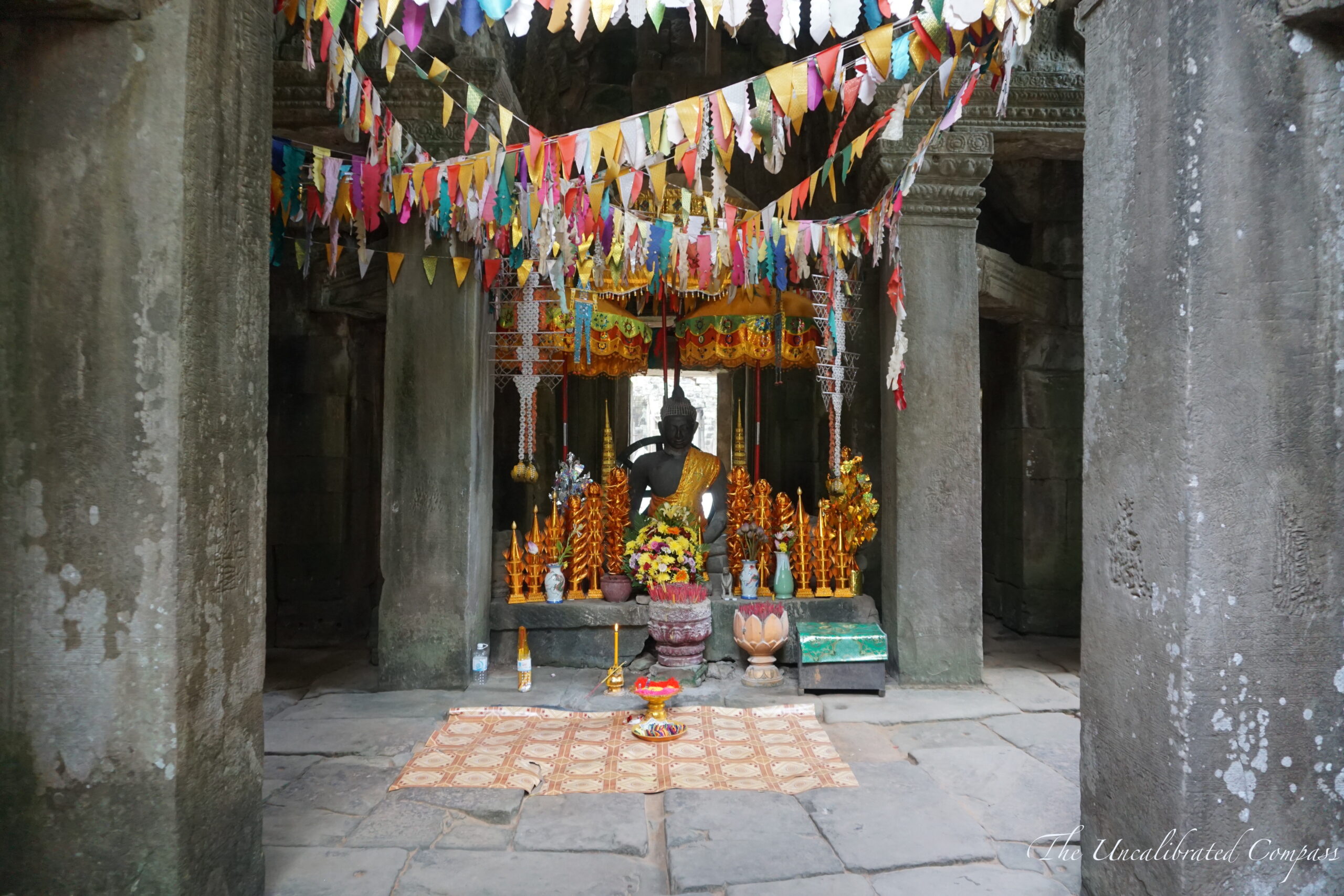
The Golden Center. A quiet shrine of devotion hidden within the heart of Angkor Wat in Cambodia.
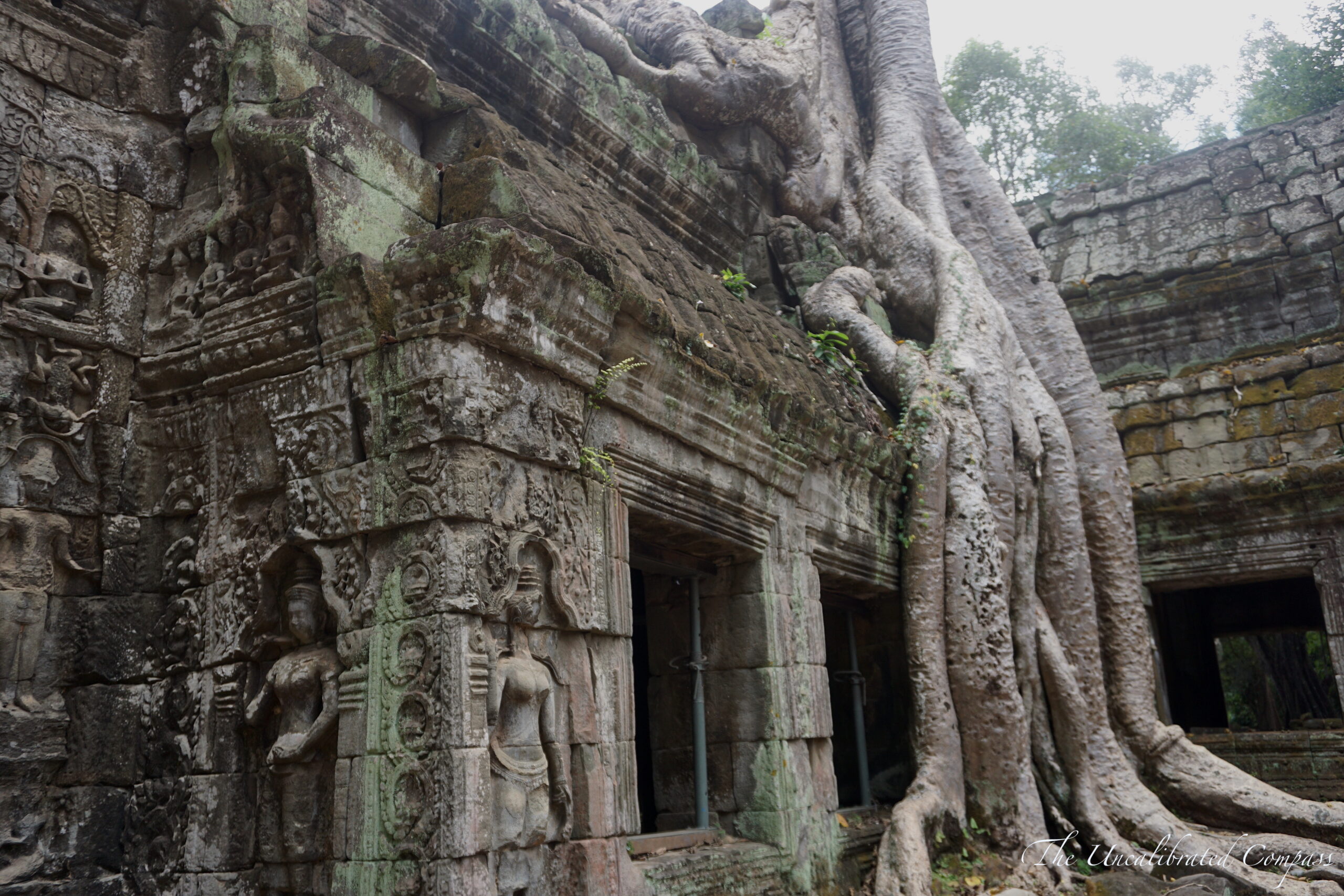
A Silent Takeover. At Ta Prohm, the line between architecture and biology disappears. These devata carvings, once the pride of a bustling empire, are now being slowly reclaimed by the roots of giant silk-cotton trees—a reminder that while human civilization comes and goes, nature always finds a way. Angkor, Cambodia.
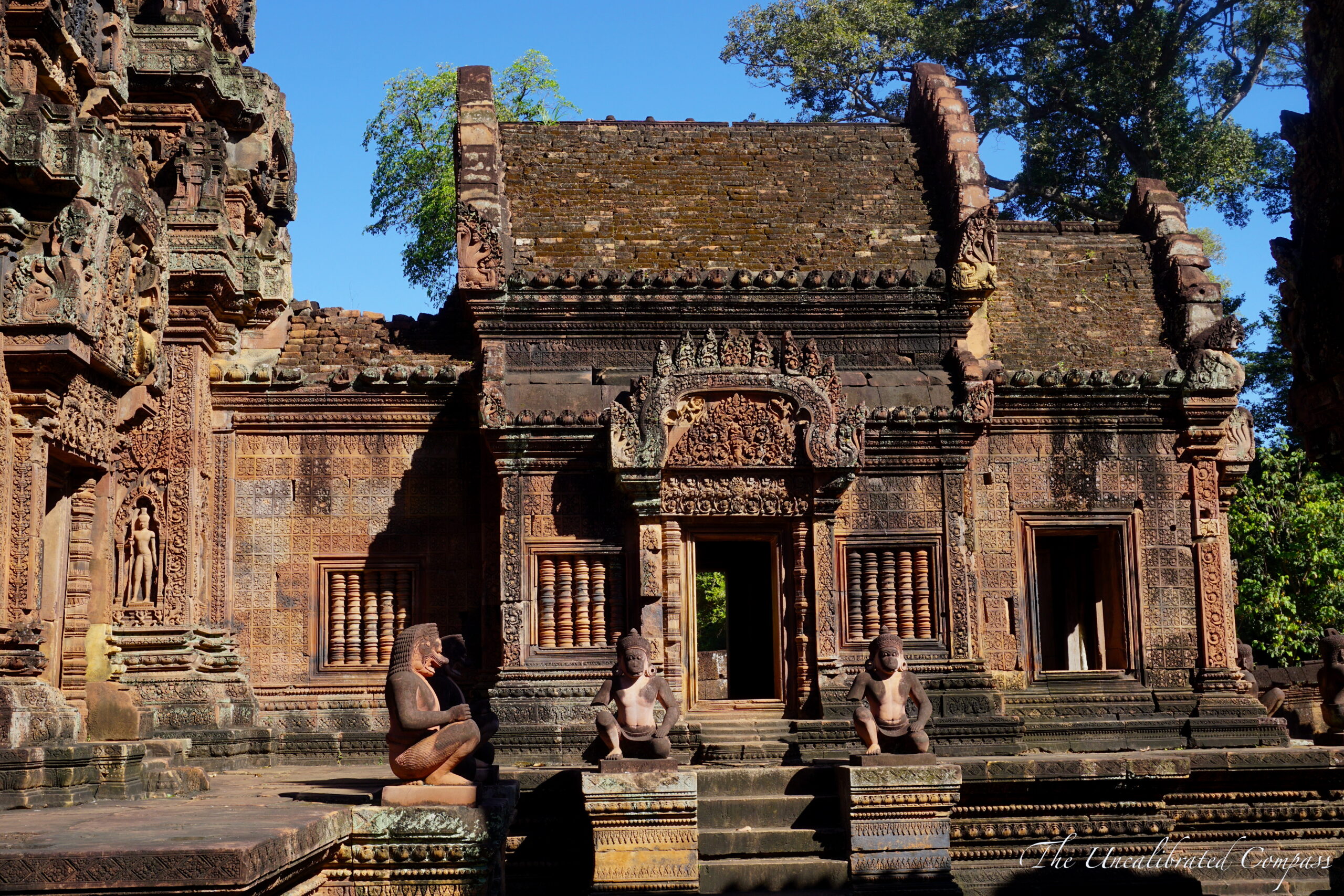
The Pink Jewel of the Jungle. Banteay Srei may be small in scale, but its craftsmanship is unrivaled. The rose-tinted sandstone allowed for a depth of carving—from delicate floral motifs to epic mythological scenes—that has remained remarkably sharp for over a thousand years. Banteay Srei, Cambodia.
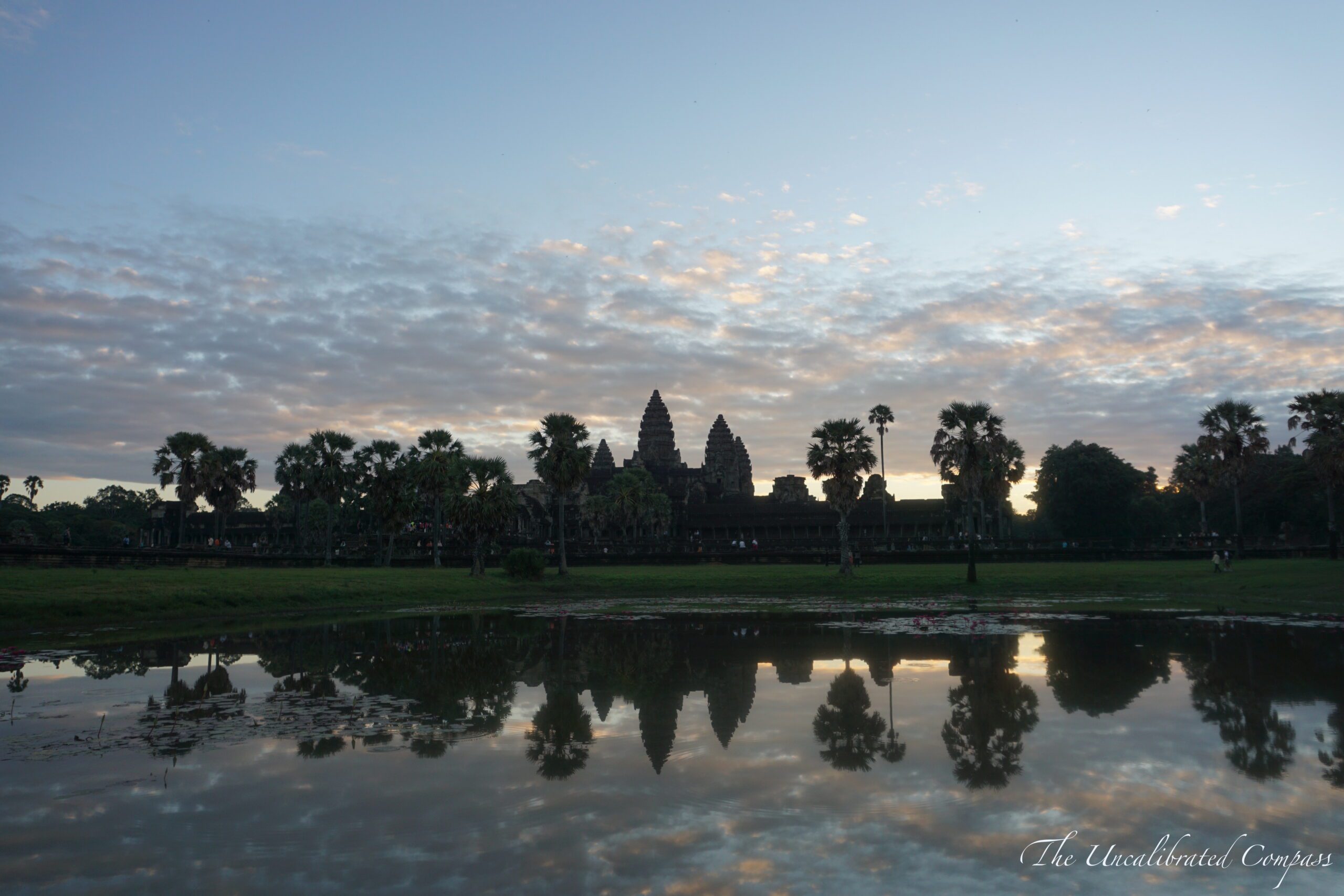
Double Majesty. At dawn, the reflection in the lotus pond creates a perfect mirror of the Khmer Empire’s most famous achievement. It is a moment of total symmetry, where the sky and the stone become one. Angkor, Cambodia.
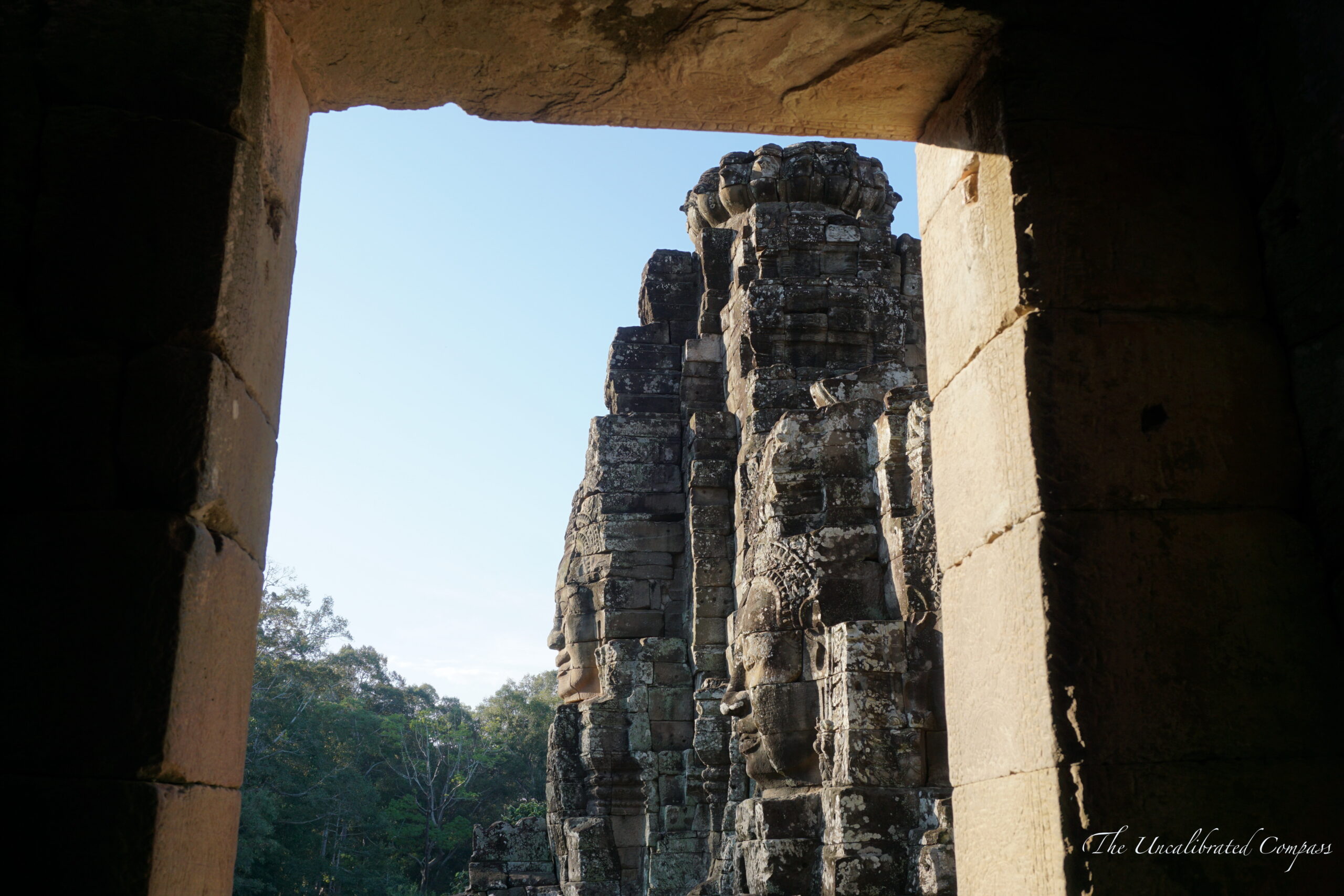
The Silent Observer. Framed by the heavy stone windows of the Bayon Temple, one of the temple’s giant faces gazes back from the past. It’s a hauntingly beautiful reminder that in this temple, you are always being watched by history. Bayon Temple, Cambodia.
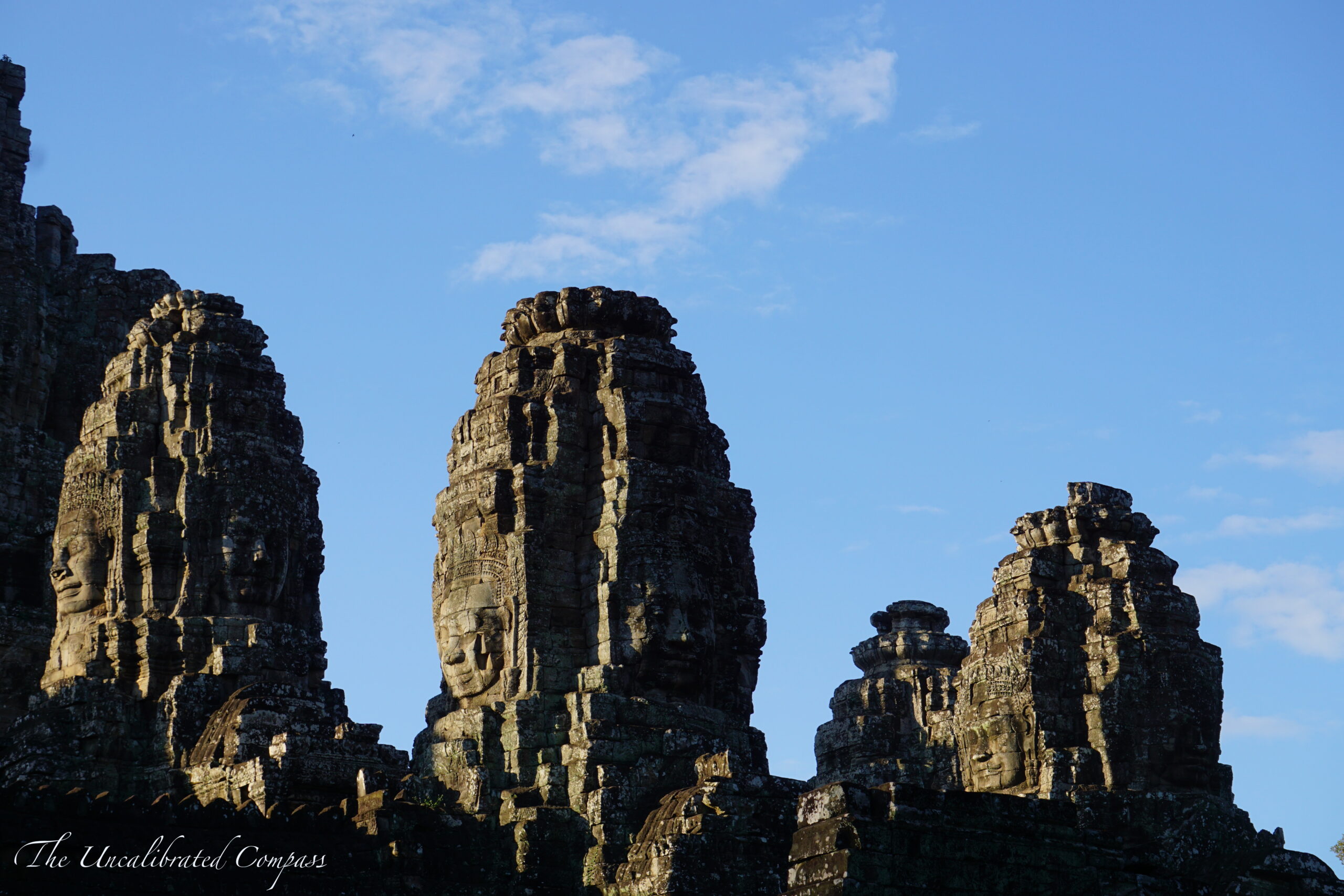
The Faces of an Empire. Under the direct glare of the Cambodian sun, the towers of the Bayon reveal their secret: massive stone faces gazing in every direction. Bayon Temple, Cambodia.
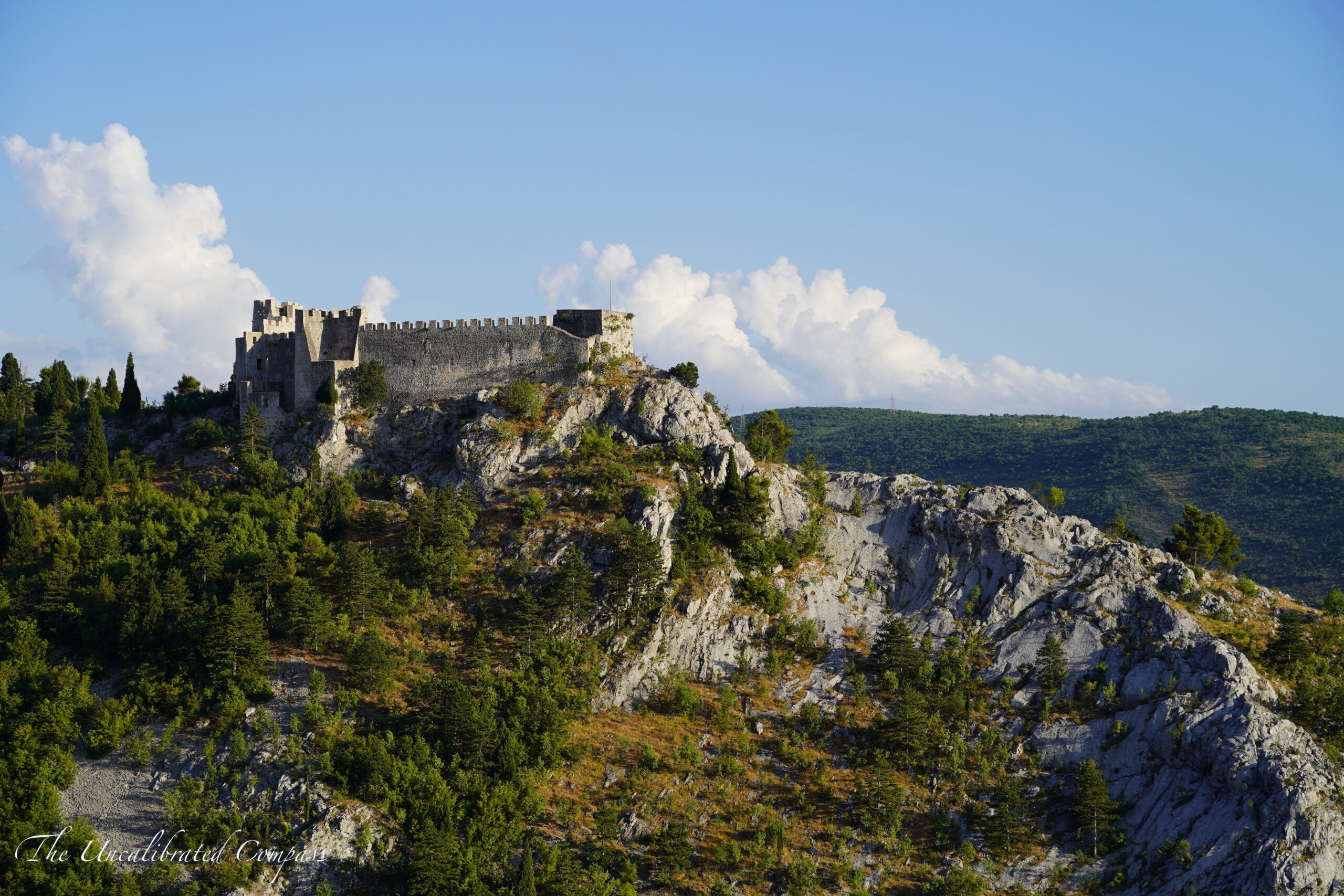
History on the Ridge. The medieval walls of Stjepan-grad overlooking Blagaj, Bosnia and Herzegovina.
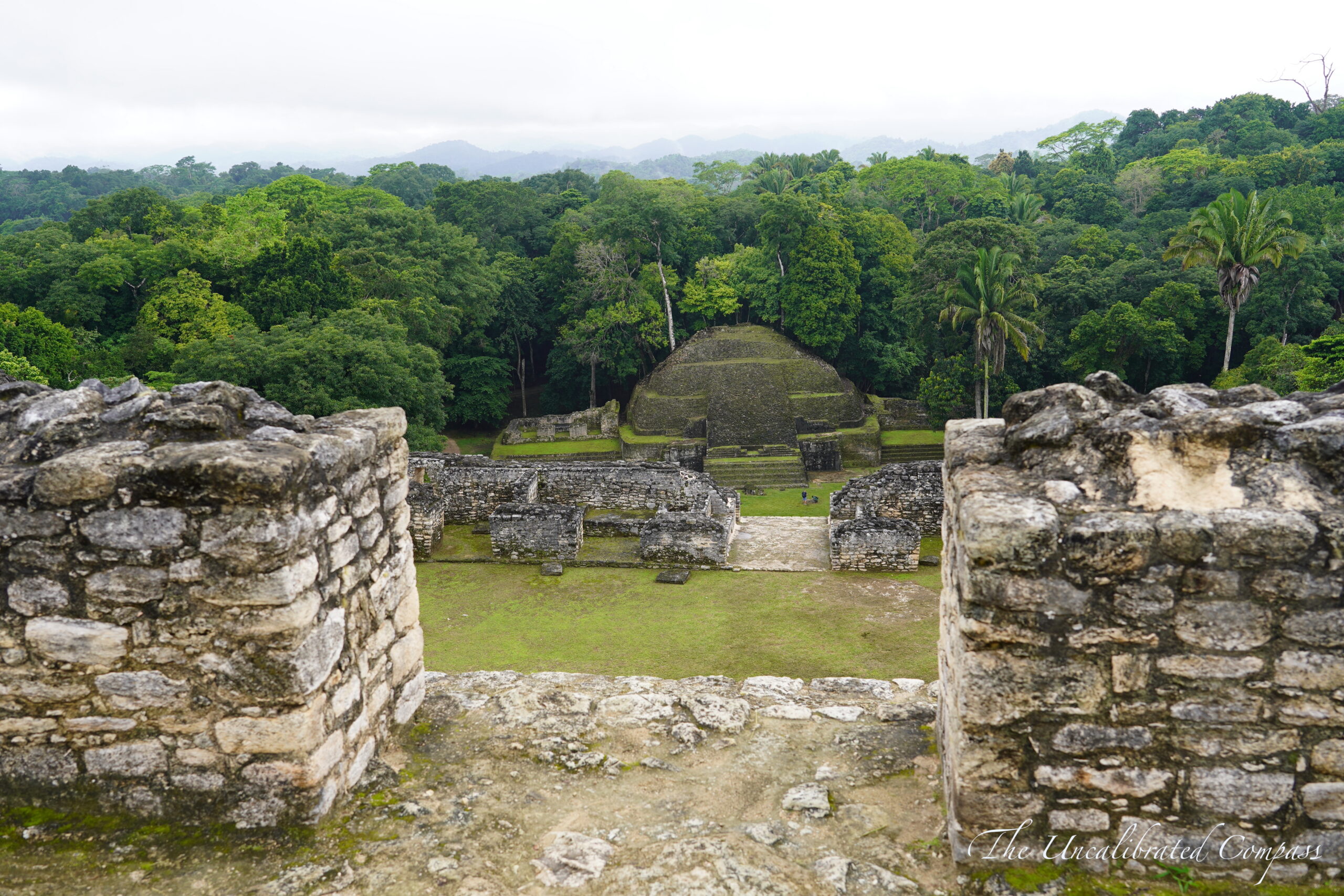
Above the Plaza. Looking down from the summit of the Mayan pyramid Caana at Caracol, Belize.
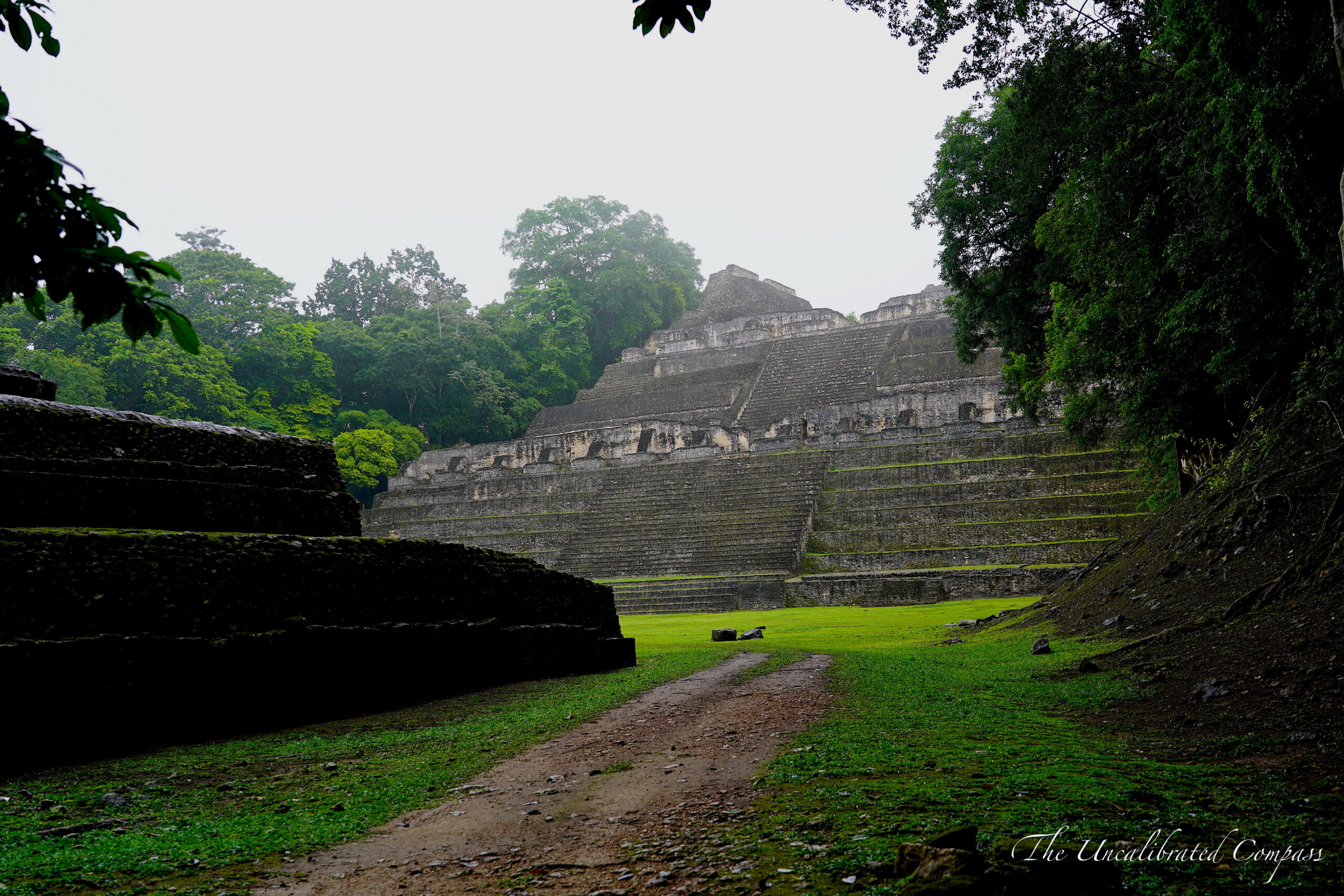
The massive limestone tiers of Caana rise out of the Belizean jungle like a mountain made by man. For centuries, these trees were the only guardians of Caracol’s greatest palace, hiding a city that once rivaled the greatest powers of the Maya world. Caracol, Belize.