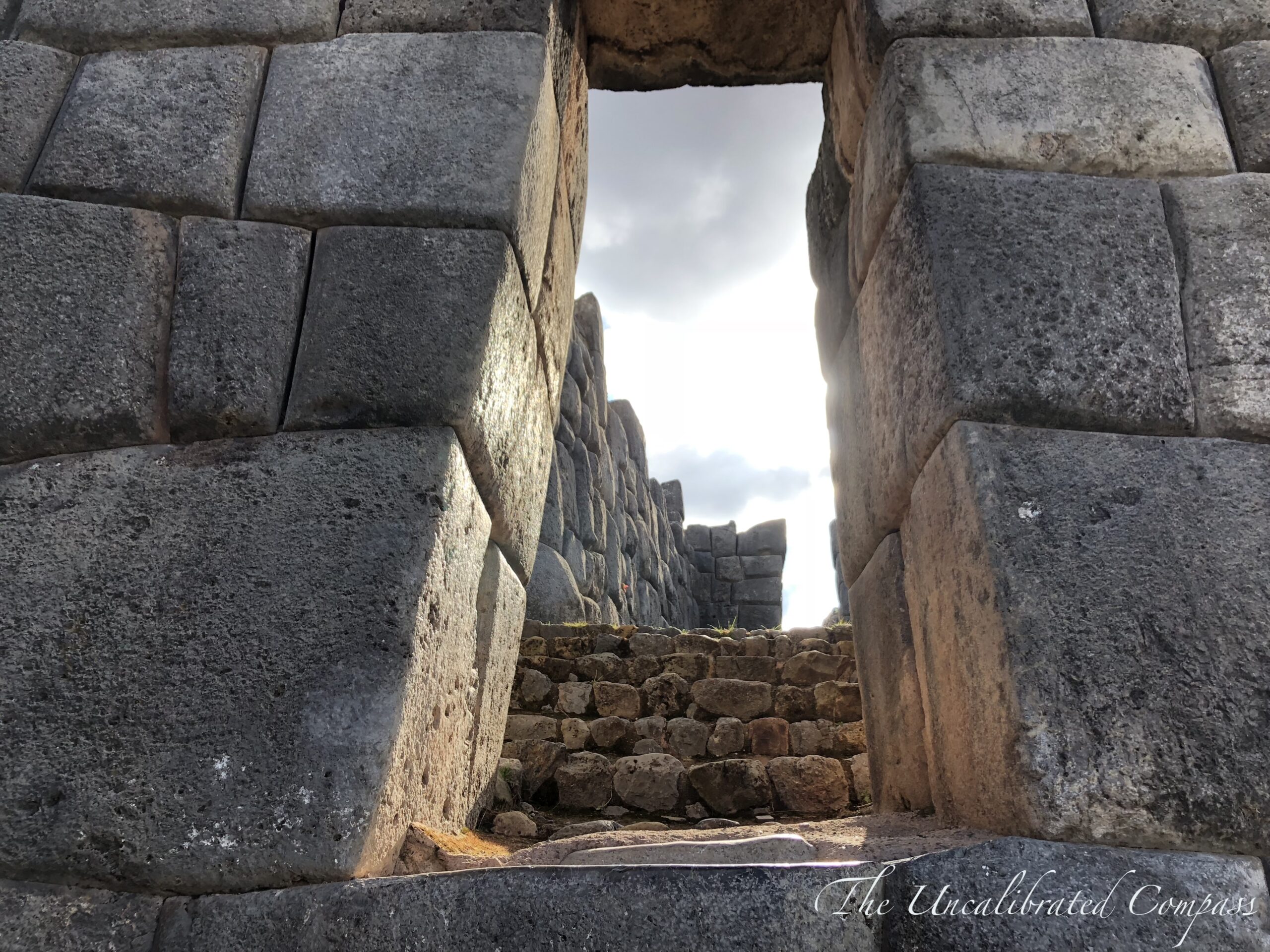
Did you know? The stone walls of Saqsaywaman are made of massive limestone blocks, some weighing over 125 tons and standing 15 feet tall. The most incredible part isn't just their size, but their fit. The Incas didn’t use mortar or cement; instead, they carved each stone into complex, interlocking shapes that fit together like a 3D jigsaw puzzle. The precision is so high that even today, centuries later, you cannot fit a single sheet of paper or a blade of grass between the joints.
Off-Peak (Wet Season in the Andes): December – March. Not great to visit the mountainous region of the Andes for hiking or popular places like Machu Picchu. Lots of rain.
Peak Season (Summer in the Peruvian Coast): December – March. These months might not be great for the Andean region but perfect for the coastal regions of Peru, including Lima and Ica.
Shoulder Season: April & November. These two months can be great to visit the Andes but you risk the chance of rain. Cheaper prices and fewer crowds.
Peak (Dry Season in the Andes): May – October. This time is perfect for hiking in the Peruvian Andes, including the Inca Trail.
Card, Cash, or both?
Credit cards are widely used and accepted throughout Peru. Cash can be helpful in smaller rural towns and nice to have.
Connectivity & Tech
Network Reality: In bigger cities or towns, like Lima, Ica, and Cusco, you’ll have great service with any phone plan. However, the moment you begin the ascent toward the Sacred Valley or start a trek, the signal vanishes deep in the mountains.
Power & Plugs: Peru uses Type A and C plugs. While many modern hotels have universal outlets take Type A plugs (what is used in the US), many older spots only have Type C round pins. The voltage is 220V, so make sure your gear is dual-voltage (most camera and laptop chargers are, but check the fine print).
My most uncalibrated experience
The sky didn’t just turn grey; it turned a heavy, bruised purple as the storm rolled over the high passes of the Inca Trail. Within minutes, the world was swallowed by clouds, turning the dark green vegetation into a series of ghostly figures. I was standing on a narrow stone precipice, drenched to the bone, when the wind finally caught the mist. As the clouds separated, the world opened up. Thousands of feet below, the Urubamba River emerged—not as a roaring waterway, but as a tiny, silver thread that looked like a discarded shoelace. In that moment of clarity, looking at the impossible verticality of the Andes, the engineering of the Inca Empire moved from a “fact” to a visceral reality. I couldn’t imagine moving a single stone in these conditions, let alone building an empire on these cliffs. It was beautiful, terrifying, and completely impressive.