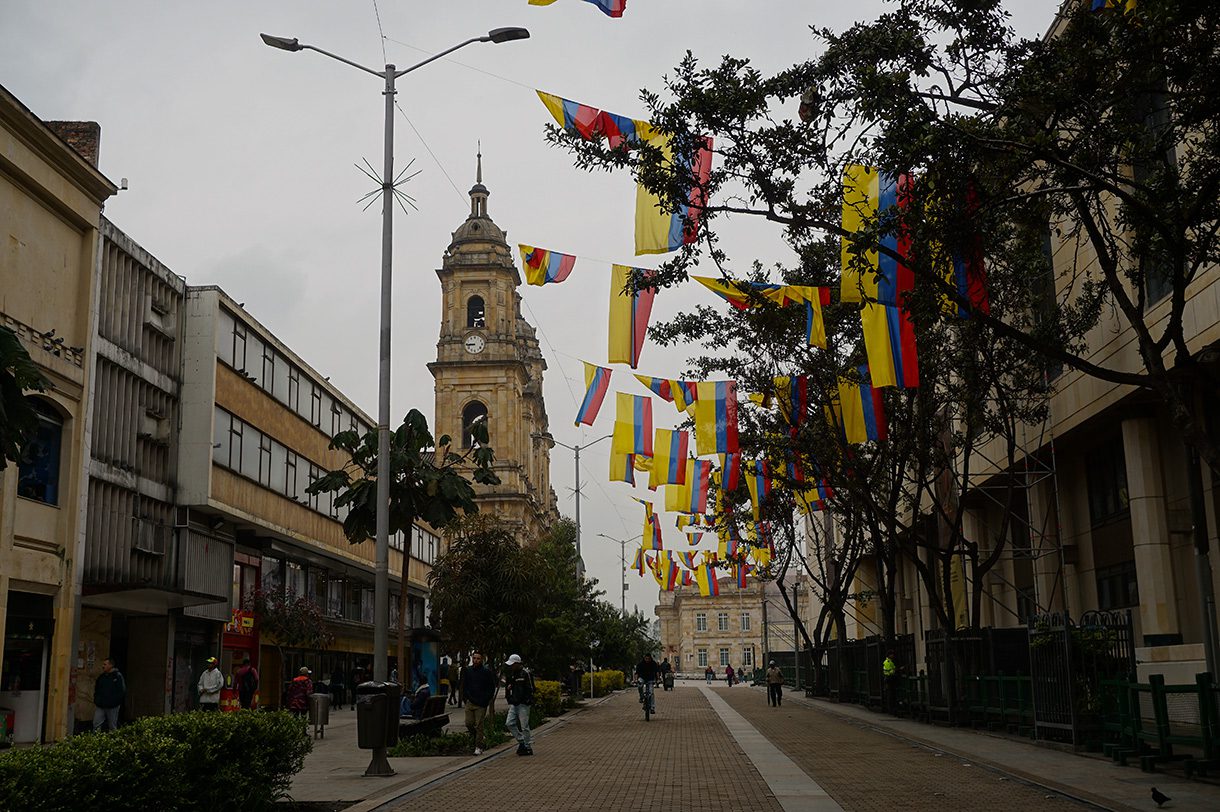
Bogotá is an expansive South American capital that feels entirely distinct from the rest of Colombia. Perched high on a plateau in the rolling Andes mountains, the city features a crisp, cool climate often wrapped in a dramatic, moving mountain mist.
While it is a massive, high-energy metropolis, stepping into the historic center reveals an elegant maze of colonial cobblestone corridors. Packed with centuries of indigenous and revolutionary history, the capital offers a seamless blend of Andean nature and rich urban culture.
If you are planning an upcoming trip, these are the top five things to do in Bogota Colombia, counting down to the absolute number one panoramic view in the region.
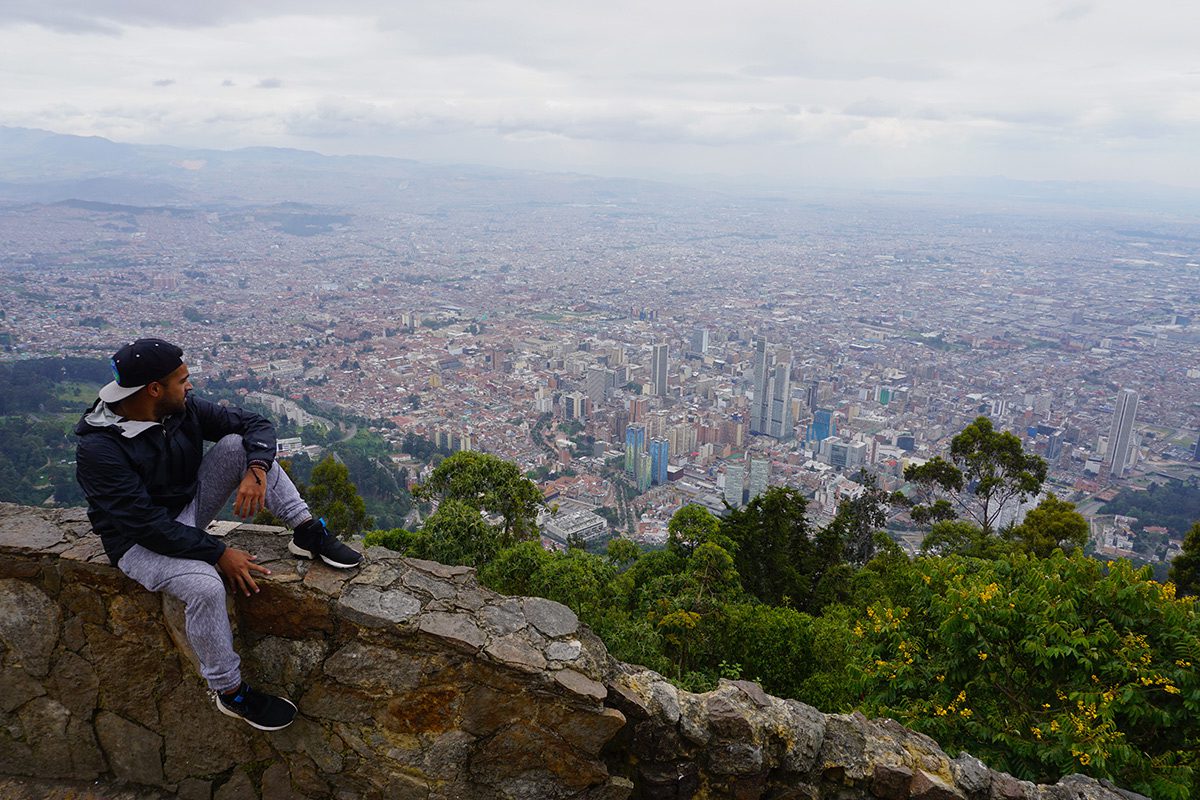
Table of Contents
📋 Essential Logistics: Acclimatization & The Monday Blackout
Before diving into your urban exploration, you must plan around two non-negotiable logistical realities:
The Altitude Warning: Bogotá rests at a staggering elevation of 8,660 feet (2,640 meters) above sea level. Do not attempt heavy mountain hikes on your first day. Take it easy for at least your first day, drink plenty of water, and let your body adjust before tackling steep climbs.
The Monday Travel Gap: Both the Gold Museum and Lake Guatavita are strictly closed on Mondays for systemic maintenance. Structure your itinerary so your Monday hours are dedicated to street art tours or visiting the Salt Cathedral.
5. Step Inside the Legendary Gold Museum (Museo del Oro)
Gold Museum Bogotá | Pre-Hispanic History
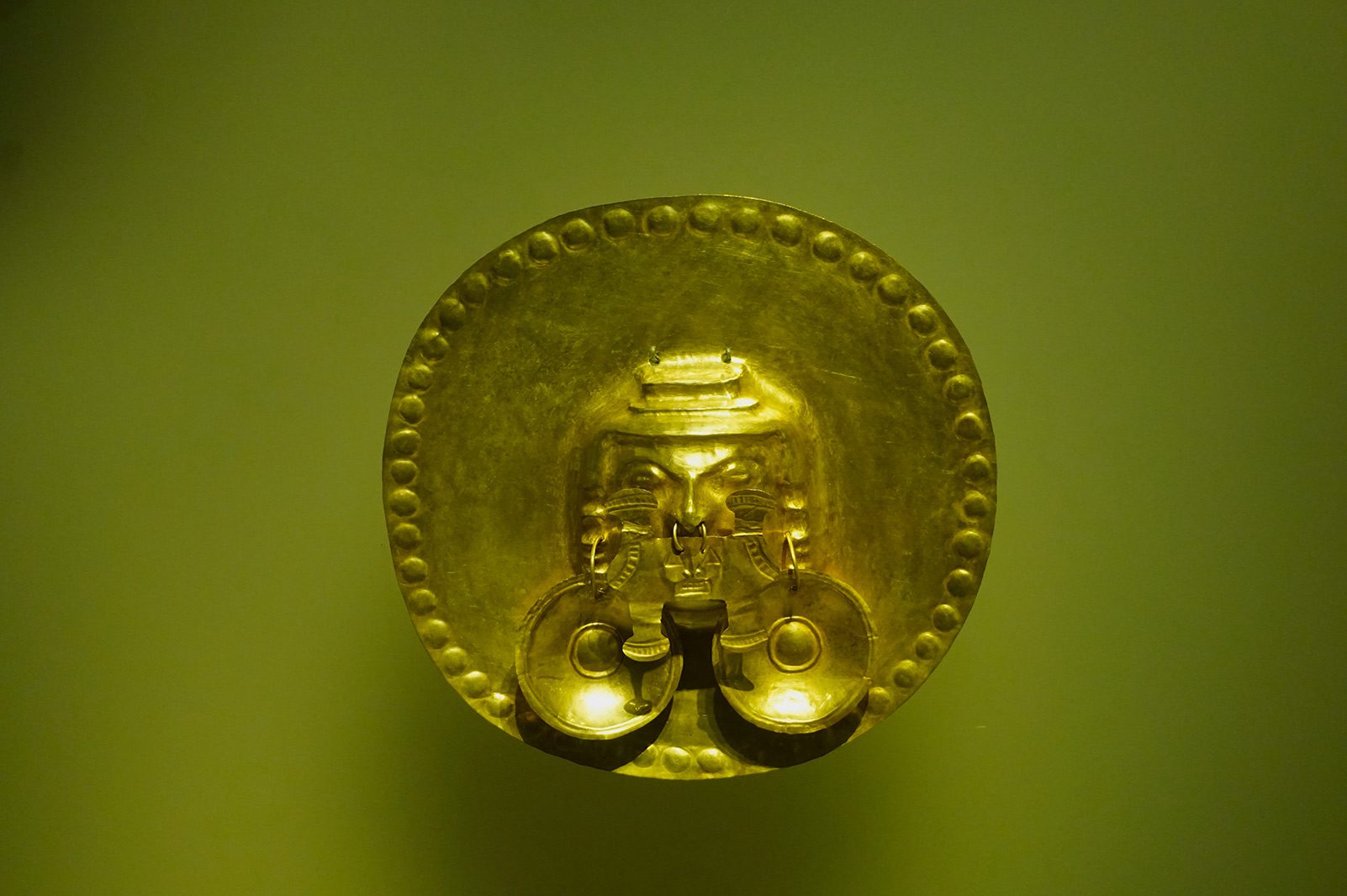
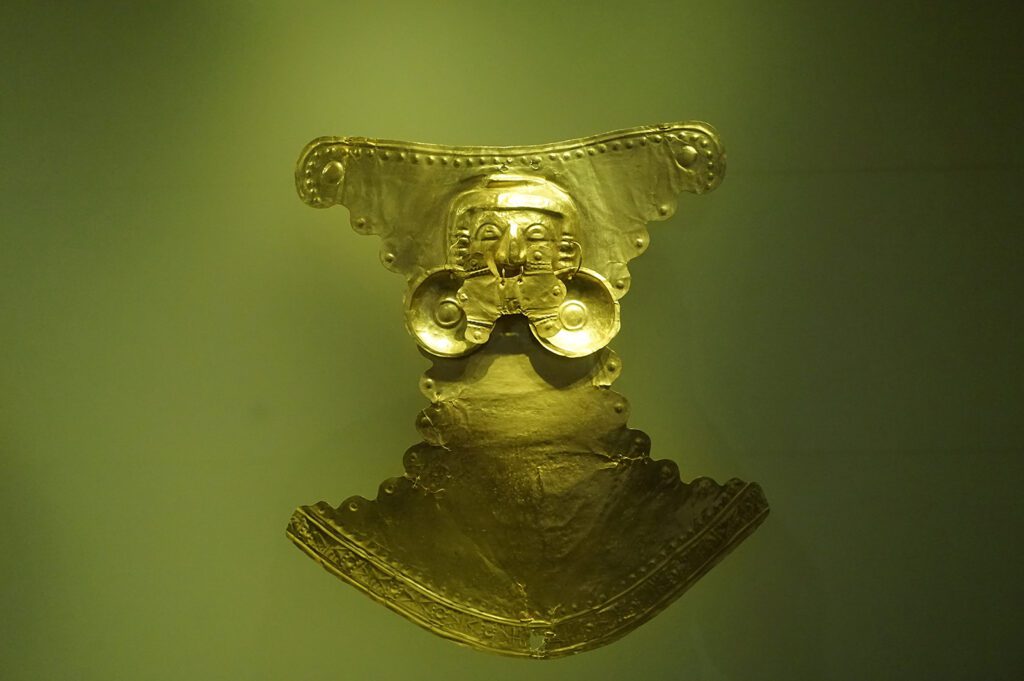
This world-famous Gold Museum is a landmark you simply cannot skip. The historic vaults house the largest, most visually stunning collection of pre-Hispanic gold metallurgy on the entire planet.
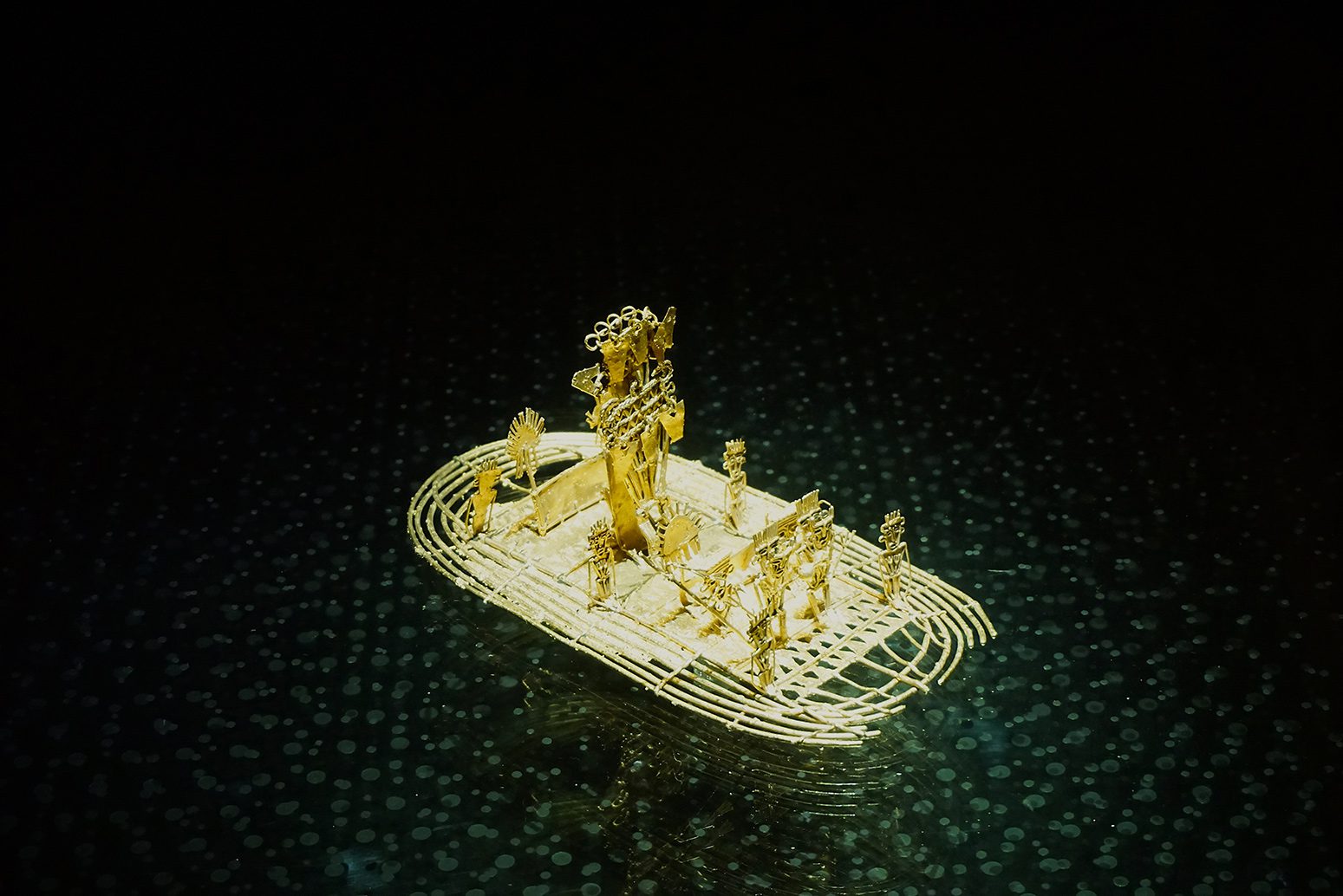
Standing Before the Muisca Raft
The emotional highlight of the collection is the iconic Muisca Raft. Discovered deep inside a local cave in 1969, this tiny, extraordinarily detailed gold casting depicts the exact tribal coronation ceremony that birthed the global myth of El Dorado. You can see the tribal chieftain standing proudly on a raft, flanked by priests, preparing to submerge priceless offerings into a sacred Andean lake.
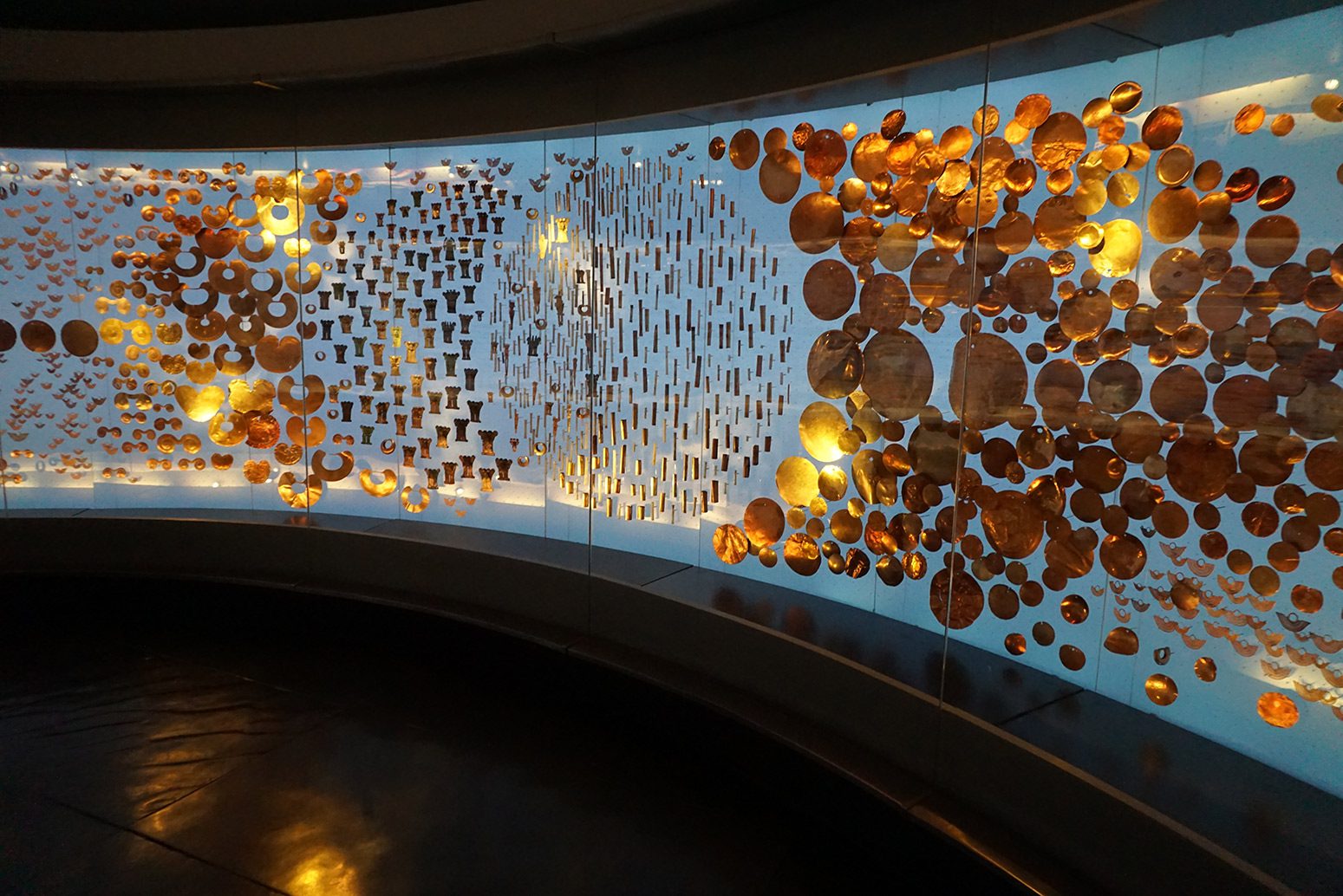
Don’t Miss: The “Offering Room.” This unique gallery plunges visitors into absolute darkness before soft music plays and hidden lights slowly illuminate thousands of gleaming gold artifacts surrounding you all at once. It is a quiet, highly dramatic museum installation.
4. Explore the Historic Heart of La Candelaria
La Candelaria Bogotá | Primatial Cathedral of Bogotá
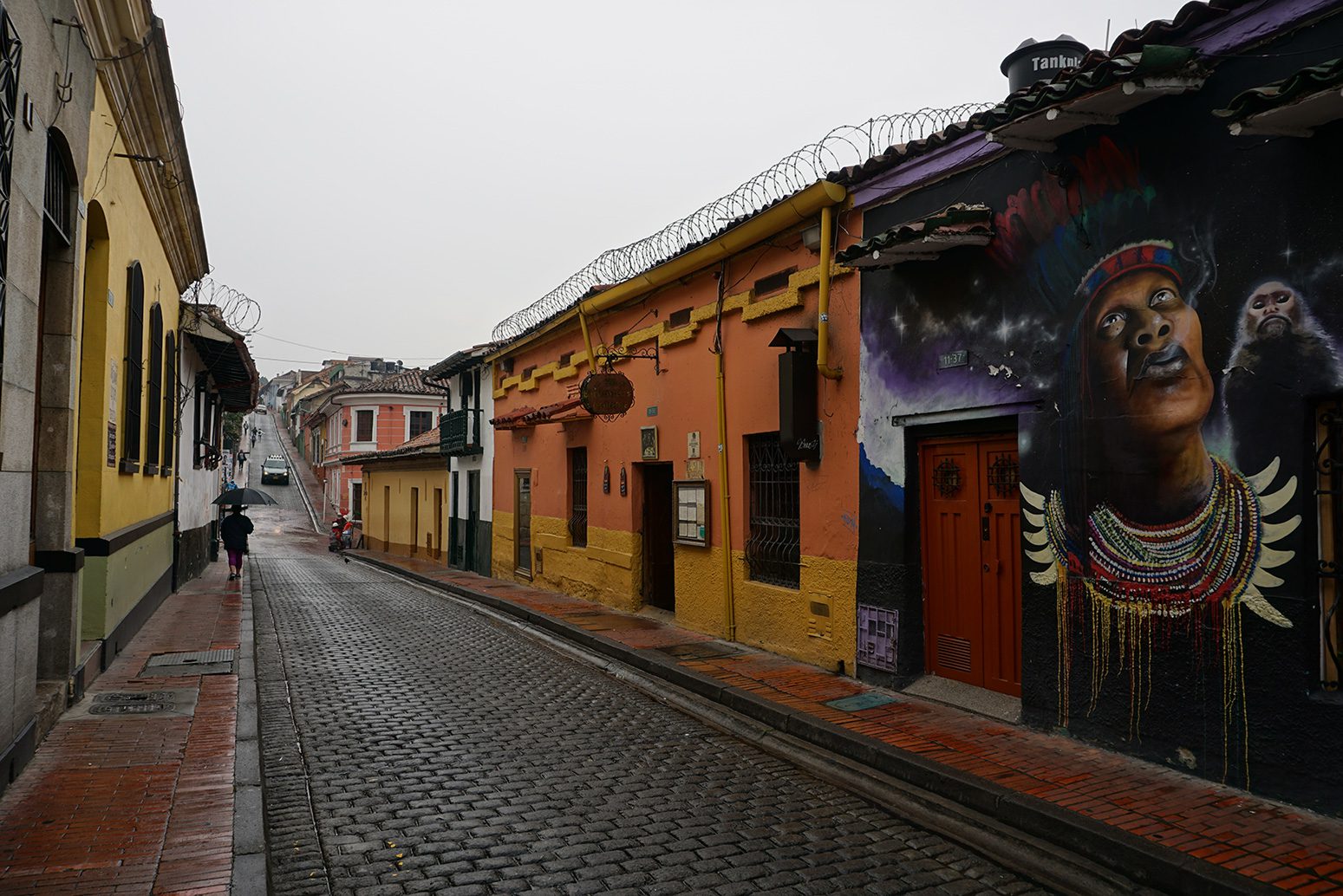
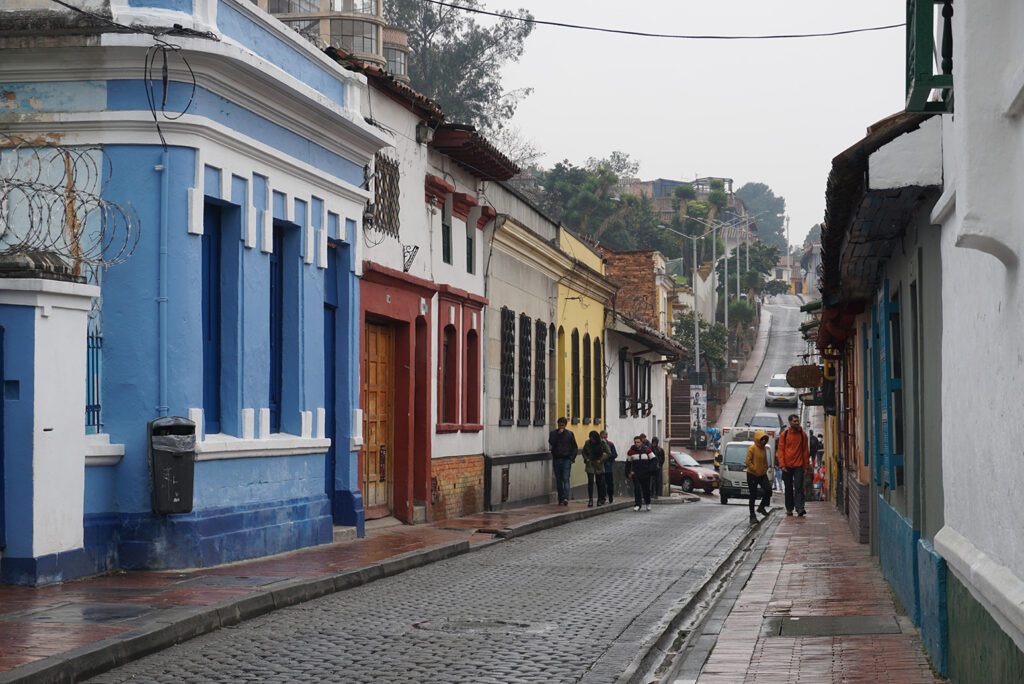
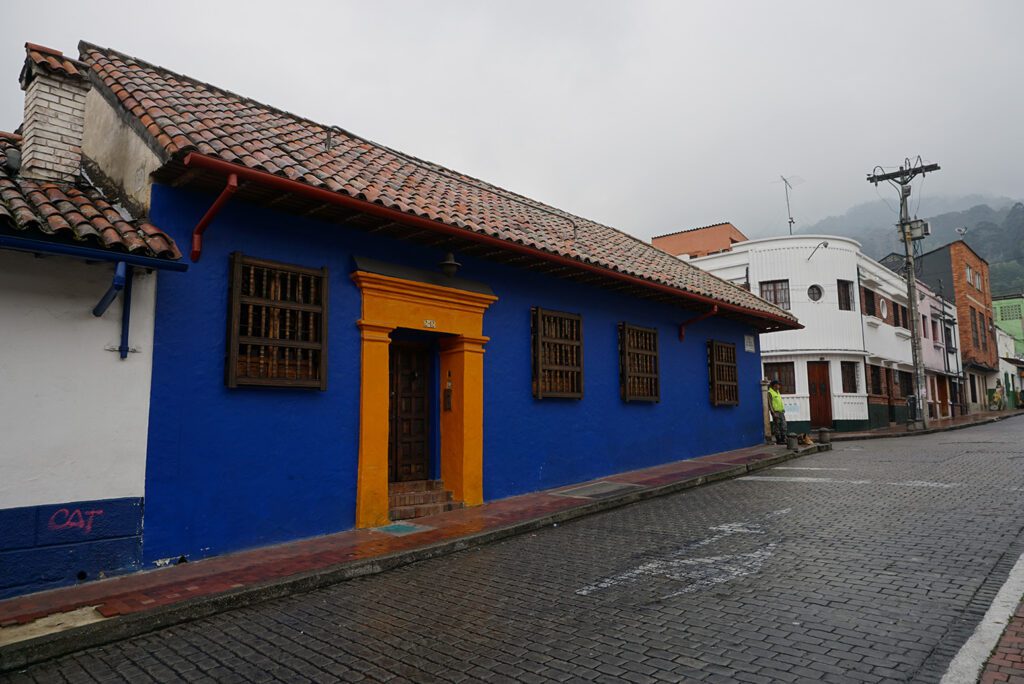
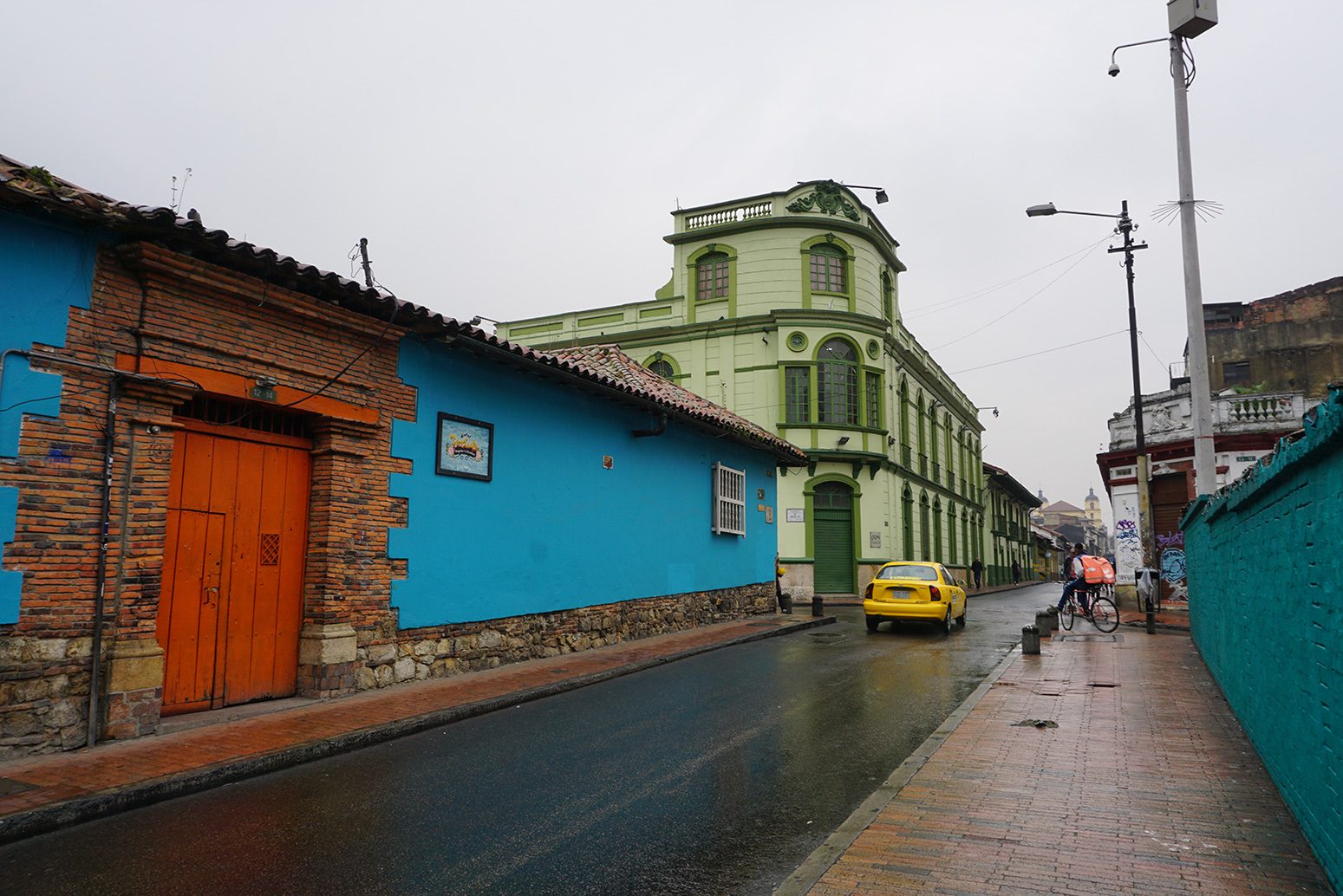
Walking through the center of Bogotá is like walking back in time. It is a beautiful city with narrow streets and colonial buildings that have stayed original for centuries.
Wandering the Corridors of La Candelaria
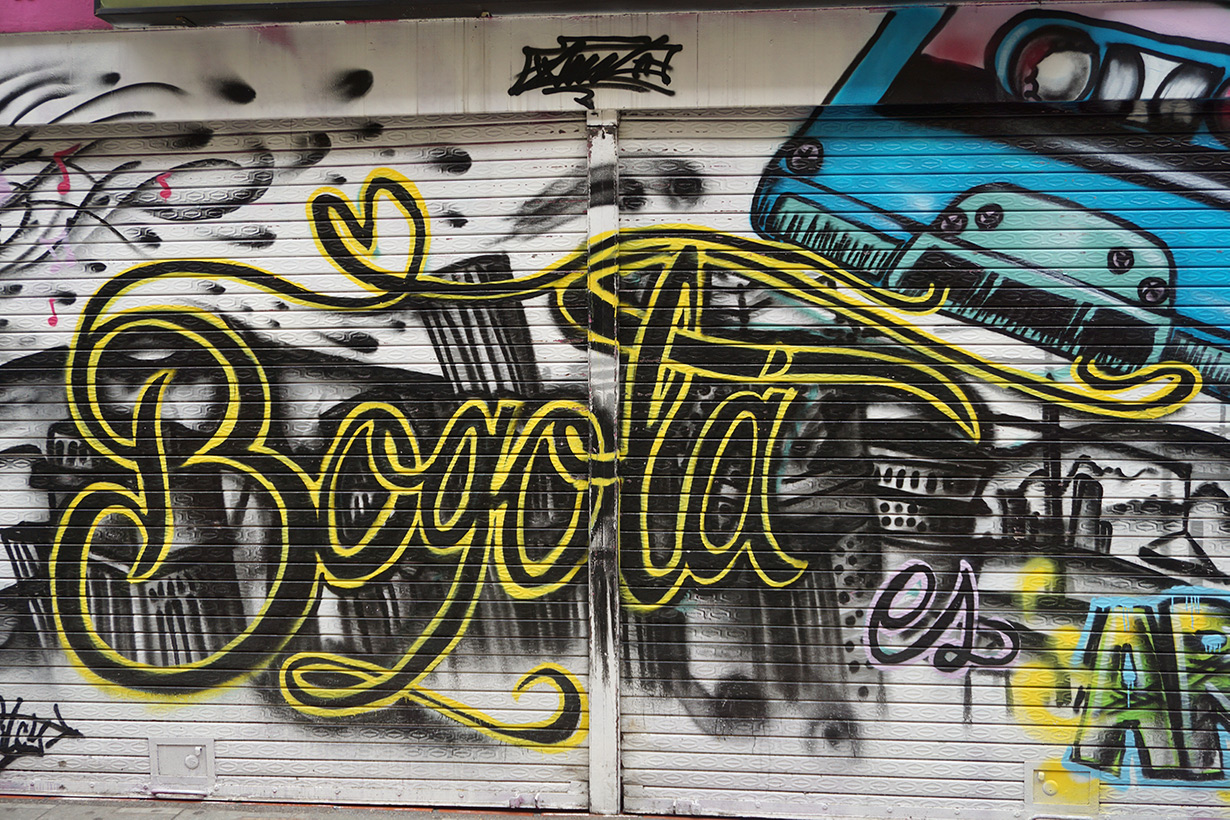
This is the city’s premier bohemian and historic district. The streets are a brilliant patchwork of brightly painted homes, overhanging wood balconies, and massive, politically expressive street art murals. Because several major national universities frame the district, the neighborhood balances its deep history with a highly energetic, youthful local student culture.
Plaza de Bolívar & The Primatial Cathedral
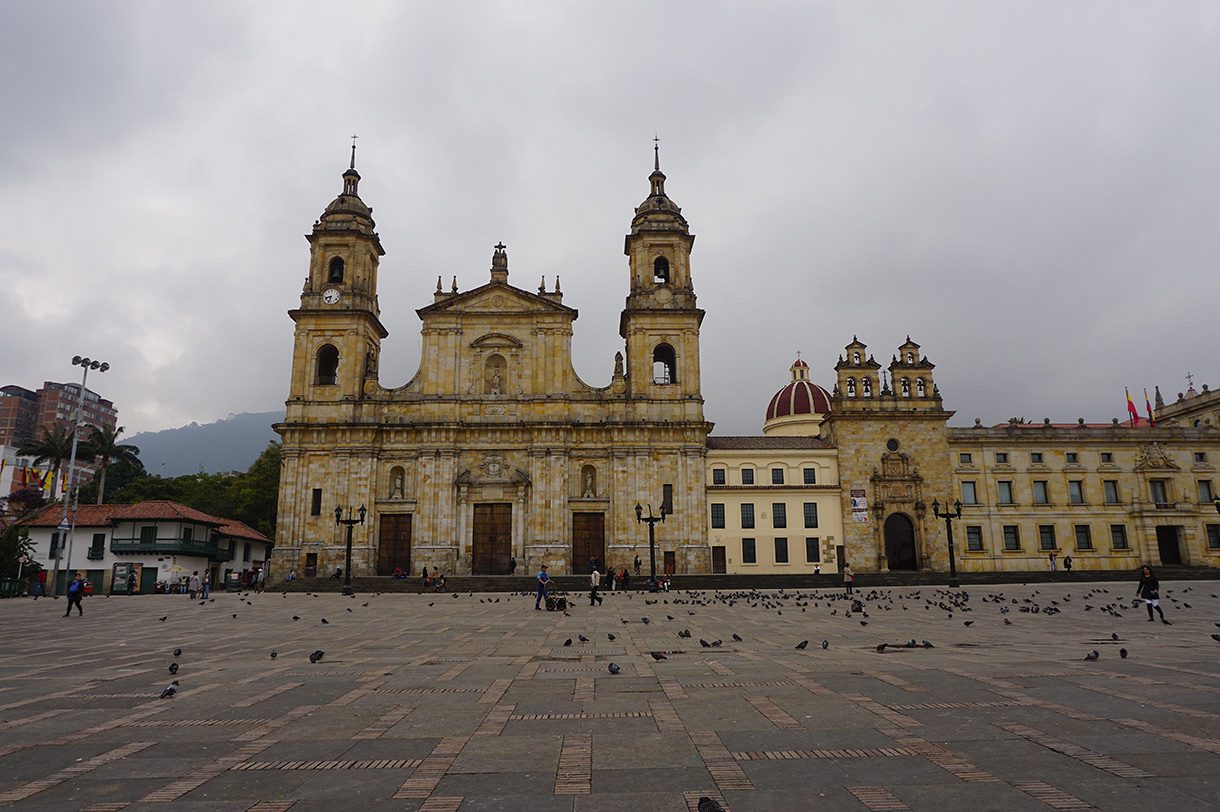
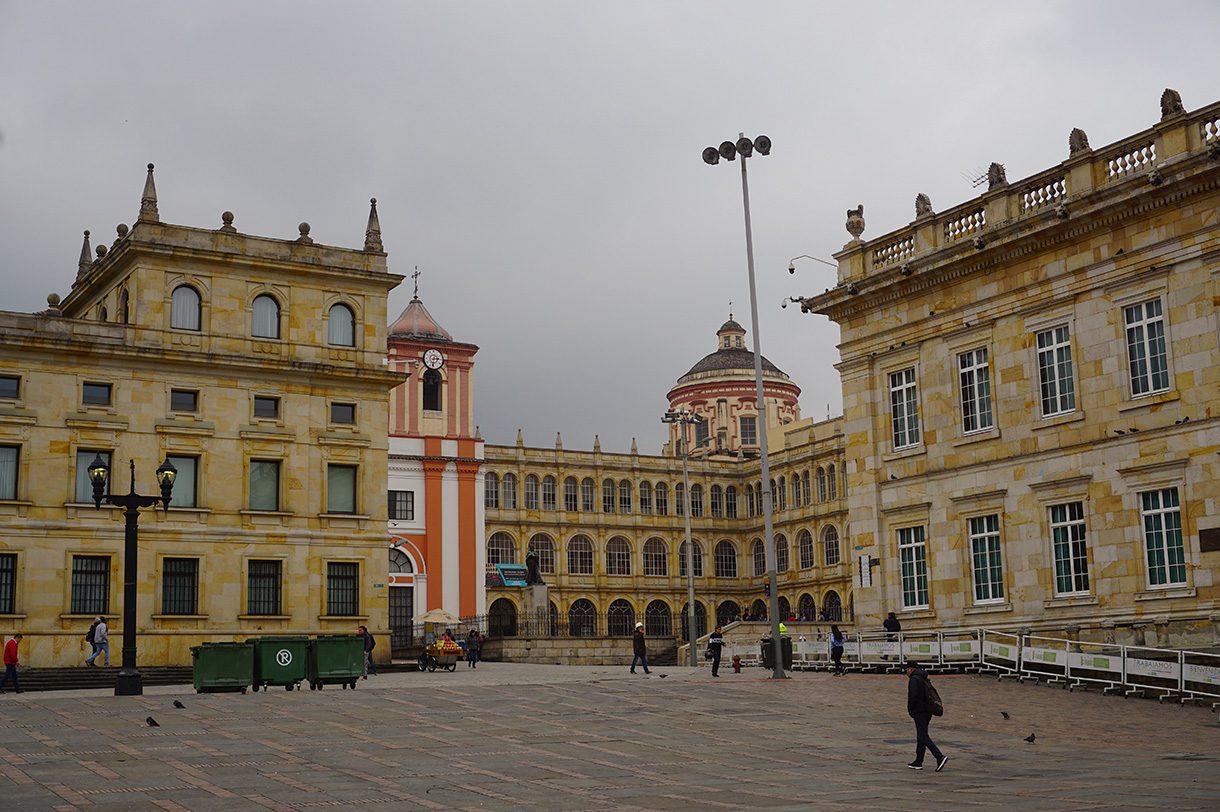
Your walking route should anchor around the massive Plaza de Bolívar, an expansive stone square bordered by the city’s imposing governmental palaces.
Dominating the eastern edge of the plaza is the Primatial Cathedral of Bogotá. An absolute architectural masterpiece, this historic seat of the Archbishop features a solid, neoclassic limestone facade that commands a powerful presence over the city. Start your morning in the open square, then slowly branch out into the steep, rising backstreets of the neighborhood.
3. Descend Into the Zipaquirá Salt Cathedral
Salt Cathedral of Zipaquirá | Day Trip from Bogotá
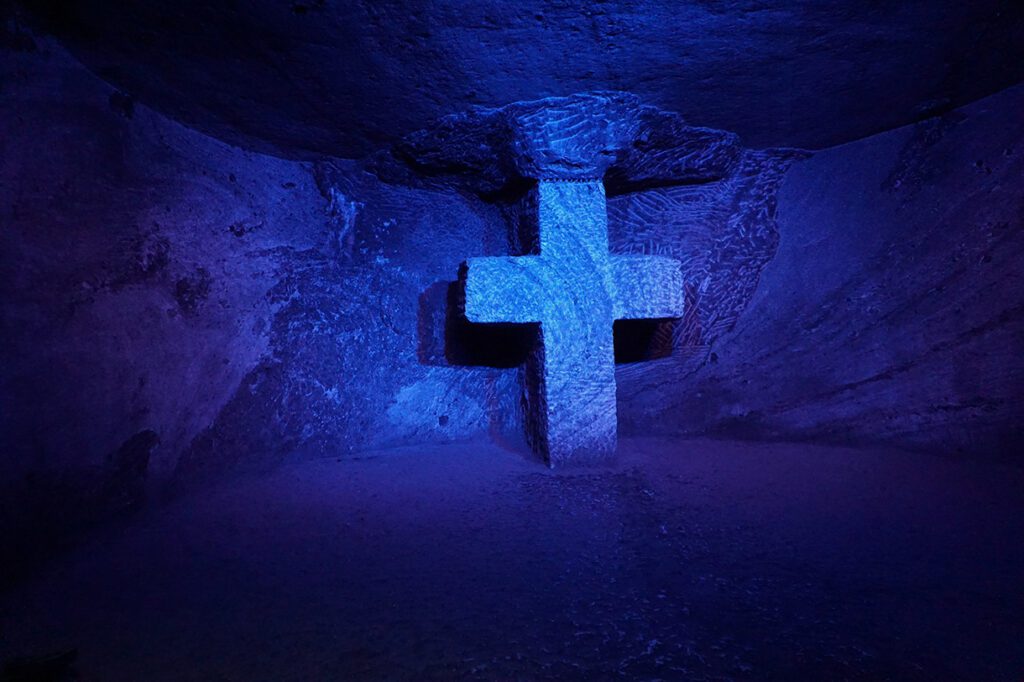
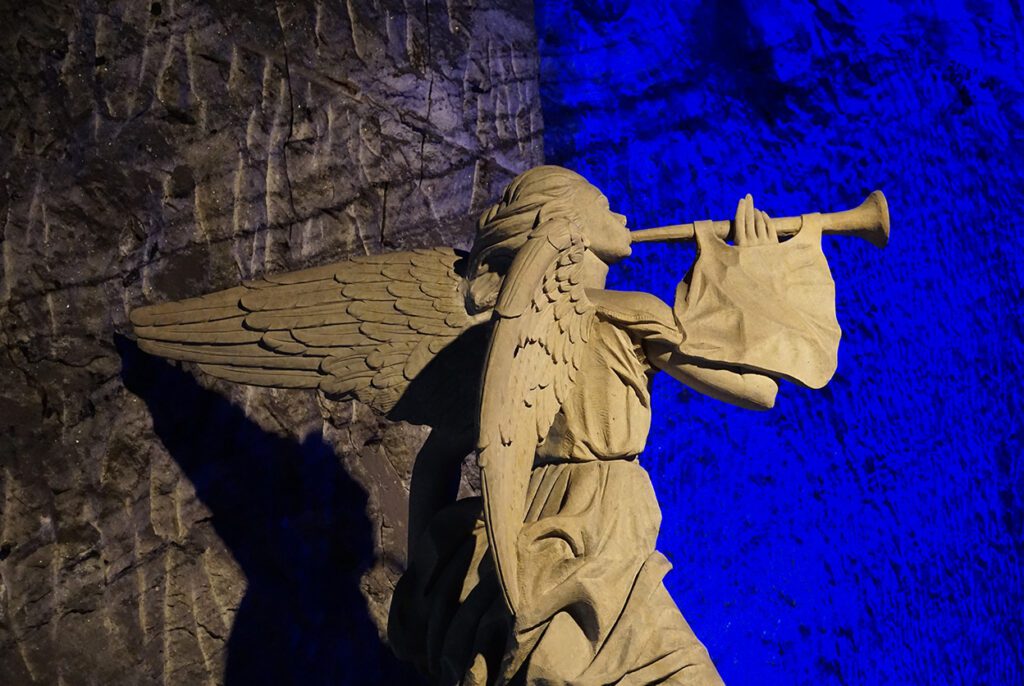
Located roughly an hour north of the capital city limits, this remarkable underground architectural wonder is carved entirely inside the deep tunnels of an active halite salt mine. It stands as one of the most brilliant engineering feats in Colombia and one of the most unique subterranean sanctuaries on earth.
From Miner Shrines to an Underground Cathedral
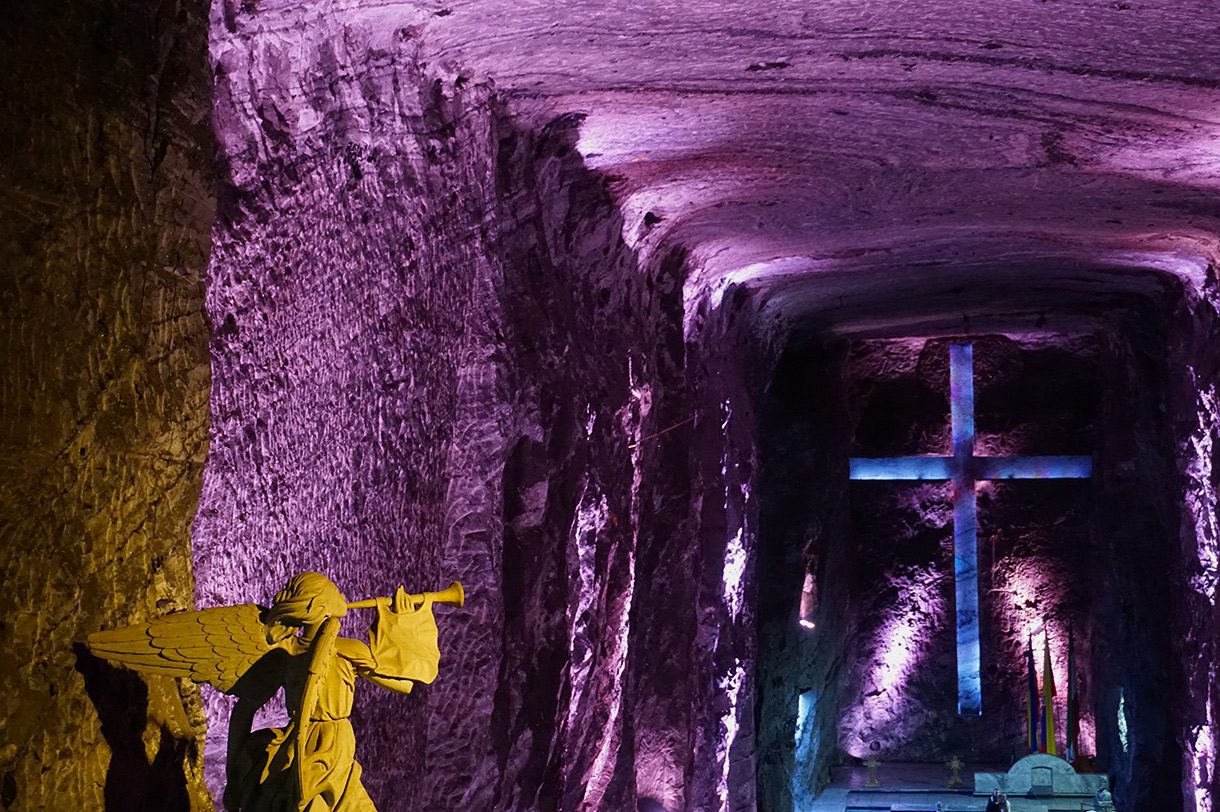
For generations, local salt miners carved small, primitive wooden sanctuaries directly into the dark rock faces to pray for safety before their grueling shifts. In the 1990s, master architects excavated deeper into the mine shafts to build a monumental, multi-tiered cathedral. It remains a fully functioning church that welcomes thousands of local worshippers for service.
The Subterranean Atmosphere
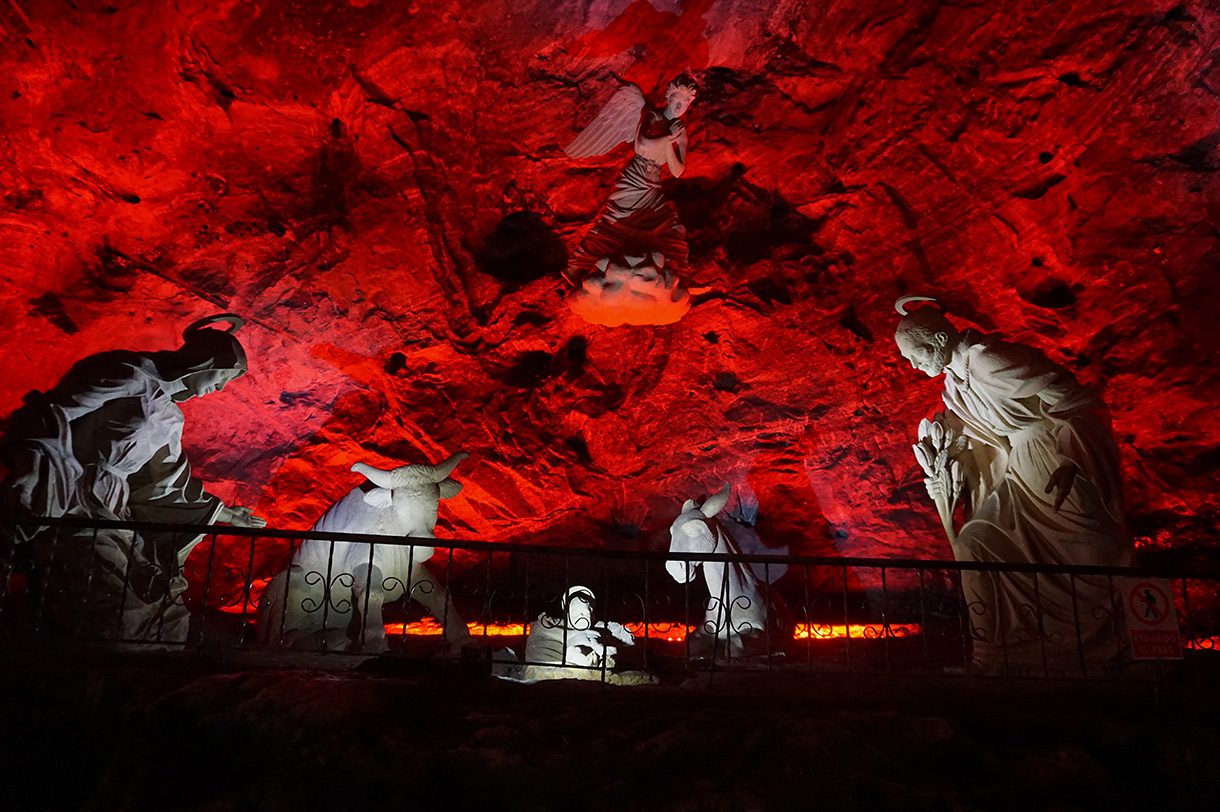
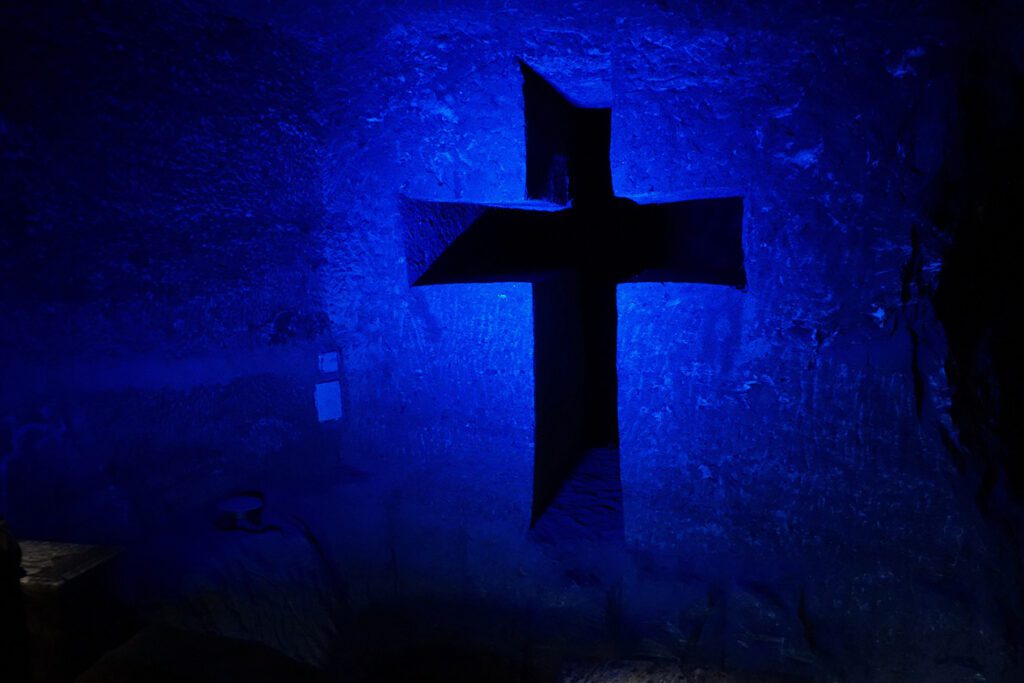
As you descend deep into the illuminated mine shafts, the mountain air turns crisply cool and heavily salted. The hand-carved stone cross stations are dramatically lit with rich blue and purple neon illumination, casting long shadows against the textured salt walls and creating a remarkably still, magical atmosphere.
2. Trace the Legend of El Dorado at Lake Guatavita
Lake Guatavita Day Trip | Legend of El Dorado
To experience the ultimate historical payoff, book a day trip that pairs a visit to the tranquil town of Guatavita with the actual mystical lake that inspired the Muisca Raft you saw in the city center.
The Architectural Blueprint of New Guatavita
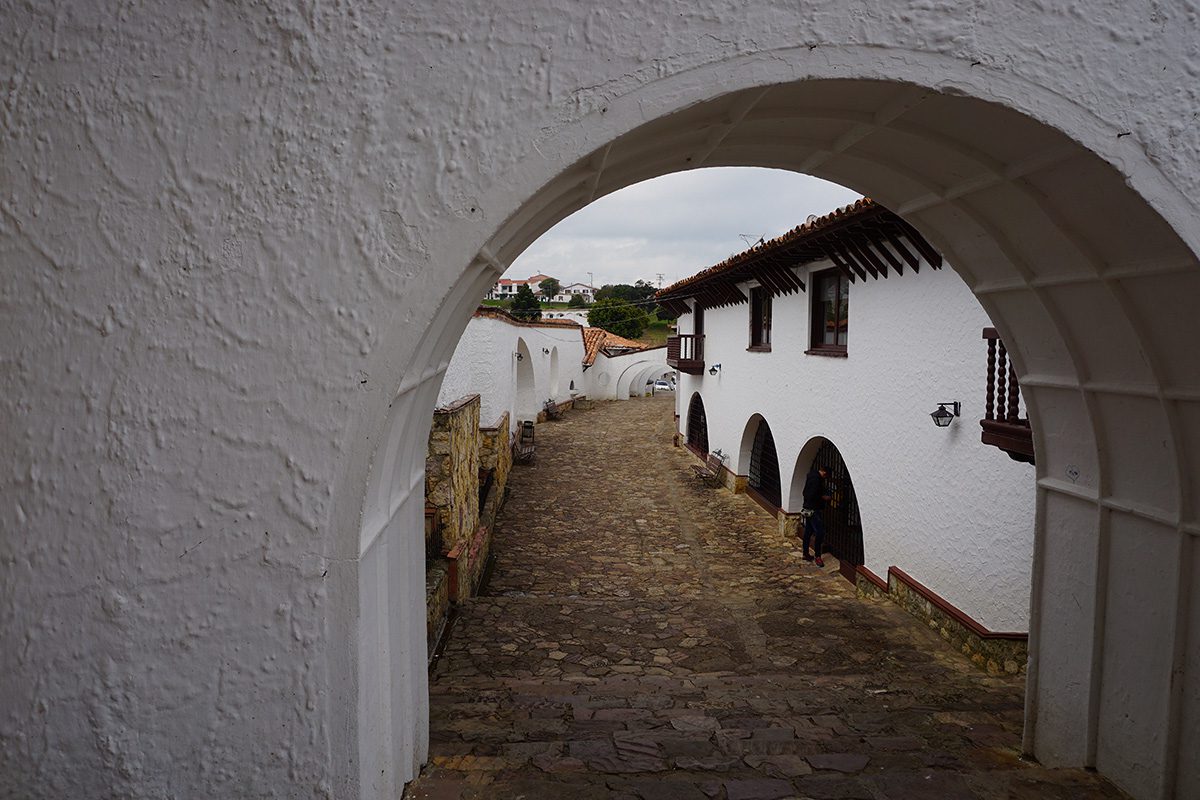
The original colonial town of Guatavita was intentionally submerged beneath a reservoir during a mid-century dam project. In the 1960s, the community constructed “New Guatavita”—a beautiful, master-planned village defined entirely by uniform white plaster homes and brilliant red-tiled roofs. It is an elegant, highly walkable place to stop for a traditional lunch.
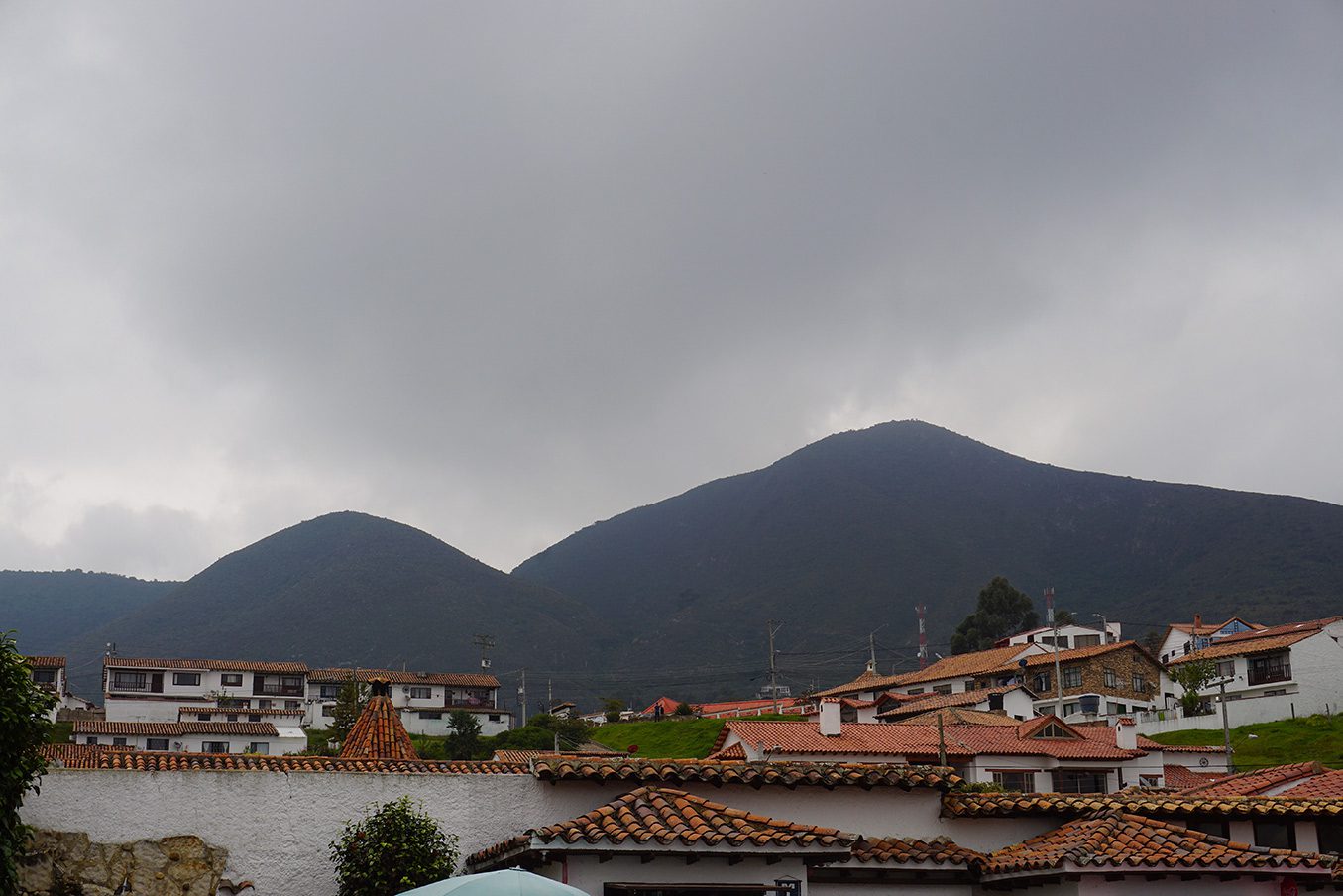
The Sacred Mountain Lagoon
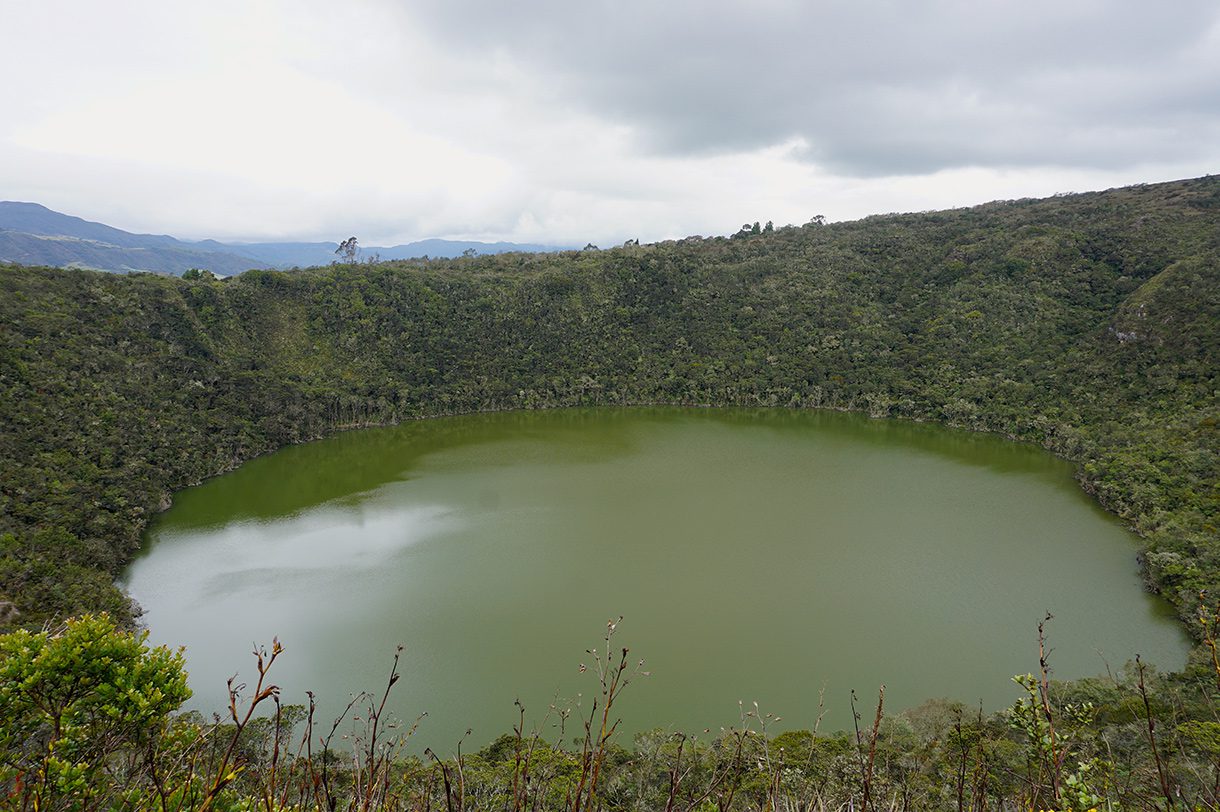
A short drive from the village leads to Lake Guatavita, a perfectly circular, emerald-green crater lake tucked high into the mountain peaks. This is the exact birthplace of the El Dorado legend.
Here, the Muisca ziapa (chief) would coat his skin in sticky tree sap and gold dust before diving into the cold waters from a ceremonial raft while his tribe tossed gold ornaments into the deep lake center as offerings.
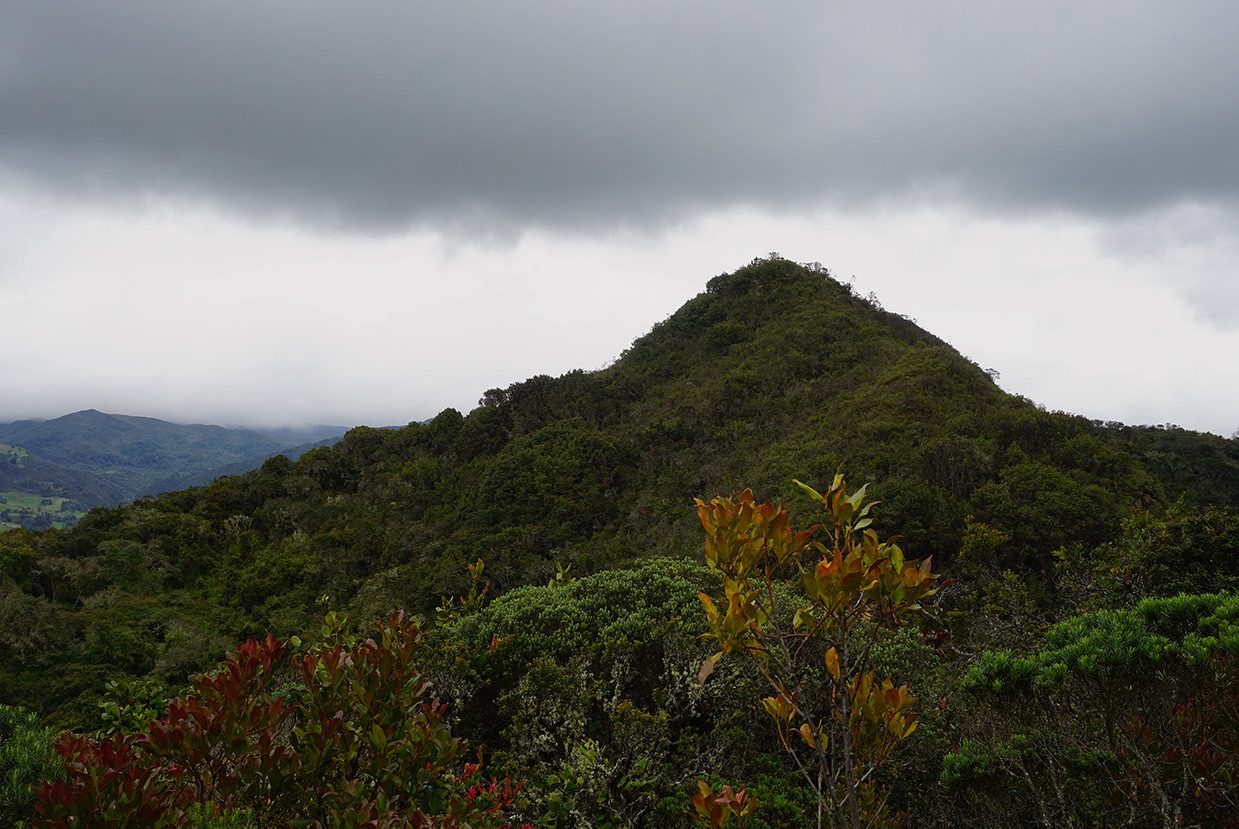
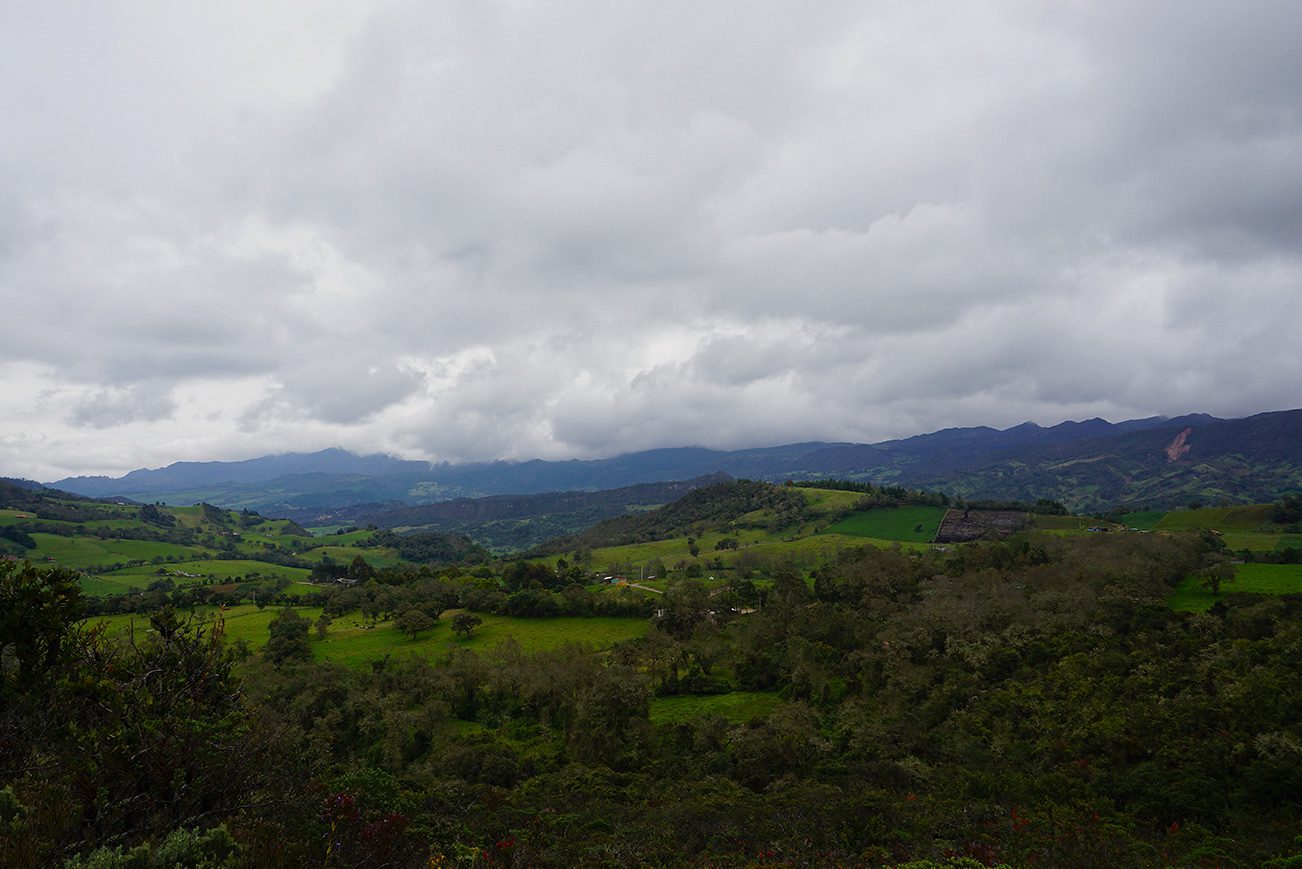
Trail Logistics: To reach the high crater overlook rim, you must join an organized, local guided eco-hike that spans roughly 45 minutes to an hour. Standing on the elevated rim and viewing the water puts the entire pre-Columbian gold history into a profound visual perspective.
1. Ascend the Sacred Summit of Monserrate Mountain
Monserrate Bogotá | Best Views of the City
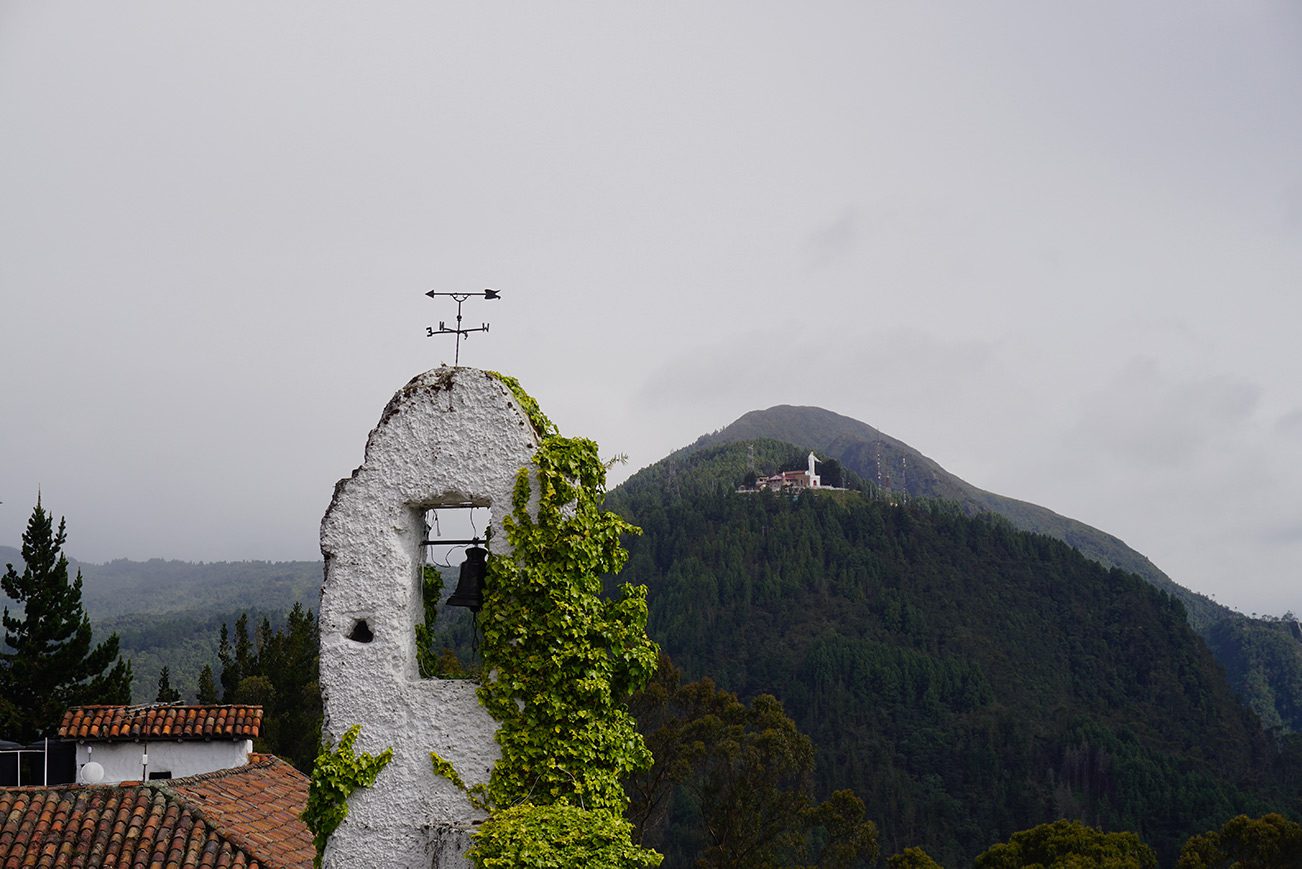
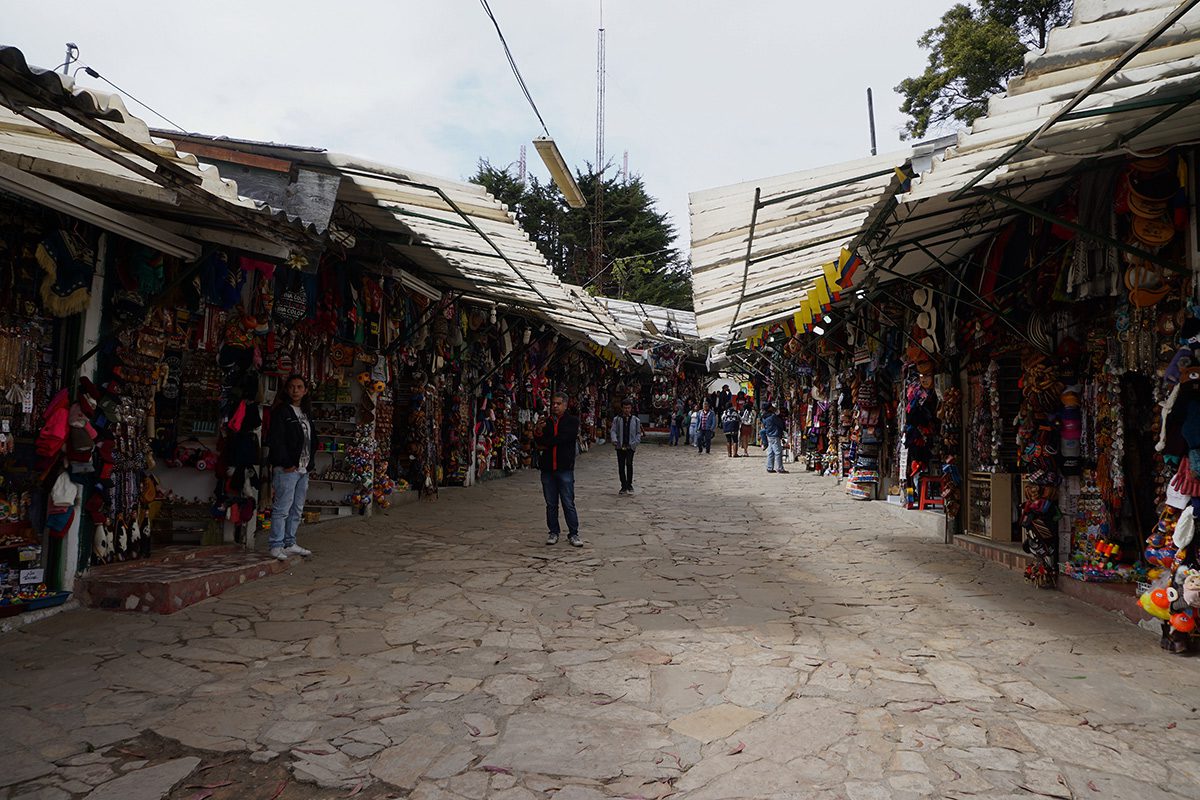
My absolute number one recommendation for any traveler exploring the capital is taking the aerial cable car or funicular railway straight to the cloud-line summit of Monserrate Mountain. This colossal mountain ridge towers dramatically over the eastern edge of the historic center, serving as the ultimate landmark of the city.
A Historic High-Altitude Pilgrimage
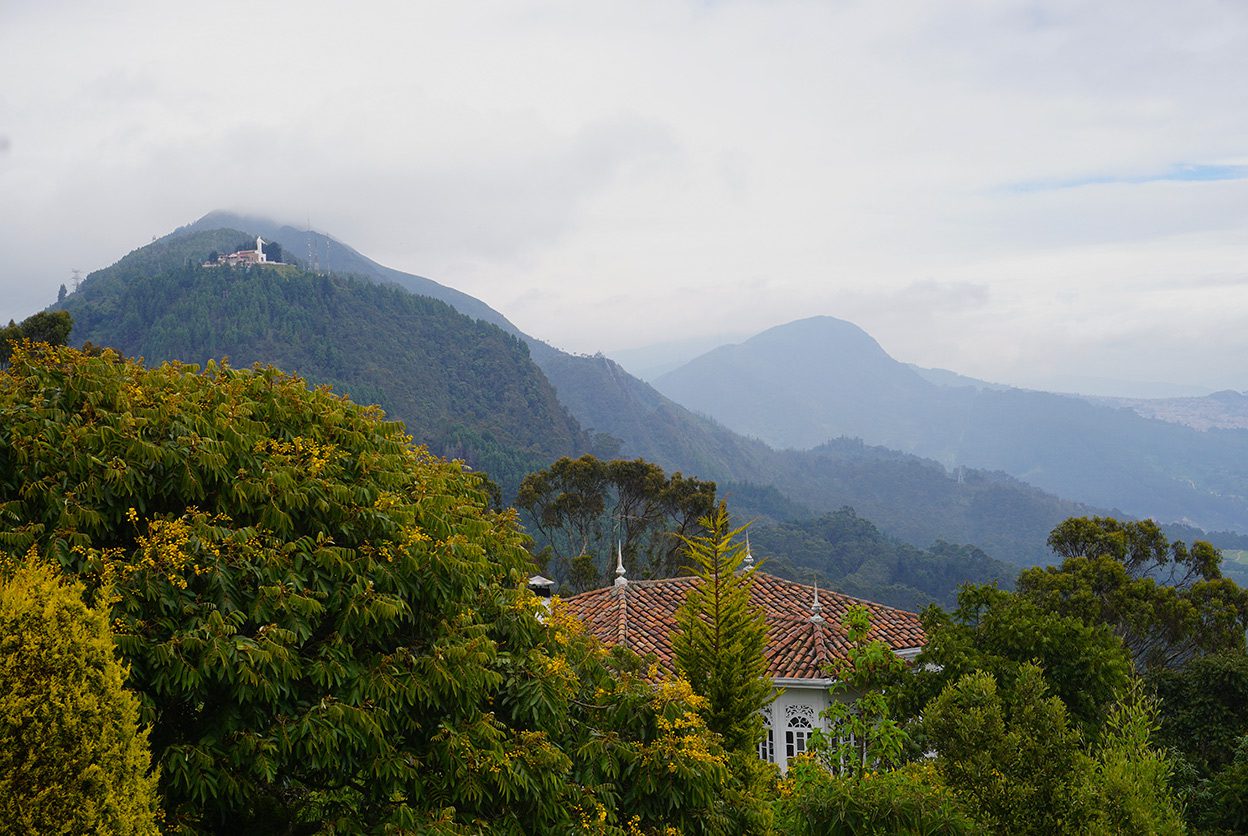
Perched gracefully at the mountain summit sits a beautiful white 17th-century sanctuary dedicated to El Señor Caído (The Fallen Lord). The mountain operates as an active, deeply sacred pilgrimage site. On weekends, you will witness hundreds of devout locals making the grueling journey up the steep, winding footpaths as an act of personal faith.
The Grand Perspective
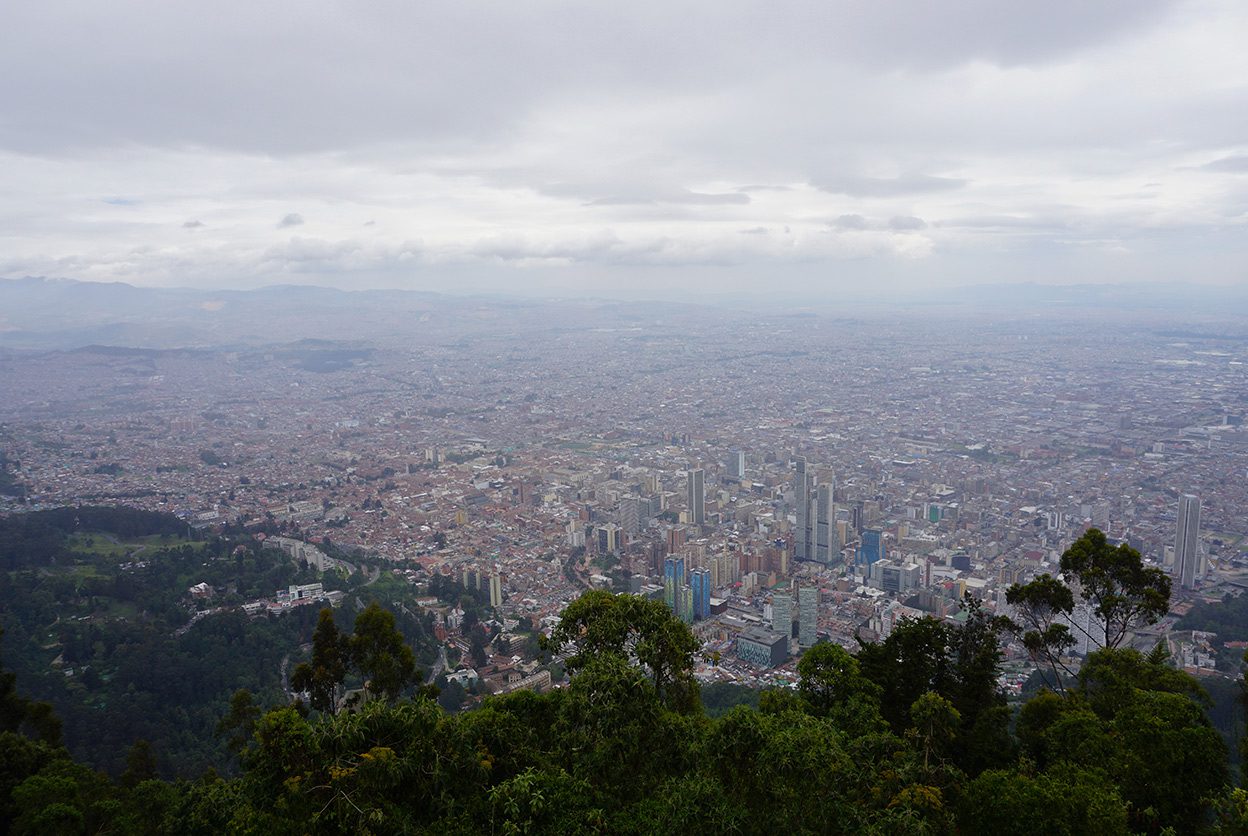
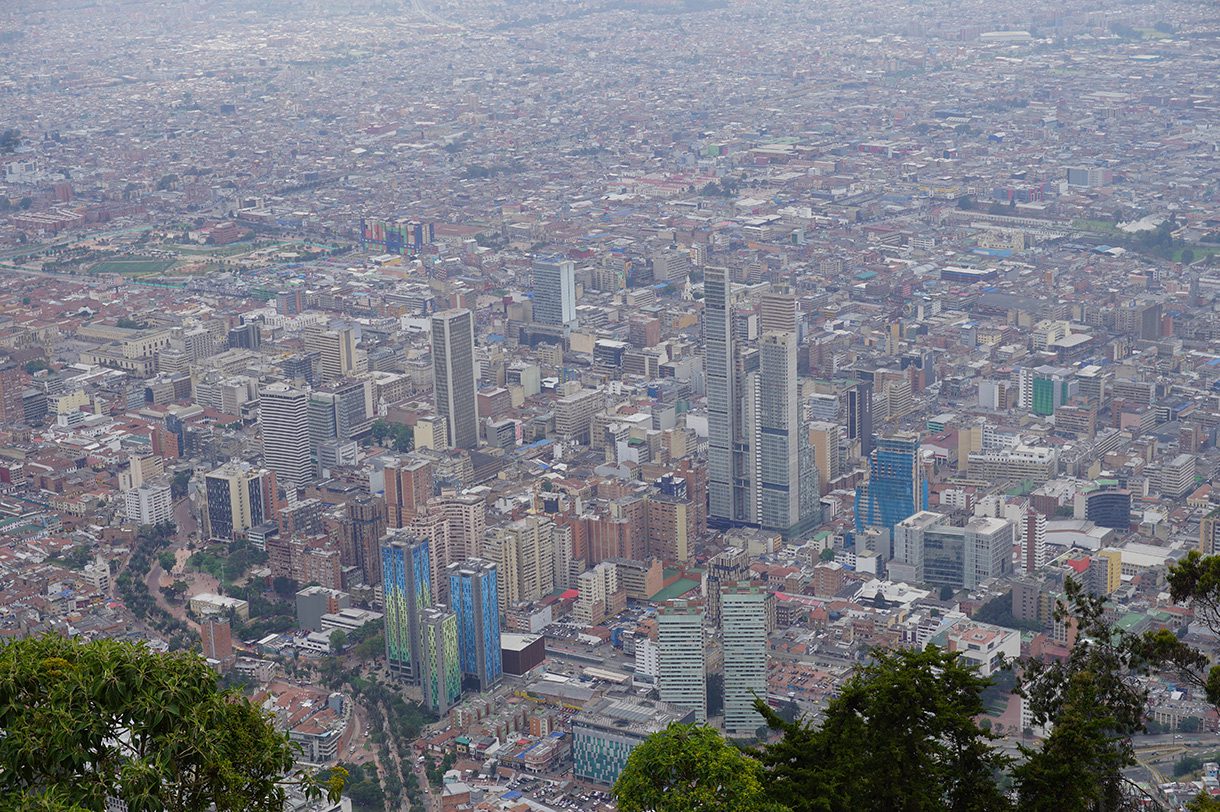
Standing at the mountain summit—elevated at over 10,341 feet (3,152 meters) above sea level—you finally comprehend the true, mind-boggling scale of the capital.
The city stretches out below you like an infinite urban carpet, extending for miles. The summit features beautifully landscaped gardens, quiet walking paths, and a couple of upscale restaurants where you can enjoy hot cocoa or a meal overlooking the clouds.
🎬 Final Thoughts on the Andean Capital
Bogotá can be a lot to handle because of the traffic and the size – it is a very busy city, but these five places really show why the city is worth the time. It has a lot of history and a connection to the landscape that makes it stand out. If you’re coming to Colombia, don’t skip the capital!