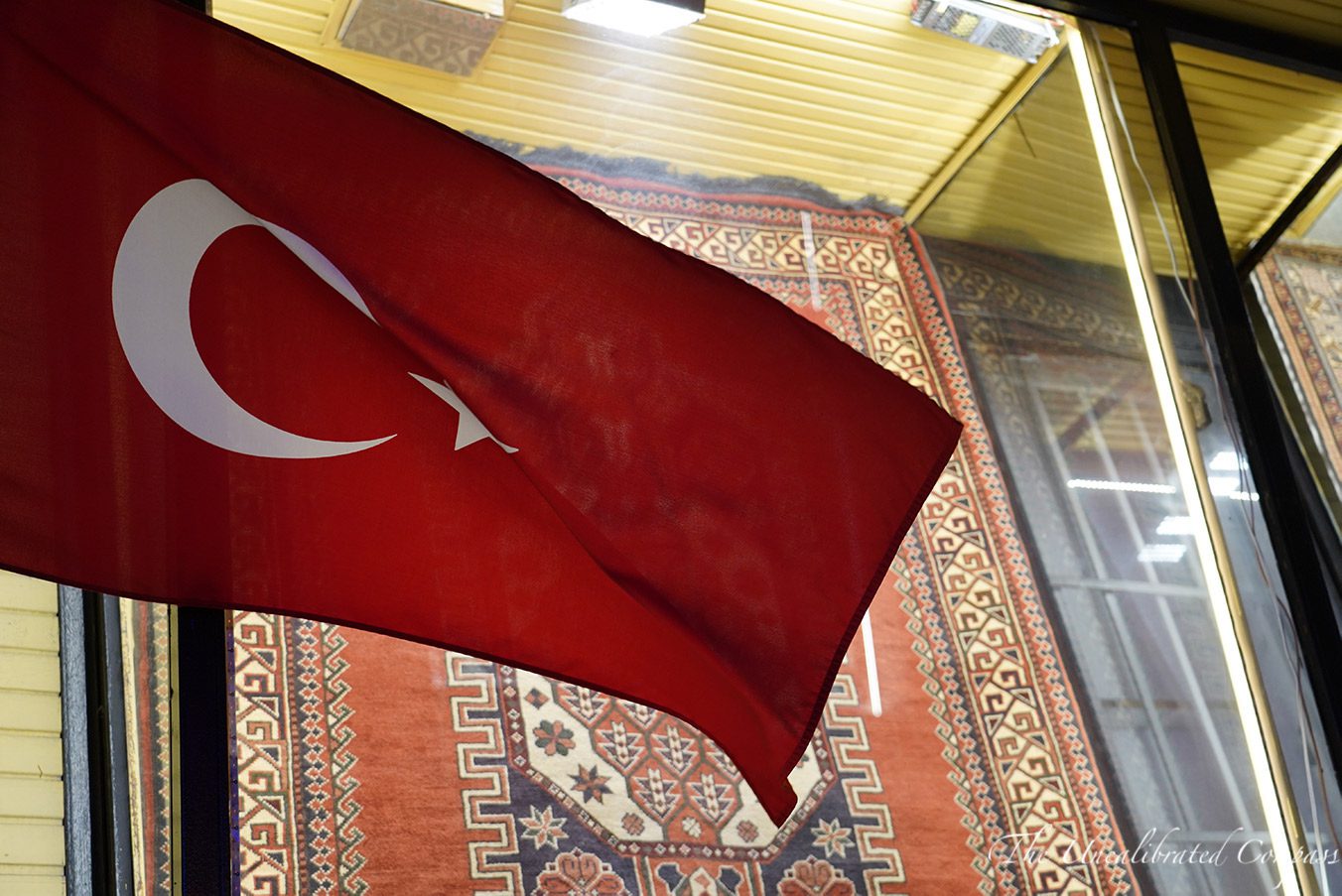
Istanbul isn’t just a city; it’s a colossal, living manuscript where empires have spent two millennia scratching their names over one another. For centuries, this was the pivot point of human history—the storied capital that bridged the fall of the ancient world with the rise of the modern era. Even today, it remains the rare, definitive junction where the land literally meets at the threshold of Europe and Asia. I wasn’t drawn here by a list of monuments to check off. I came to stand at this confluence of centuries, seeking to feel the gravity of a thousand years anchored in the very stones beneath my feet.
Table of Contents
The Geometry of Faith: Hagia Sophia & The Blue Mosque
To truly grasp the soul of Istanbul, you have to stand in the space between two of the world’s most iconic structures. They face each other like silent giants, representing different eras, different architectural philosophies, and a shared devotion that has defined this skyline for centuries.
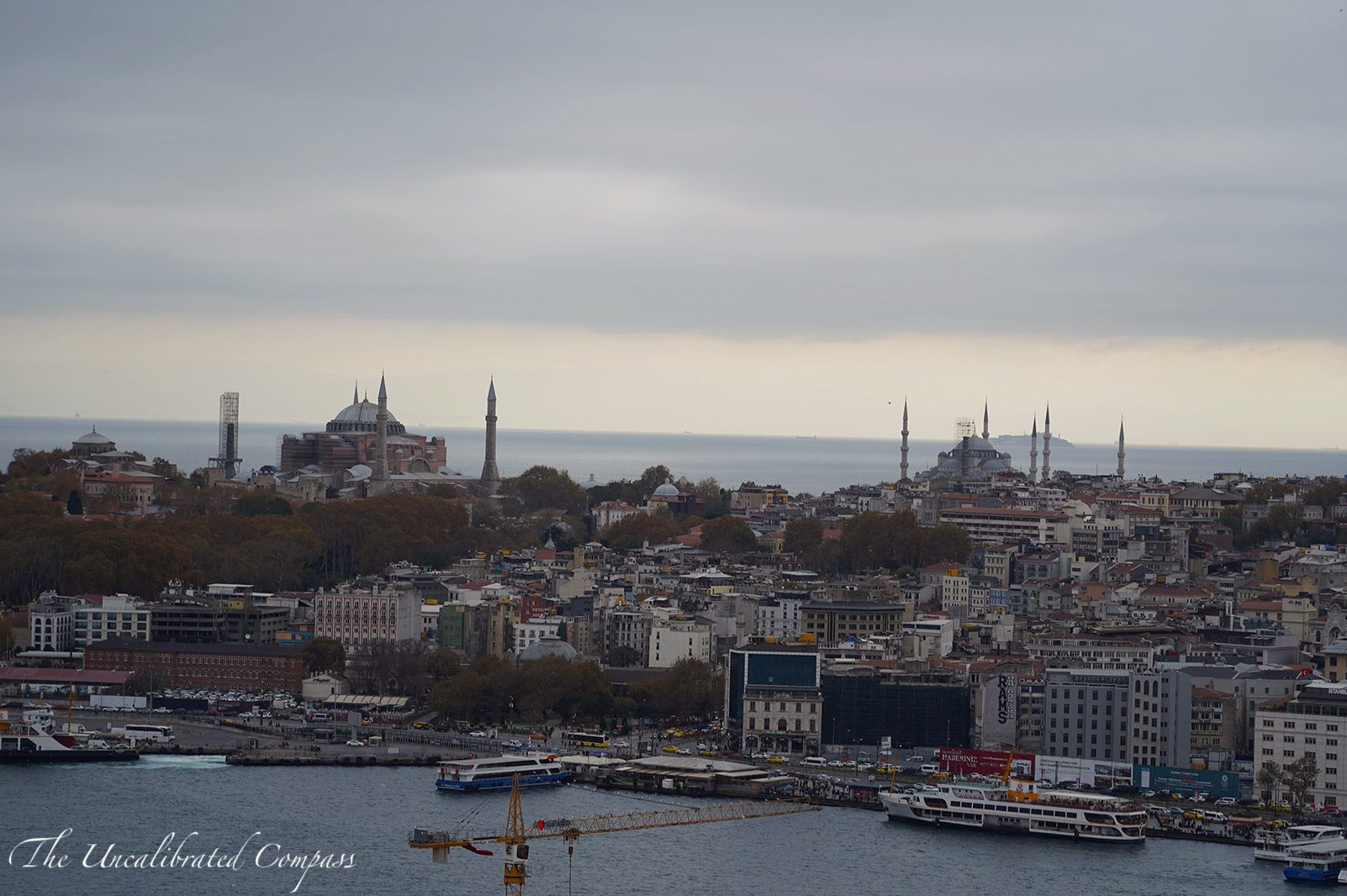
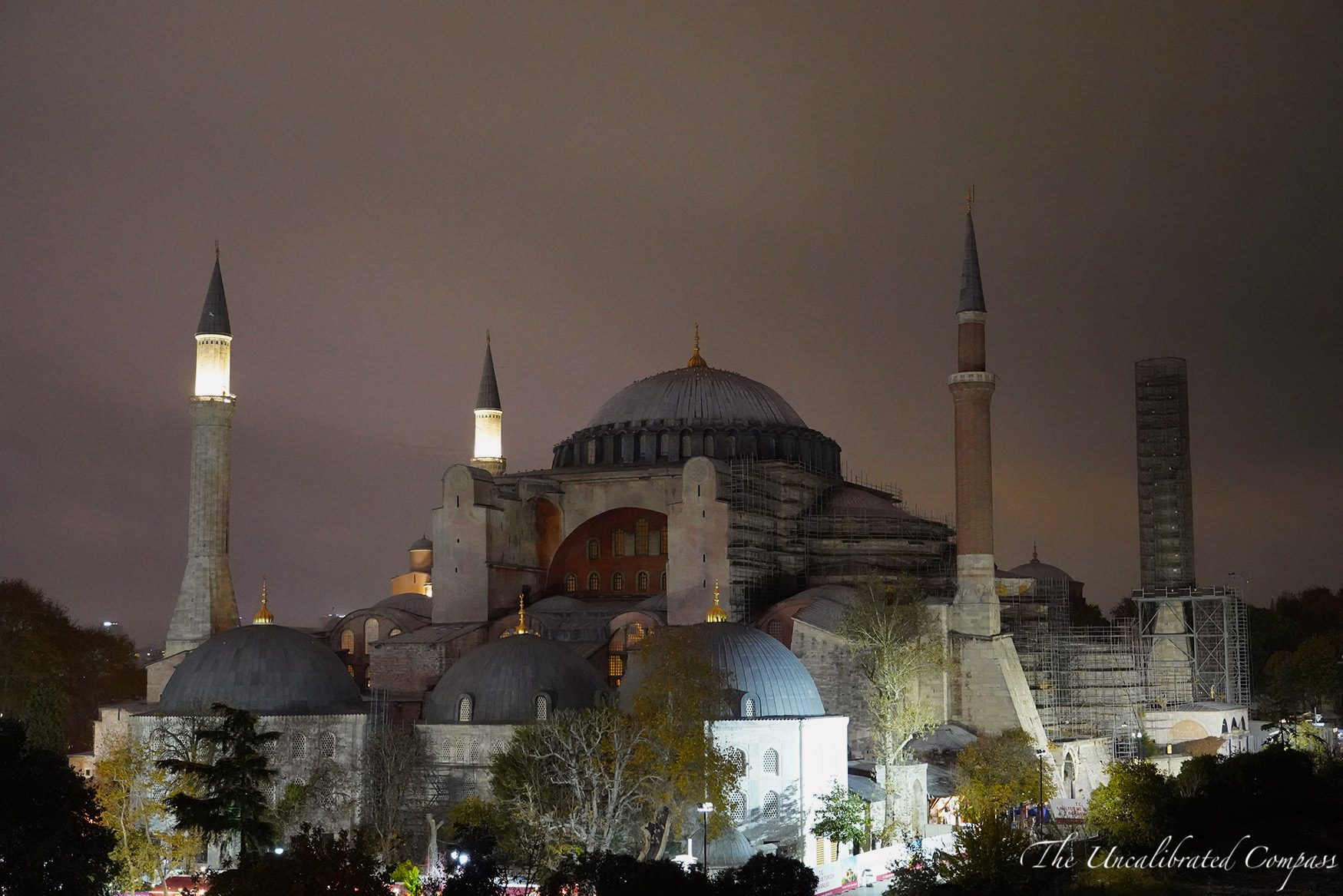
The Hagia Sophia: The Survivor
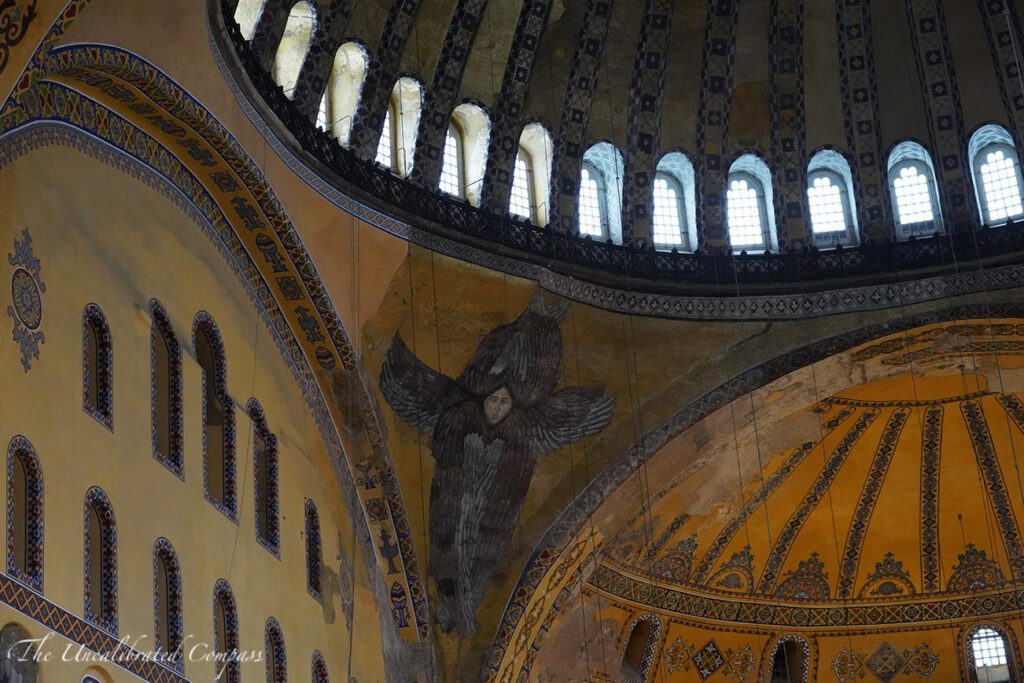
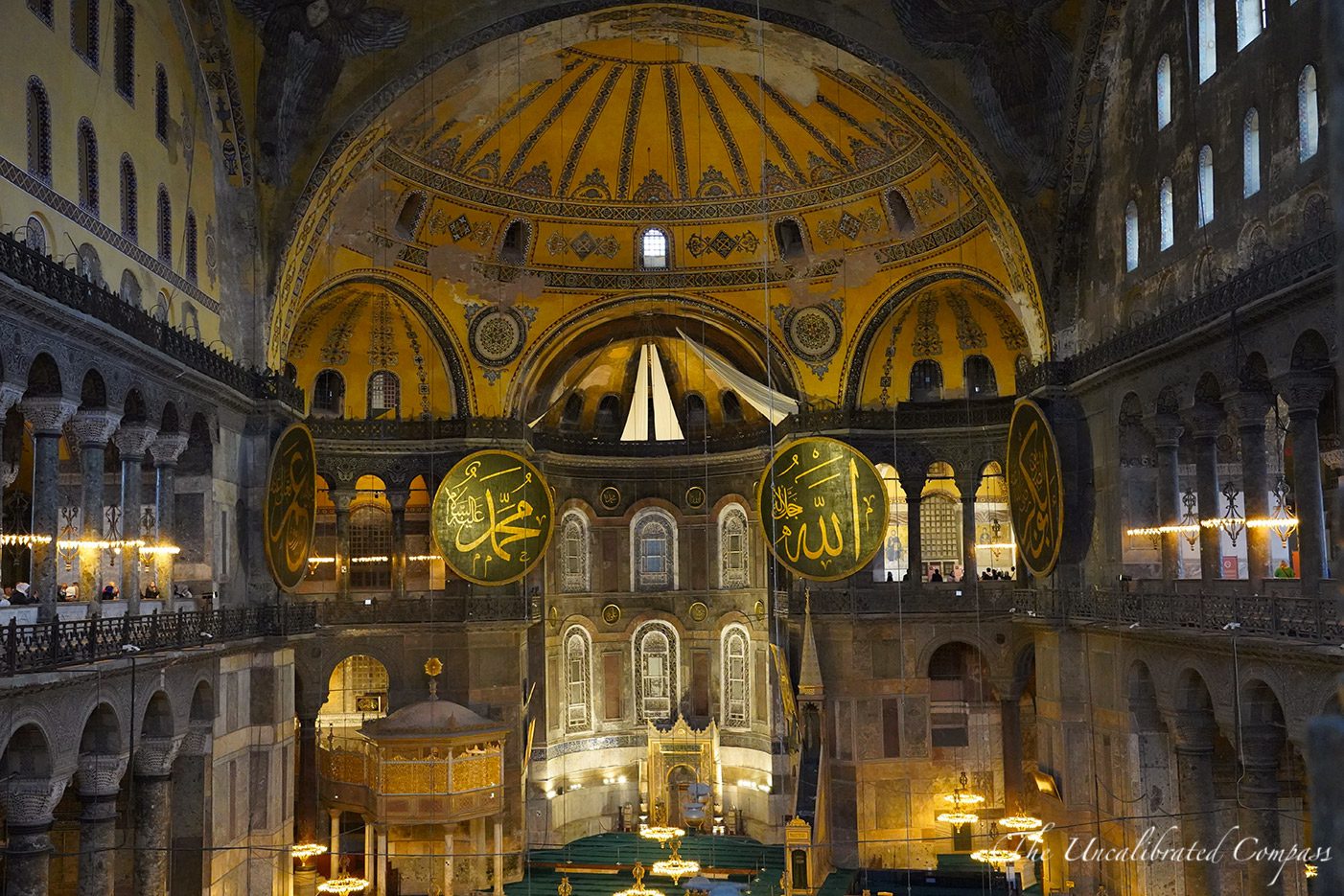
Completed in 537 AD, the Hagia Sophia is a masterclass in endurance. Originally commissioned as a Greek Orthodox cathedral by Emperor Justinian I, it was intended to be a physical manifestation of the divine. When the Ottomans took the city in 1453, Sultan Mehmed the Conqueror was so moved by its scale that he immediately preserved it, converting it into a mosque.
The History: For nearly a thousand years, it was the largest cathedral on Earth. Its massive dome was considered a miracle of engineering—it appeared to be “suspended from heaven by a golden chain.”
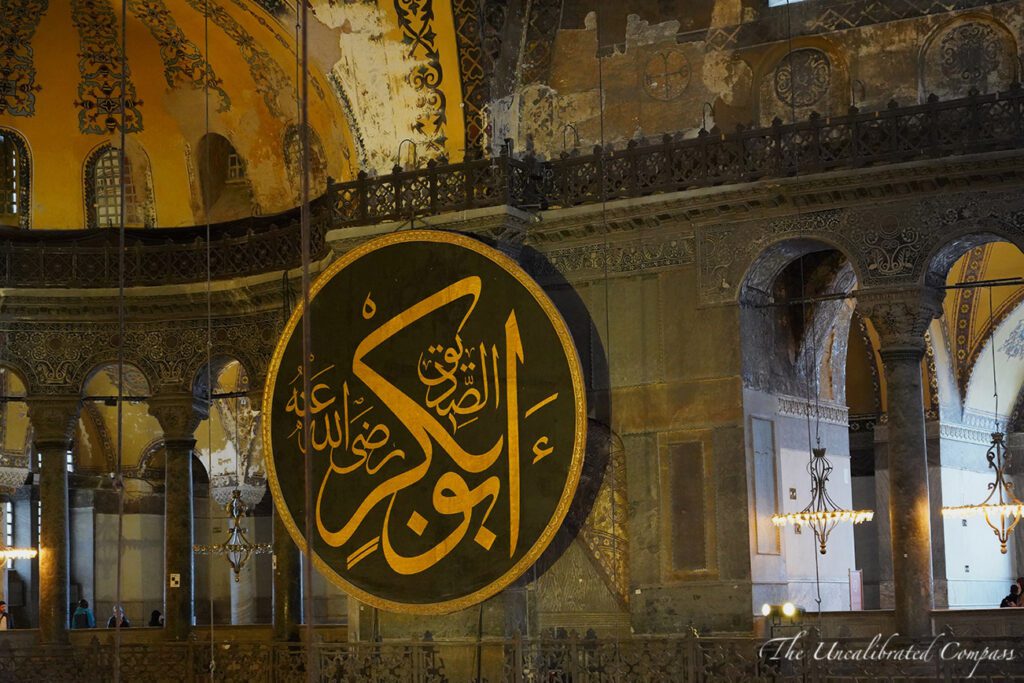
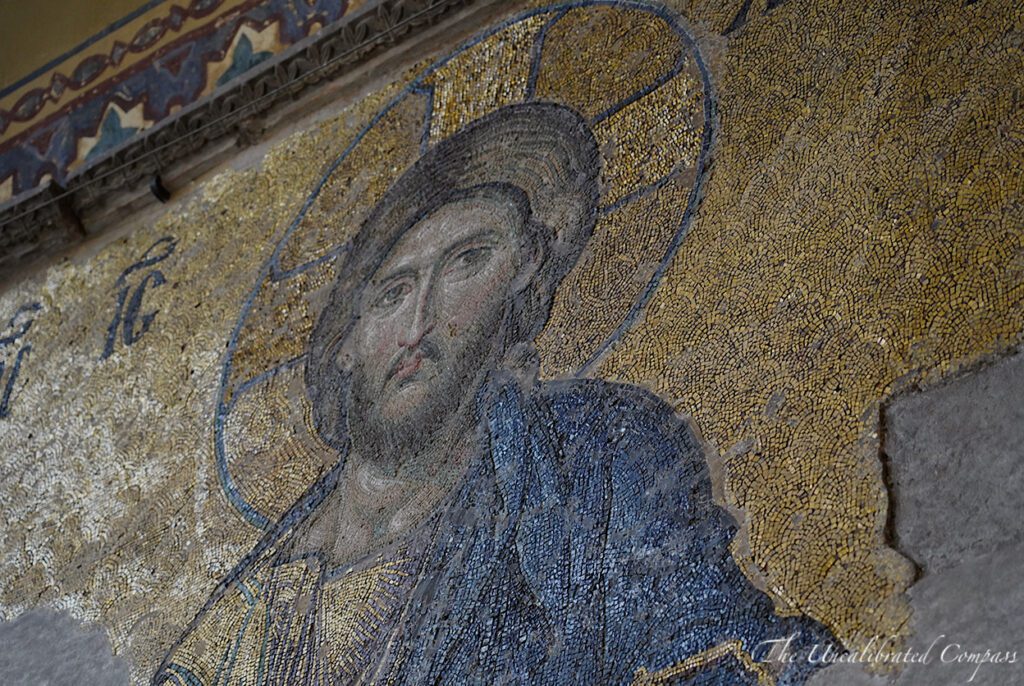
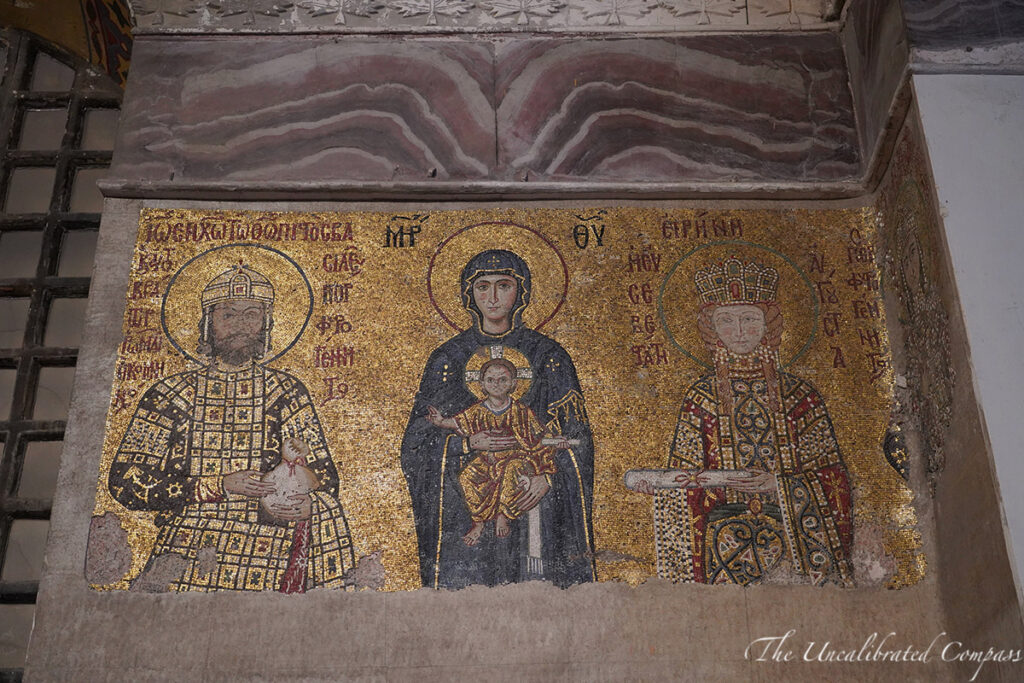
The Detail: Look for the Islamic calligraphy medallions hanging alongside ancient Christian mosaics. It is one of the few places where you can see the iconography of both faiths occupying the same sacred space.

The Blue Mosque: The Rival
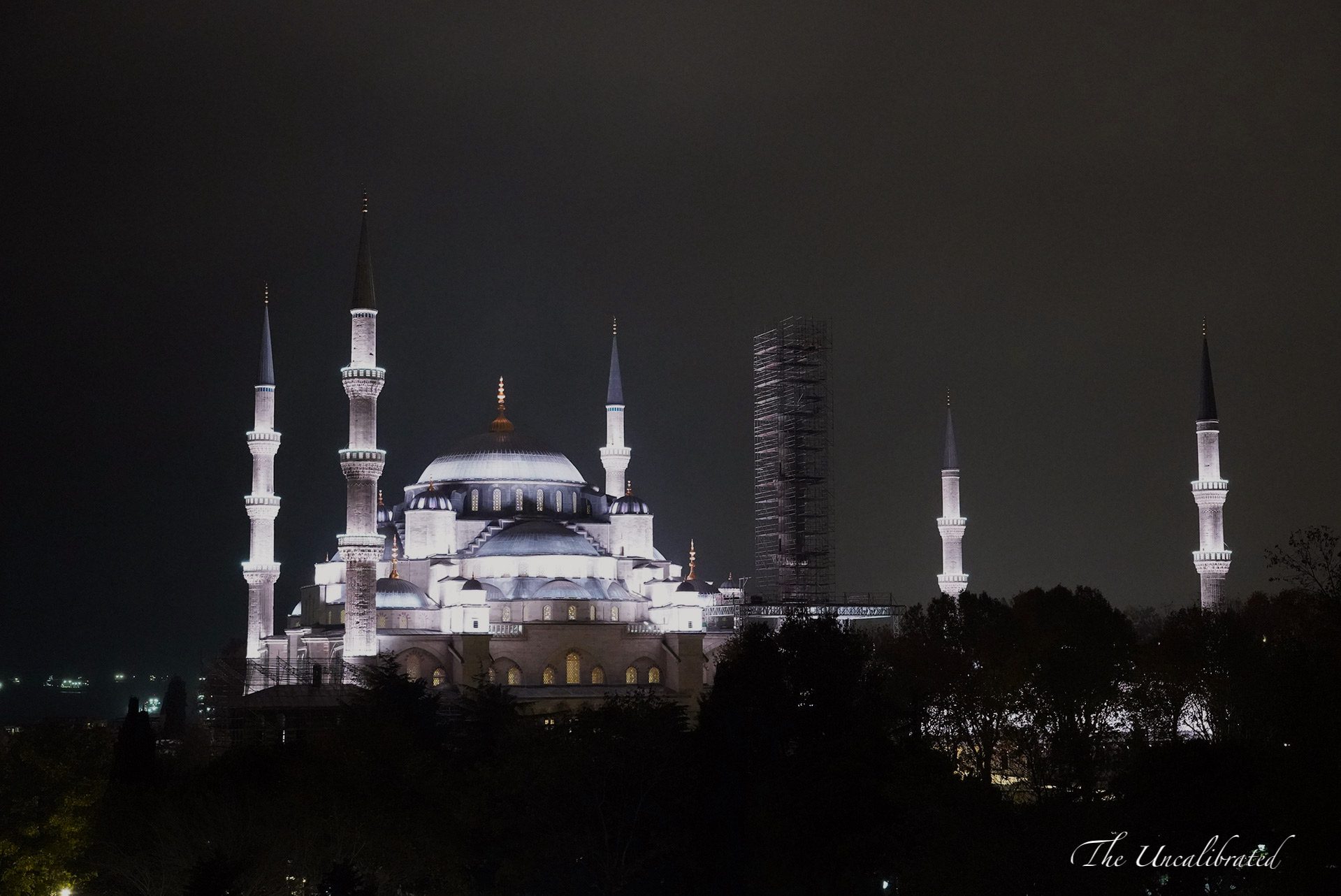
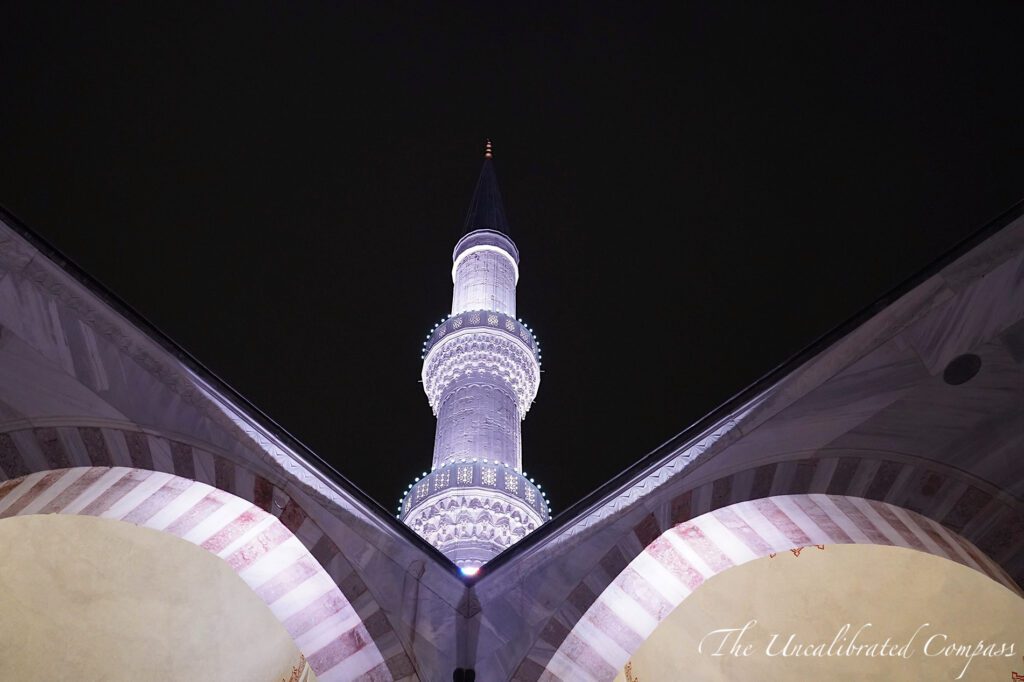
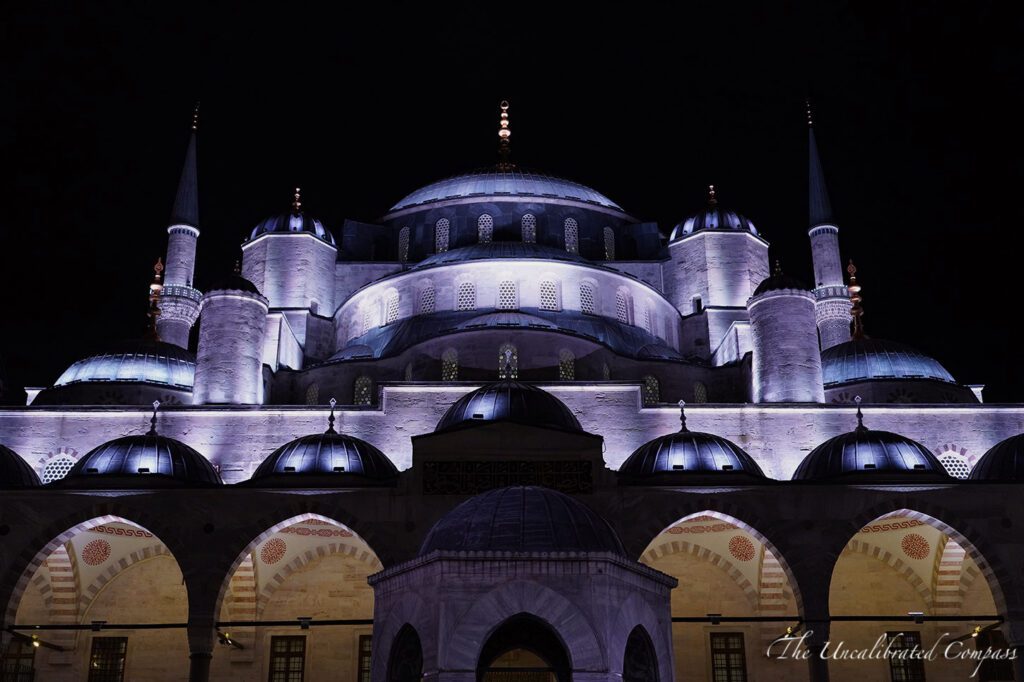
Directly across the square sits the Blue Mosque (Sultan Ahmed Mosque). Built in the early 1600s, it was designed specifically to rival the grandeur of the Hagia Sophia. While the older structure is heavy and ancient, the Blue Mosque feels airy and rhythmic, with its six minarets—a number that caused a scandal at the time because only the mosque in Mecca had as many back then.
Significance: It was the first imperial mosque to be built in Istanbul in forty years, signaling a resurgence of Ottoman power.
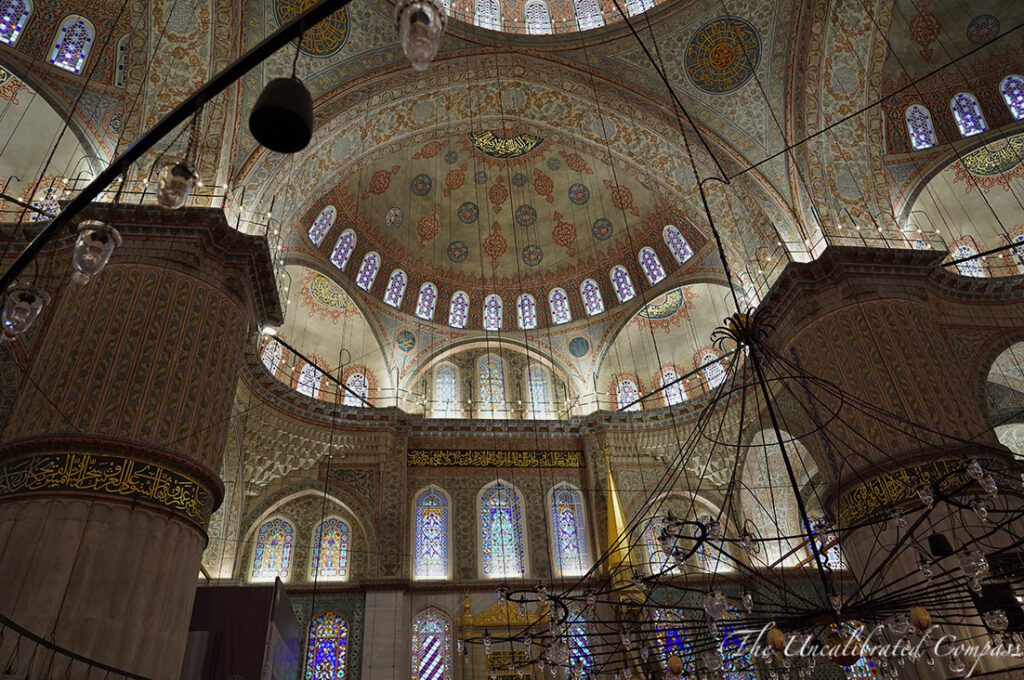
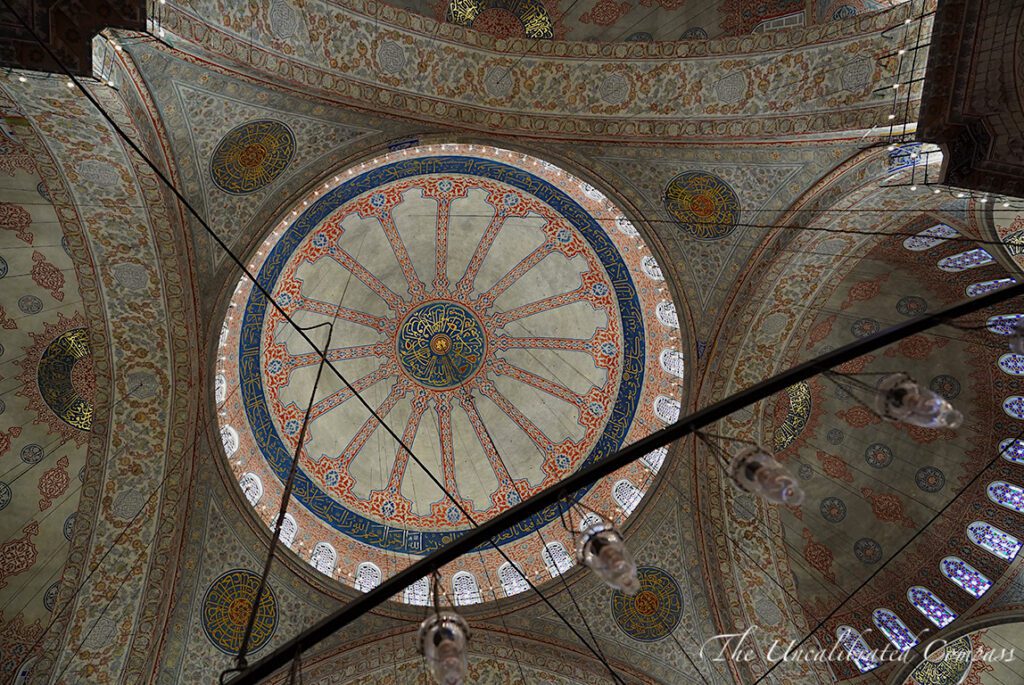
The Light: More than 200 stained-glass windows flood the interior with natural light, illuminating the intricate floral patterns of the tiles.
Logistics: Both are active mosques, so they close to visitors during the five daily prayer times. Admission is free to enter the Blue Mosque but it costs approximately $27 USD to enter the Hagia Sophia for foreign tourists. You may also use the Istanbul or Turkiye museum pass. Visit mid-morning between the first and second prayers for the best experience.
Power Behind the Walls: Topkapi Palace
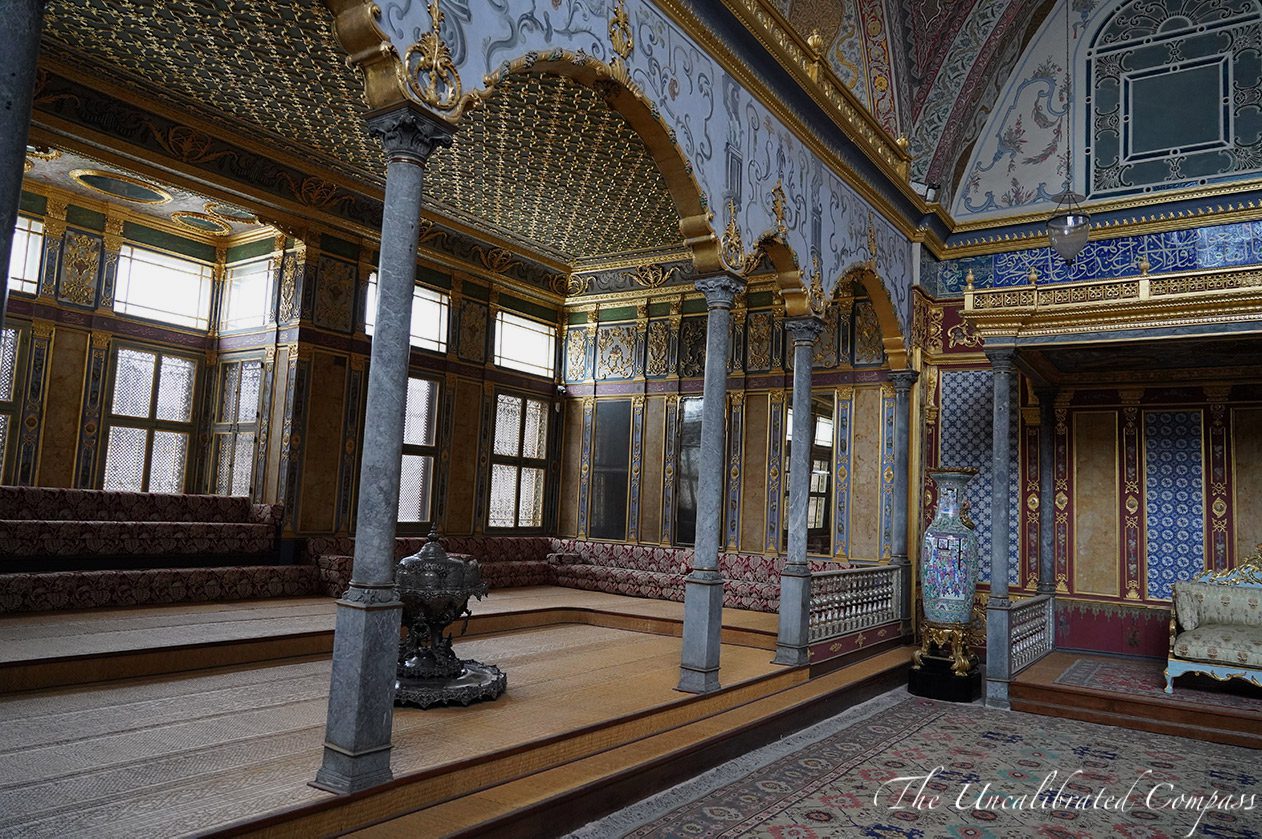
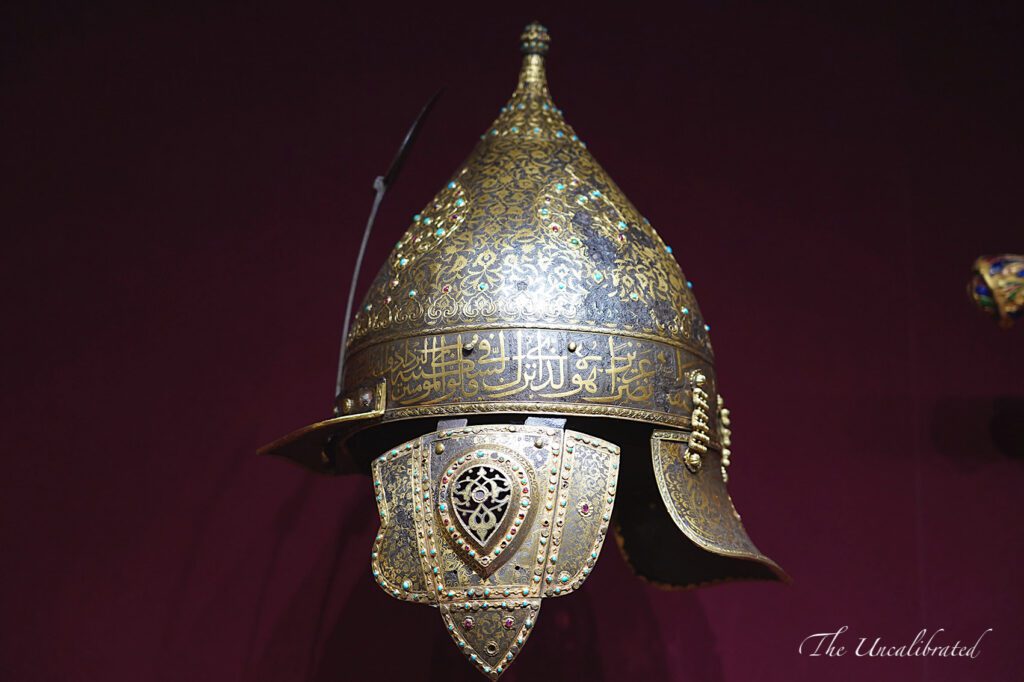
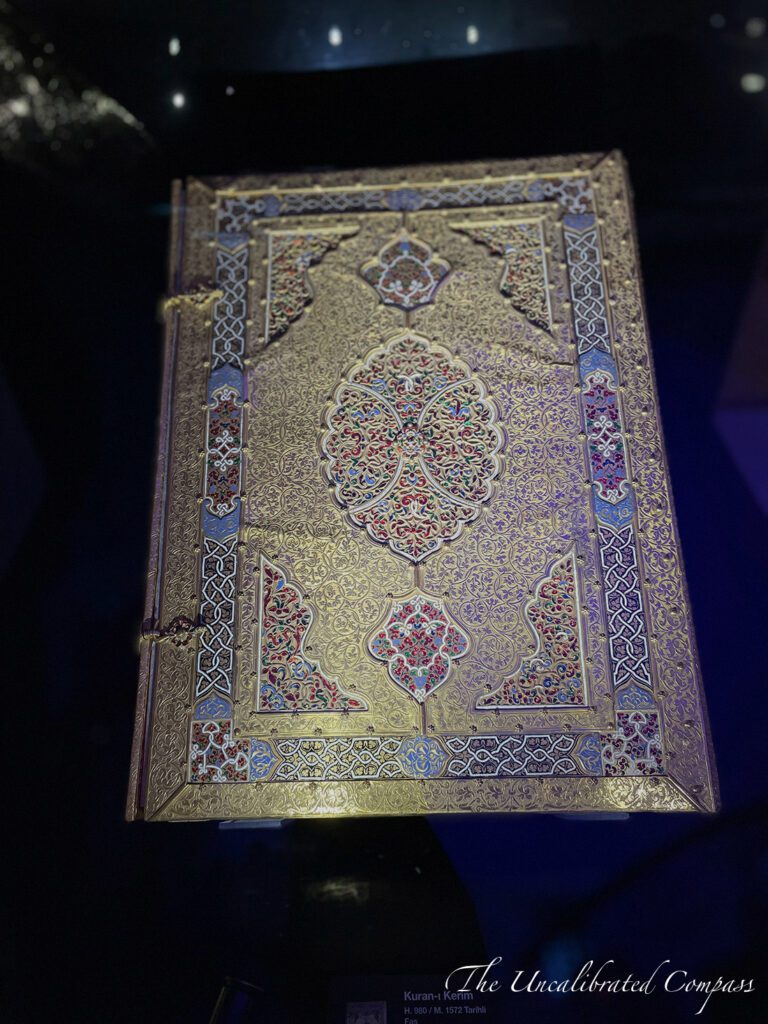
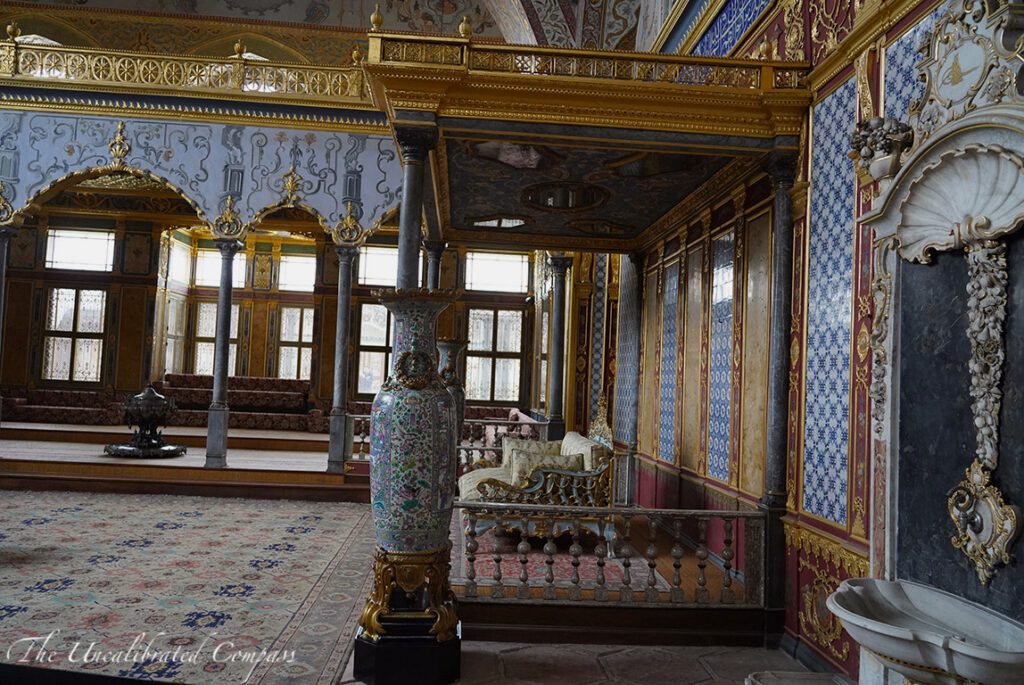
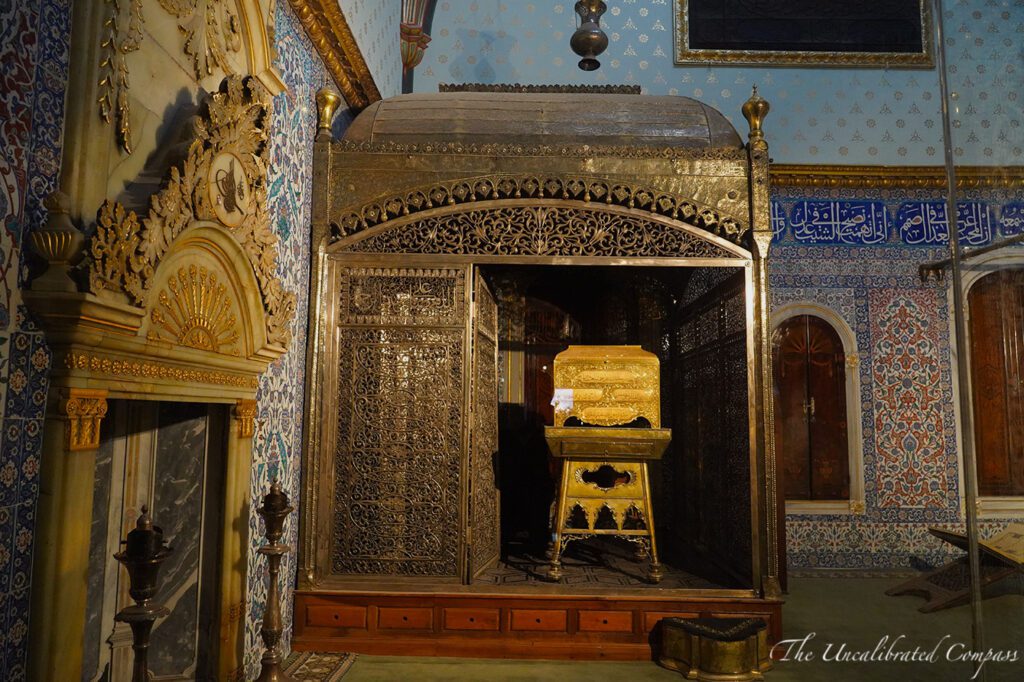
Walking into Topkapi Palace feels like entering a city within a city. For nearly 400 years, this was the primary residence and administrative hub of the Ottoman Sultans. It isn’t a single monolithic building; it’s a series of four courtyards that get progressively more private the deeper you venture.
Significance: This was the nerve center of an empire that stretched from the gates of Vienna to the tip of the Arabian Peninsula.
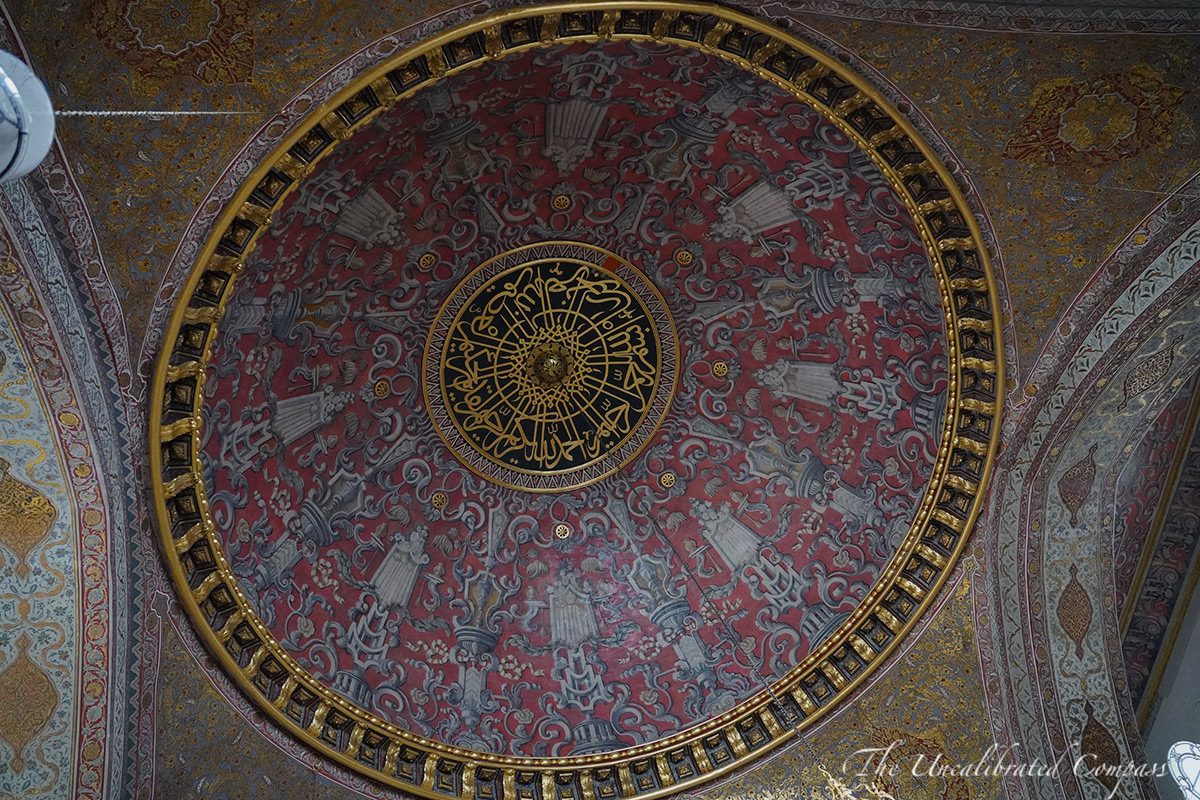
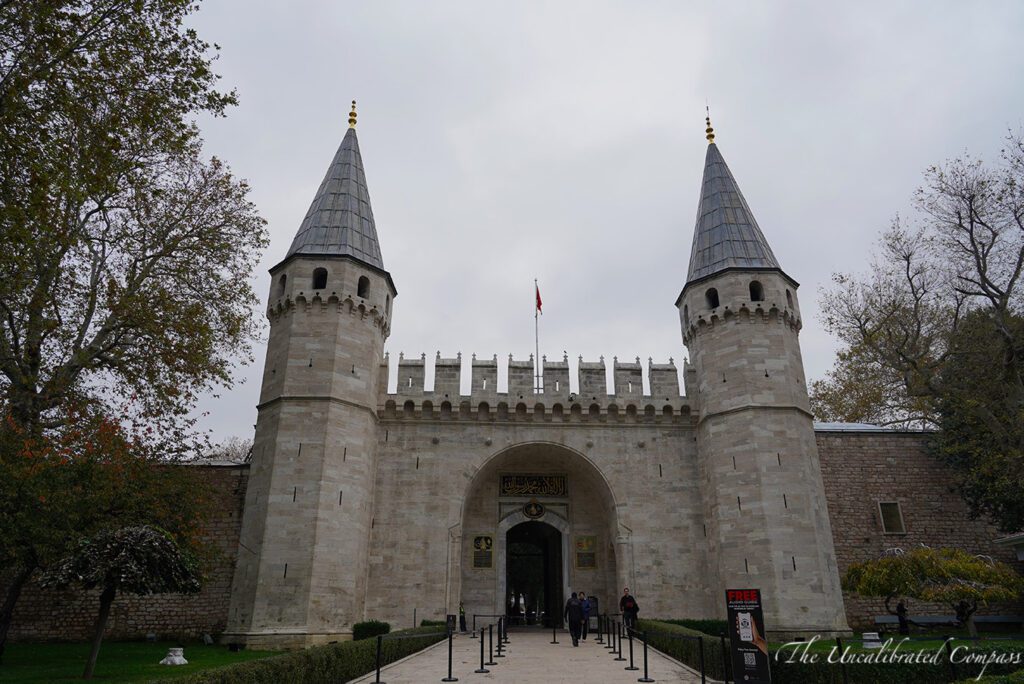

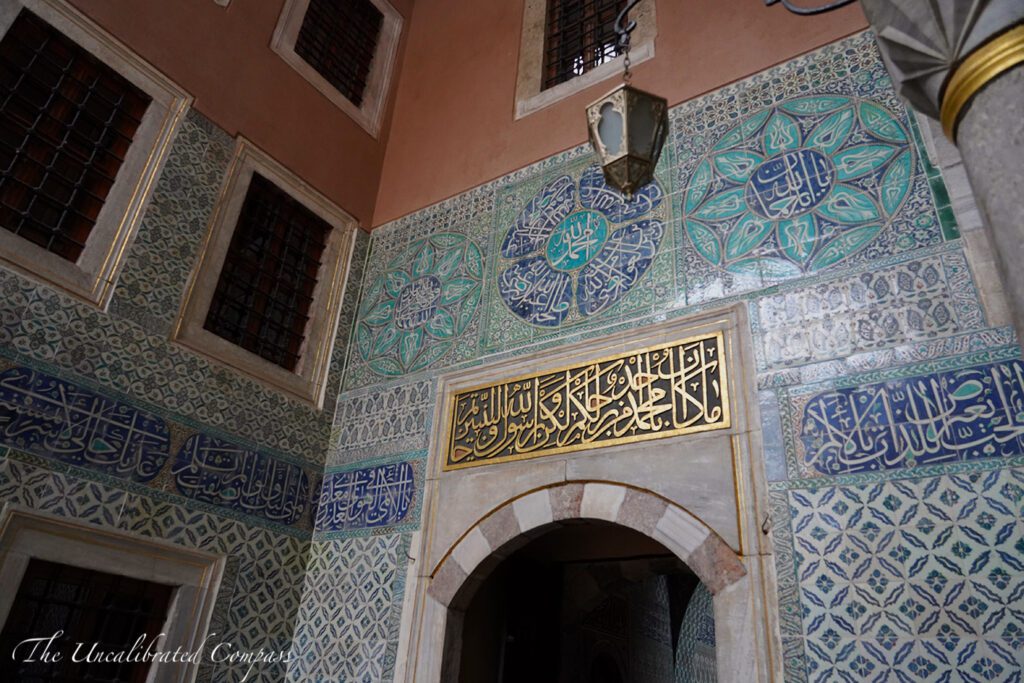

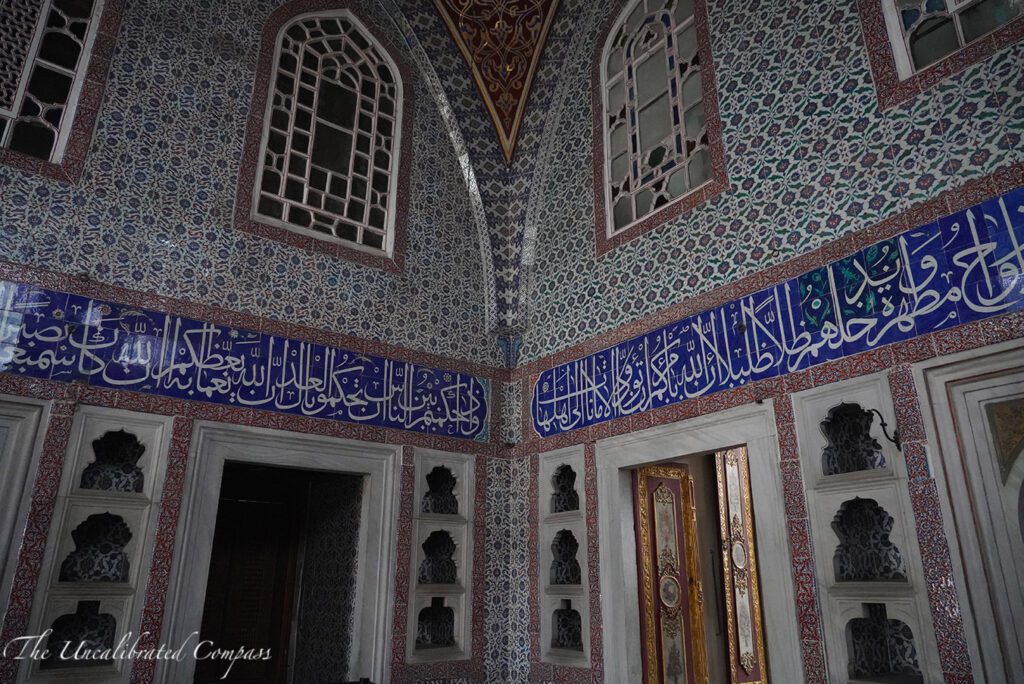
The Highlight: The Harem is where the story gets human. It wasn’t just a “forbidden” space; it was a complex social hierarchy where the Queen Mother held immense political sway.
Pro Tip: Head to the Harem early. It is the most beautiful part of the entire complex and also the most popular.
The Hive: The Grand Bazaar
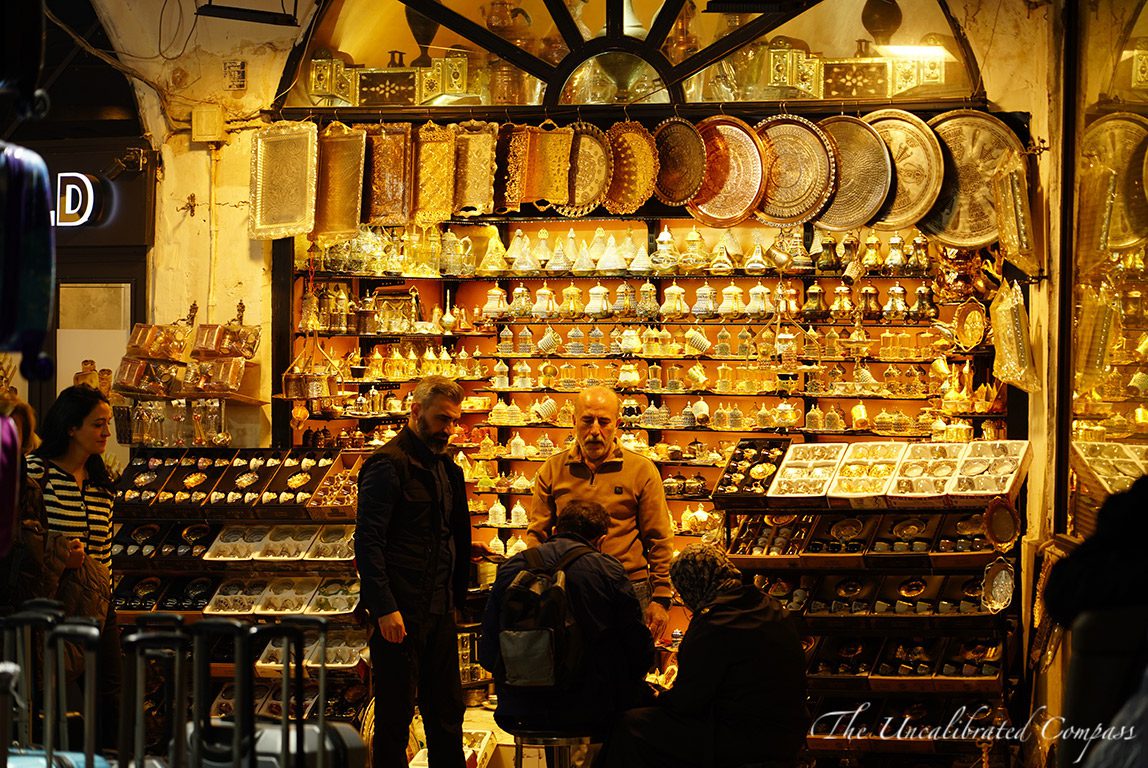
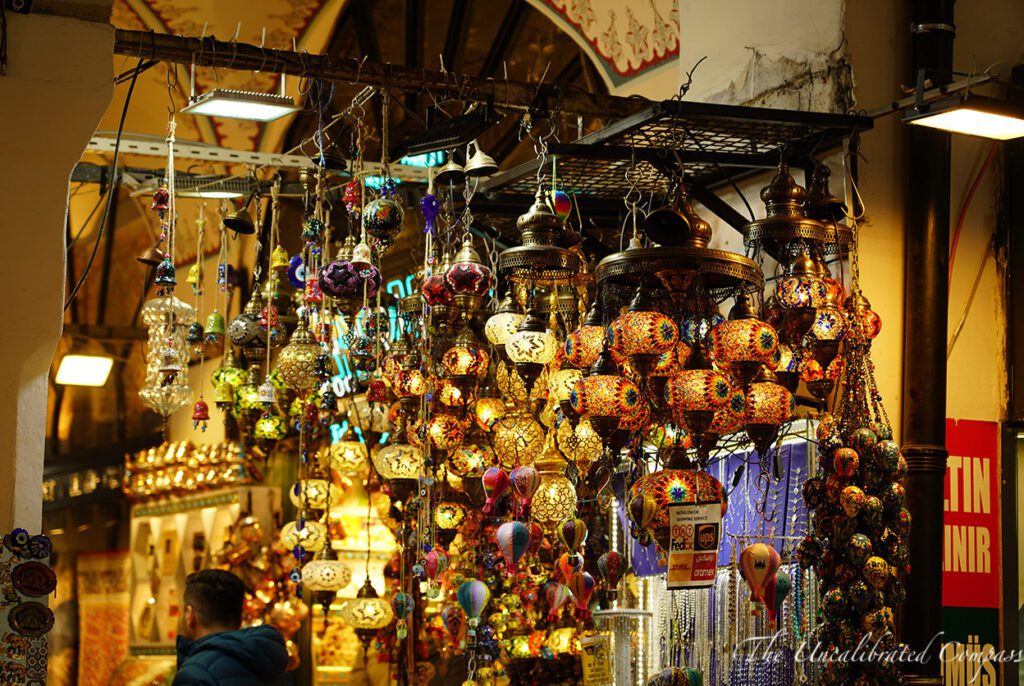
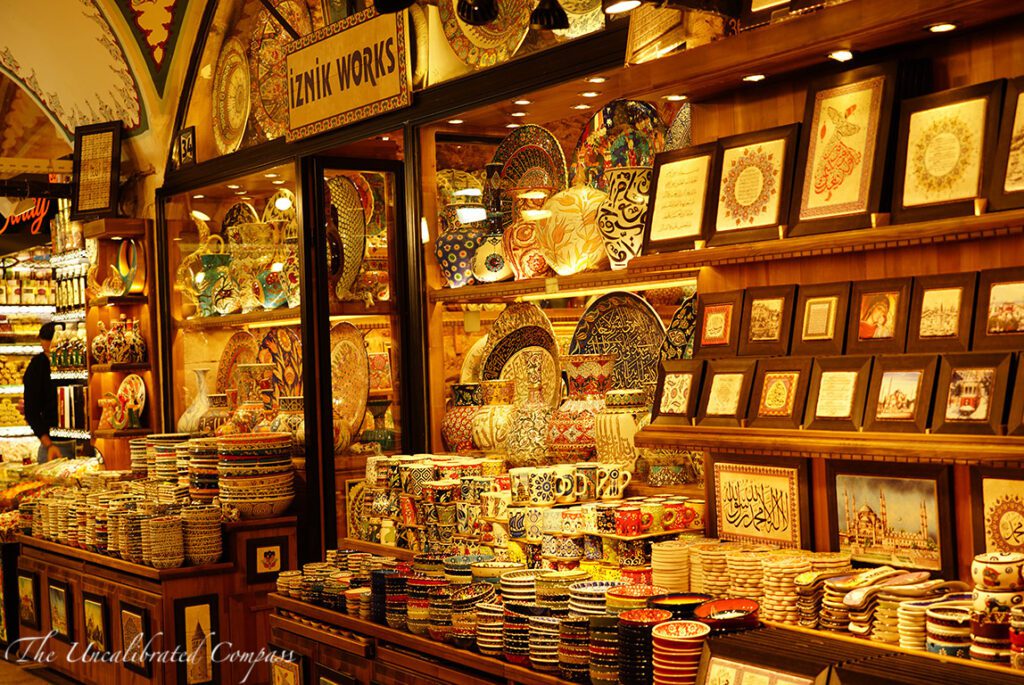
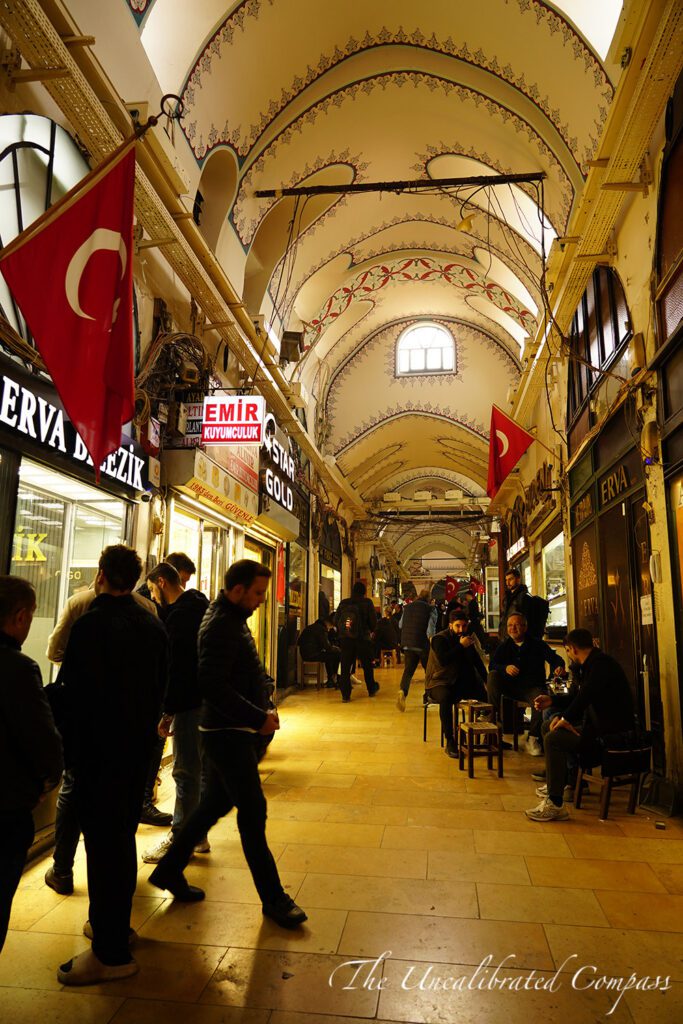
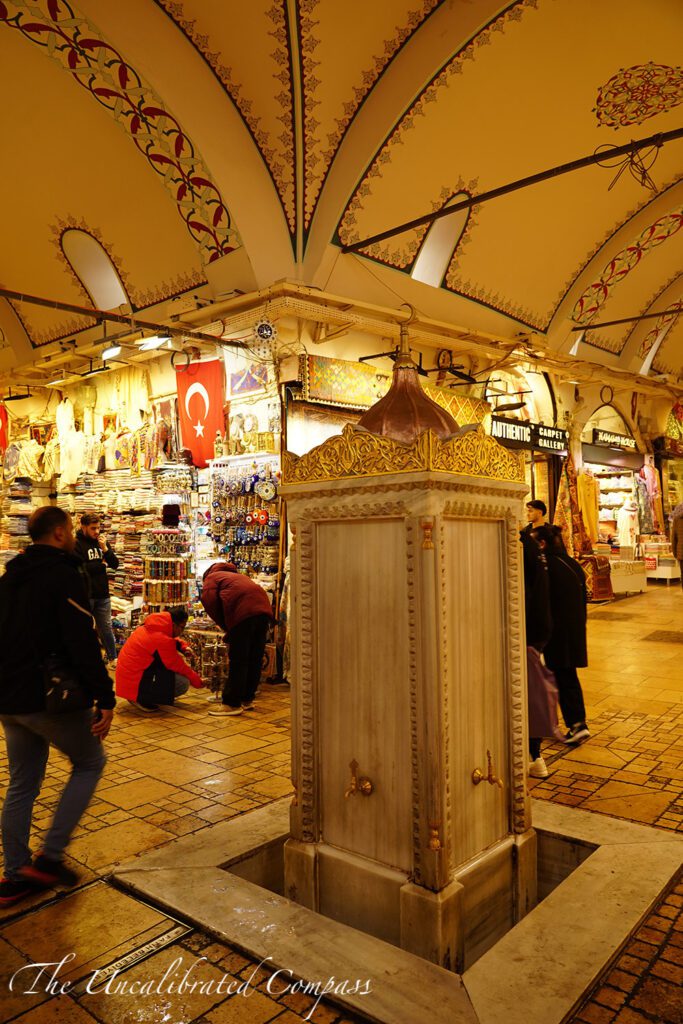
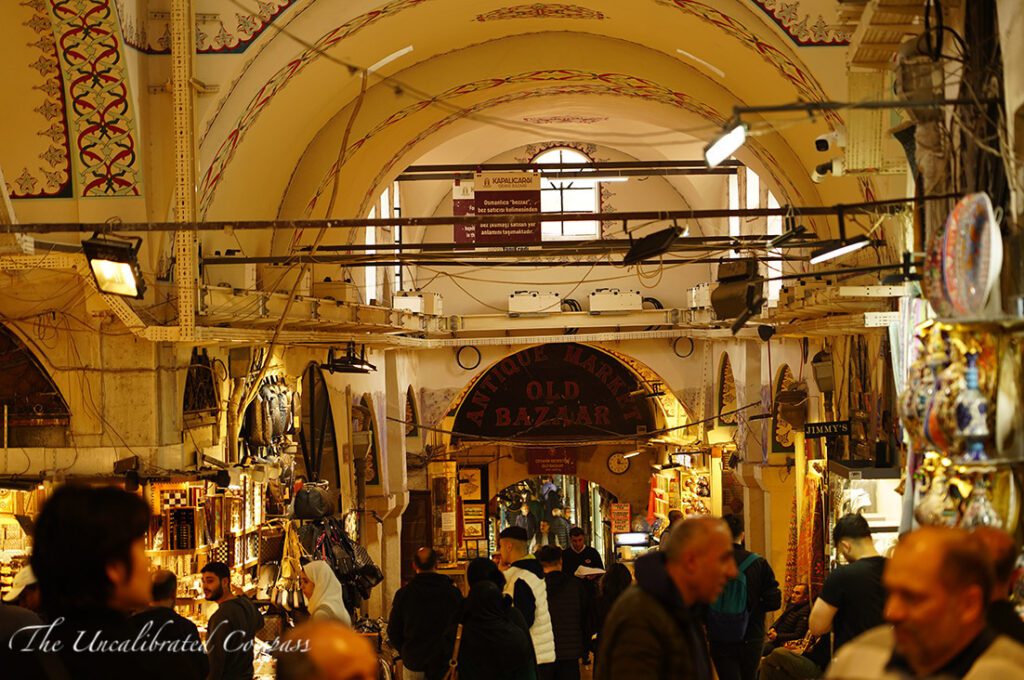
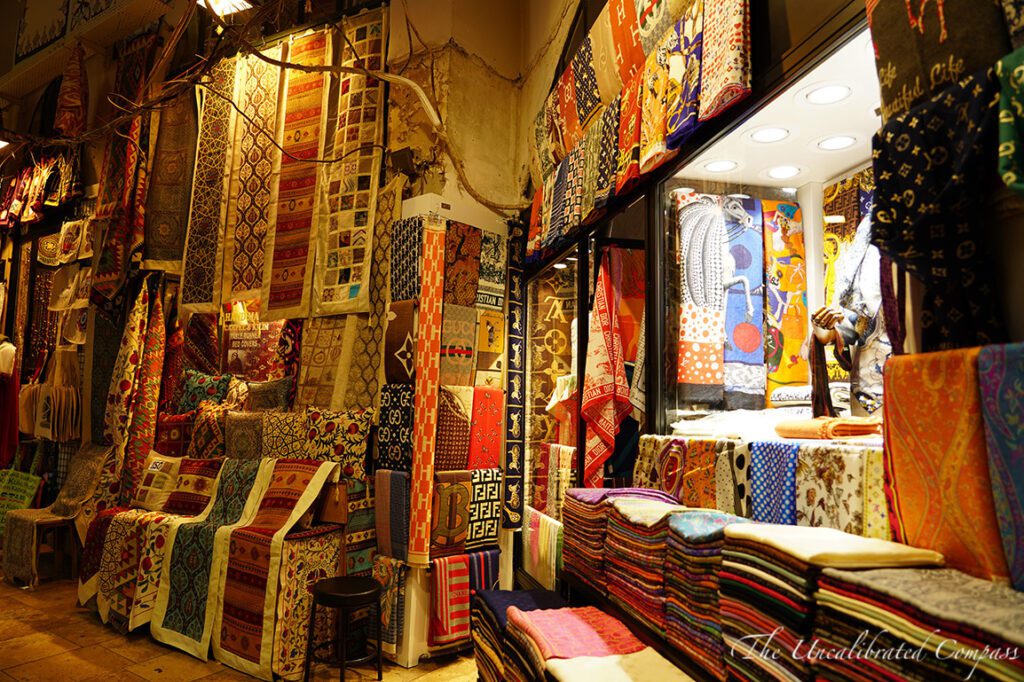
With over 60 covered streets and 4,000 shops, the Grand Bazaar is one of the oldest and largest shopping hubs in existence. It began as a small vaulted warehouse in 1455 and metastasized into the chaotic, glittering maze it is today.
The Vibe: This isn’t a mall; it’s a sensory trial. Each trade has its own traditional district—gold, leather, carpets, and spices—forming an intricate web of commerce that has functioned for centuries.
The Legacy of the Hans: To find the soul of the bazaar, step off the main paths and into the hans. These stone caravanserais once served as fortified inns for Silk Road merchants to rest their camels and secure their cargo. As the final western stop on that legendary route, these courtyards were global hubs where Chinese silk and Indian spices were traded for silver. Today, they remain the heartbeat of the bazaar.
Logistics: The bazaar is closed on Sundays and on holidays. It is massive, so pick a specific gate as your meeting point if you’re traveling with others—it is incredibly easy to lose your sense of direction once you’re deep inside.
The Sentinel: Galata Tower
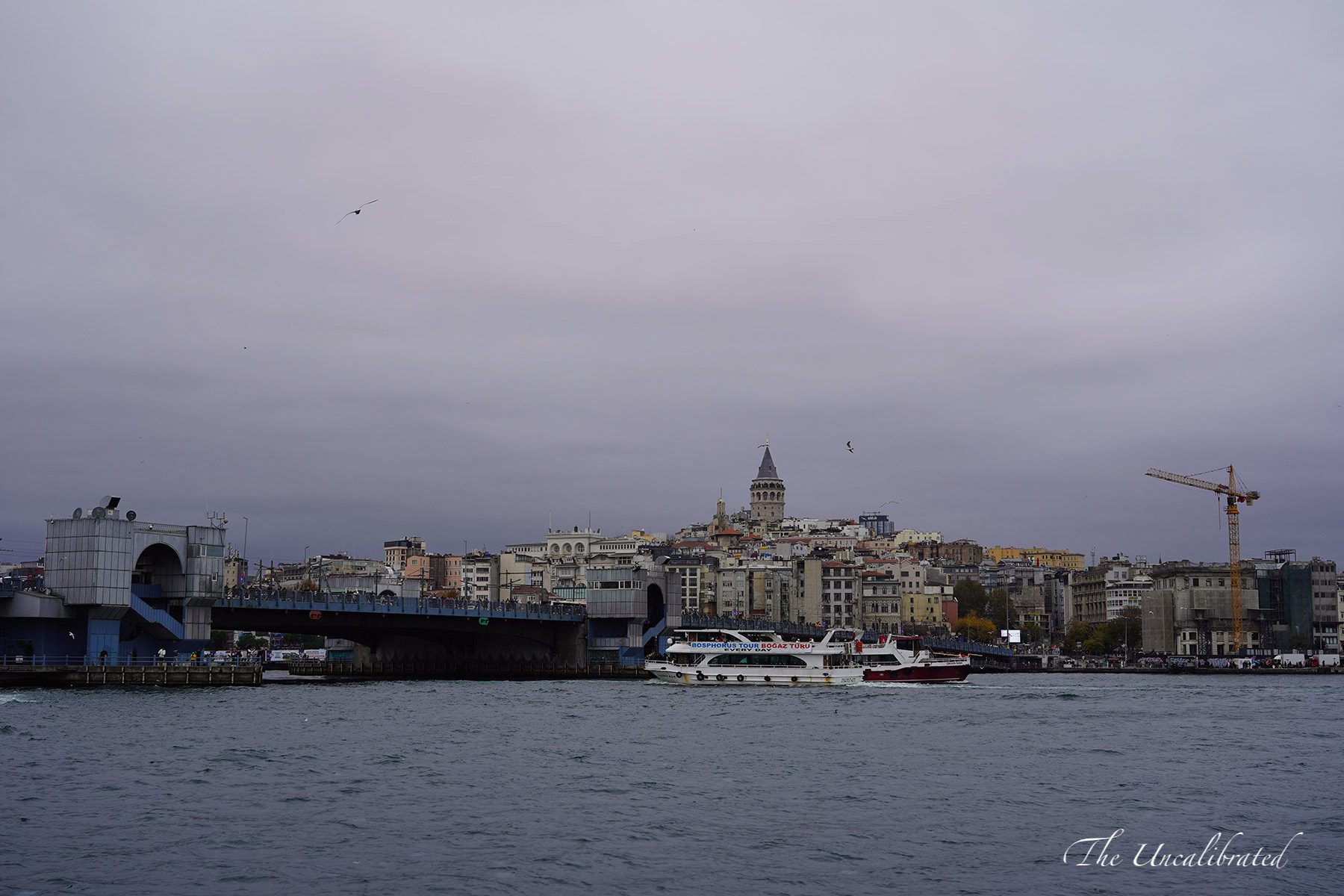
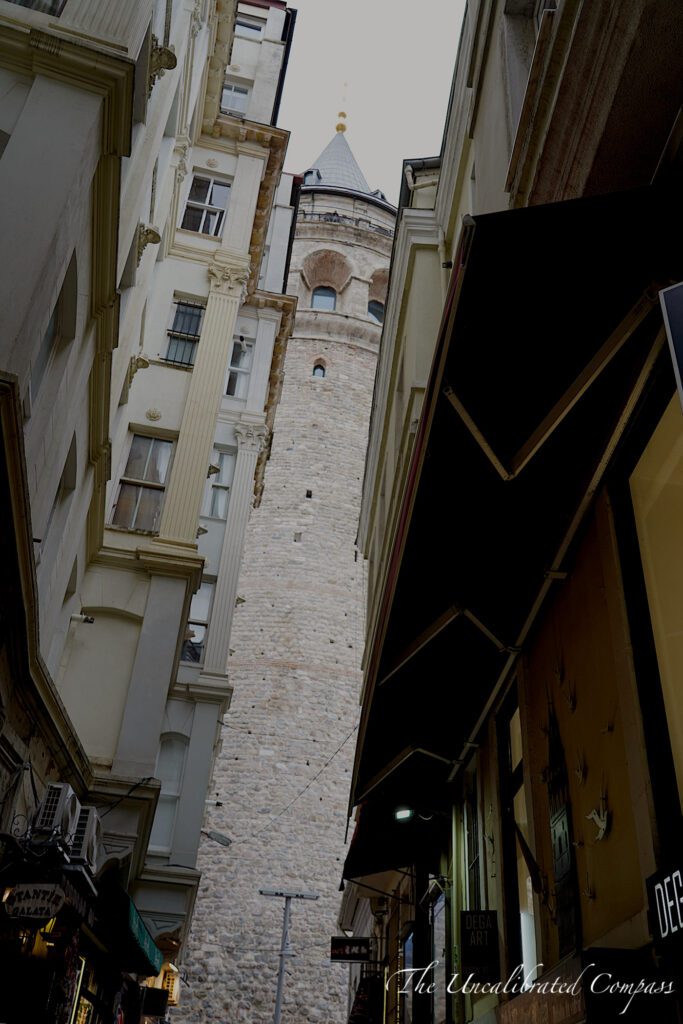
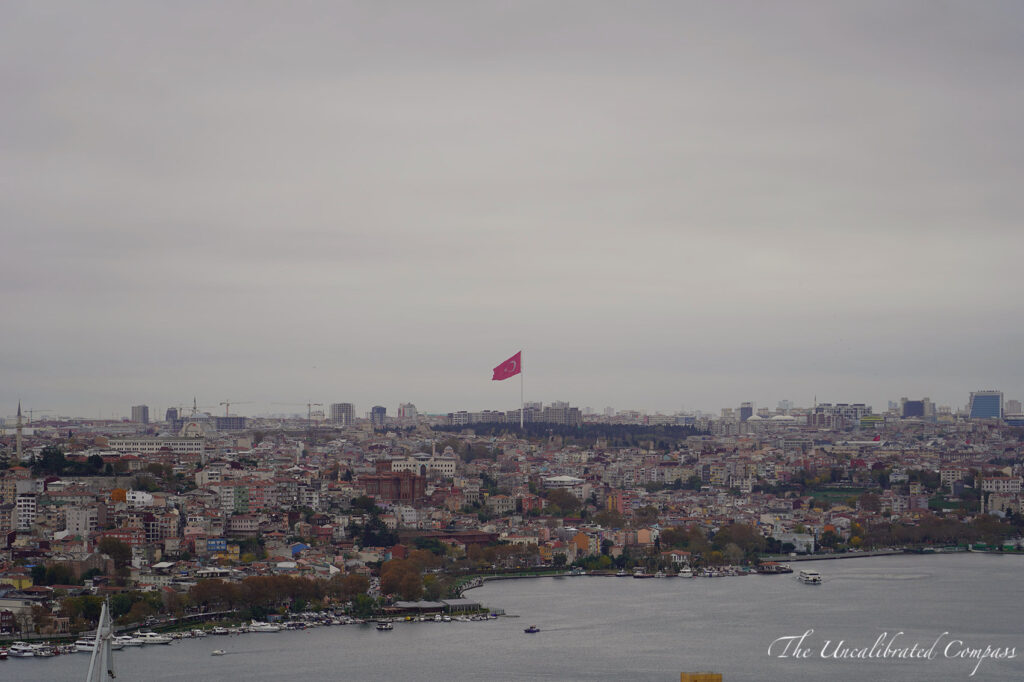
To see how the city actually fits together, you have to climb the Galata Tower. Built by the Genoese in 1348 as part of their fortification, it has served as a watchtower, a prison, and a fire observation station.
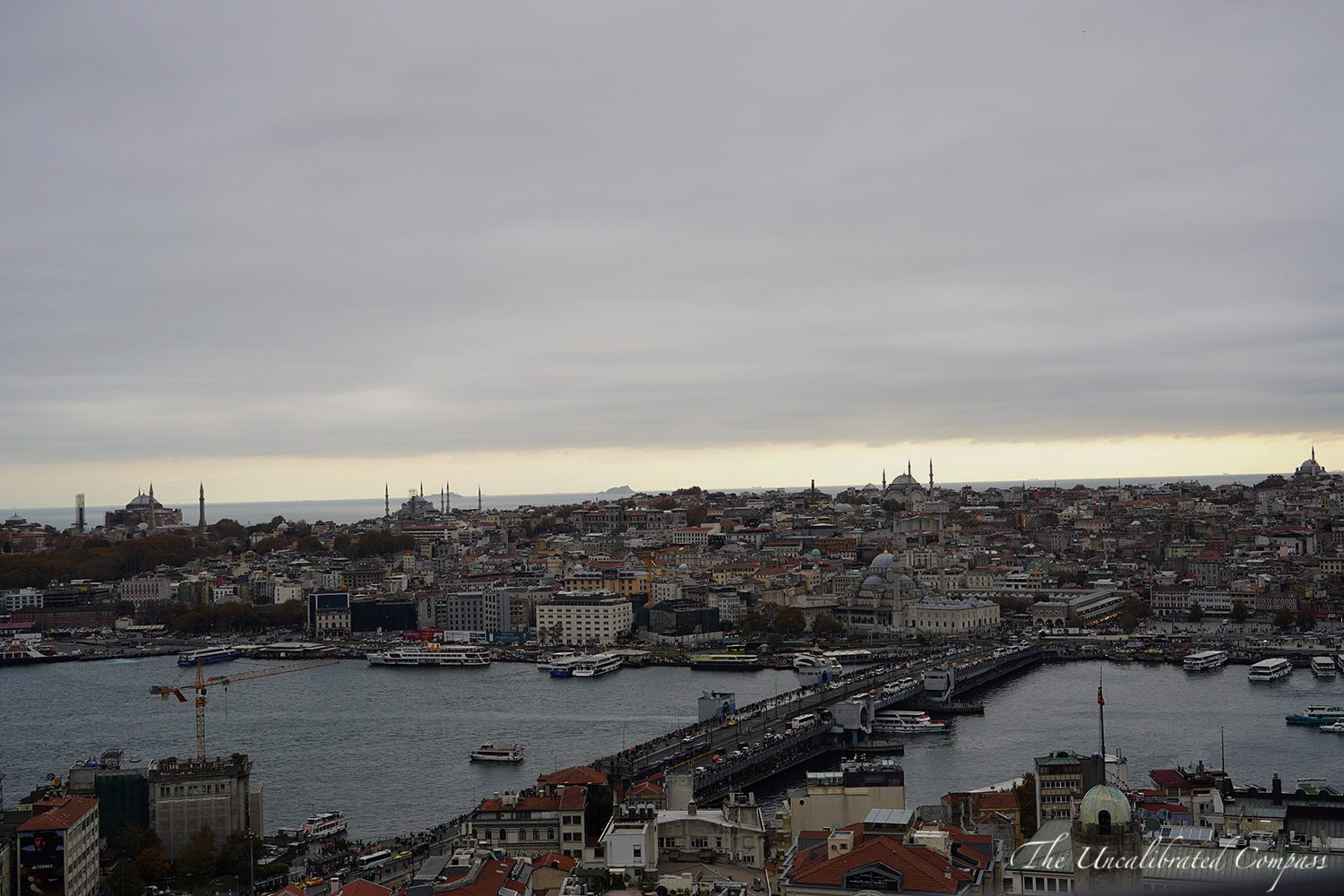
The View: From the balcony, the geography of Istanbul finally makes sense. You see the Golden Horn splitting the old city from the new, and the Bosphorus leading out toward the Black Sea. You can see some of the most iconic jewel of history, such as the Hagia Sophia.
Historical Note: In the 17th century, the legendary aviator Hezarfen Ahmed Çelebi allegedly used artificial wings to fly from this tower across the Bosphorus to the Asian side—the first intercontinental flight in history.
The Ritual: Turkish Coffee and Baklava
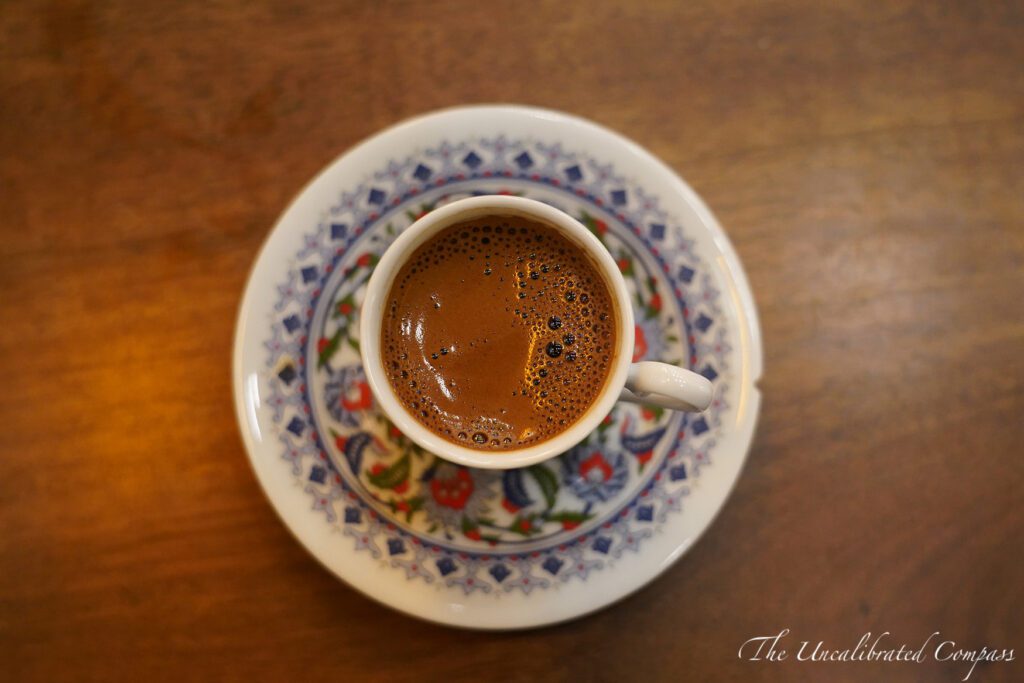
You don’t just “grab a coffee” in Istanbul; you participate in a tradition. Turkish coffee is unfiltered, intense, and served with a side of water and a piece of Turkish Delight to balance the bitterness.
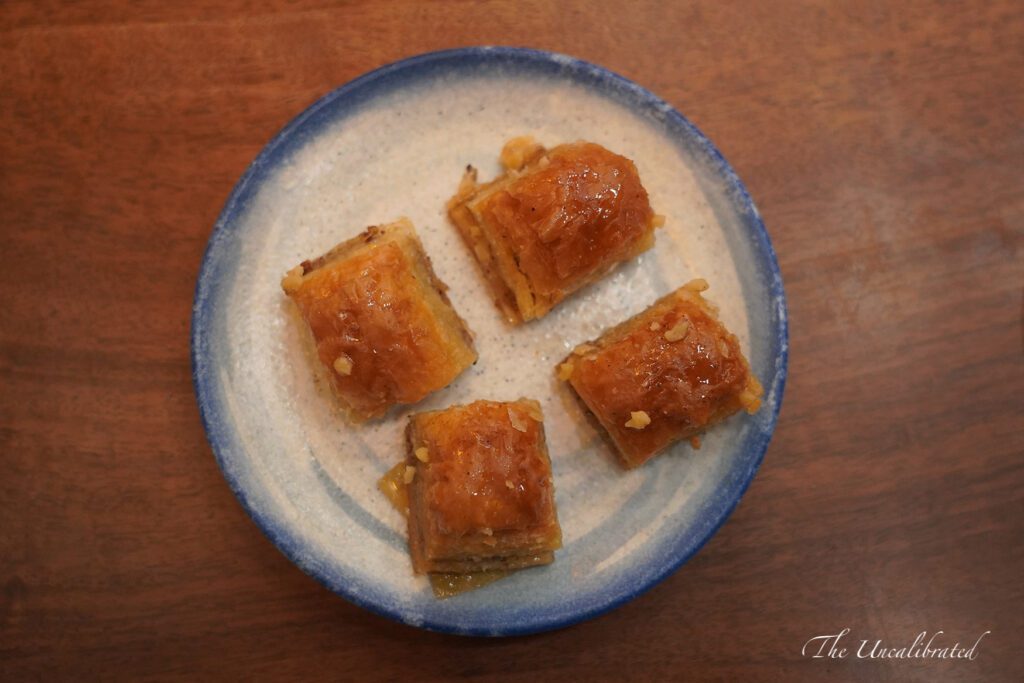
The Pairing: One of the best desserts in the world, Baklava. This isn’t just a dessert; it’s an architectural feat of paper-thin dough, crushed pistachios, and honey.
The Cultural Weight: Coffee houses have been the intellectual engine of Istanbul since the 1500s. It’s where rumors started, business was settled, and stories were told.
Thoughtful Travel Takeaway: The “Two Continents” Mindset
The most profound thing I learned in Istanbul is that “The East” and “The West” are artificial boundaries. When you explore Istanbul, you realize that the city doesn’t care about those labels. It has survived by absorbing both. Istanbul is a city that requires you to be comfortable with not knowing exactly where you are. It’s a place to put the map away and let the layers of stone and tea-smoke guide you.