Table of Contents
Yellowstone National Park, located primarily in Wyoming, is one of the world’s ultimate natural wonders. Established in 1872, it holds the historic title of the first national park ever created.
From dramatic geysers like Old Faithful to serene hot springs, lush forests, deep canyons, and crystal-clear rivers, Yellowstone is a paradise for nature lovers and adventure seekers alike. Whether you’re looking to hike rugged trails, check out the fascinating wildlife, or disconnect in the deep wilderness, this park has everything.
Beyond its breathtaking landscapes, Yellowstone is an iconic haven for megafauna. The park is home to legendary species like wild bison, pronghorn, bighorn sheep, elk, moose, and both black and grizzly bears.
Adding to its mystery, Yellowstone sits directly on top of a super-volcano—one of the largest active volcanic systems on Earth! While the actual chance of an eruption is incredibly low, it provides a striking reminder of the raw, geothermal power resting just beneath the valley floors. This Yellowstone adventure guide will help you navigate the park and point you in the direction of the treasures it holds.
📊 Essential Yellowstone Planning Fast Facts
Before building your daily itinerary, keep these baseline metrics in mind for your trip:
| Annual Attendance: Yellowstone attracts over four million visitors annually. Because of its massive popularity, booking your in-park lodging or campsites months in advance is mandatory. |
| Geography: The park spans over 2.2 million acres across three states: Wyoming, Montana, and Idaho. However, over 96% of the landmass sits within Wyoming. |
| Park Entry Fees: A standard private vehicle pass costs $35. If you plan to visit multiple parks across the American Southwest or Pacific Northwest, purchase the America the Beautiful National Parks Annual Pass ($80) instead to save money. The America the Beautiful annual pass is $250 for non-U.S. residents. |
☀️ The Best Time to Visit Yellowstone National Park
Yellowstone is a spectacular year-round destination, with each unique season offering an entirely different atmosphere and logistical landscape. Knowing when to plan your trip depends completely on your preferred adventure style.
| Summer (Jun-Aug) | 60°F – 80°F | All roads, trails, and facilities open |
| Fall (Sep-Nov) | 30°F – 60°F | Changing autumn foliage & minimal crowds |
| Winter (Dec-Mar) | 10°F – 30°F | Snowcoach travel & frosted wildlife imagery |
| Spring (Apr-May) | 30°F – 60°F | Emerging spring wildflowers & baby animals |
🌞 Summer (June to August) // The Peak Season
This is the undeniable peak of park operations. The weather is spectacular, offering mild daytime temperatures and unrestricted access to nearly every hiking trail, backcountry campsite, and scenic drive in the park.
It is prime time for exploring famous hubs like Yellowstone Lake and the Old Faithful complex. However, summer brings massive crowds. If you choose these months, secure your reservations at least 6 to 12 months early.
🍂 Fall (September to November) // The Great Shoulder Season
For us, autumn is the absolute best time to visit Yellowstone. The weather remains crisp and mild, but the summer crowds completely thin out by October and November.
This shoulder season is perfect for uninterrupted wildlife viewing, peaceful hiking, and cozy camping. With the alpine foliage changing colors and the cool morning mist rolling over the geyser basins, you can explore the park’s major overlooks at your own slow pace.
❄️ Winter (December to March) // The Frosty Wilderness
If you want a truly serene, quiet experience, winter is an incredible time to visit. The park enters a deep freeze, drastically reducing tourist numbers.
Logistically, standard vehicle access is completely closed, except for the single winter-plowed corridor between the North and Northeast entrances. To explore the rest of the snow-covered interior, you must book an organized snowcoach tour or snowmobile excursion. The resulting images of frosted bison roaming past steaming thermal vents are unforgettable.
🌿 Spring (April to May) // The Awakening
Early spring can be highly unpredictable, with lingering snowdrifts keeping several interior mountain passes closed well into May.
However, by late May, the park erupts with life. Lush valley fields sprout colorful wildflowers, and newborn bison calves and bear cubs begin appearing along the valley floors. It is a fantastic window to beat the summer rush, provided you pack robust waterproof layers.
🧭 How Many Days Should You Spend in Yellowstone?
Because Yellowstone encompasses over 2.2 million acres—making it the second-largest national park in the contiguous United States—you cannot properly see it all in a weekend.
While you can dash through a few iconic roadside viewpoints in a single day, we highly recommend a 3 to 4-day itinerary.
A four-day block gives you ample time to navigate the upper and lower loops of the grand loop road, ensuring you can tour Old Faithful, Mammoth Hot Springs, the Grand Canyon of the Yellowstone, and the Norris Geyser Basin without spending your entire vacation rushed inside your vehicle.
✈️ Logistics Guide: How to Get to Yellowstone
Flying to Yellowstone: The 3 Best Airport Hubs
Renting a rental car or rugged SUV from any of the local regional airports is incredibly seamless. When selecting your flight paths, choose the airport that aligns directly with your starting geographic anchor:
Bozeman Yellowstone International Airport (BZN): Located in Bozeman, Montana, this hub sits roughly 1.5 hours from the park’s North Entrance. It features the widest array of daily flights from major national airlines and is the absolute best starting point if you want to explore the northern loop first.
Jackson Hole Airport (JAC): Located inside Grand Teton National Park, this airport sits roughly 1 hour and 15 minutes from Yellowstone’s South Entrance. This is your ideal choice if you plan to pair your Yellowstone trip with a multi-day tour of the jagged Teton range.
Idaho Falls Regional Airport (IDA): Located in Idaho Falls, Idaho, this quiet regional hub sits roughly 1 hour and 45 minutes from the West Entrance. It provides an incredibly fast, peaceful alternative route into the geothermal heart of the park.
🚐 Our Field Experience: When we shot our companion documentary vlog, we flew directly into Bozeman, picked up a 4WD SUV, and packed our gear for an extended camping road trip. Having a dedicated vehicle is essential for exploring the park’s off-the-beaten-path corridors at your own pace.
🧭 Navigating the Interior Passages
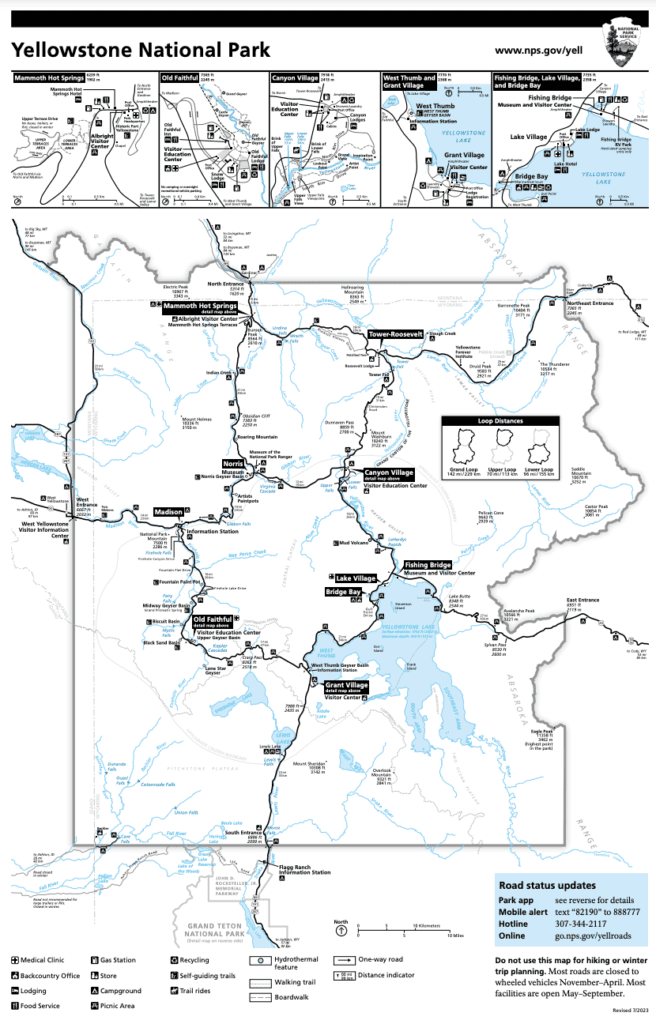
Cellular data and internet connections are completely non-existent throughout most of Yellowstone’s interior canyons. Do not rely on active streaming navigation apps while on the move. Download comprehensive offline maps via Google Maps or the official National Park Service app before passing through the entry gates.
You can find the map from the National Park Services here: https://www.nps.gov/yell/planyourvisit/upload/YELL-GRTE-Tear-Off-Map-2023-web.pdf
🌋 Top Things to Do in Yellowstone: The Ultimate Bucket List
Grand Prismatic Spring
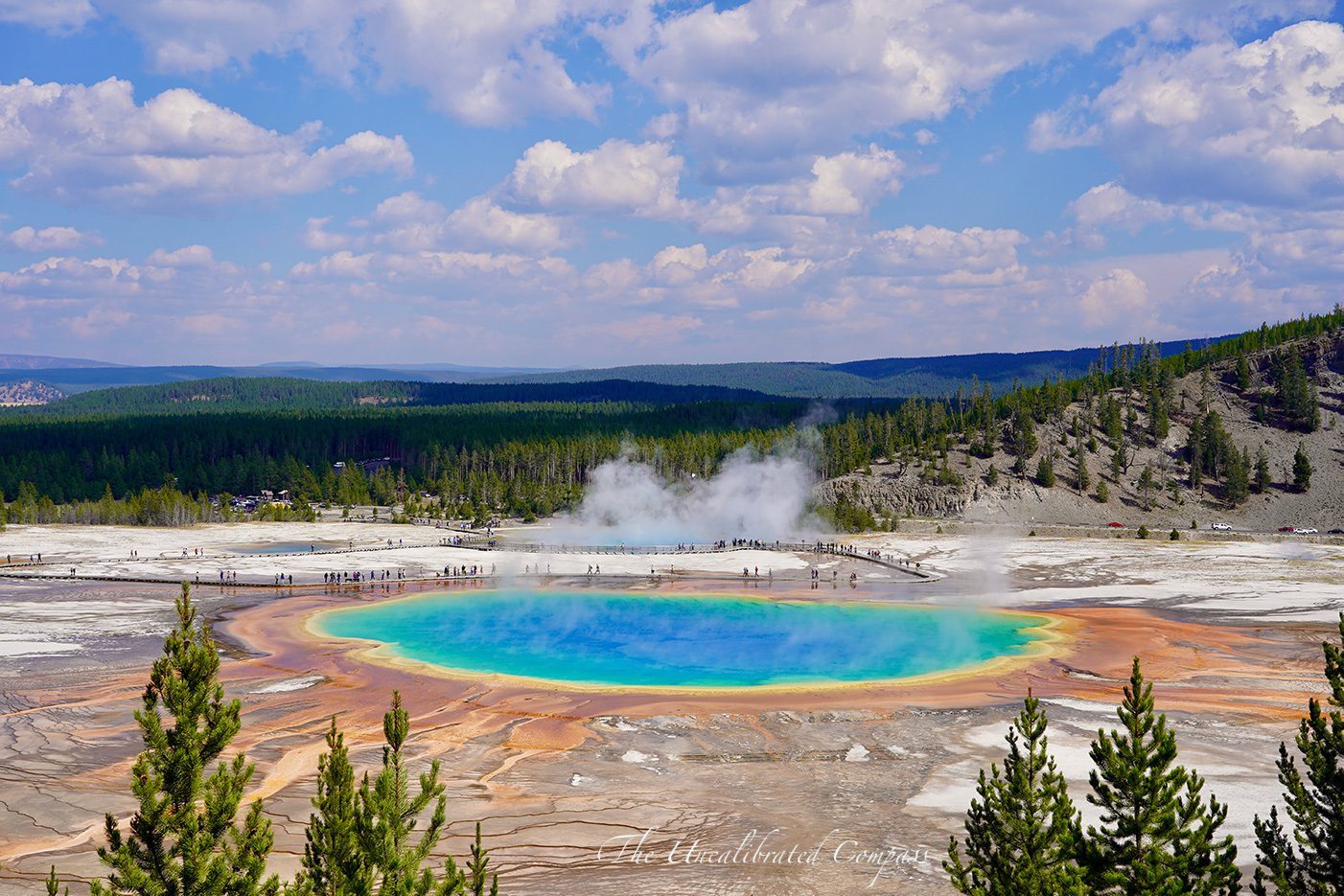
Boasting a vibrant, surreal ring of deep blues, bright greens, and fiery oranges, the Grand Prismatic Spring is the largest hot spring in the United States. These stunning colors are actually created by microscopic, heat-loving bacteria (thermophiles) that thrive in the mineral-rich, scalding waters.
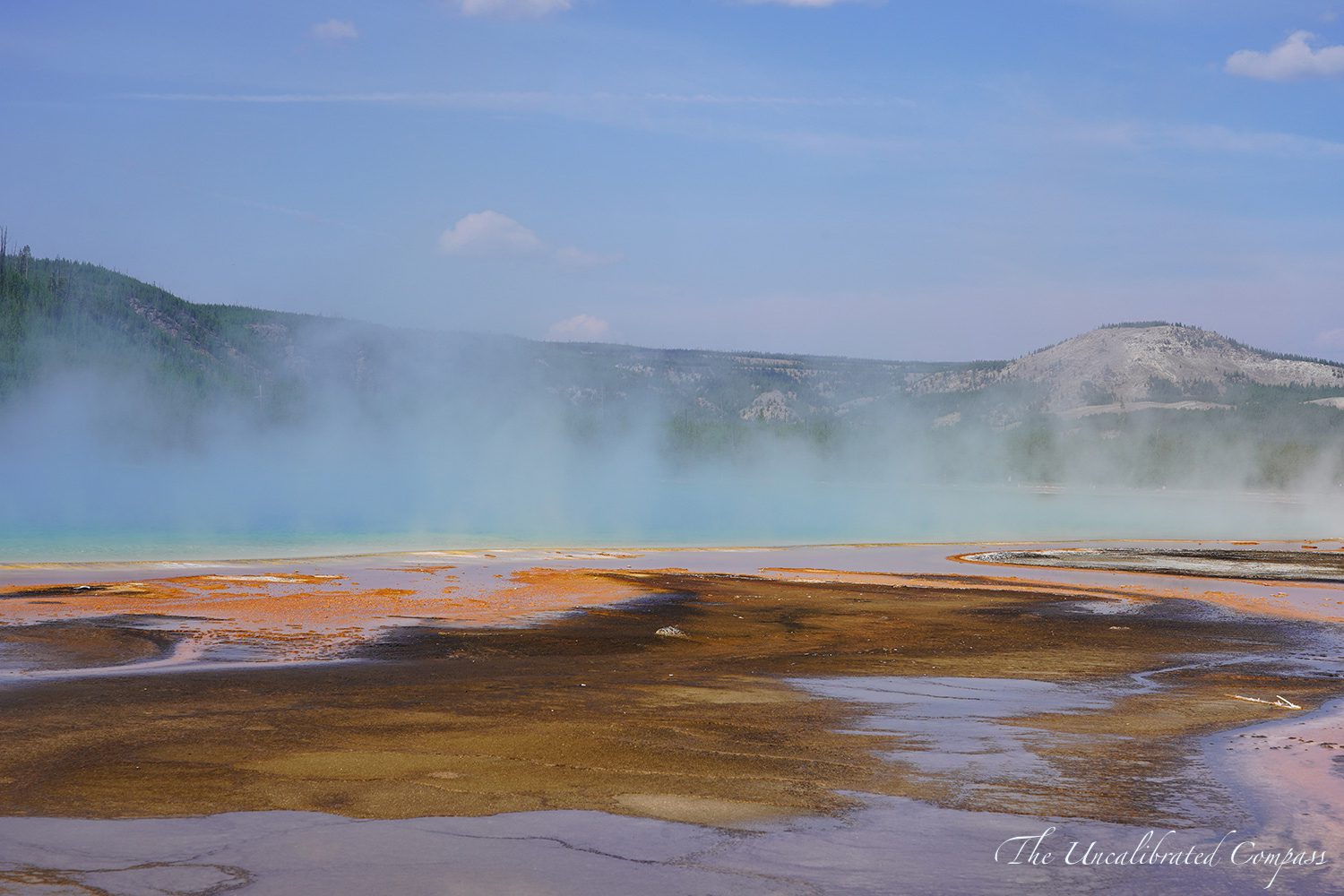
The Blueprint: First, walk the extensive boardwalks directly around the misty perimeter for a close-up look at the terraced edges. Afterward, drive to the nearby Fairy Falls Trailhead and hike up to the elevated Grand Prismatic Overlook for a breathtaking aerial perspective.
Old Faithful Geyser
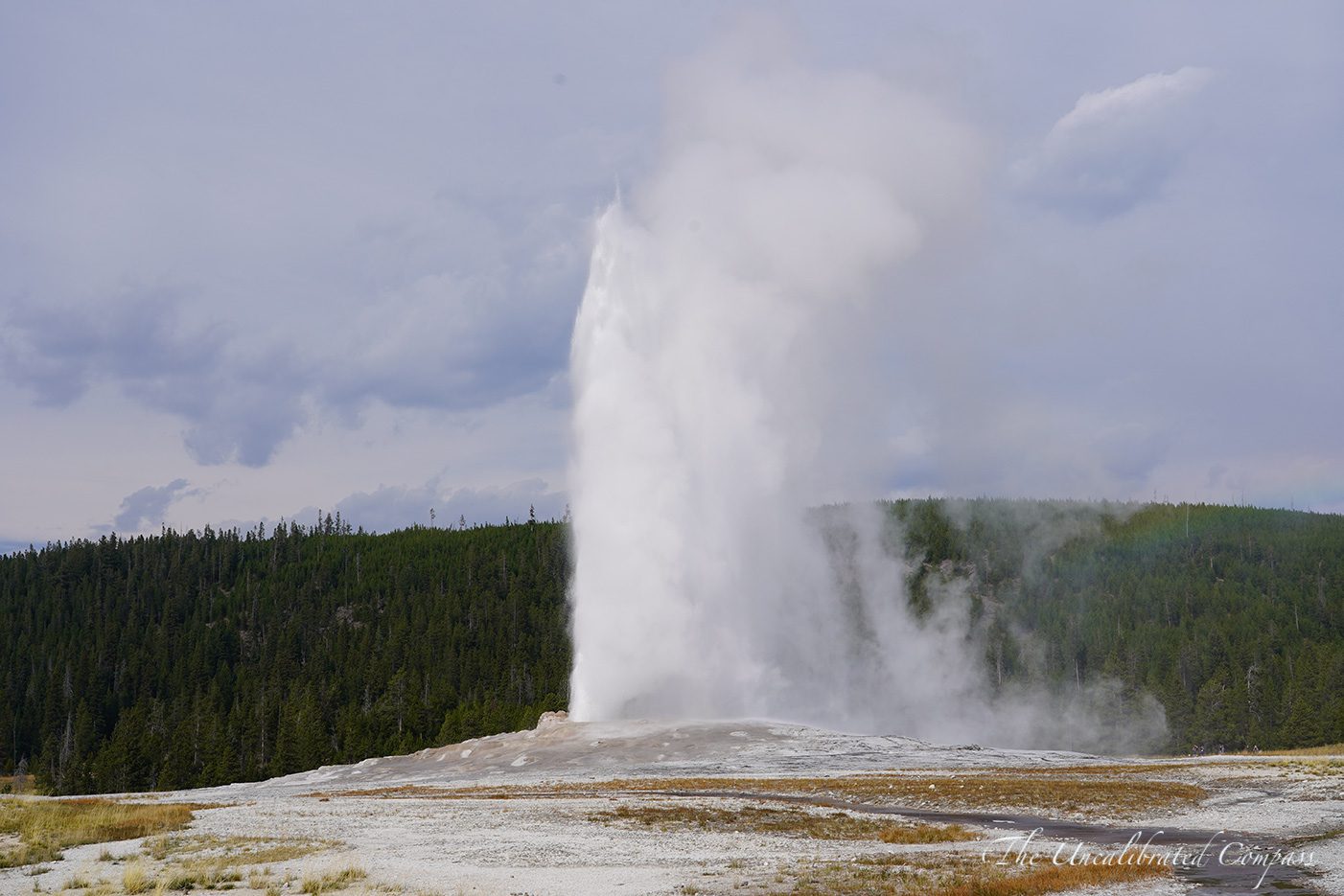
No adventure guide is complete without visiting Old Faithful. This legendary geothermal icon earned its name due to its highly regular, predictable eruption cycles, blasting streams of boiling water up to 185 feet in the air roughly every 60 to 110 minutes. Check the active prediction boards inside the visitor center to time your seat on the viewing benches perfectly.
The Grand Canyon of the Yellowstone
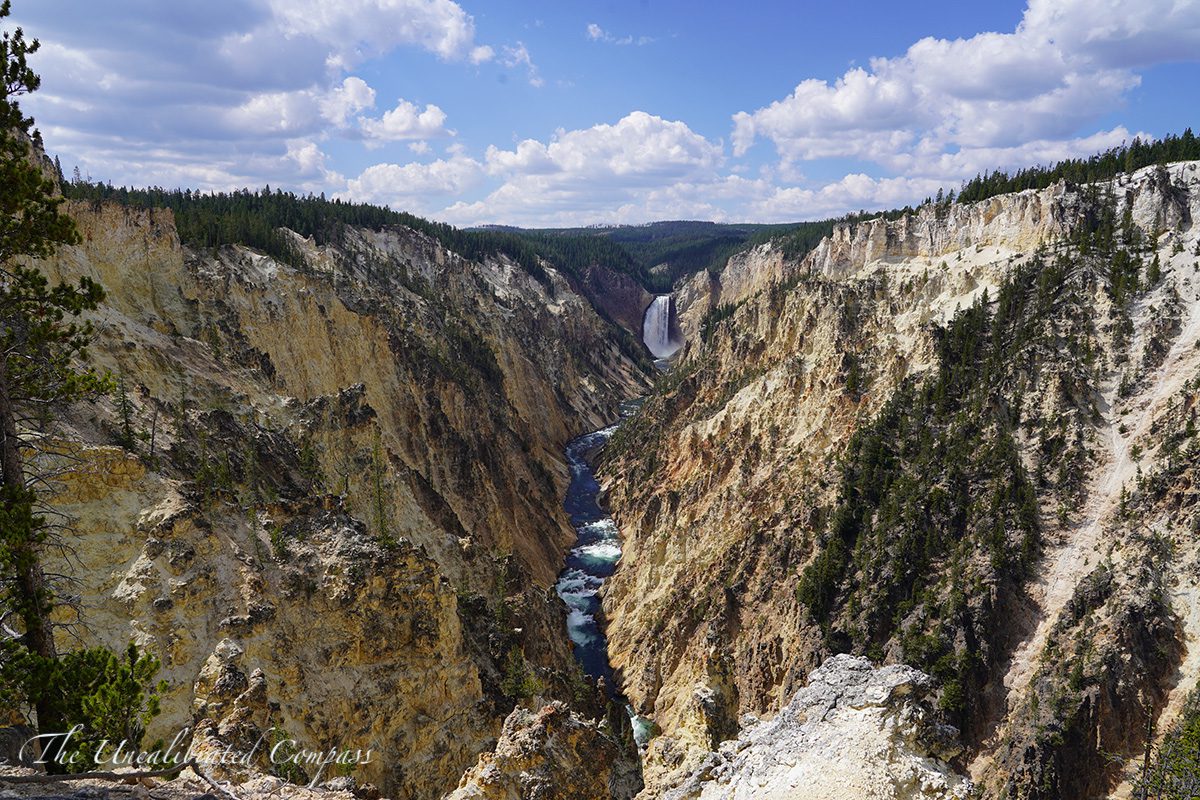
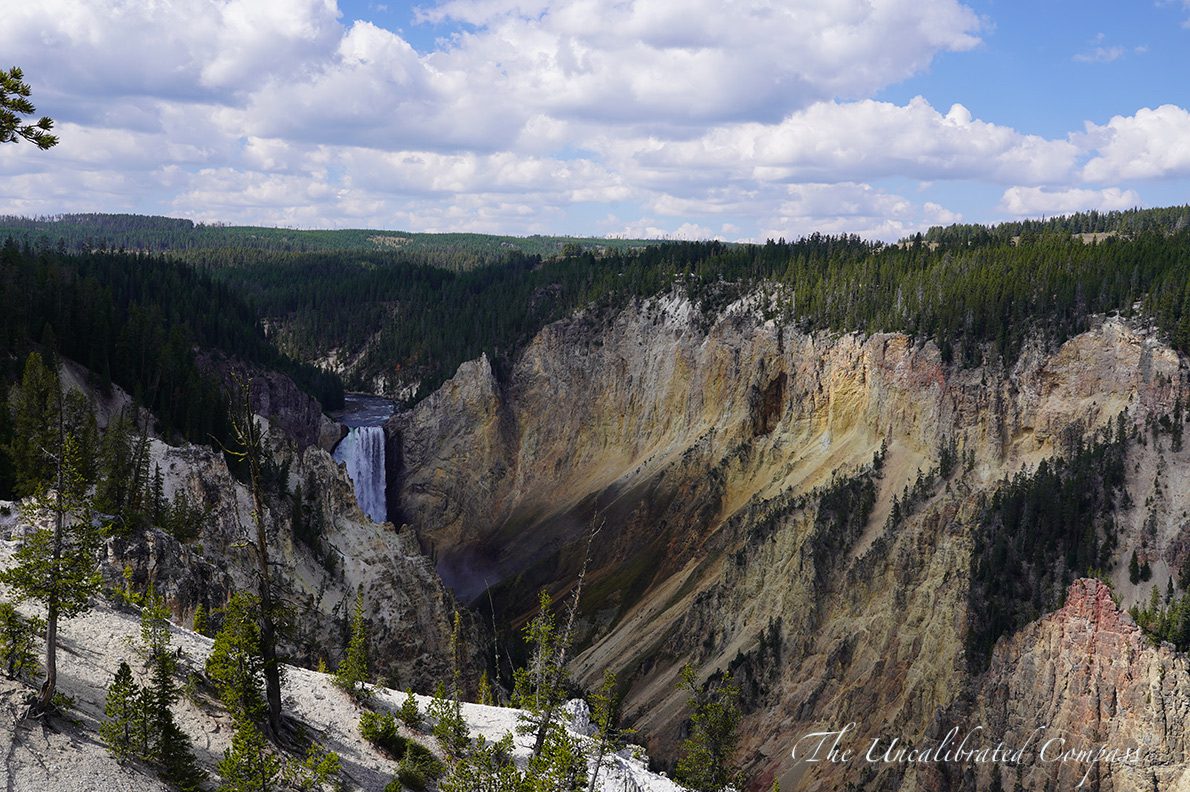
This massive canyon stretches 20 miles long and plunges up to 1,200 feet deep, defined by steep, yellow and rust-red volcanic rock walls.
The undisputed anchor here is the roaring Lower Falls, a massive 308-foot cascade. For the ultimate view, walk out along the edge of Artist Point for a classic, panoramic view of the falls framed by the canyon walls.
Mammoth Hot Springs
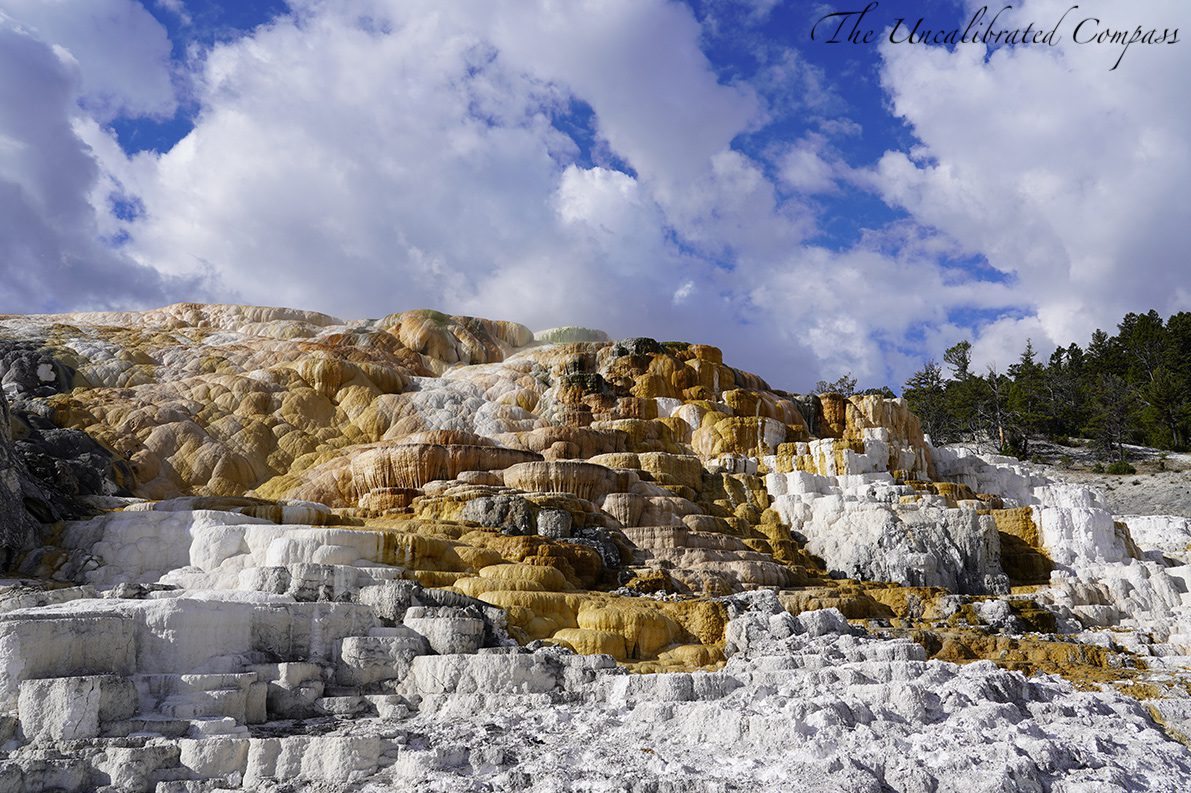
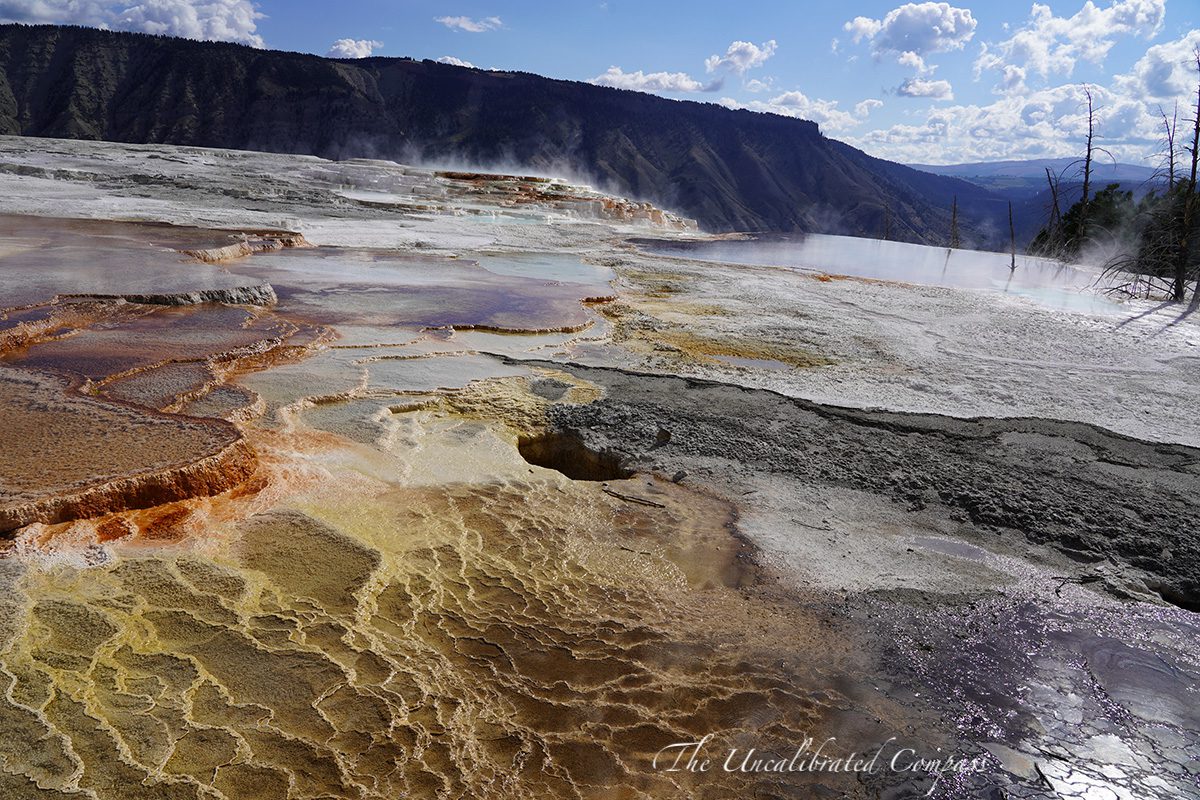
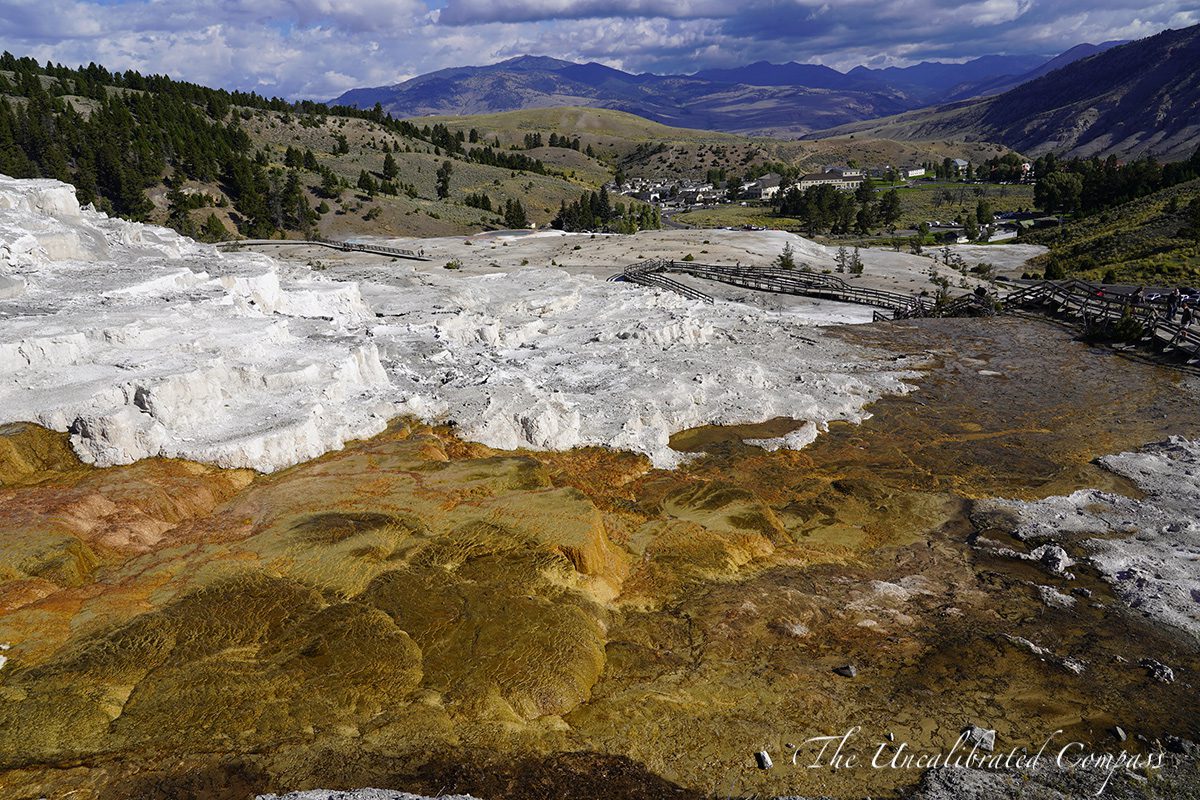
Located near the park’s historic North Entrance, Mammoth Hot Springs looks like an evolving, natural travertine art gallery. Over centuries, geothermal waters have deposited thick layers of white limestone, creating a massive complex of cascading step terraces stained with orange and brown algae.
Norris Geyser Basin
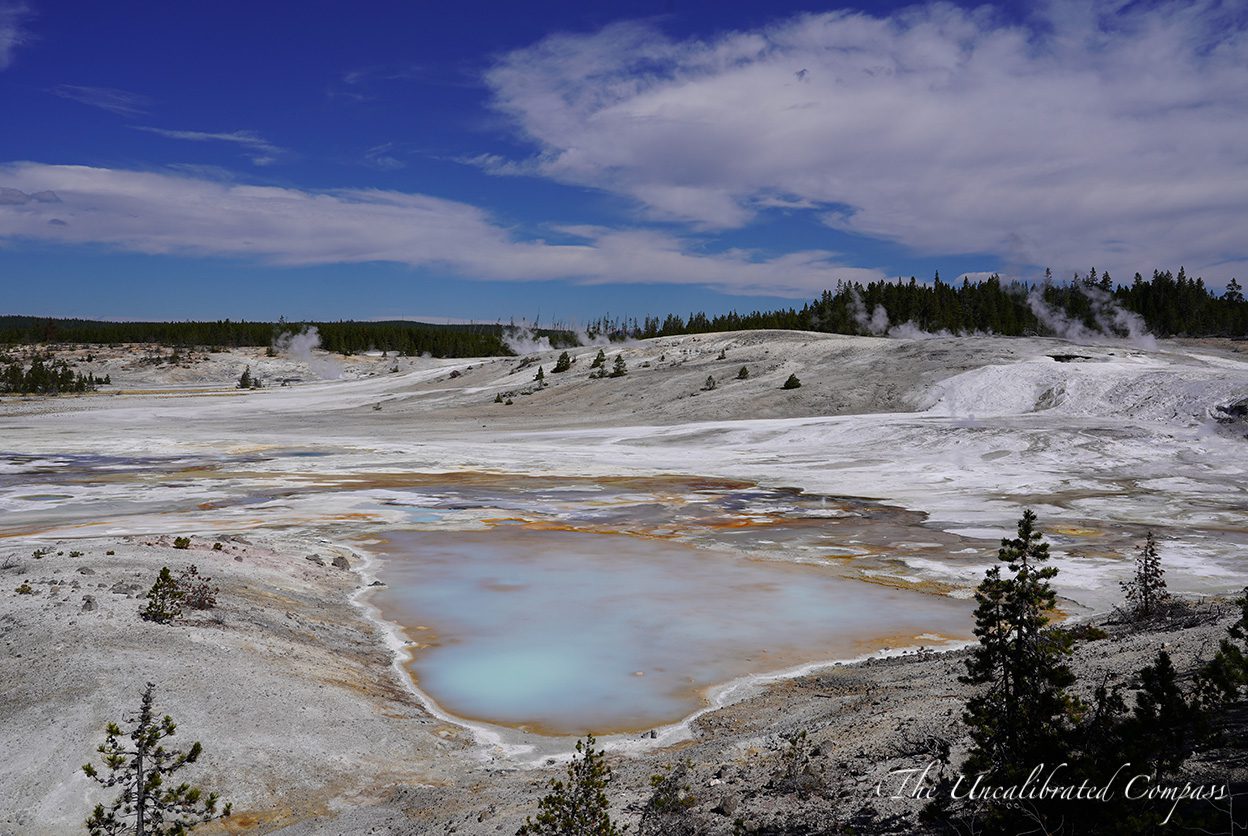
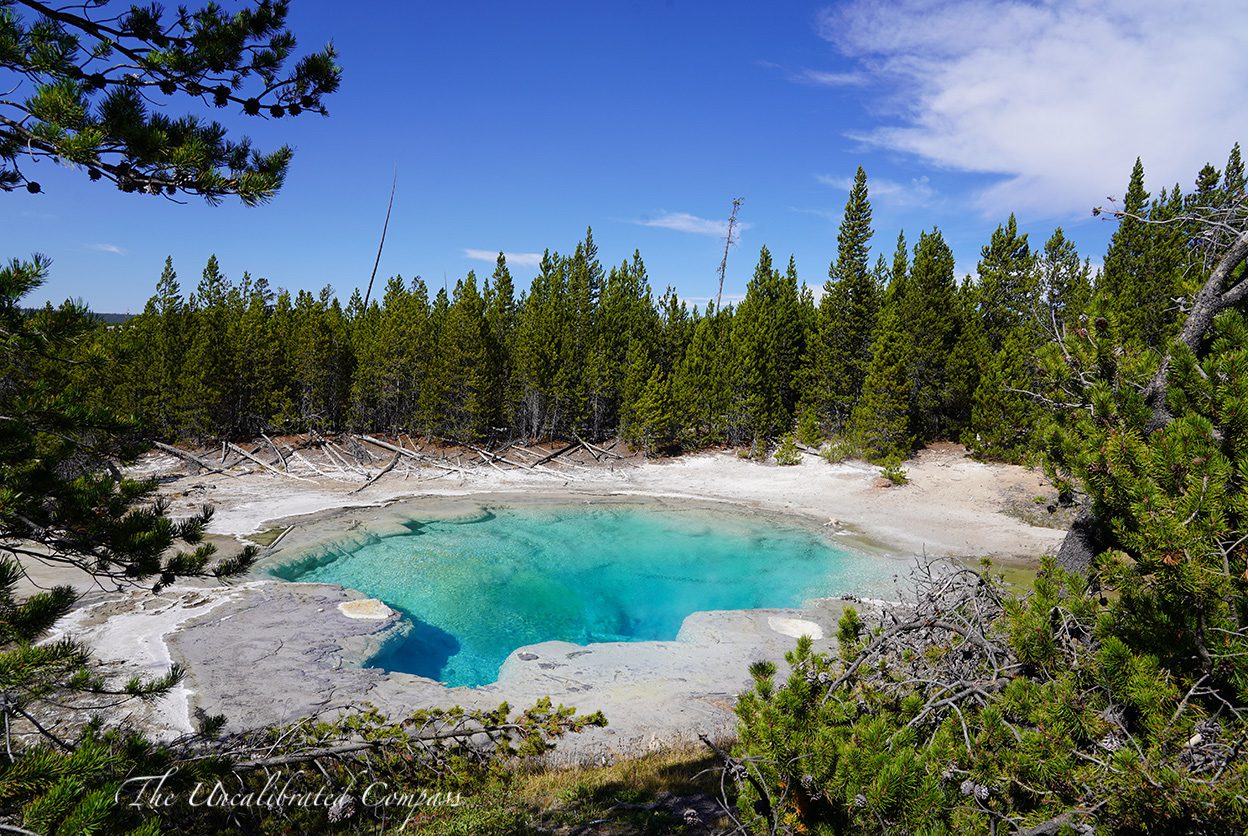
As the hottest, oldest, and most volatile thermal area in the park, Norris is an absolute wonderland of bubbling mud pots, roaring fumaroles, and emerald pools. It is also home to Steamboat Geyser, the tallest active geyser in the world, capable of launching water 300 feet into the air during rare major eruptions.
Artists Paintpots
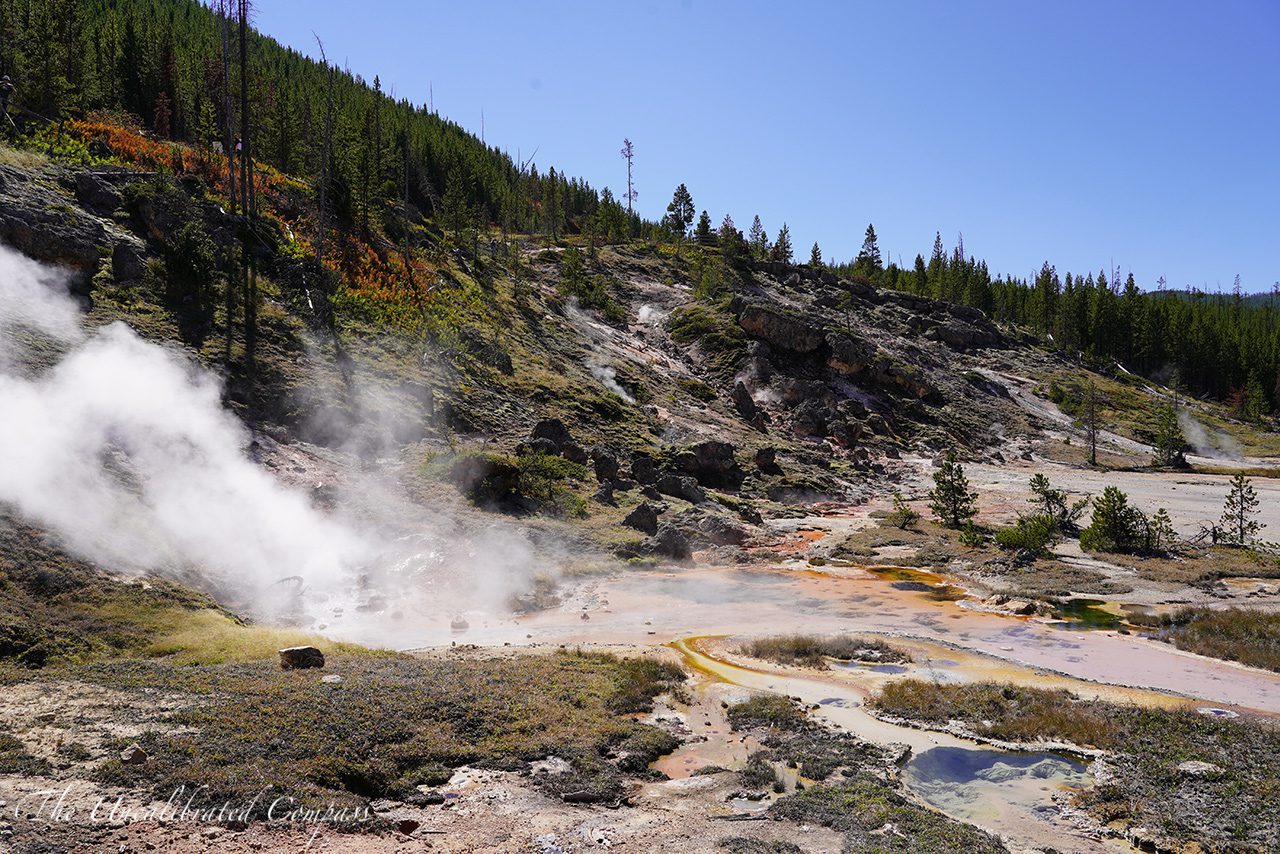
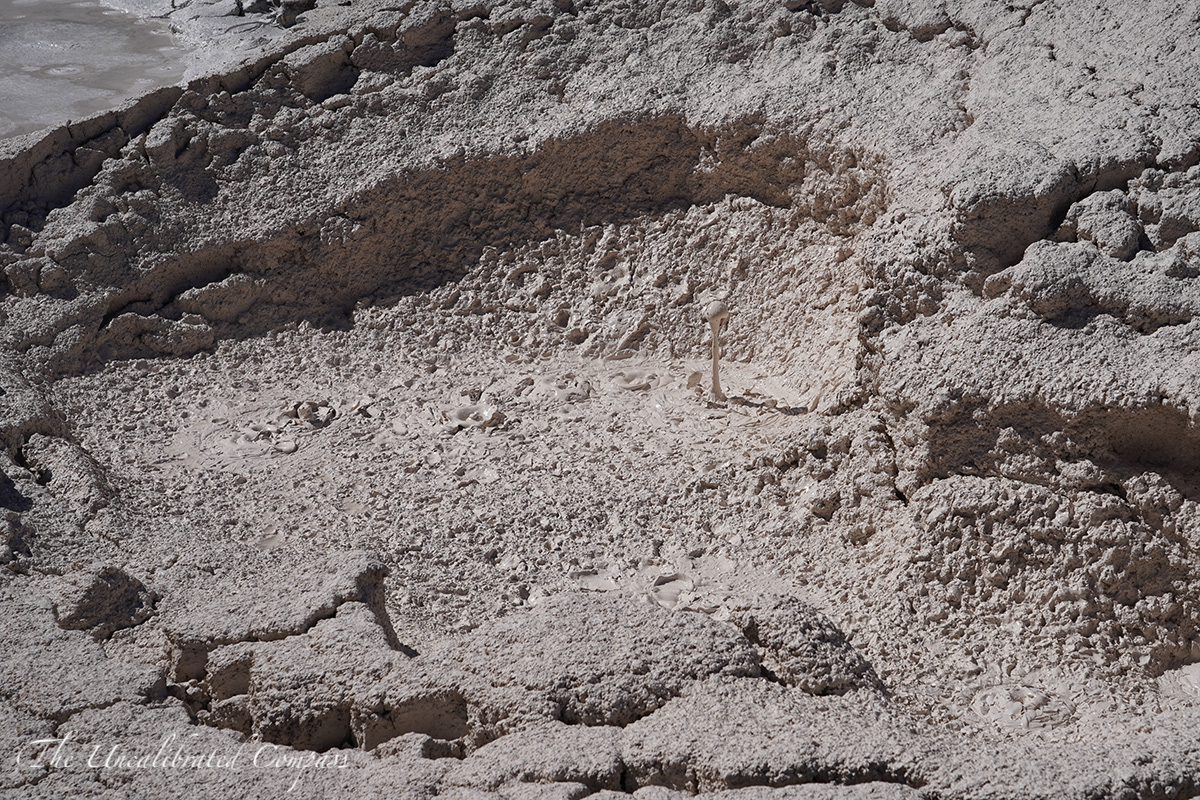
Accessible via a quick, flat 1-mile loop trail, this unique geothermal pocket features a fascinating collection of multi-colored mud pots. Watch the thick, mineral-rich clay bubble, hiss, and literally “paint” the surrounding pine landscape as underground steam vents pop through the mud.
Wildlife Watching: Yellowstone’s Majestic Residents
Yellowstone is home to an incredible variety of wildlife, and spotting them in their natural habitat is one of the park’s greatest thrills. You’ll very likely encounter bison roaming through the plains or walking around your car, and if you’re lucky, you might spot bears and moose in the more remote areas. The best places for wildlife watching are Lamar Valley (often called the “Serengeti of North America”) and Hayden Valley, both of which offer great opportunities to see animals in action. Be sure to keep your distance and bring a good pair of binoculars for those close-up moments!
🏕️ Where to Stay: Lodging & Camping Guide
Authentic In-Park Lodges
Staying inside the park boundaries minimizes your daily commute times, though these historic properties command premium pricing and book out months in advance:
Old Faithful Inn: A masterpiece of rustic log architecture built in 1904. It sits a short walk from Old Faithful, allowing you to watch eruptions directly from the historic viewing decks.
Lake Yellowstone Hotel: Featuring an elegant, colonial yellow facade, this lakeside retreat offers peaceful, upscale views across the water.
Mammoth Hot Springs Hotel: Located in the north loop, providing an excellent, historic basecamp for exploring Lamar Valley wildlife.
Convenient Gateway Towns
If you prefer modern amenities, diverse restaurant options, and budget-friendly hotels, stay right outside the gates:
West Yellowstone (Montana): Sitting directly at the West Entrance, this vibrant town is packed with gear shops, local steakhouses, and direct park access.
Gardiner (Montana): Located right outside the North Entrance’s historic Roosevelt Arch, this small town offers great riverfront cabins and frequent elk sightings right on the town lawns.
Cooke City (Montana): A rugged, remote mountain town positioned at the Northeast Entrance, serving as the ultimate basecamp for early-morning wildlife photography expeditions.
In-Park Wilderness Campgrounds
Madison Campground: Centrally located between Old Faithful and Norris, making it the ultimate strategic basecamp for tent, SUV, or RV camping.
Grant Village Campground: Tucked along the quiet southwestern shore of Yellowstone Lake, offering wooded, secluded campsites.
Slough Creek Campground: A small, primitive campground tucked deep within the Lamar Valley. It is an absolute paradise for wildlife photographers looking to sleep near active wolf packs and bison herds.
PRO TIP: Yellowstone is very popular, especially during peak summer months, so booking your accommodations well in advance is very important. To make campsite reservations visit: https://www.recreation.gov/
🍱 Where to eat:
Inside the park: You can find multiple places to eat inside the park – many of them inside hotels.
Old Faithful Inn Dining Room:
Here, you can enjoy classic American fare like bison burgers or fresh trout while overlooking the stunning geothermal area. The rustic interior is filled with towering logs and a cozy fireplace, making it a chill spot for a sit-down meal after a day of exploring.
Lake Yellowstone Hotel Dining Room:
If you’re in the mood for something a bit more upscale, the Lake Yellowstone Hotel Dining Room offers fine dining with gorgeous views of Yellowstone Lake. Think steak, locally sourced fish, and seasonal dishes that really highlight the flavors of the region.
Mammoth Hot Springs Terrace Grill:
Looking for something more casual? The Mammoth Hot Springs Terrace Grill serves up classic comfort food like burgers, sandwiches, and salads in a laid-back atmosphere.
Food Outside of the Park:
If you’re venturing just outside the park, towns like West Yellowstone and Gardiner offer a mix of casual and tasty dining options, perfect for refueling after a day of adventures.
The Buffalo Bar (West Yellowstone): For a fun, local vibe, The Buffalo Bar in West Yellowstone is where you’ll find cold beers, great burgers, and, of course, bison steaks. With its rustic decor and outdoor seating, it’s a great place.
Cowboy’s Lodge and Grille (Gardiner): It is located right across the street from Yellowstone’s north entrance – right by the Roosevelt Arch. The food here is great! You can get a country fried steak and a bison burger. The western-themed decor and cowboy memorabilia adds to the experience.
Wild West Pizzeria & Saloon (West Yellowstone): Wild West Pizzeria is a go-to for hand-tossed pizza and craft beers. With a cozy atmosphere and a great selection of pies (including vegetarian and gluten-free options), it’s a solid pick.
The Yellowstone Grill (Gardiner): For a taste of local flavor, head to The Yellowstone Grill in Gardiner, just outside the park’s North Entrance. With a menu full of hearty meals like steak, chicken, and hearty sides, this place is all about comfort food.
Quick Bites and Snacks
Yellowstone also has plenty of spots to grab quick bites, snacks, and packed lunches.
Geyser Grill (Old Faithful):
If you’re near Old Faithful and need a quick lunch or snack. From wraps and salads to freshly made sandwiches, it’s perfect for grabbing something to eat before or after watching the geysers erupt.
Canyon Village Market:
You’ll find everything from sandwiches and coffee to snacks and fresh produce. It’s a great place to pick up picnic supplies if you’re heading out for a day of hiking or exploring.
Roosevelt Lodge Snack Bar:
If you’re in the northern part of the park, Roosevelt Lodge offers a quick snack bar with grab-and-go items like hot dogs, chips, and cold drinks.
The best place to eat: Your campsite. ⛺️ This gives you more time in nature and a better experience in the park. Just make sure to not leave any food around and to throw your trash away in the appropriate places in the campsite. This will help keep nature clean and keep bears from waking you up at night due to the smells.
🫎 Yellowstone Wildlife and How to Stay Safe 🐻
Yellowstone is one of the best places in the U.S. to spot wildlife, and you’re in for a treat! With over 60 species of mammals, 300+ bird species, and plenty of reptiles and amphibians.
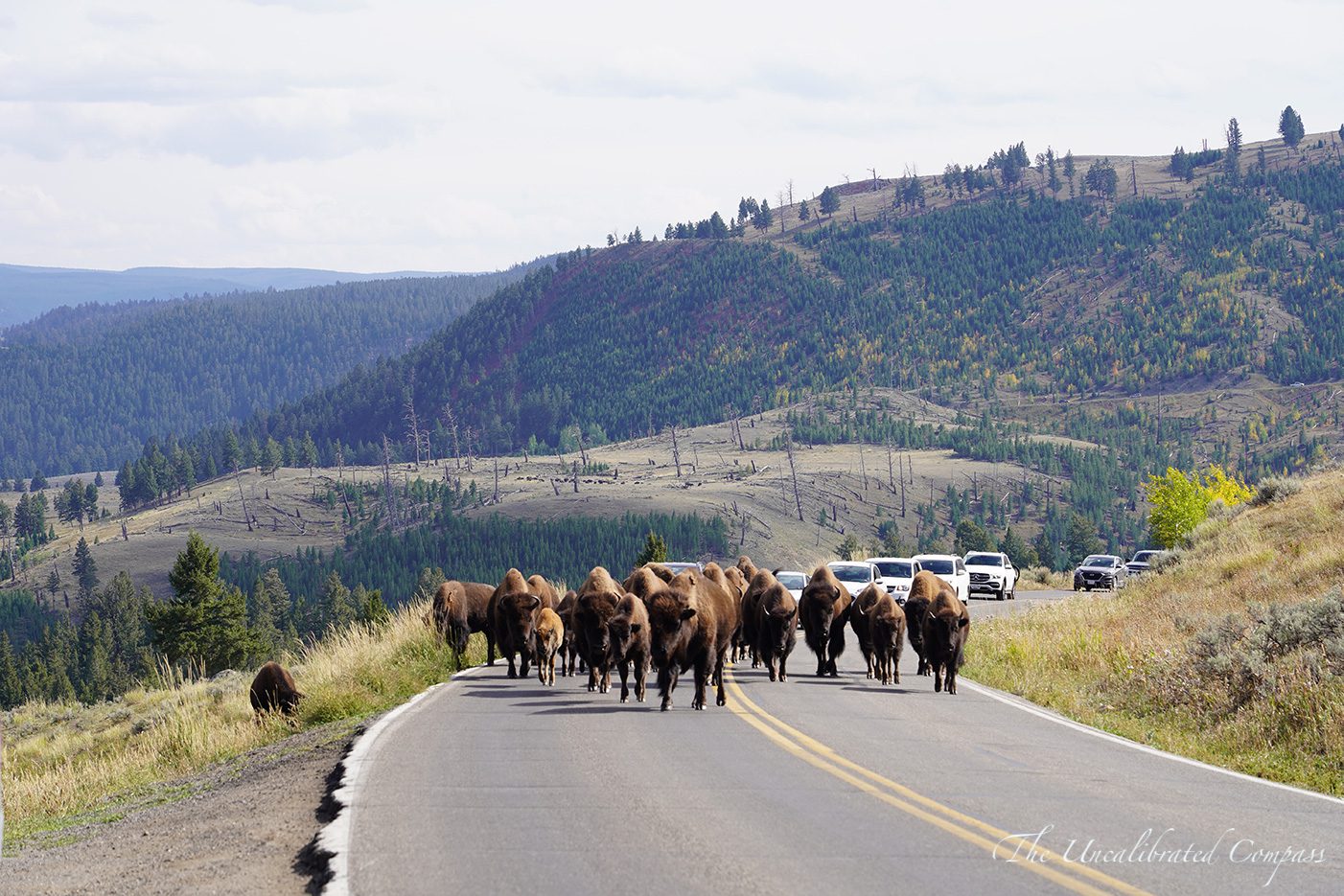
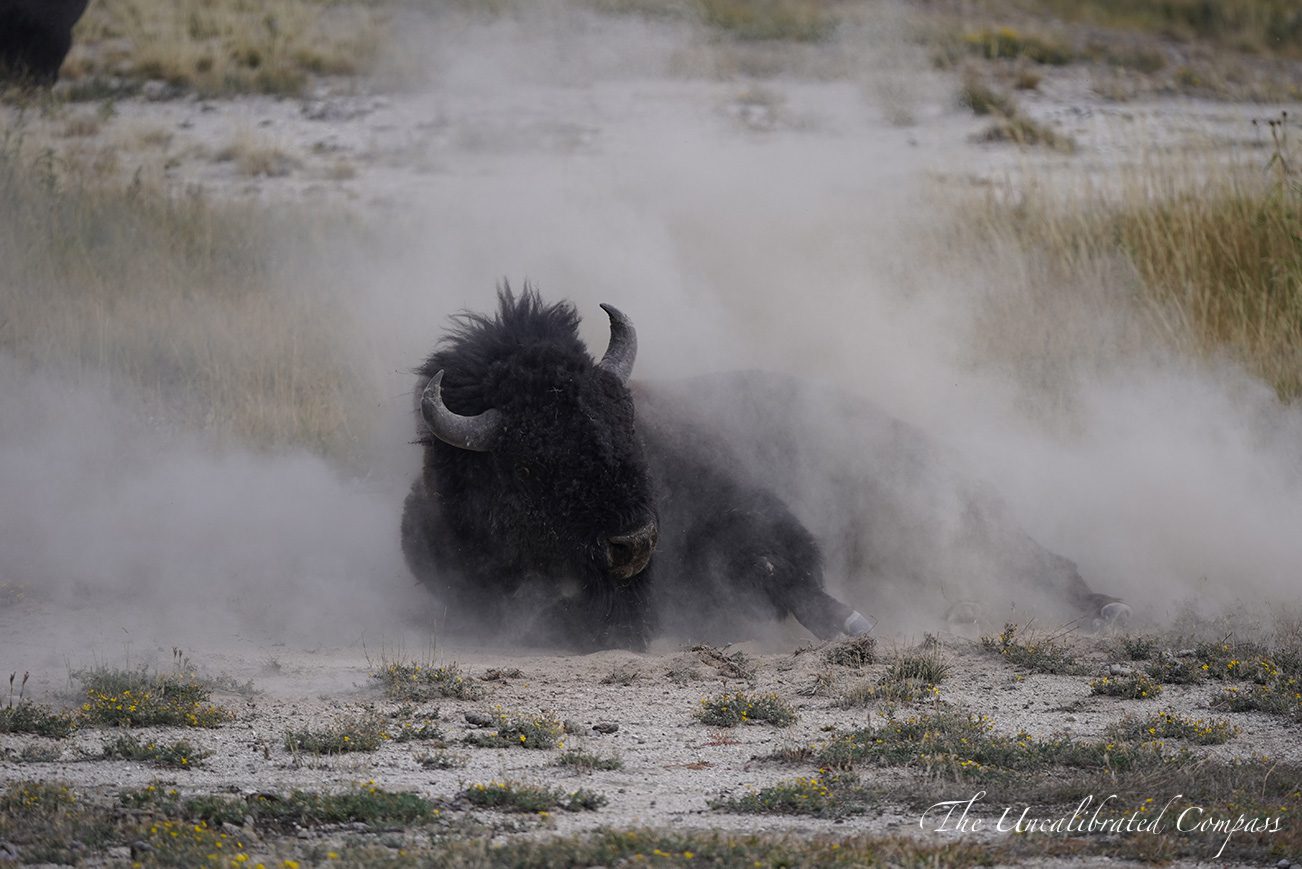
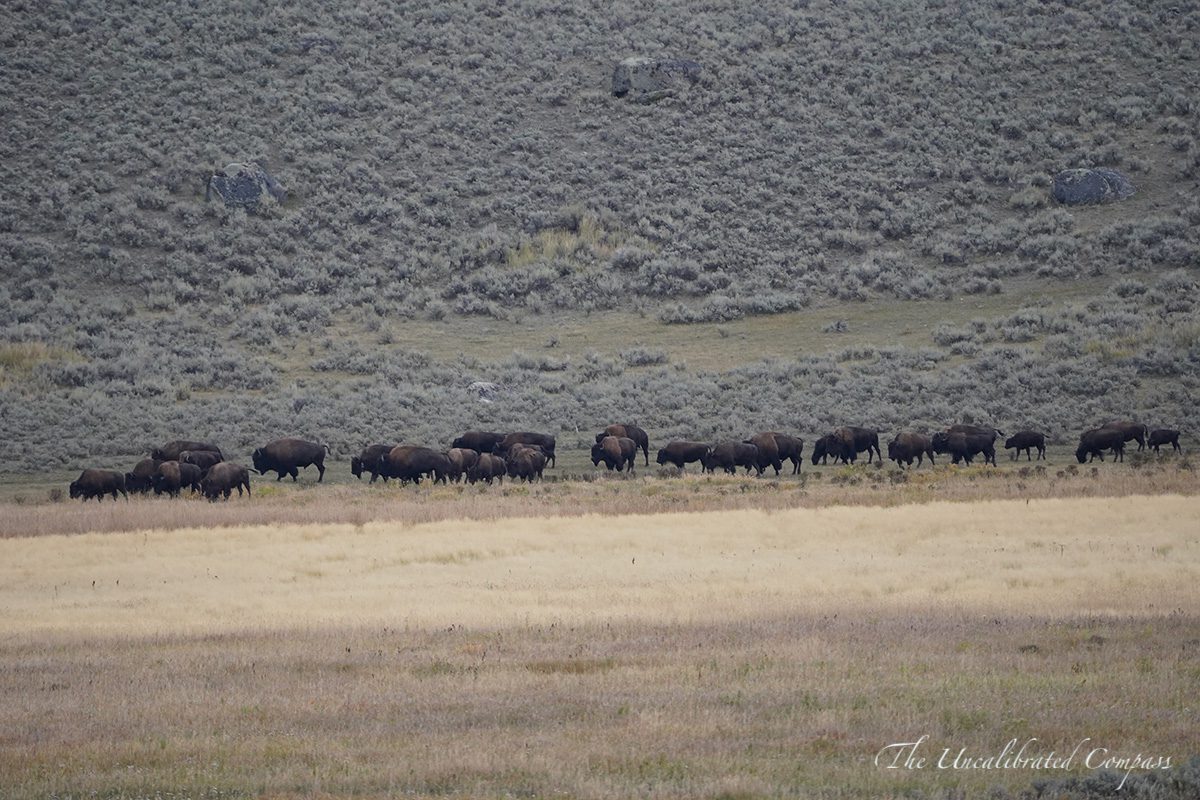
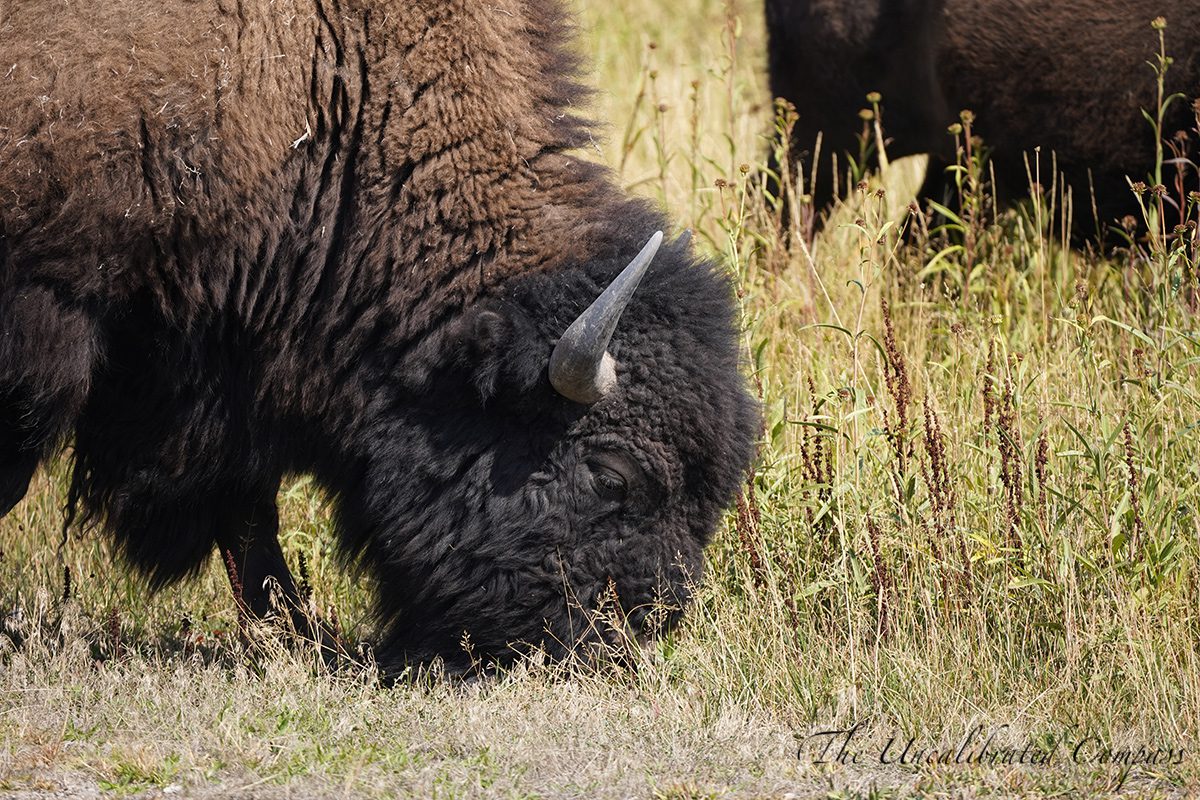
Bison are the park’s iconic residents, often seen grazing peacefully along the roads or in the meadows. Bison will often cause traffic jams AKA bison jams. They often surround cars on the road as entire herds cross slowly. Just put your car on park and enjoy the show – it is amazing to see.
Did you know? Bison once roamed North America in the millions, and Yellowstone is home to the oldest and largest wild bison herd in the U.S., with some individuals dating back over 100 years!
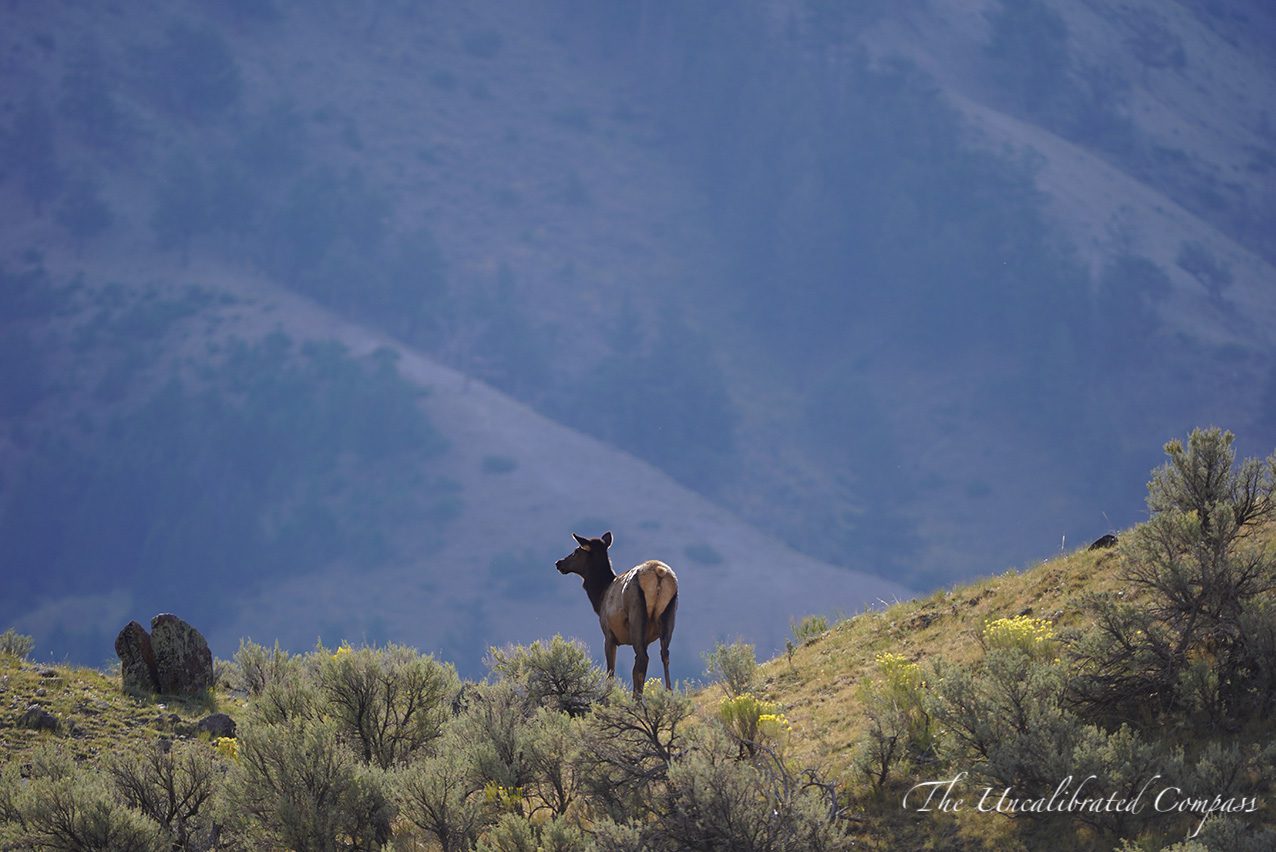
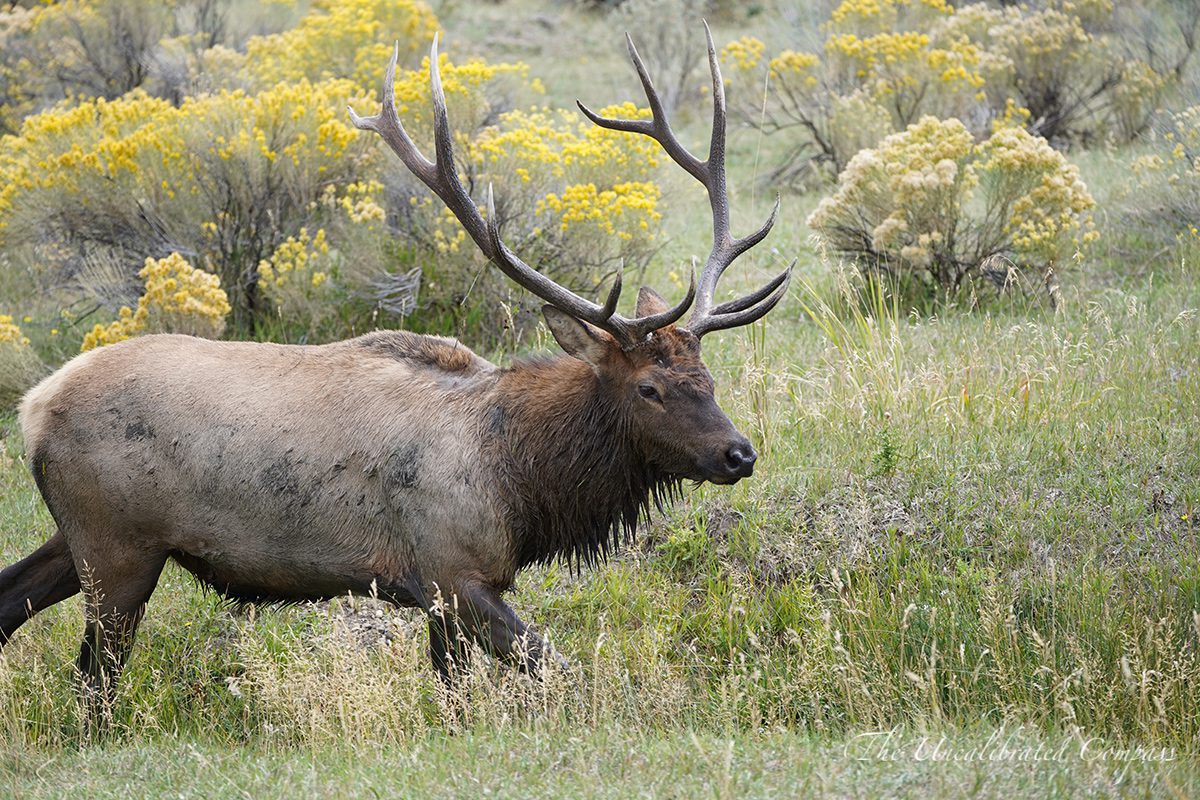
Elk are the most abundant large mammal found in Yellowstone, with large herds often grazing in the park’s meadows and valleys.
Did you know? Elk antlers can grow up to an inch per day during the peak of their growth season, making them one of the fastest-growing tissues in the animal kingdom!
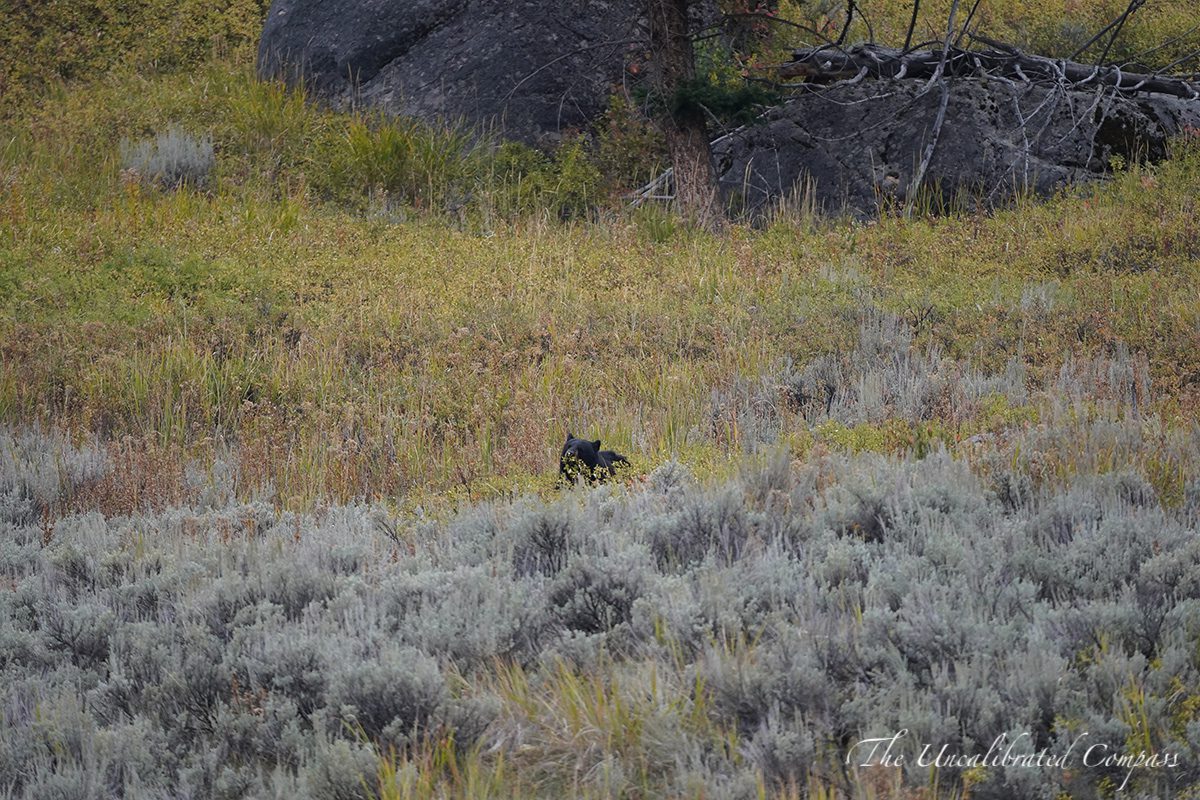
Black Bears are common to see in the park but can be hard to spot due to their color and they often stay in the forest and tend to avoid humans.
Did you know? Black bears are excellent climbers and will often climb trees to escape predators, find food, or just take a nap—making them one of the park’s most agile residents!
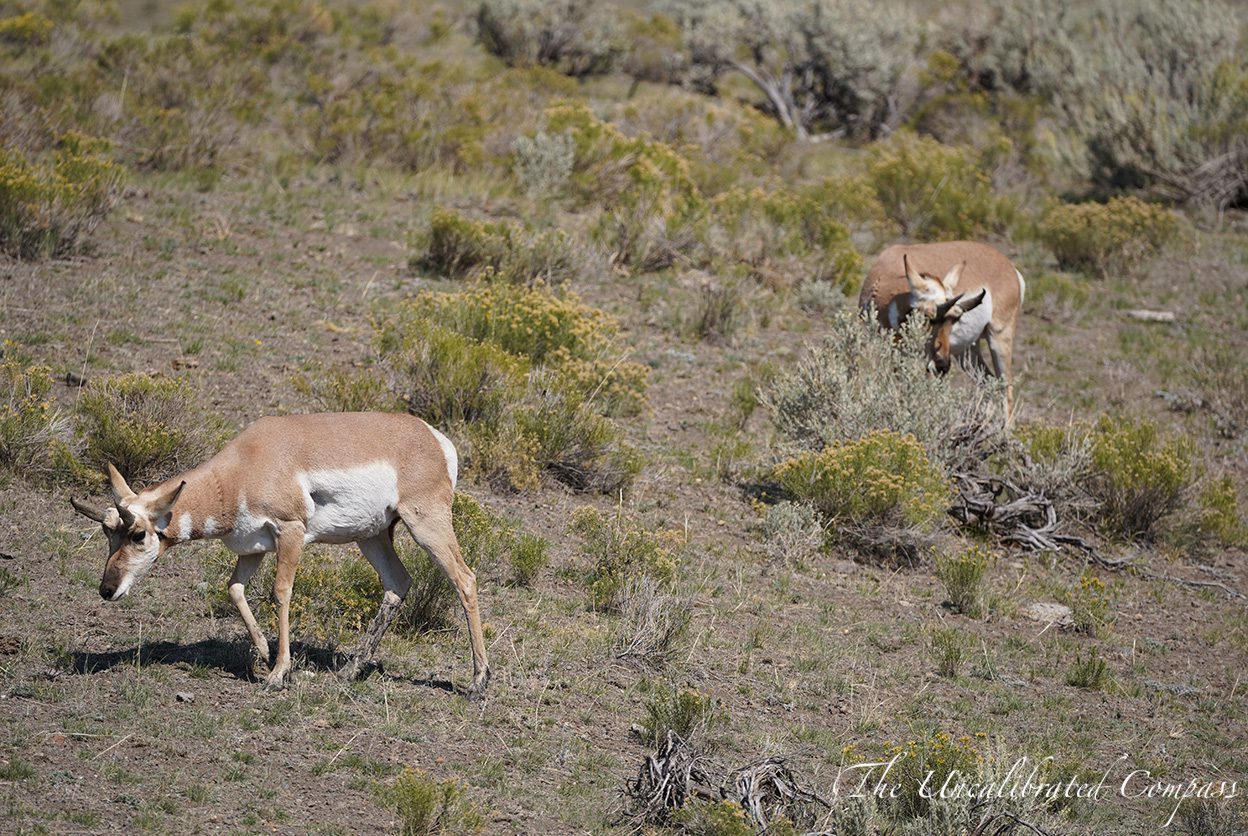
Pronghorns are beautiful animals that can be hard to find in the park so consider yourself lucky if you find one! PRO TIP: They usually stay around the northeast entrance of the park.
Did you know? Pronghorns are the second fastest land mammal in the world, capable of running at speeds up to 55 miles per hour!
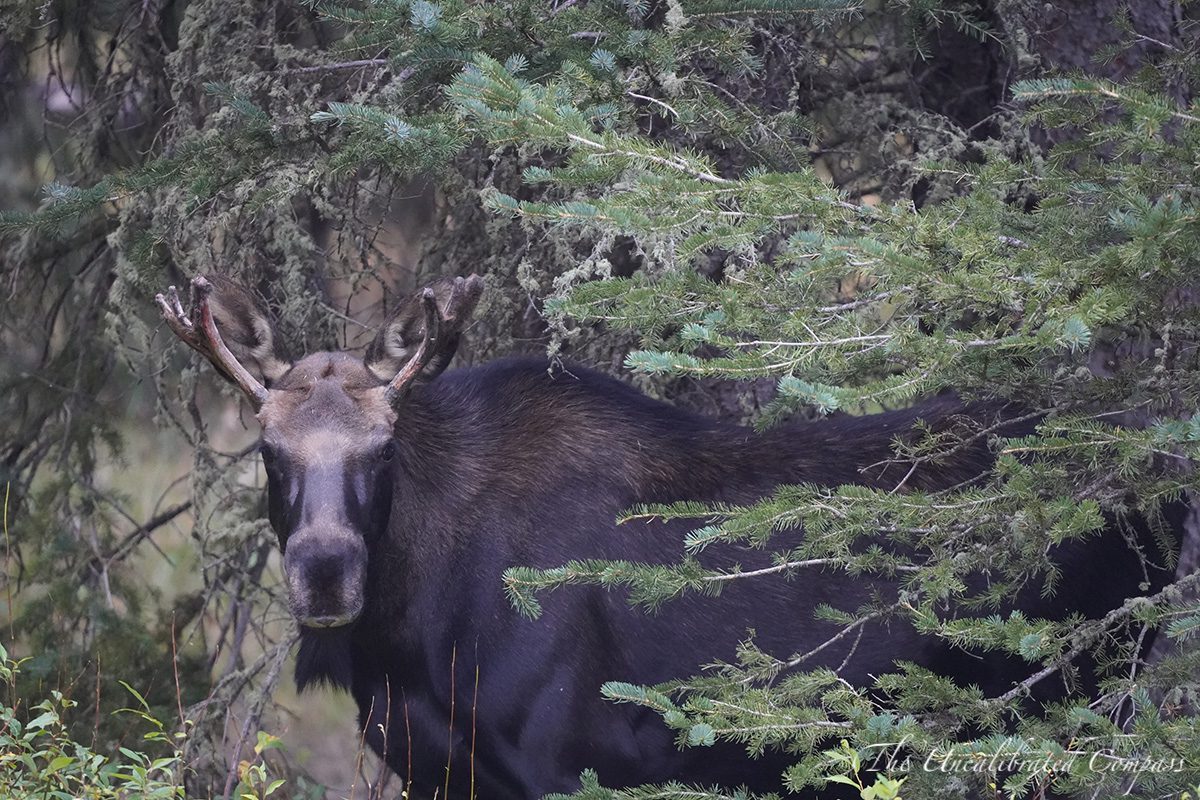
Moose are a rare but incredible animal to see in Yellowstone. Moose usually stay in wetland areas since they feed on aquatic plants.
Did you know? Moose are fantastic swimmers and can paddle through water at speeds of up to 6 miles per hour, often diving to depths of 20 feet to forage for aquatic plants!
Bald Eagles can be very hard to find throughout the park but finding one in the wild is a rewarding experience.
Did you know? Bald eagles have incredible eyesight, able to spot a fish from over a mile away while soaring high in the sky—making them top hunters in their habitat!
Grizzly Bears are one of Yellowstone’s most iconic and powerful mammals, often found in remote areas of the park.
Wolves can often be found in remote areas of the park, where they play a crucial role in maintaining the Yellowstone’s ecosystem by regulating prey populations; however, spotting one in the wild can be a rare and thrilling experience, as they tend to stay out of sight.
Best Spots to See Wildlife
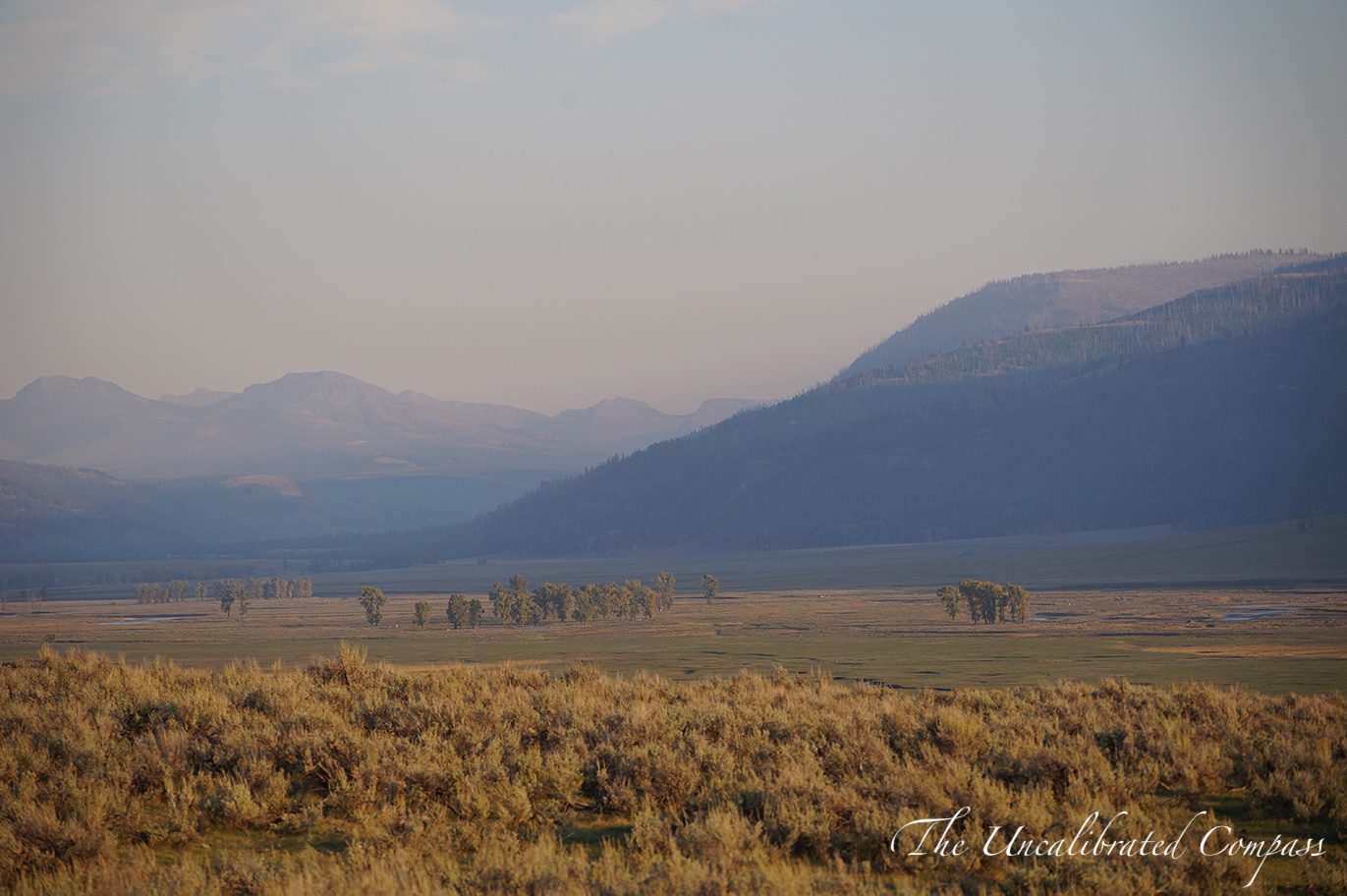
Lamar Valley – Often called the “Serengeti of North America,” Lamar Valley is the best place to spot wolves, bison, elk, and pronghorns, especially during the early morning or late evening. The valley’s wide-open spaces make it ideal for wildlife watching.
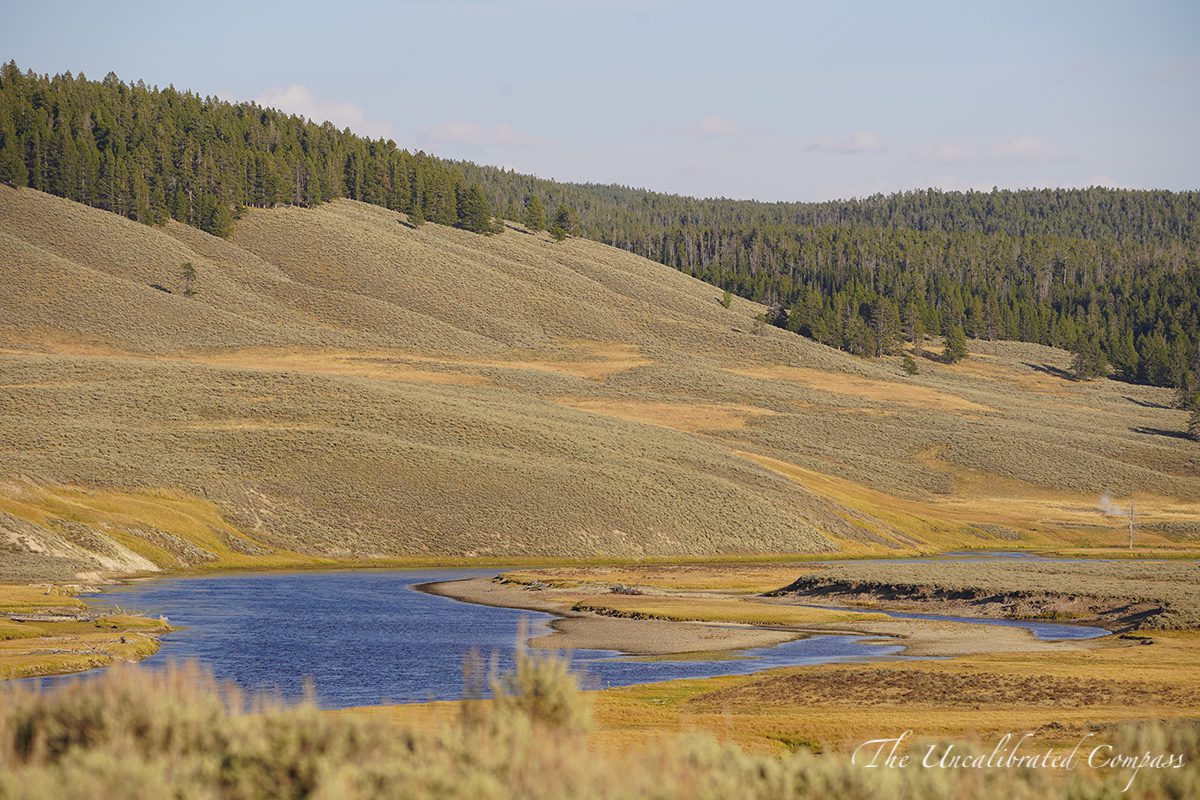
Hayden Valley – Located between Yellowstone Lake and the Grand Canyon of the Yellowstone, Hayden Valley is another prime spot for bison herds, elk, and grizzly bears. It’s especially popular for birdwatching, with sightings of bald eagles.
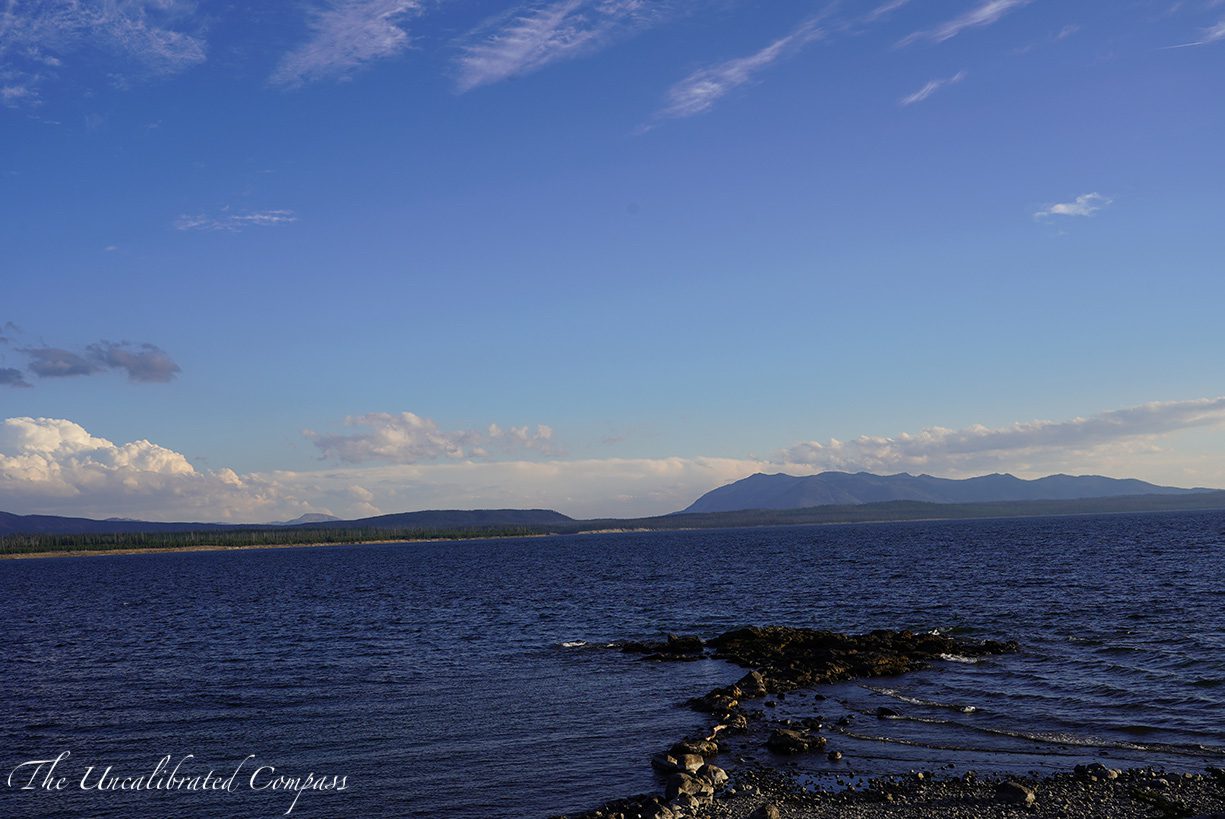
Yellowstone Lake – The area around Yellowstone Lake is a haven for moose, otters, and a variety of birds. It’s also a fantastic spot for bear sightings, particularly in the spring and fall when they forage along the shoreline.
IMPORTANT! SAFETY!
Wildlife in Yellowstone is truly wild—so respect the creatures, keep your distance, and remember, you’re in their home!
Maintain Your Distance: Never approach an animal for a photo. You must remain a minimum of 100 yards away from bears and wolves, and at least 25 yards away from bison, elk, deer, and moose.
Carry Bear Spray Everywhere: Every member of your group must carry active bear spray on their hip or chest harness while hiking. Ensure you know how to pop the safety clip before hitting the trail—you do not want to read instructions in front of an charging grizzly.
Make Consistent Noise – Don’t surprise the animals: When hiking through thick pine forests or blind river bends, clap your hands or call out periodically to avoid startling a resting bear.
Do not feed wildlife. This disrupts their natural behaviors and can make them dangerous and reliant on humans for food.
Stay calm and quite while observing wildlife. Loud noises and sudden movements can make some animals nervous.
Be aware of wildlife behavior. If the animal is approaching you, back away slowly in order to provide it with more space.
Respect park regulations and warnings.
Use binoculars and a wildlife lens for your camera. This will help you get a closer look from a safe distance.
🥾 Comprehensive Yellowstone Packing Manifest
Yellowstone’s high-elevation mountain weather can shift violently in a matter of minutes. Come prepared with a technical layering system to stay safe and comfortable.
Essential Apparel Layers:
- Footwear: Rugged, waterproof hiking boots (fully broken-in before your trip) paired with moisture-wicking hiking socks and blister-protecting sock liners.
- Base Layers: Thermal shirts and long-john bottoms (essential for fall, winter, and chilly summer mornings).
- Insulation: A high-quality fleece jacket or down sweater for freezing camp evenings.
- Outer Shell: A windproof, fully seam-sealed rain jacket.
- Pants: Convertible, quick-dry hiking pants.
- Top: Long-sleeved and short-sleeved shirts (The weather in Yellowstone can change dramatically throughout the day and it can get cold even in the summer).
- Warm Jacket
- Sunglasses
- Sunscreen
- Hat
- First aid kit
- Hiking/day backpack
- Hydration bag or water bottle
- Binoculars to look for the wildlife – Yellowstone’s main attractions
- Camera to capture your adventure!
Safety items:
- BEAR SPRAY! Please note that if you are flying you can’t take bear spray in an airplane (in a checked bag or carry on). You must buy the bear spray or rent it inside the park or at an outdoor store nearby. You can also order the bear spray to arrive at your destination.
- Bear locker (unless the campground where you are staying provide them): A bear locker is essential for camping in Yellowstone, as it provides a safe, secure place to store food and scented items, preventing bears and other wildlife from being attracted to your campsite.
Camping:
- Sleeping bag: Make sure it is appropriate for the season and night temperatures – remember that Yellowstone is cold even during summer nights.
- Sleeping bag liner: This can help with two things; during cold night temperatures and to keep your sleeping bag clean.
- Headlamp: Always bring a headlamp when camping. This can help when leaving the tent in the dark – particularly in a place with some much wildlife.
- Camping stove and cookware: If you plan to bring food and have the full camping experience. Also, this can save you the time that it takes to drive to a restaurant or store and instead spend more time exploring the park.
🌲 Ready to Explore the First National Park?
Yellowstone is truly a place like no other—where the earth’s raw interior heat meets pristine alpine valleys and diverse wildlife herds. Take your time, breathe in the fresh mountain air, and soak in the magic of this wild sanctuary.
Have you started planning your loop route yet? Drop a comment below if you have any questions about campsite bookings or bear safety gear!