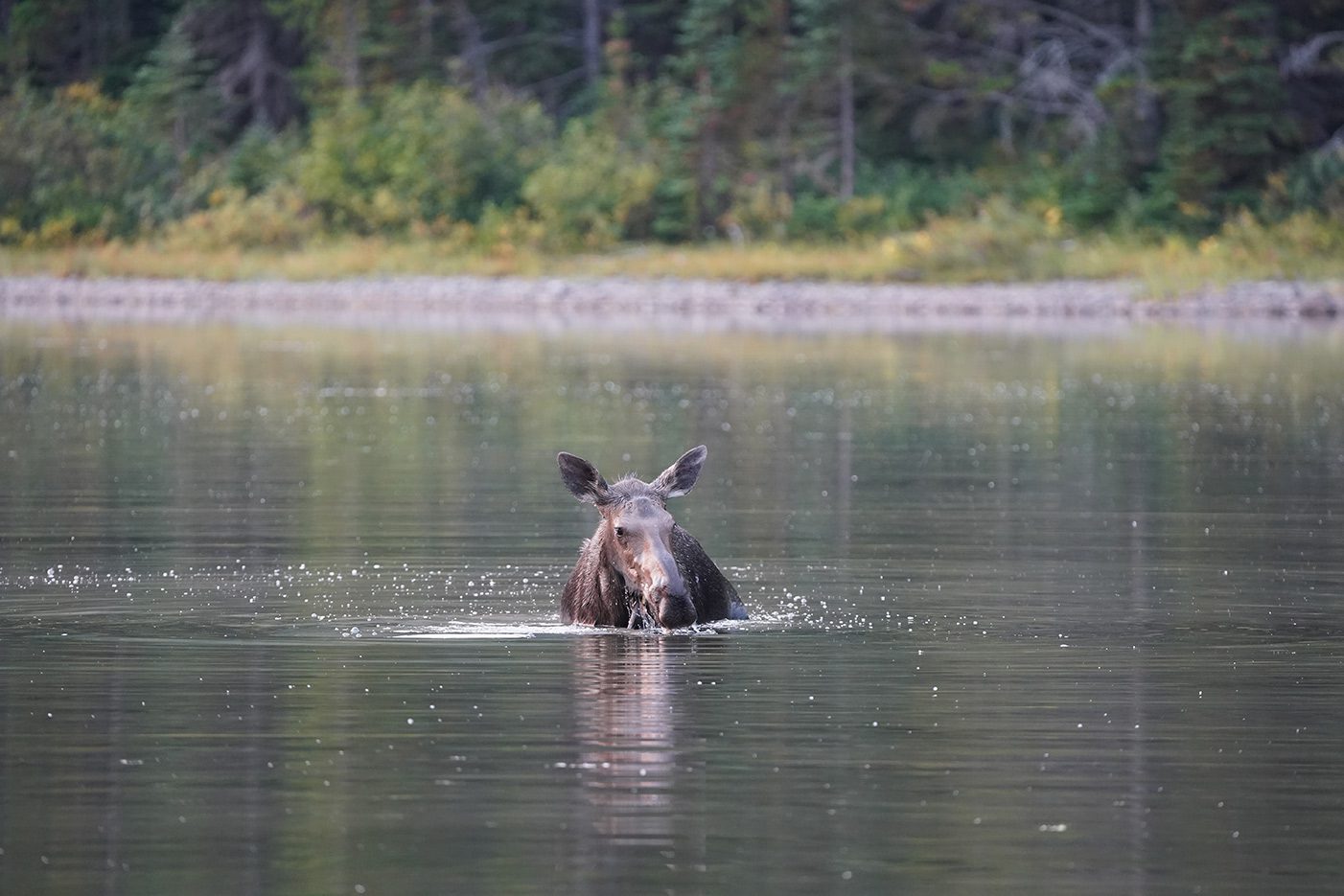
Spotting wildlife is one of the most incredible and rewarding things to do when exploring nature. There is nothing like seeing wildlife in their own habitat and going about their day. Some are harder to see than others, which makes them even more majestic. The moose is the largest member of the deer family – a male (bull) can weigh up to 1,500 pounds, stand over 6 feet tall at the shoulder, and their antlers can span up to six feet! Don’t let the size fool you – they are still hard to find and camouflage very well into the forest. These beautiful creatures can be a challenging but yet rewarding subject to capture on camera. Whether you’re in the wilds of the northwest US, Canada, or Northern Europe, knowing how to spot a moose can make all the difference in your photography experience.
In this guide, we’ll share everything you need to know about moose spotting—from the best times and places to look, to the essential gear and tips that will help you get that perfect shot. So grab your camera and let’s do this!
Table of Contents
📌Fun Facts About Moose
- Don’t Have a Natural Predator: Adult moose have few predators aside from humans. However, wolves, bears, and even cougars can sometimes prey on moose calves.
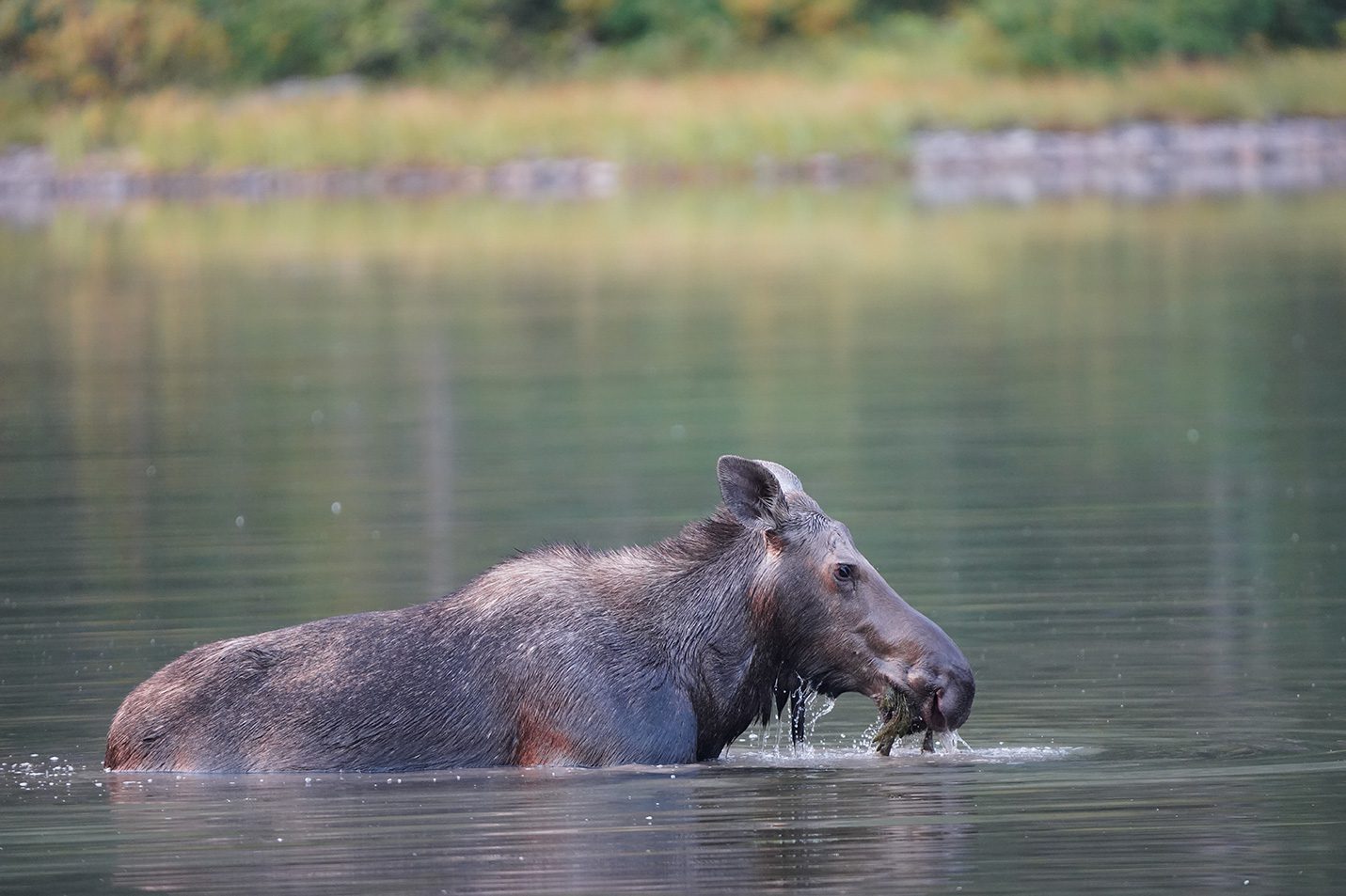
- Great Swimmers: Despite their large size, moose are excellent swimmers. They can dive up to 20 feet underwater to forage for aquatic plants.
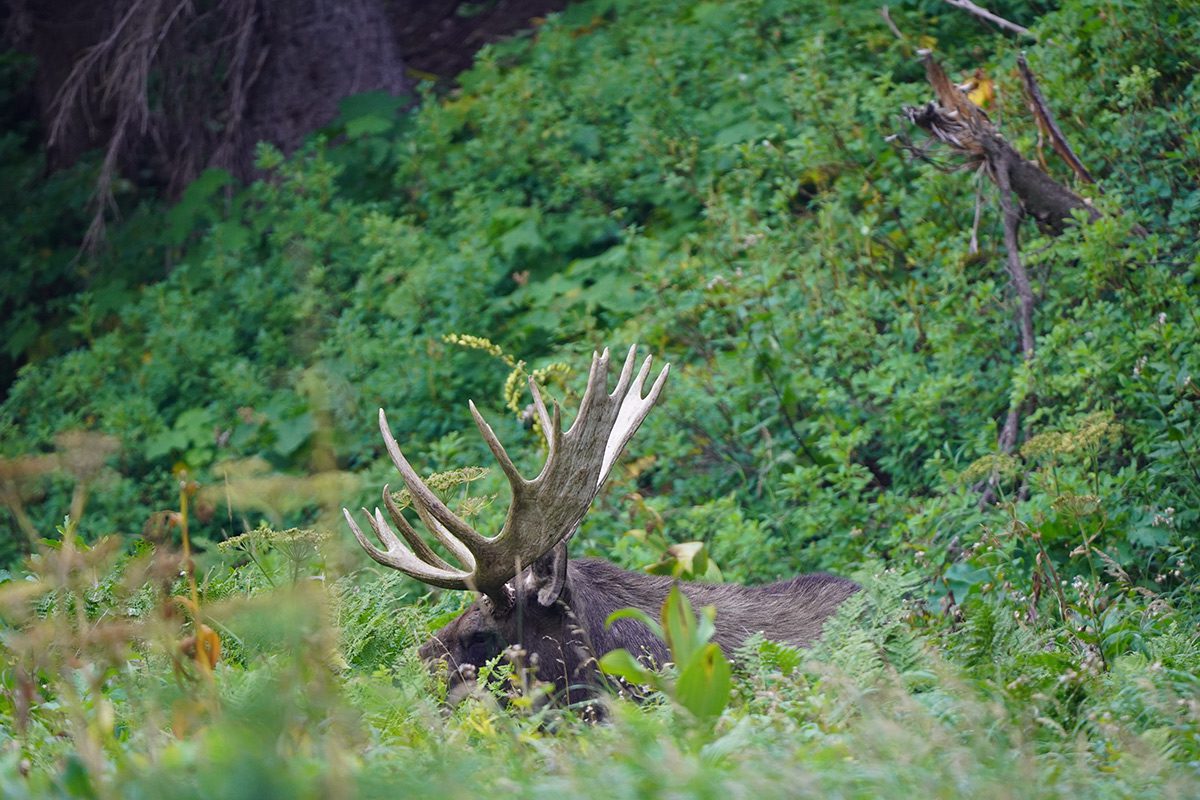
- Antlers are a Seasonal Feature: Only male moose grow antlers, and they shed them every winter. So, if you’re hoping for the classic antler shot, plan your trip around fall when their antlers are fully grown.
☀️Best Times of the Day to Spot a Moose
Moose are crepuscular animals. This means they are most active during the twilight hours of dawn and dusk. These are the ideal times for spotting them in the wild. Early mornings and late evenings are when moose are feeding, wandering, or moving through their territory, making it easier to spot them.
Dawn – The Morning Rise
The calm, completely still hours immediately surrounding sunrise are the absolute best for spotting moose. During these cool hours, moose wander into open valley floors and shallow ponds to graze on tender plants before the sun gets too high. If you are aiming for a misty, serene landscape photograph with soft, golden light, setting an early alarm is mandatory.
Dusk – The Evening Feed
The late afternoon and early evening hours can be equally fruitful. As daylight starts to fade and temperatures drop, moose retreat out of the dense forest cover and head back toward open meadows and rivers to forage for their evening meal.
PRO TIP: Consider spending a full day in the field to cover both dawn and dusk. You’ll have the best chances of capturing moose in varying light conditions.
🌲 Where to Find Moose: Ideal Habitats & Locations
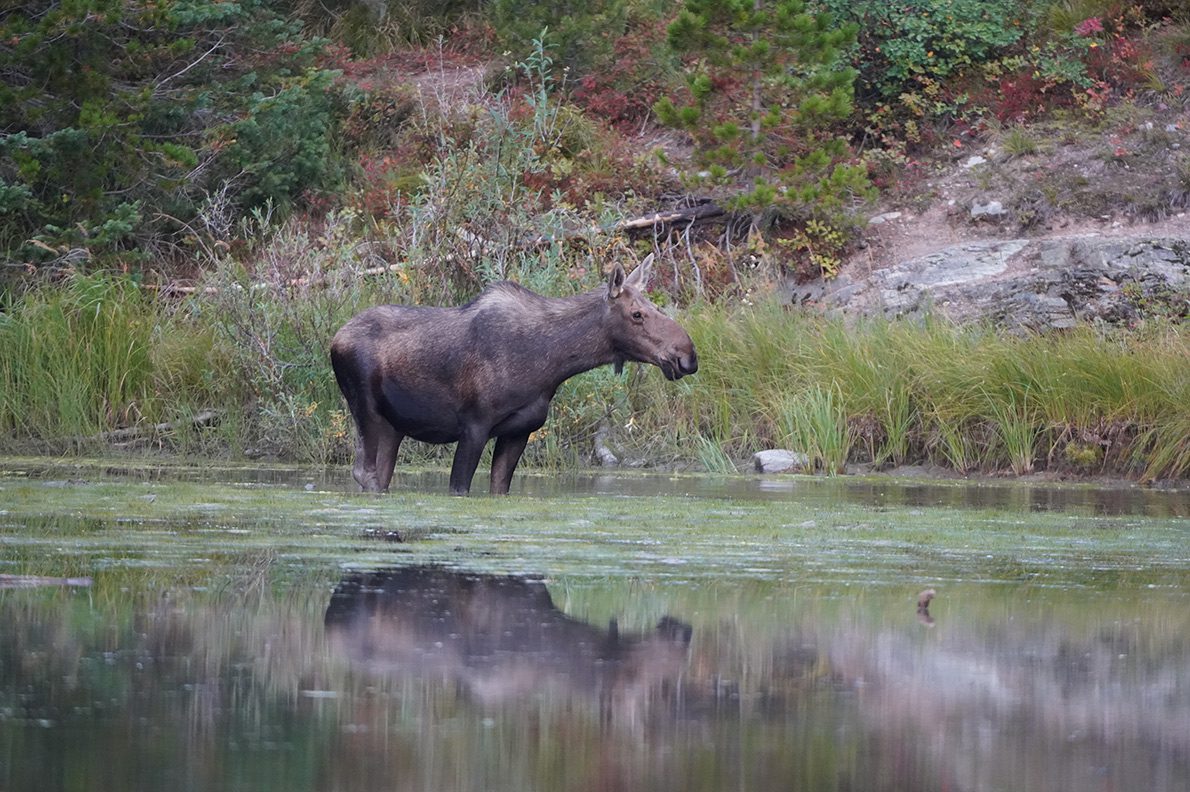
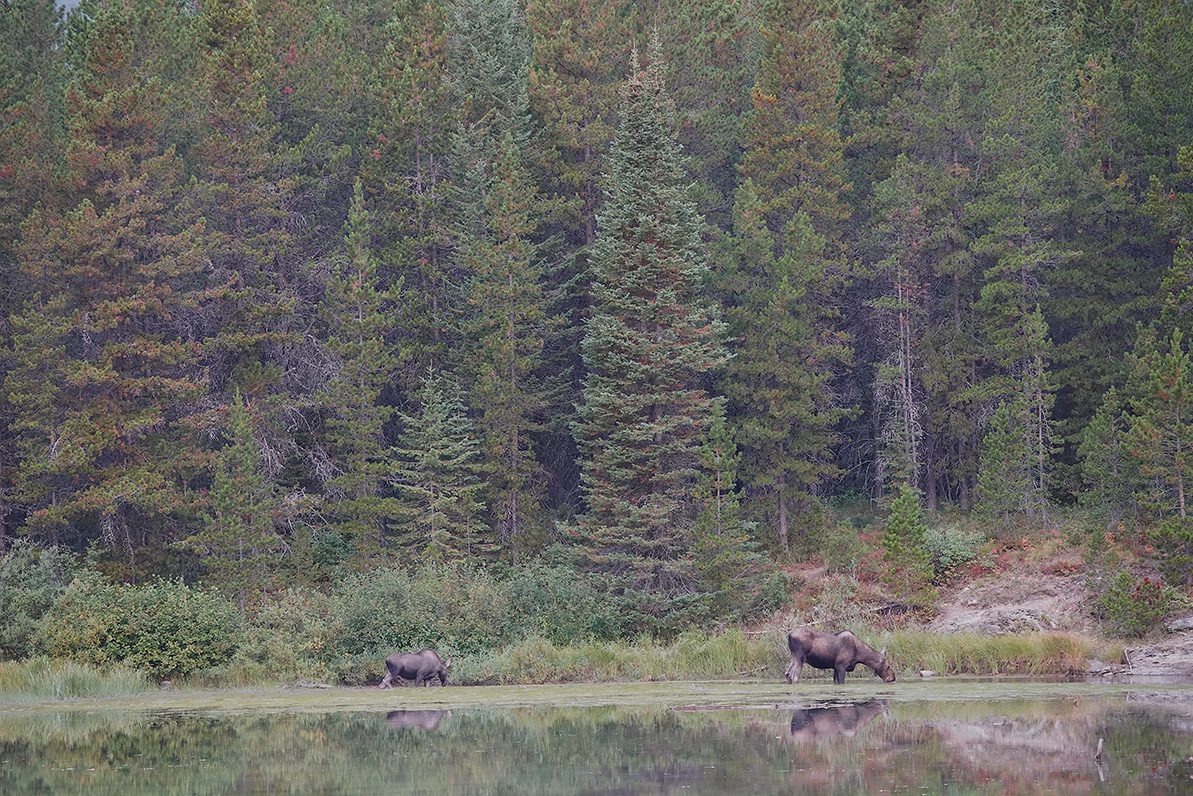
Moose are solitary animals and tend to roam in areas where they can find an abundance of food, especially aquatic plants, shrubs, and trees like willows and birch. They prefer cool climates and can often be found in dense forests, wetlands, and areas with open meadows.
Ideal Moose Habitats:
- Swamps & Wetlands: Moose love wet, boggy areas because they can feed on aquatic plants and shrubs.
- Forests: Dense boreal and temperate forests, especially near water, are prime moose habitats. Look for areas with thick vegetation and a mix of coniferous and deciduous trees. Moose are often found near forest clearings, where they can graze on shrubs.
- Mountain Valleys & Coastal Regions: If you’re in Canada or Alaska, valleys along the edges of mountain ranges or even coastal areas can be excellent places to spot moose. These locations tend to have lush vegetation, and moose are known to wander here.
- National Parks and Wildlife Reserves: Some of the best places to see moose are in national parks and wildlife reserves. Areas like Glacier National Park (Montana), Denali National Park (Alaska), Banff and Jasper National Parks (Canada), and Finland’s Lapland are all excellent spots where moose roam freely.
Some of the Best Locations for Moose Sightings around the world:
- Glacier National Park, Montana, USA
- Denali National Park, Alaska, USA
- Banff and Jasper National Parks, Alberta, Canada
- Yellowstone National Park, Wyoming, USA
- Northern Maine, USA
- Kootenay National Park, British Columbia, Canada
- Lapland, Finland
📸 Essential Photography Equipment for Moose Shots
Capturing a moose in its natural environment requires the right equipment. Wildlife photography is all about timing, precision, and having the right tools for the job. Here’s what you’ll need:
- Wildlife Lens (70-200mm, 100-400mm, or 150-600mm): When photographing wildlife, you don’t want to get too close—both for your safety and to avoid disturbing the animal. A good wildlife lens allows you to capture close-up shots without invading the moose’s personal space. A 70-200mm lens is versatile for medium-range shots, while a 150-600mm lens offers more reach if the moose is farther away.
- Tripod or Monopod: Stabilizing your camera is crucial, especially when shooting at longer focal lengths. A tripod is a must if you’re shooting at low light during dawn or dusk. If you’re moving around a lot or need a bit more flexibility, a monopod might be a better option.
- Binoculars: Moose can sometimes be difficult to find because they can easily camouflage in a forest. Binoculars are much easier to handle than a camera with a large wildlife lens hooked to it. Binoculars can be used to find the wildlife you are trying to photograph and then pick up your camera to snap the perfect photo.
- Lens Hood & Filters: A lens hood will help prevent lens flare from the low-angle sunlight of dawn or dusk. Additionally, polarizing filters are handy for reducing reflections on water and enhancing the contrast between the moose and its surroundings.
📋Tips for Getting the Best Moose Shots
Here are some additional tips that will help you improve your chances of getting that perfect moose shot:
- Patience is Key: Moose are not always easy to spot, and they can be skittish. Stay quiet and patient, and avoid sudden movements. Moose have excellent hearing, so if you’re too loud or if you make sudden movements, you might scare them off before you can get the shot.
- Watch for Signage: Look for signs of moose activity, such as tracks, droppings, or areas where they’ve been feeding. Moose are herbivores and often spend a lot of time eating the bark of trees or submerged aquatic plants, so keep an eye out for these feeding areas.
- Respect Their Space: Moose are generally not aggressive unless they feel threatened, but it’s always best to keep a safe distance. If you’re in a vehicle, stay inside and use your wildlife lens. If you’re on foot, keep at least 100 yards away. Moose can charge if they feel cornered or provoked, especially mothers with calves.
- Pay Attention to Behavior: Moose are mostly solitary, but during the mating season (late fall), males (bulls) can become more visible as they search for mates. During this time, you might get lucky and capture some dramatic photos of moose sparring or displaying their impressive antlers.
- Look for Reflective Shots: A moose near a water body makes for stunning reflections. Try to position yourself where you can capture the moose against the backdrop of a calm lake or river, especially at sunrise or sunset.
🏔️ Field Notes: Tracking the Titans of Glacier National Park
We strongly recommend locating a lake or area known to be frequented by moose, particularly one where they are commonly observed at dawn or dusk. Once you’ve identified a suitable location, find a comfortable spot to set up your tripod and camera. Please ensure that you maintain a respectful distance to allow the moose to move freely within their natural territory.
The Moose of Glacier National Park
In the rugged heart of Montana, where the untamed beauty of the American wilderness sprawls across vast, untouched landscapes, lies one of the most perfect places to encounter moose in the wild. During our road trip to Glacier National Park, we set forth with a singular mission: to find these majestic creatures, particularly the legendary bull moose with its massive antlers. Armed with research and excitement, we ventured into the wild, eager to turn this dream into a reality.
Our first stop was Fishercap Lake, a renowned hotspot for moose sightings in Montana. We rose with the dawn, the air crisp and still, and hiked to the lake, our eyes scanned the horizon in anticipation. Two hours passed, but no moose appeared. Still, the sweeping views of the lake and the towering mountains surrounding us were enough to make the wait worthwhile. Not ones to give up so easily, we returned the next morning with renewed determination. This time, our patience was rewarded. As we circled the lake, binoculars in hand, a mother moose emerged from the brush with her two calves. What a sight it was! While one calf playfully splashed in the water, the other stayed close to the mother, nibbling on the lush vegetation. It was a moment of pure wilderness—a front-row seat to the rhythms of nature.
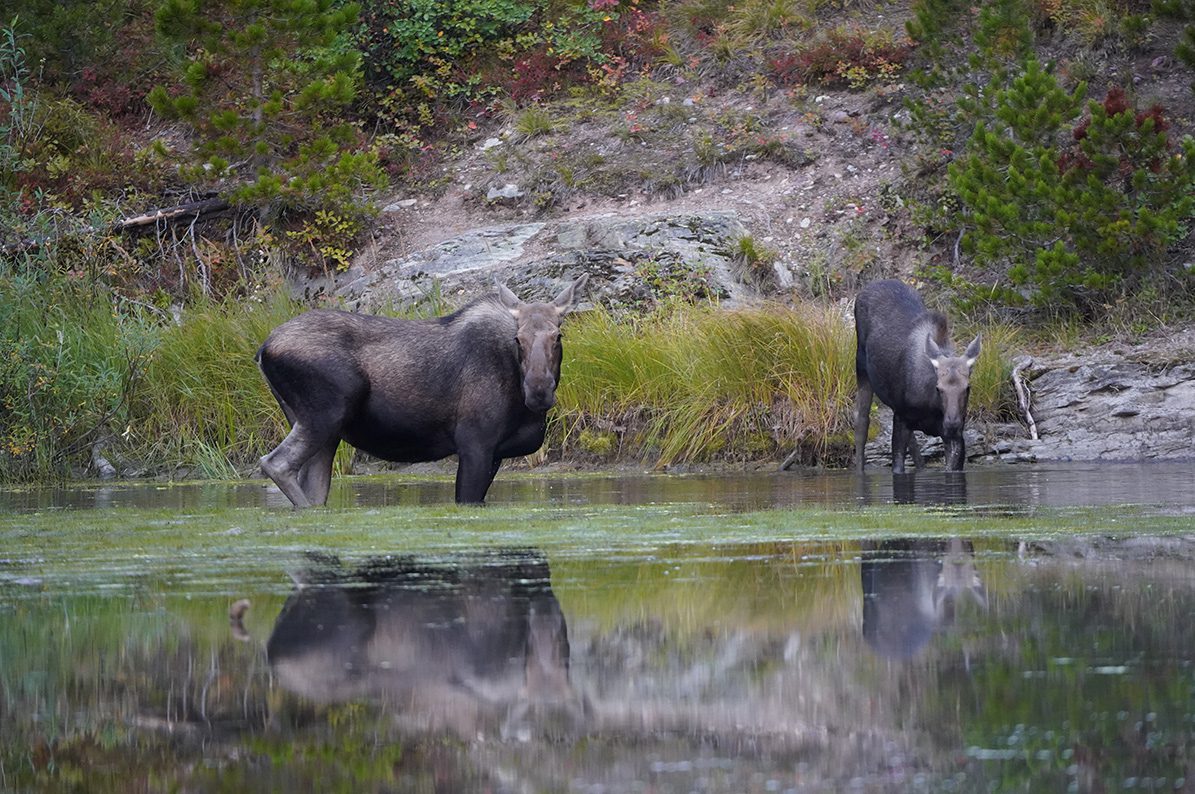
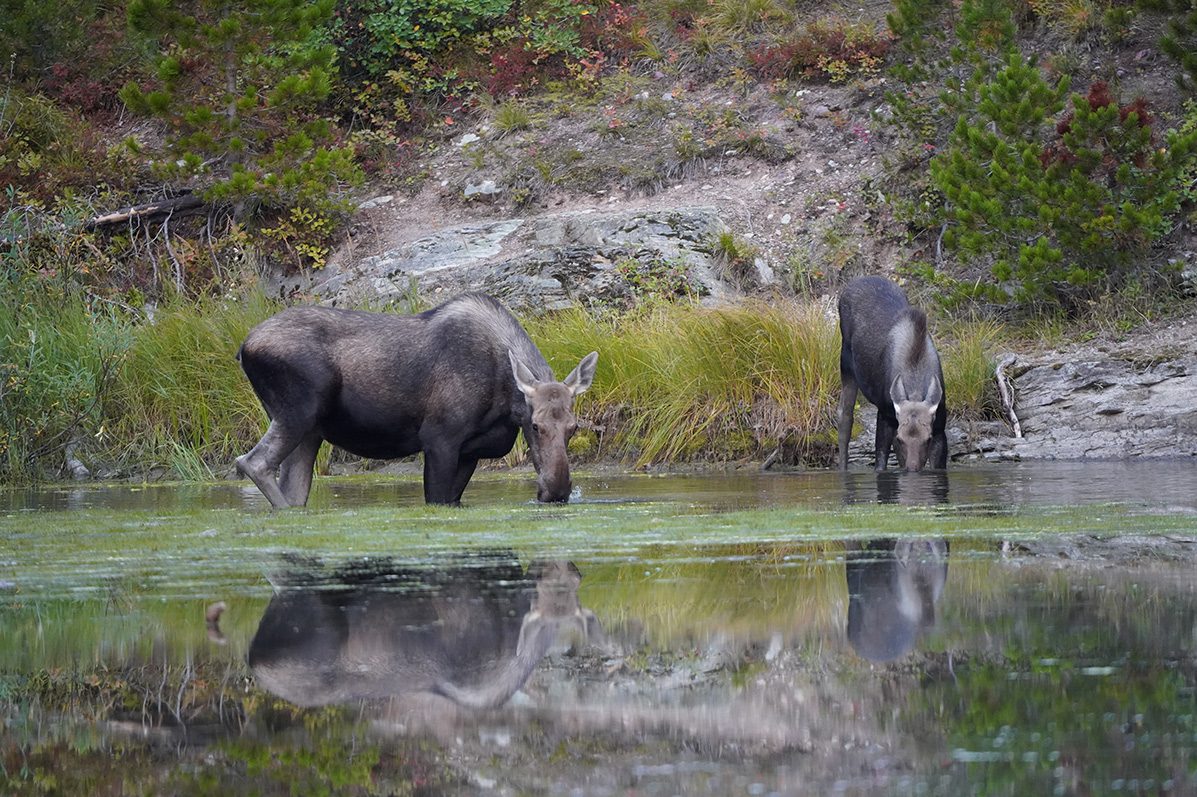
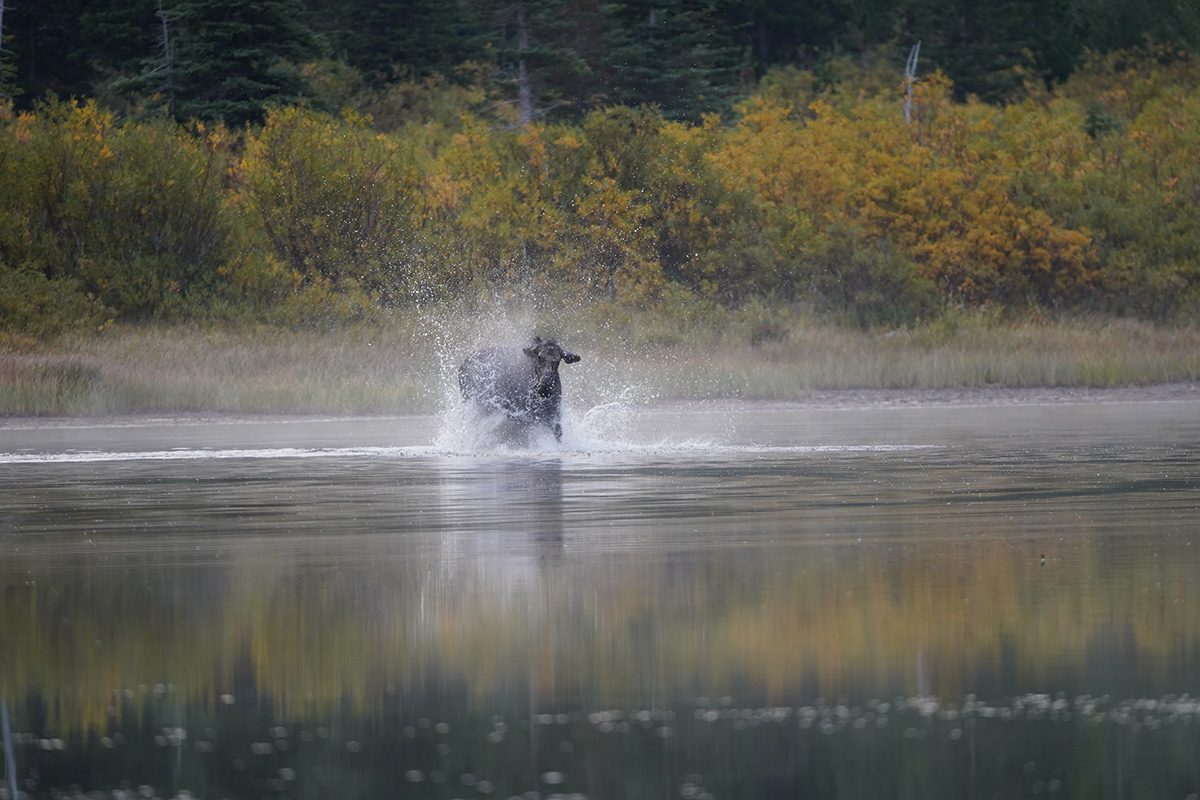
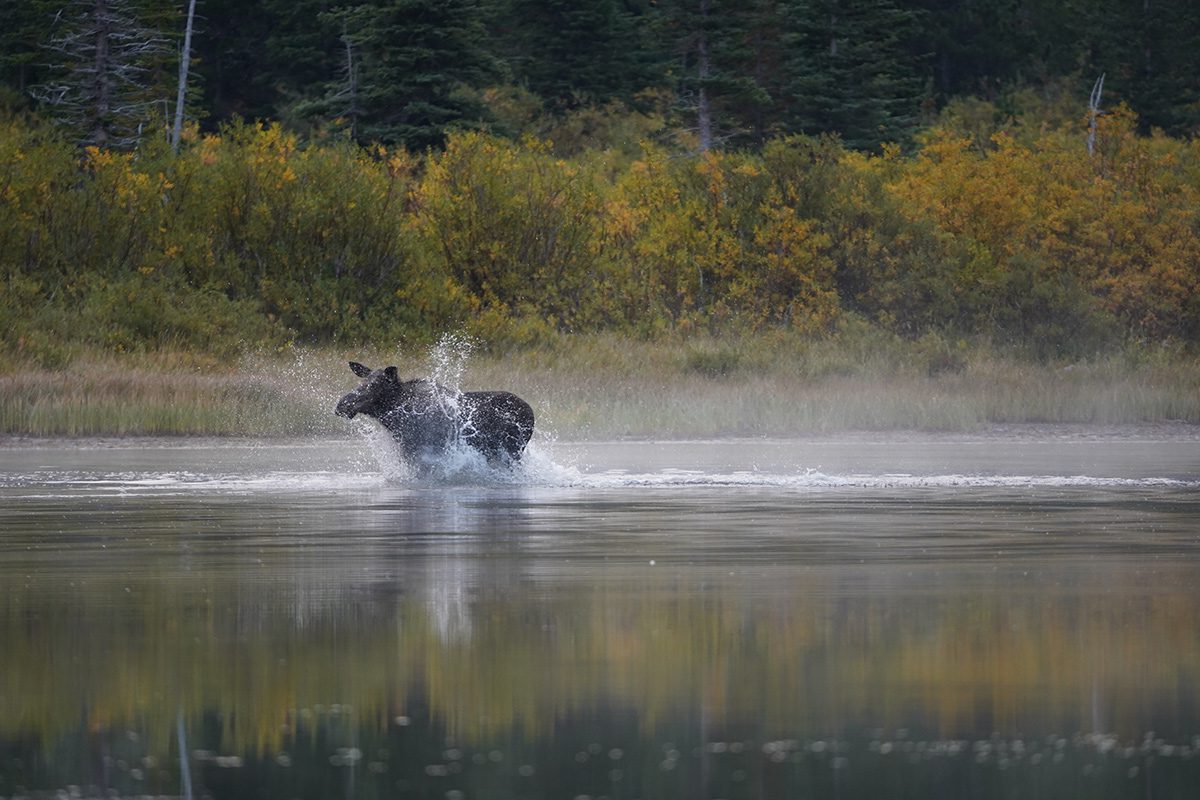
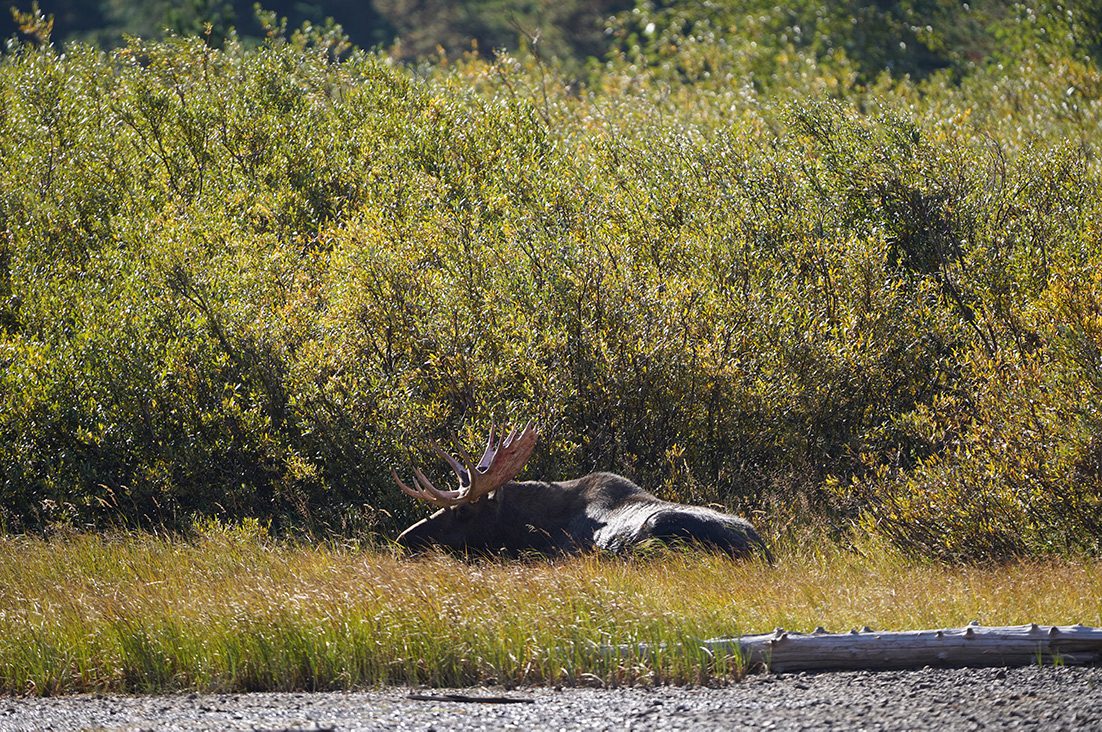
The following day, fortune smiled on us once more. As we returned to Fishercap Lake, we spotted a bull moose, resting in the morning sun, its massive frame nearly blending into the landscape. It was an incredible sight, but little did we know that the best moose moment of our adventure was yet to come. Later that afternoon, we hiked to Grinnell Lake, a breathtaking jewel nestled among jagged peaks and one of the gems of Glacier National Park.
As we approached the shore, we spotted another bull moose lying low in the tall grasses, partially concealed by the surrounding vegetation. I quickly snapped a few pictures, careful not to intrude, then turned to take in the serene beauty of the turquoise waters before us. But then came the unexpected: “Oh my… turn around slowly…” my wife whispered. We slowly turned, and there it was – a massive bull—now risen from its rest. It was colossal. The sheer size of it was astonishing, and its antlers, vast and commanding, seemed to stretch into the sky, as if crowned by the very heavens themselves. A true titan of the wild. Eyes filled with ancient wisdom, it stood there, an embodiment of primal power, a living legend of the forest.
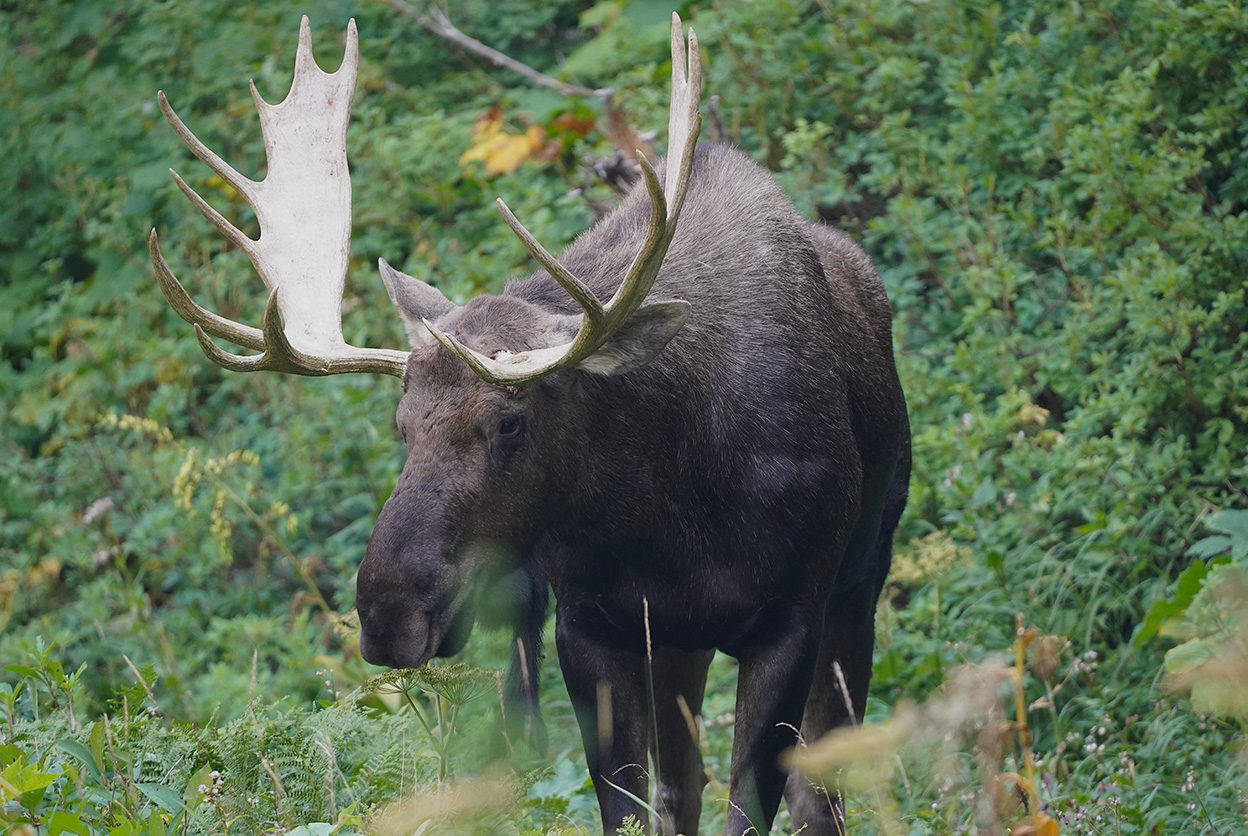
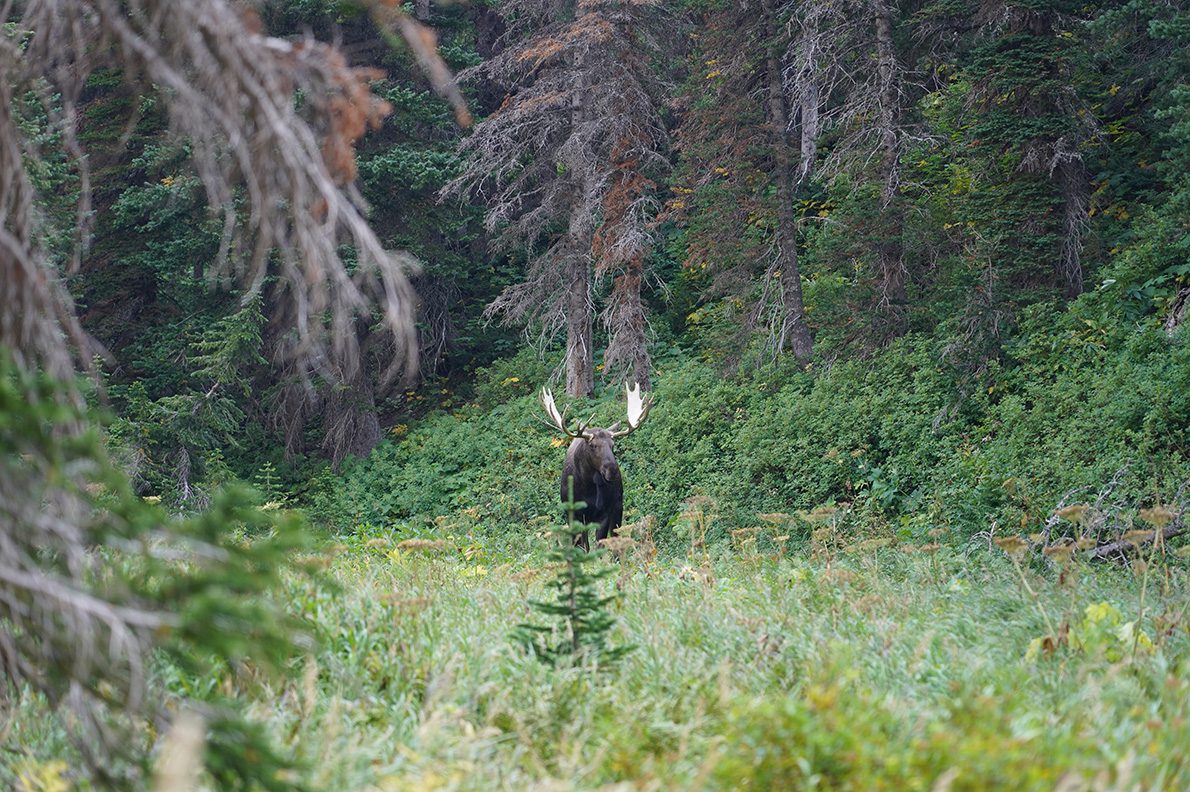
One very important tip: when you encounter a moose, be quick with your camera, but always respect their space. These magnificent creatures can decide to lay down for another nap in an instant—leaving you with nothing but memories of a fleeting encounter.
🎬Conclusion
Spotting and photographing a moose in the wild is a rewarding experience that requires preparation, patience, and the right gear. By following the tips in this guide, you’ll increase your chances of encountering these majestic creatures and capturing stunning photographs. Whether you’re trekking through a forest at dawn or sitting quietly by a peaceful wetland at dusk, the thrill of photographing a moose is one you won’t soon forget!