Cartagena de Indias is a breathtaking mix of intense Caribbean heat, brilliantly preserved colonial architecture, and a street landscape bursting with life, music, and history.
It can feel incredibly crowded and high-energy on the main commercial thoroughfares. However, if you know where to look, you will discover stunning sections that feel like an absolute oasis—completely quiet within the shadow of the ancient stone walls.
The bustling spaces are an essential part of the spirit of this vibrant Caribbean destination. From massive military bastions to hidden backstreets filled with elegance and color, this Cartagena Colombia travel guide will help you discover the best places to visit in Cartagena while maximizing your time on the coast.
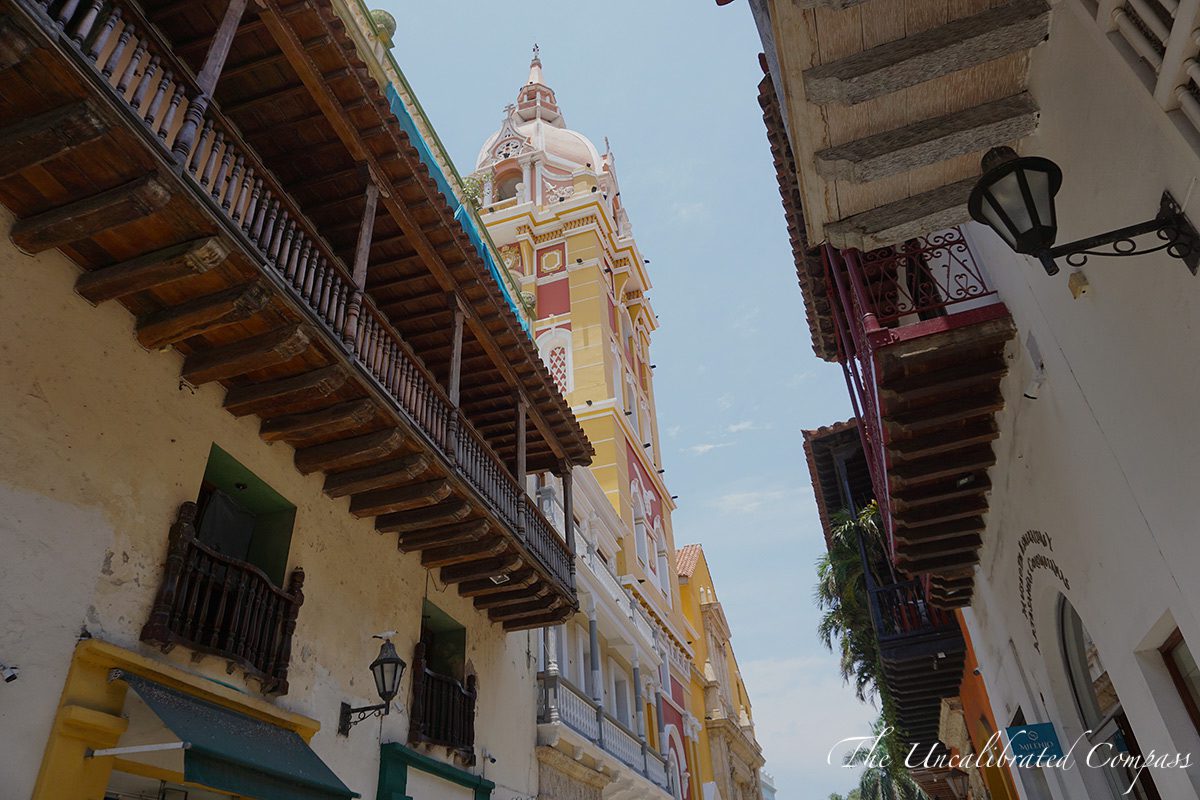
Table of Contents
📋 Getting Oriented: Cartagena Logistics & Transit
Most of the historic landmarks you will want to explore sit directly inside the iconic Walled City (Centro and San Diego) or within the neighboring, bohemian district of Getsemaní.
Beating the Caribbean Heat
While the historic center is entirely walkable, the coastal humidity can be intense. Plan your heavy walking tours before 11:00 AM or after 4:00 PM.
Ride-Hailing Apps & Transport
For destinations located outside the city walls—such as the grand fortress or Rafael Núñez International Airport (CTG)—digital ride-hailing apps are your safest, cheapest option.
The Apps: Download Uber, InDrive, or Cabify before you arrive.
The Great Fortress: Castillo San Felipe de Barajas
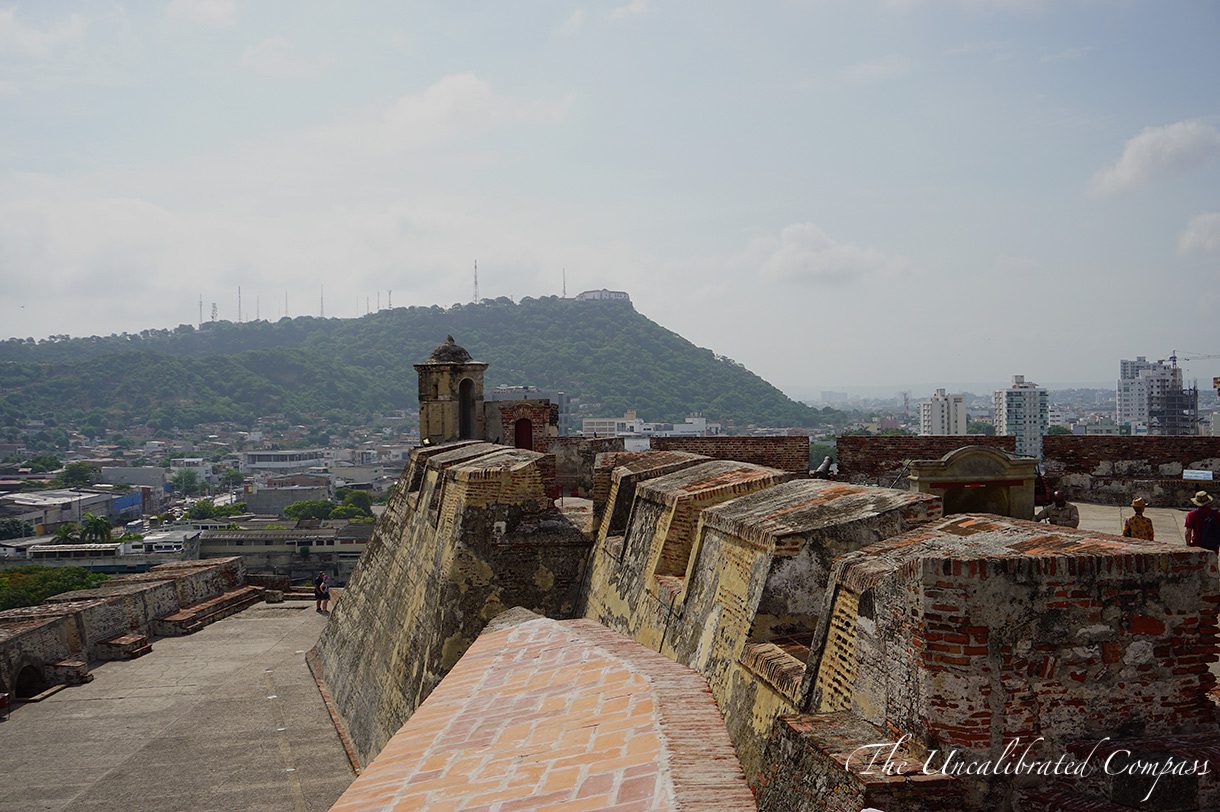
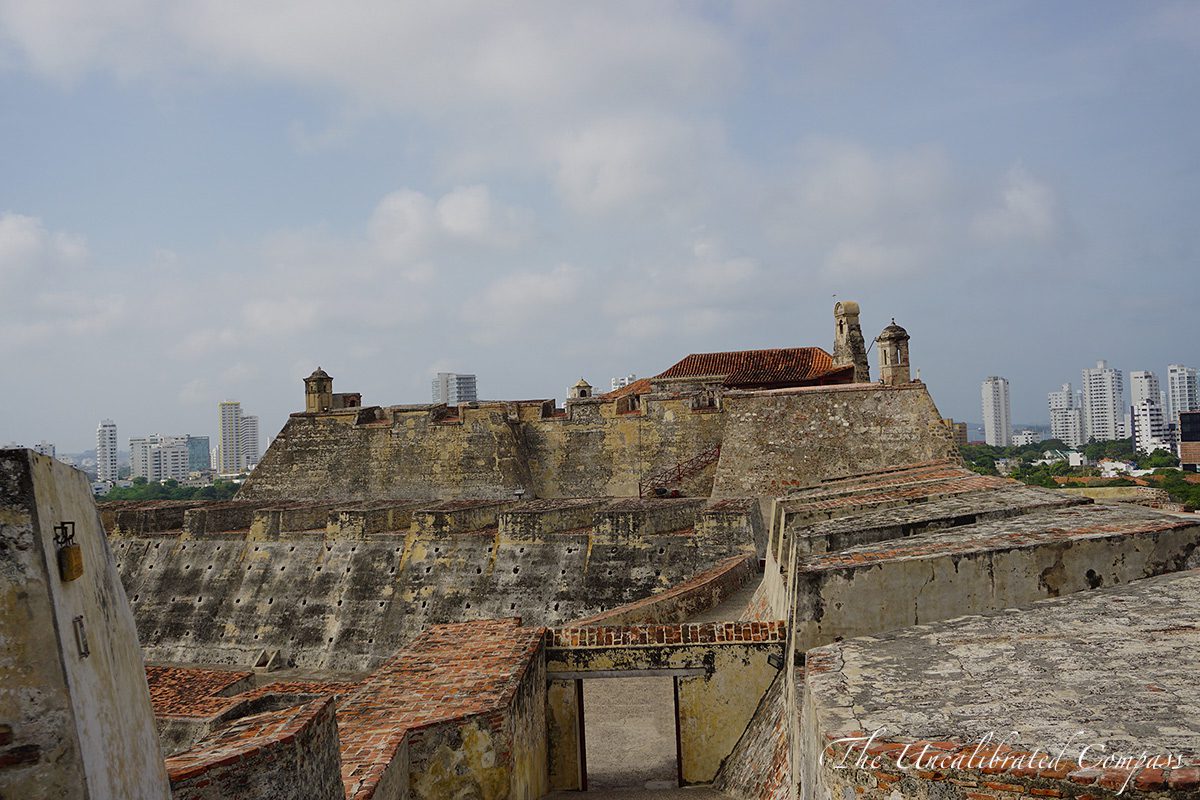
This is the massive stone complex sitting on a hill outside the walls. It was built by the Spanish in the 1500s to protect their gold from pirates, and it’s essentially a labyrinth of tunnels and ramps.
Logistics: Take a 10-minute Uber from the Old City. Go at 8:00 AM when they open to beat the crowds and the sun.
The Experience
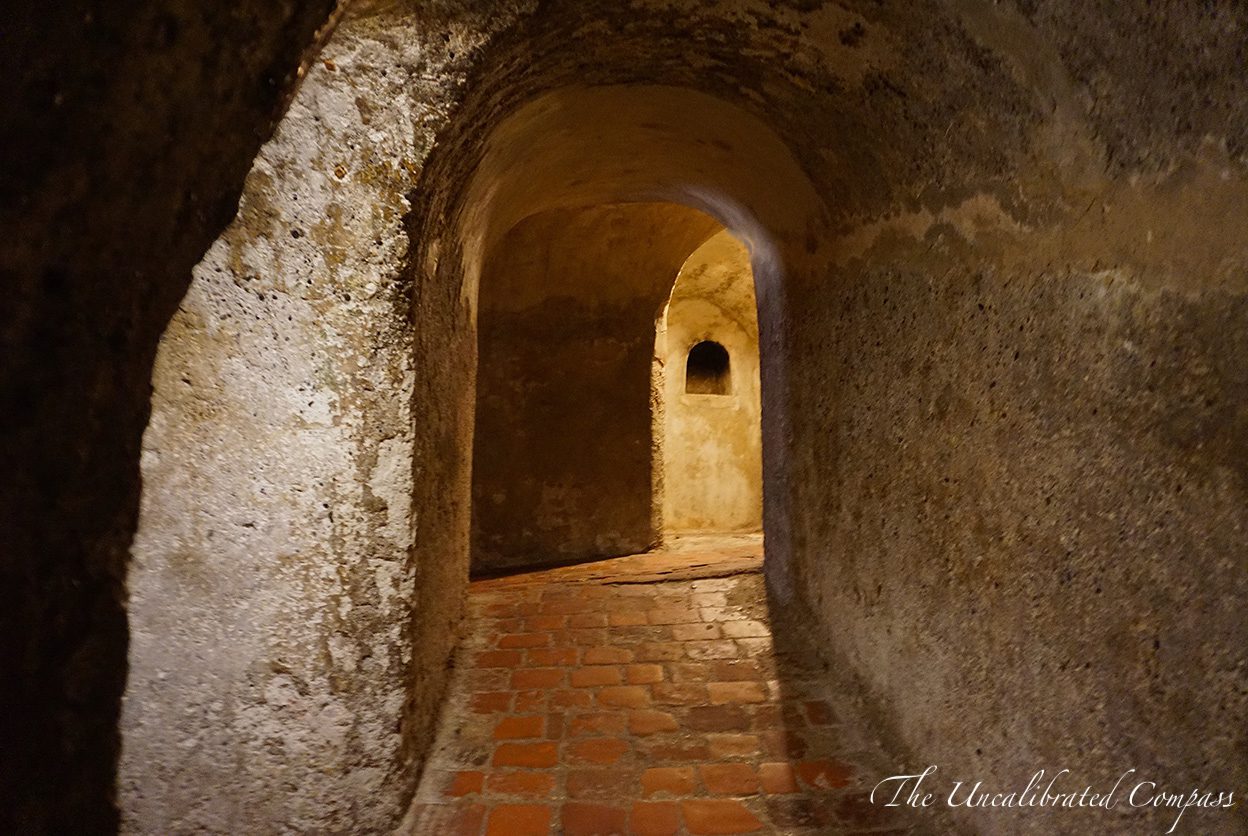
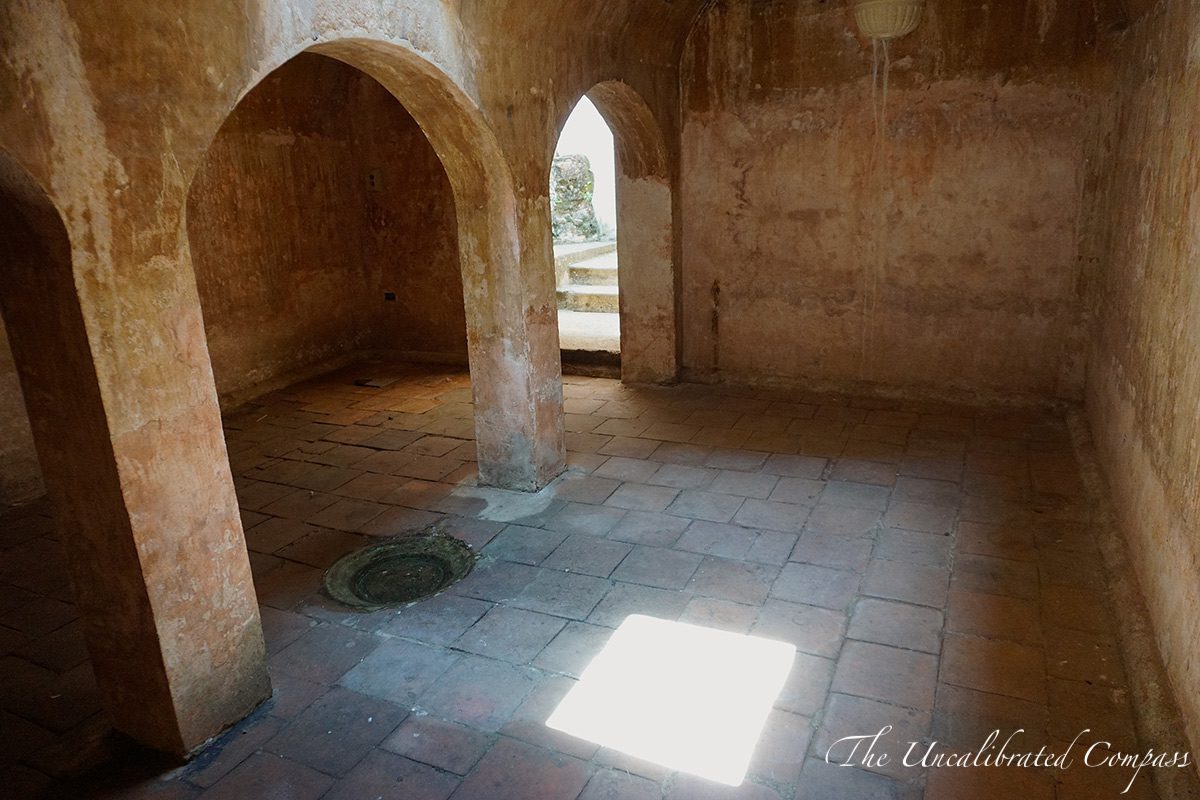
Exploring the underground: The absolute highlight of Castillo San Felipe is exploring its complex network of underground tunnels. Strategically engineered to echo the footsteps of oncoming enemies, these stone passages are dark, narrow, and surprisingly cool compared to the sweltering jungle heat outside.
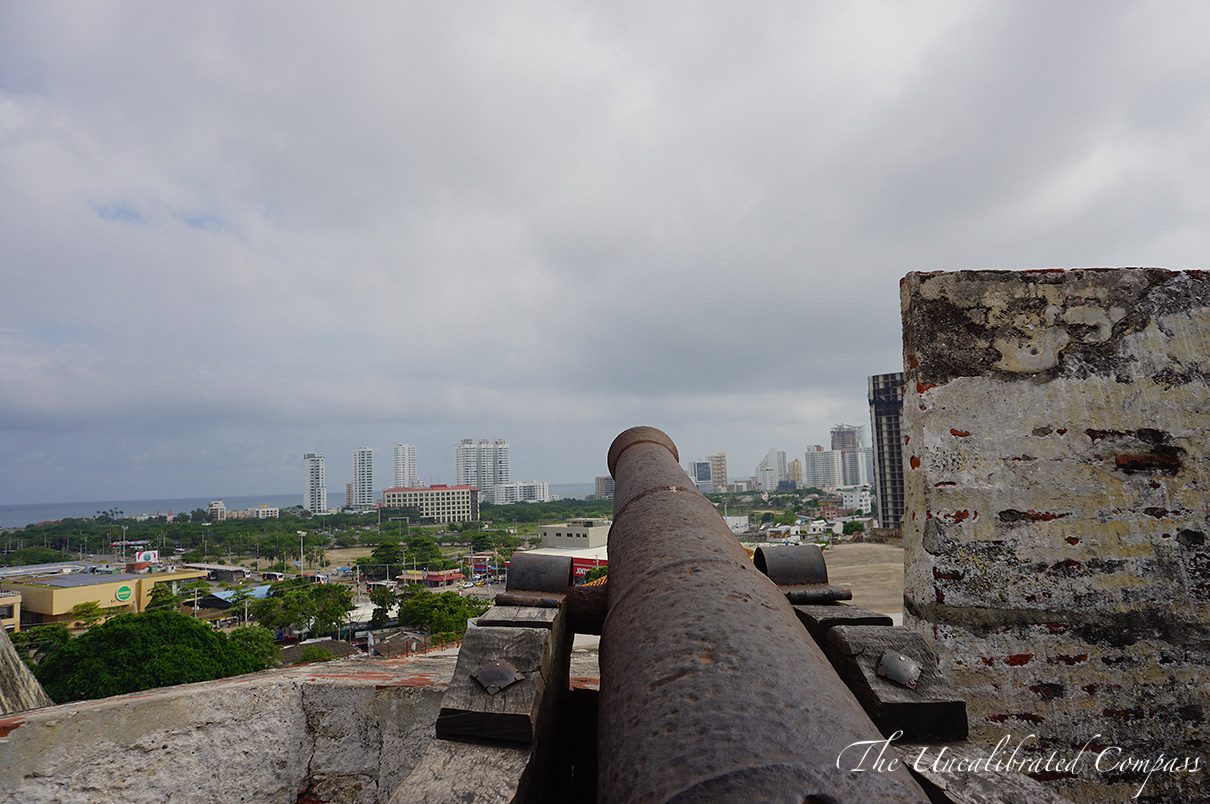
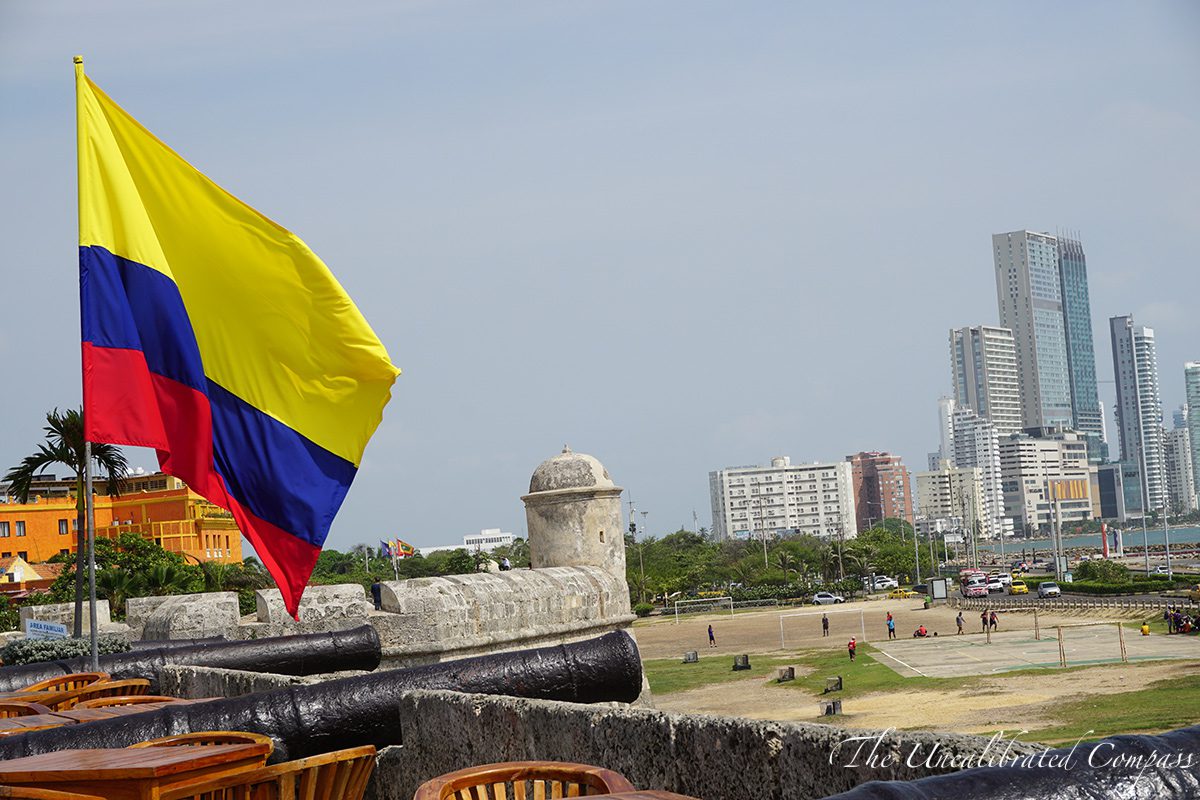
Panoramic Overlooks: As you climb the external ramps to the top of the stone complex, you will unlock spectacular 360-degree views contrasting the historic Old Town with the modern skyscrapers of Bocagrande. Don’t forget to photograph the massive, iconic Colombian flag flying at the fortress summit.
🗺️ The Best Streets and Plazas in the Walled City
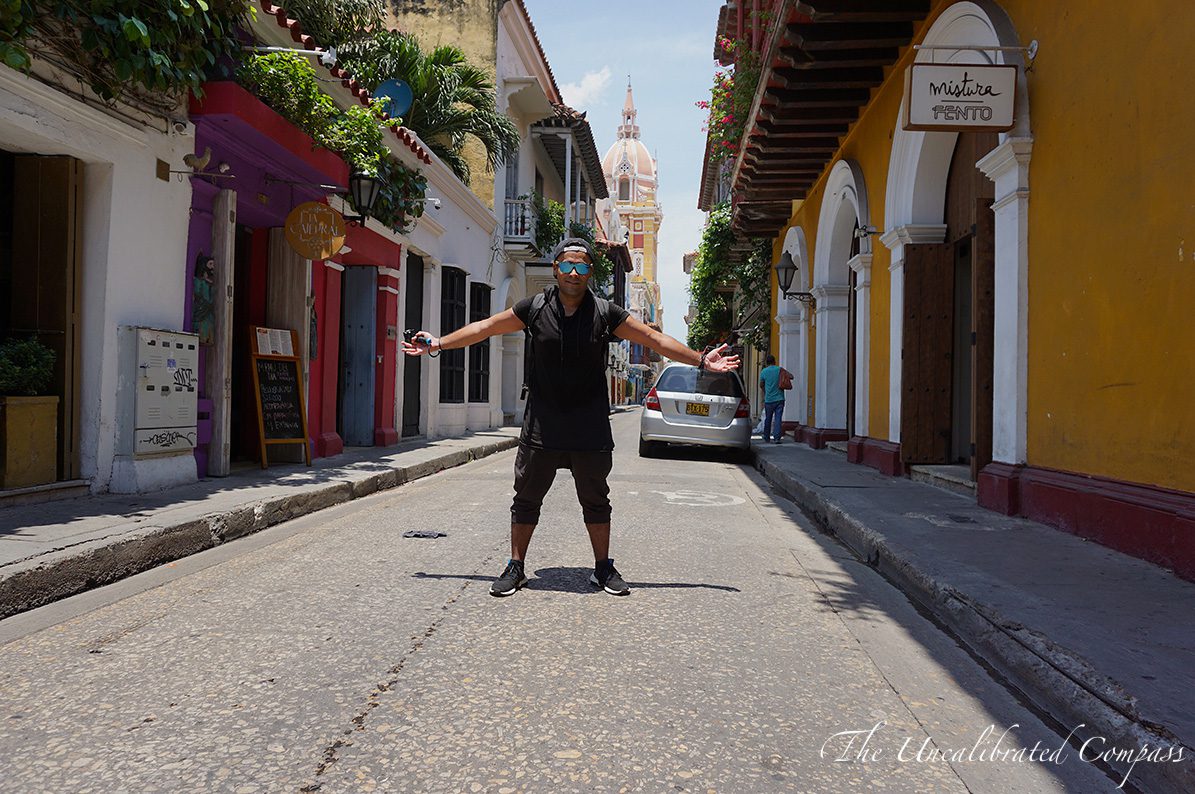
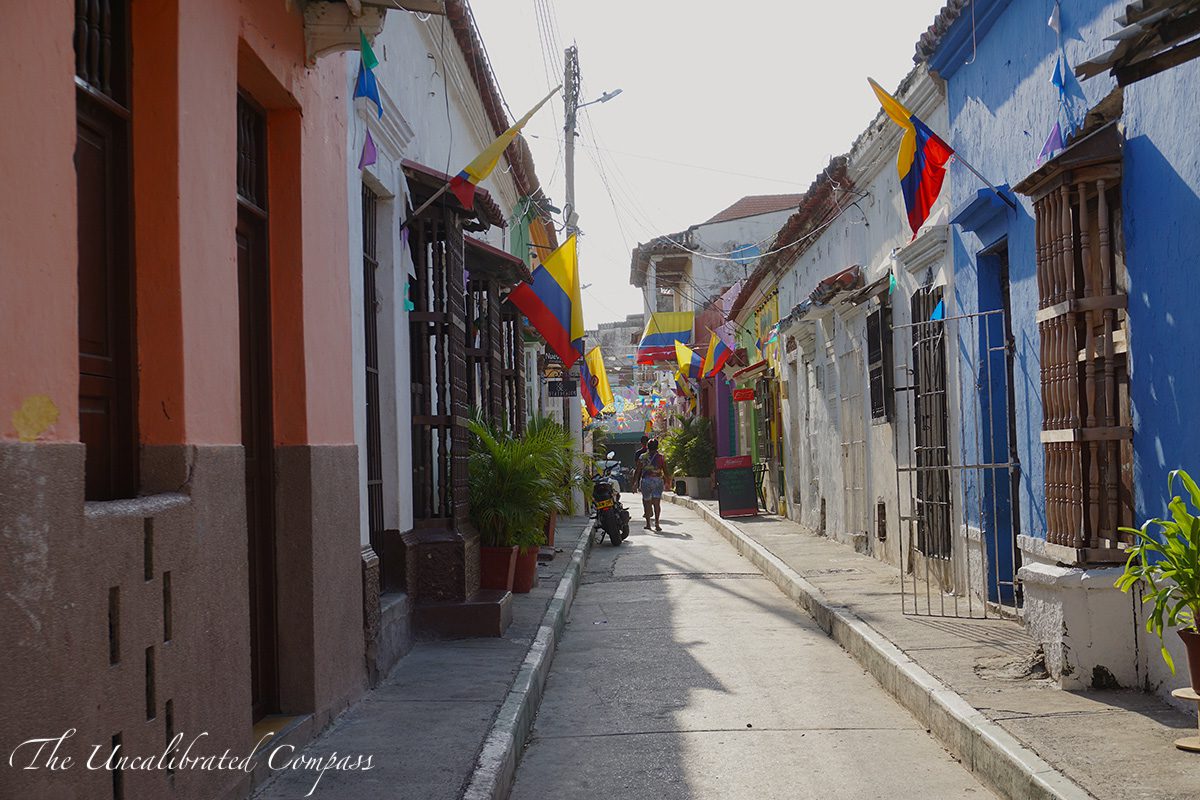
This is where the city feels most elegant. I recommend starting at Calle Cochera del Hobo—it’s a more quiet street, compared to others and it feels like walking into a postcard.
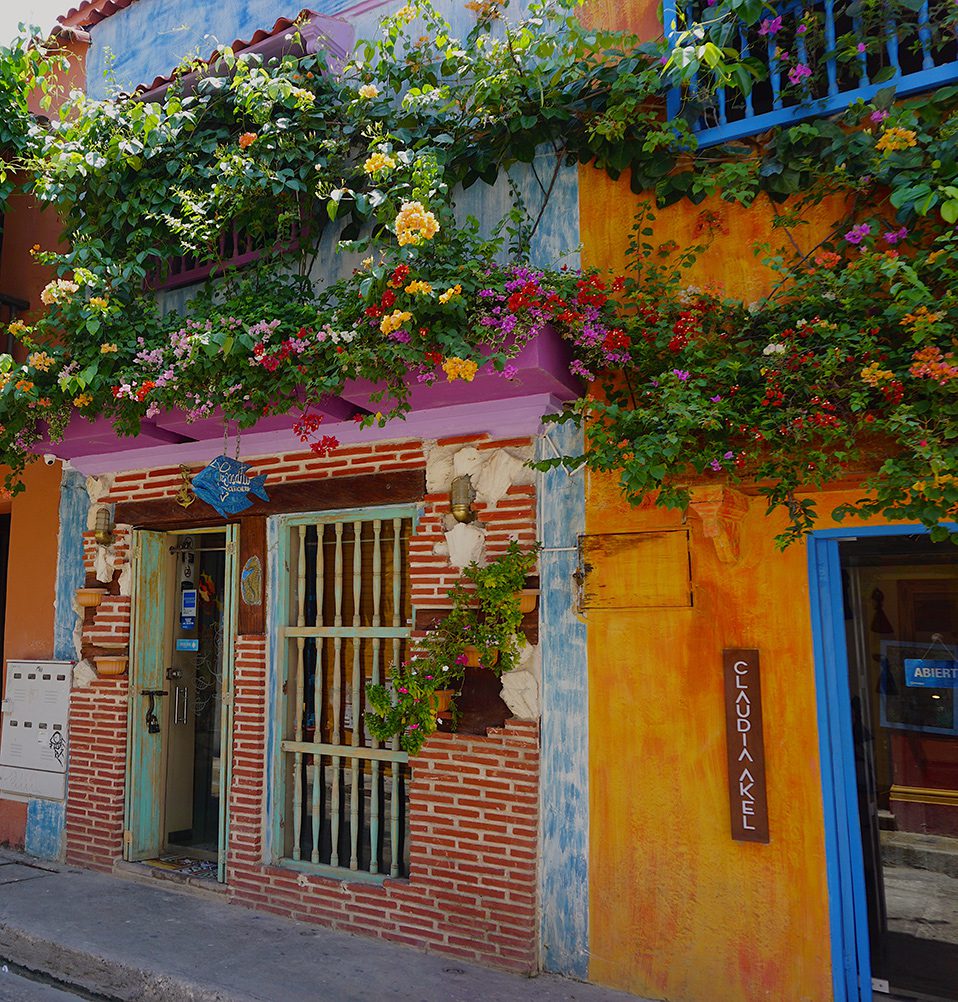
From there, navigate toward these essential cultural hubs:
Plaza Fernandez de Madrid
A leafy square that feels more like a local hangout than a tourist trap. Check out the Iglesia de Santo Toribio here; the ceiling is incredible.
Calle de la Iglesia & The Cathedral
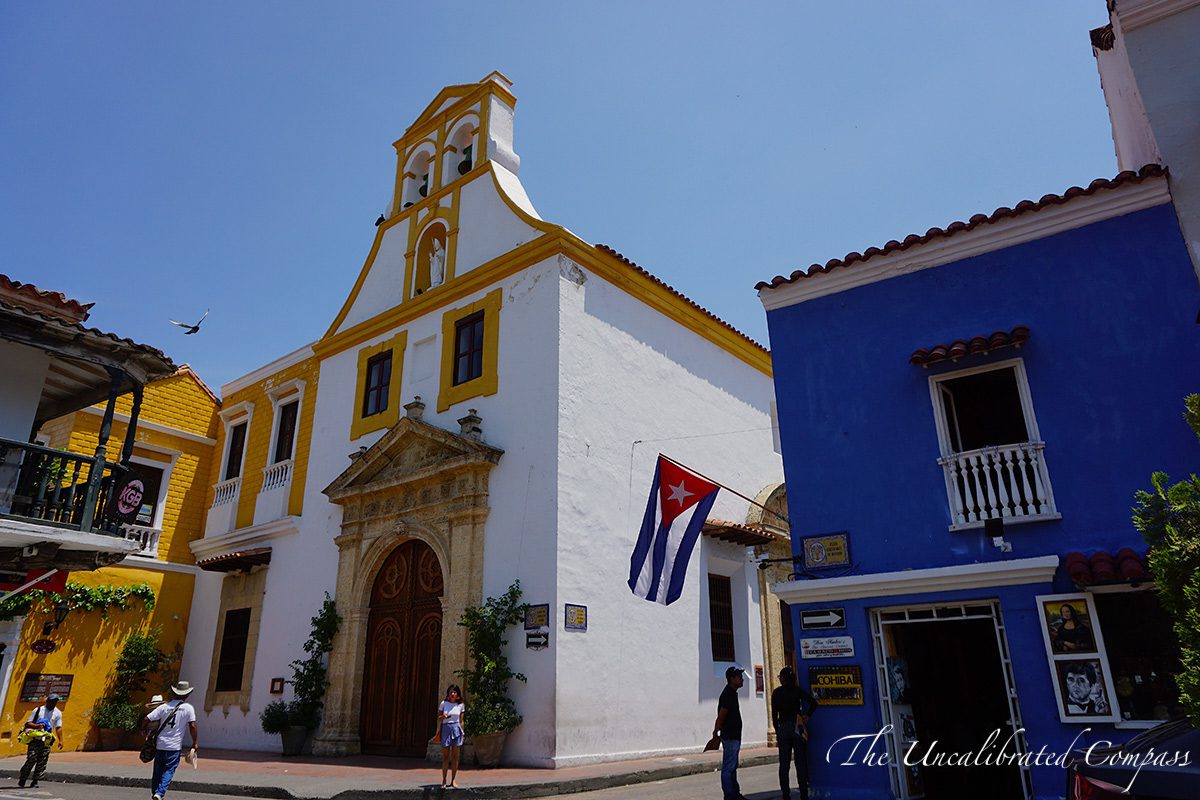
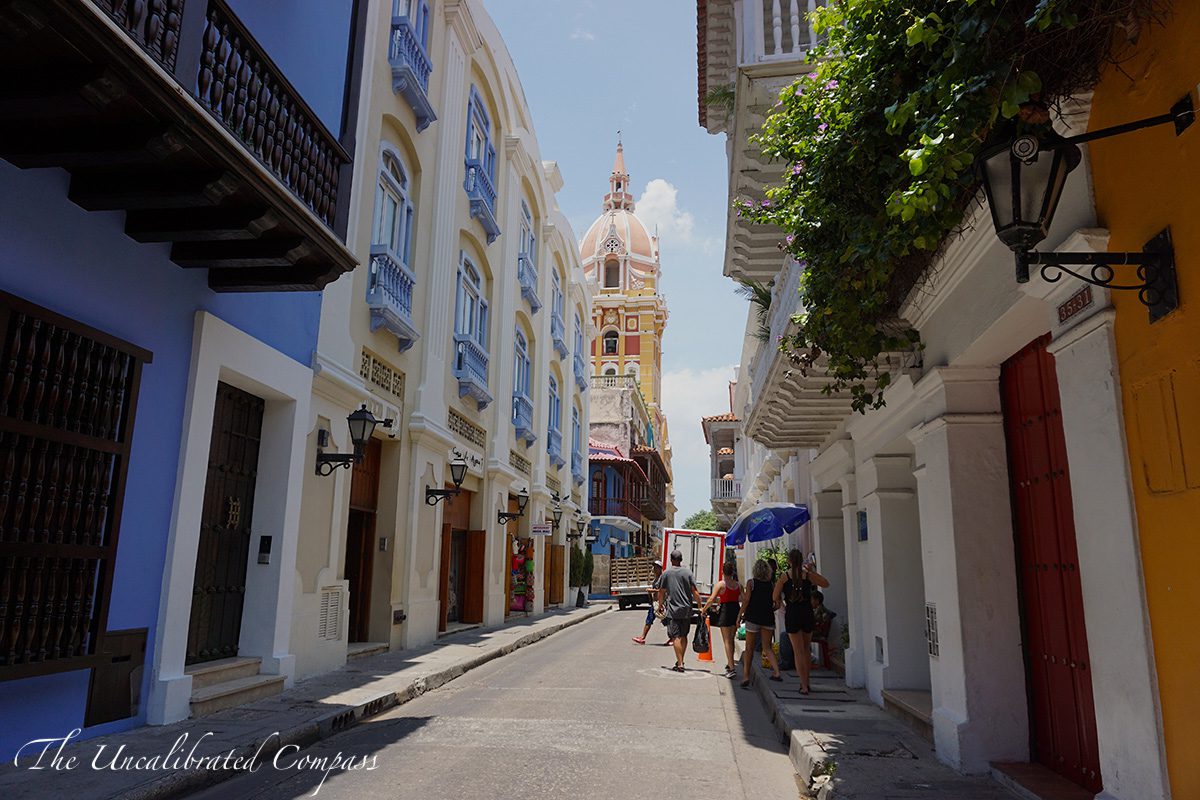
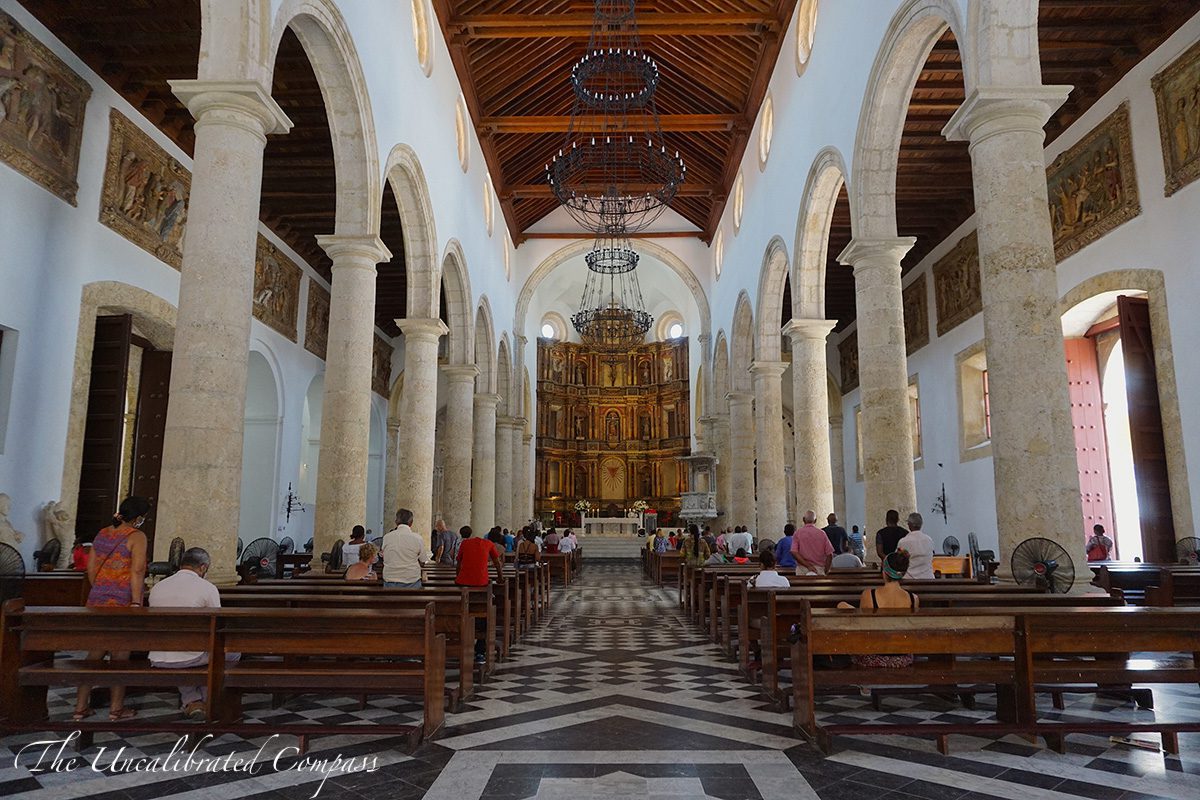
Walk down this street toward the Catedral de Santa Catalina de Alejandria. The view of the pink and yellow bell tower against the blue sky is iconic. This is my favorite street in all of Cartagena due to the colorful street and the beautiful cathedral. Make sure to go inside!
Plaza Bolivar
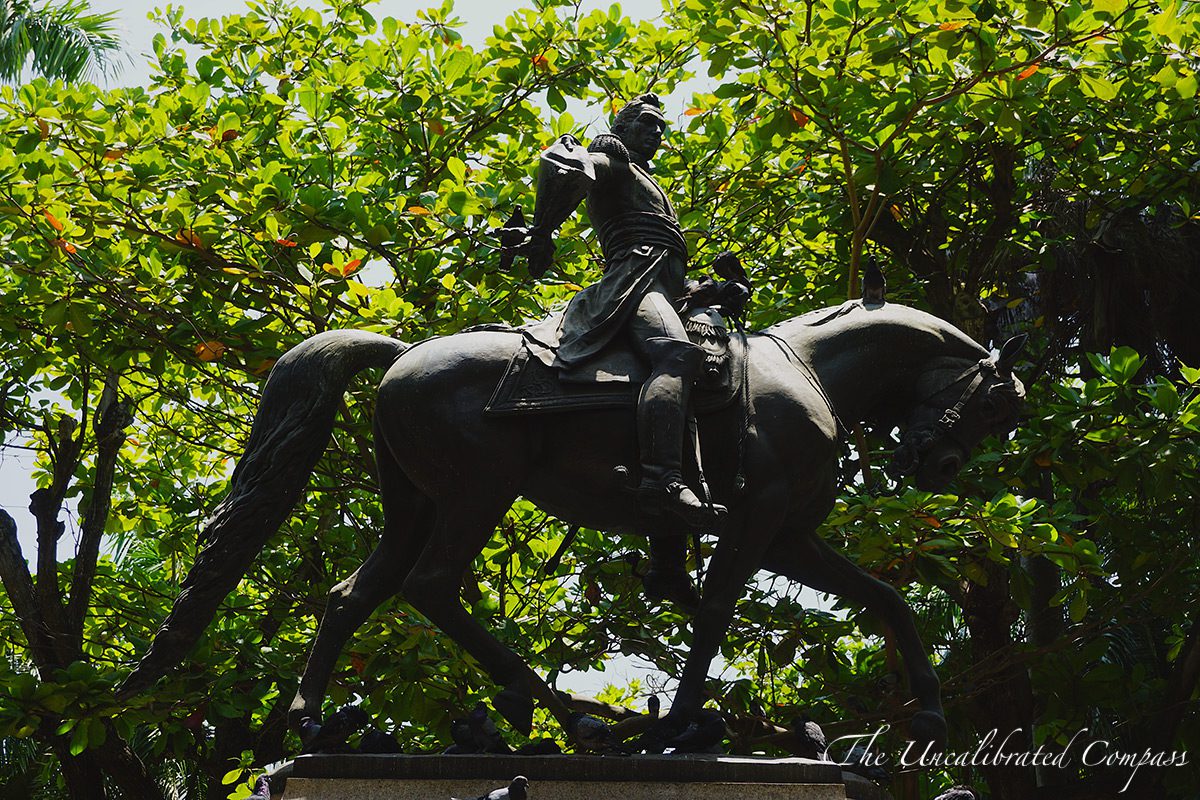
Plaza Bolívar is a peaceful sanctuary heavily shaded by massive native trees, featuring a prominent equestrian statue of Simón Bolívar at its center.
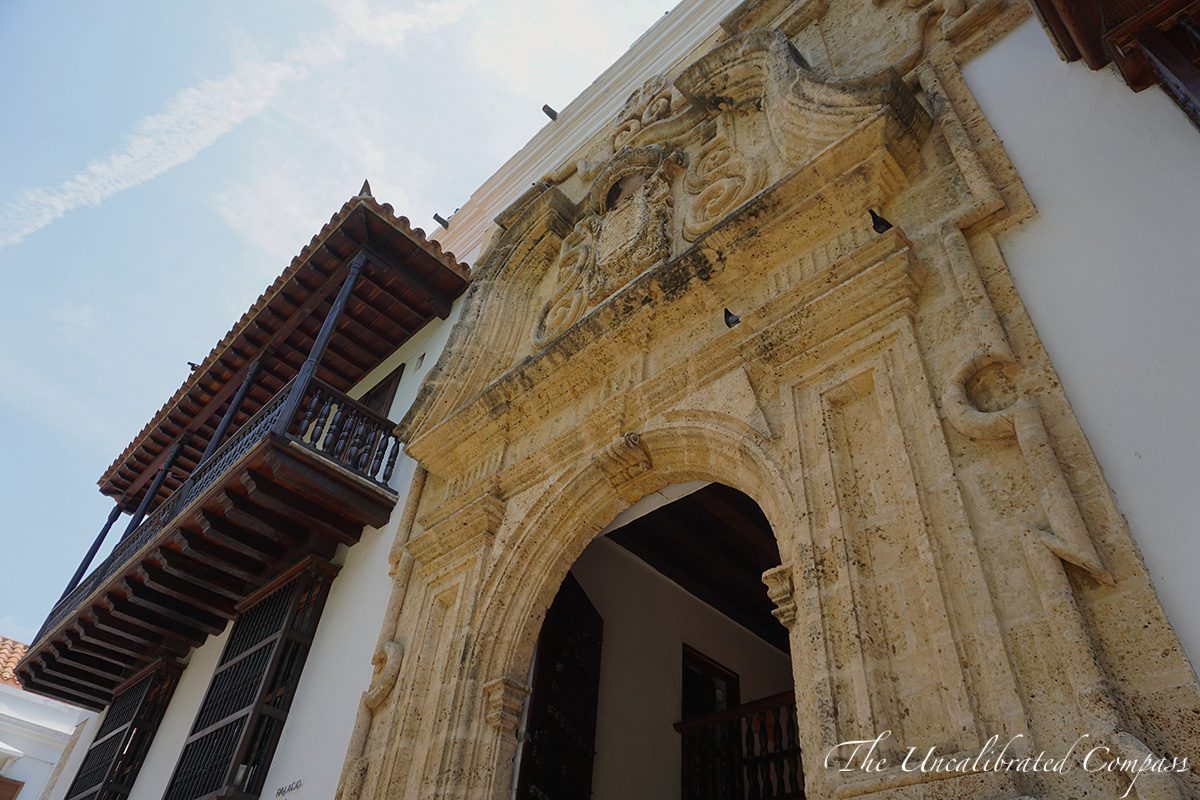
The square is bordered by the Historical Museum of Cartagena de Indias. Established in 1984, the museum is housed inside the beautifully restored 18th-century colonial mansion known as the Palace of the Inquisition (Palacio de la Inquisición), which is a reminder of a dark part of history. a reminder of the city’s colonial past – you can go inside to learn about the history.
Plaza de la Aduana & Calle del Candilejo
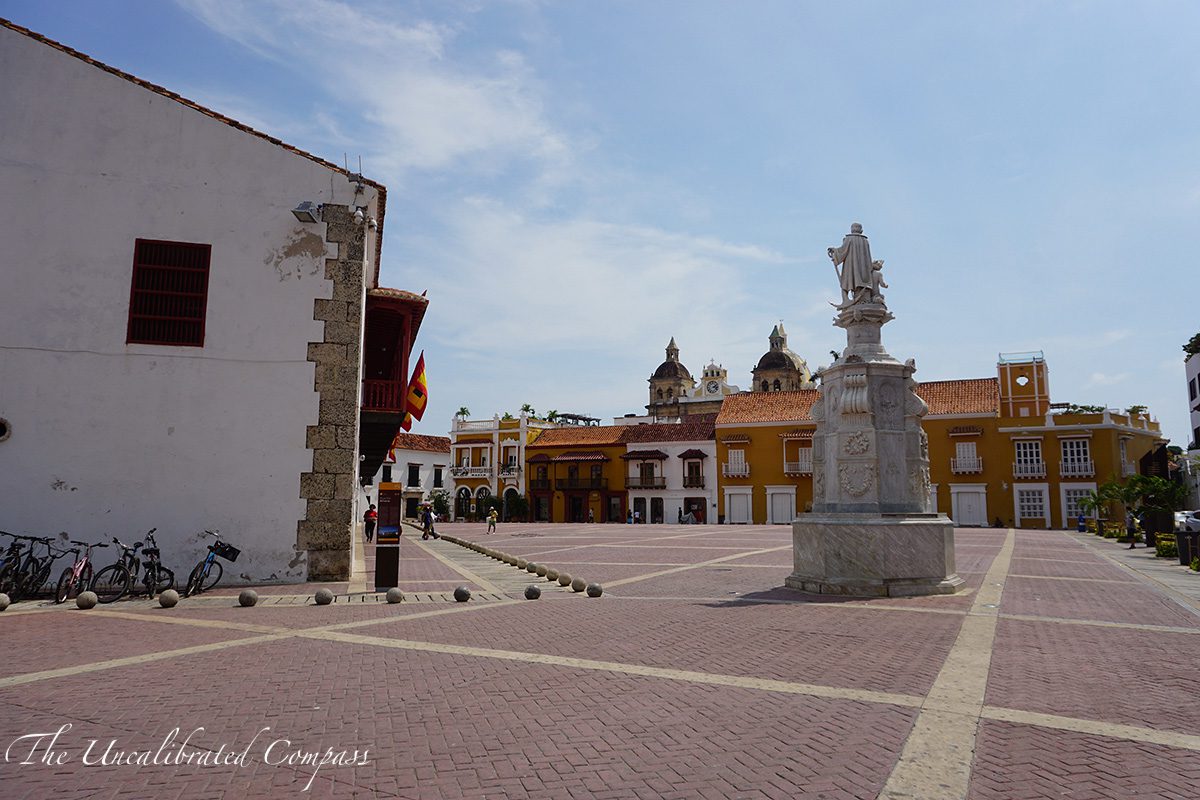
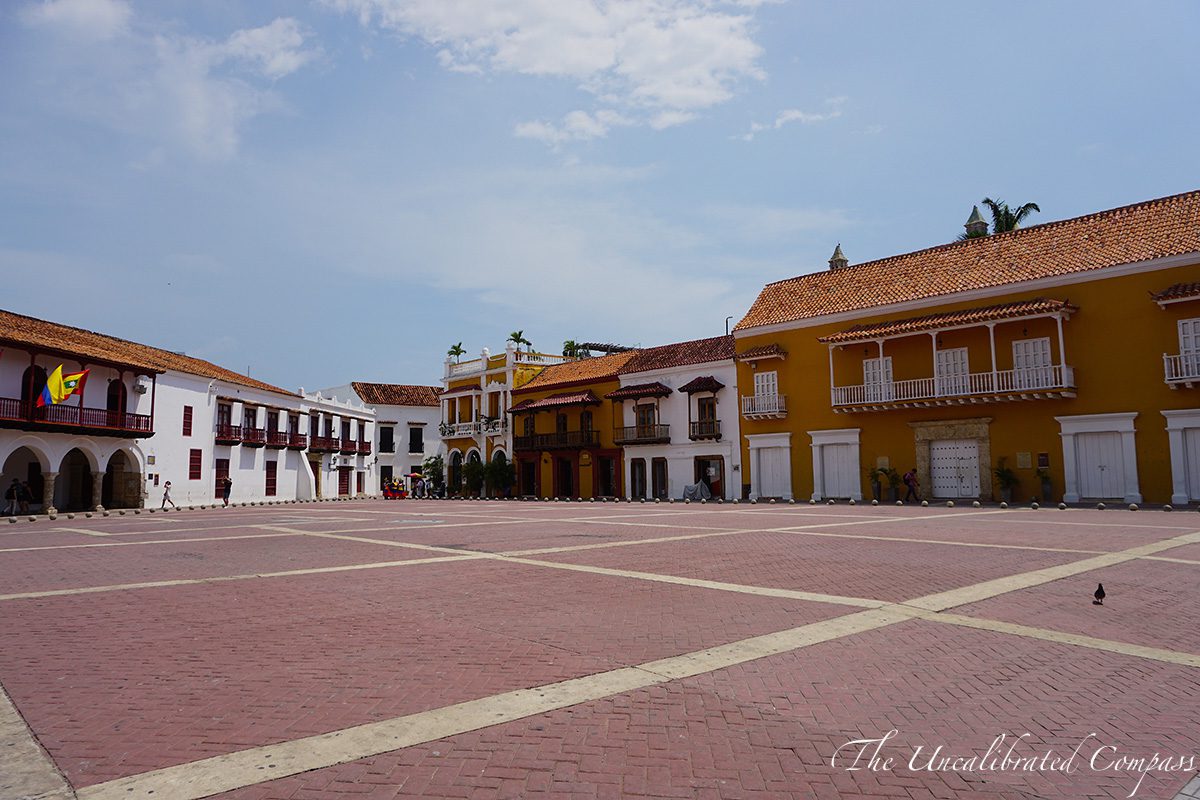
Plaza de la Aduana is the oldest and largest square in the city, historically utilized as the main governmental tracking hub for colonial trade. Just off the main square sits Calle del Candilejo, a narrow, bustling alleyway flanked by historic archways that captures the old spirit of Cartagena.
🔔 The Landmark Gates and Historic Fortifications
Torre del Reloj & Plaza de los Coches
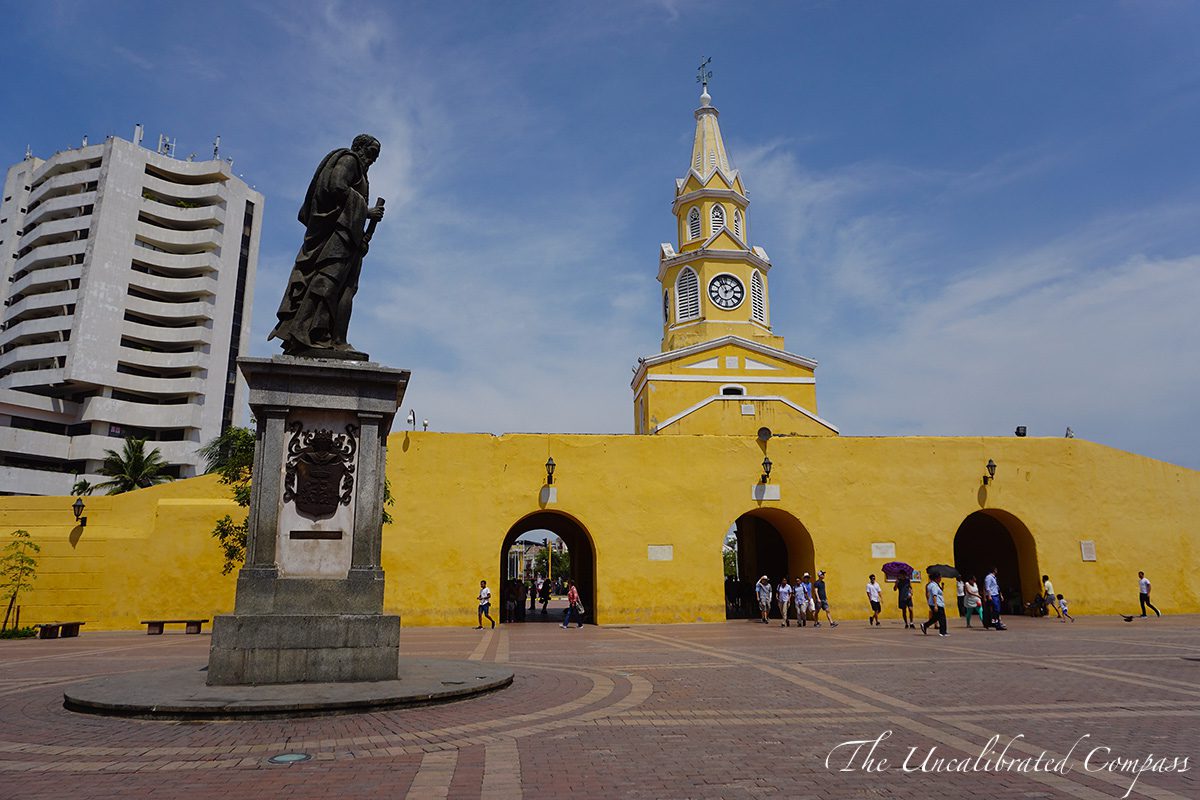
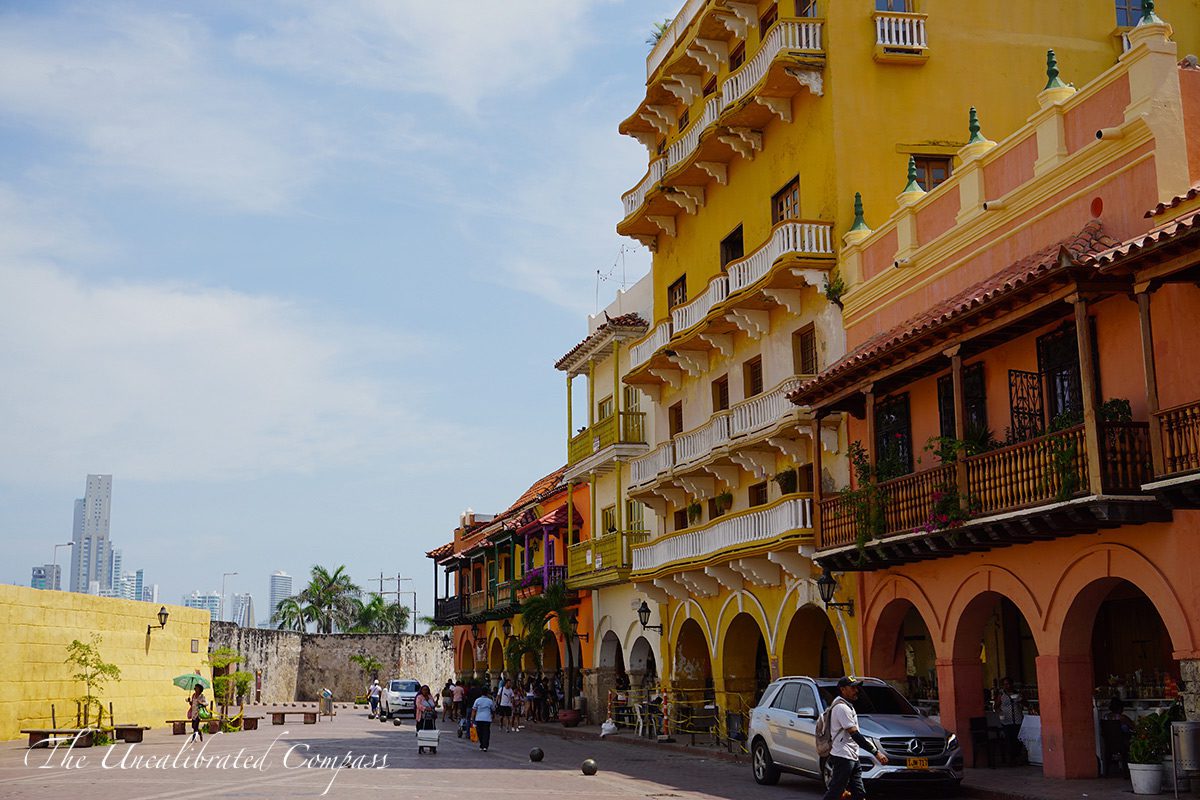
To view the grand entrance of the old city, head to the Monumento Torre del Reloj (the striking yellow Clock Tower gate). Just inside the arches lies the Plaza de los Coches, a historic arcaded square that once served as the city’s main colonial market. Step just outside the gate to view the Monumento a los Pegasos overlooking the active harbor.
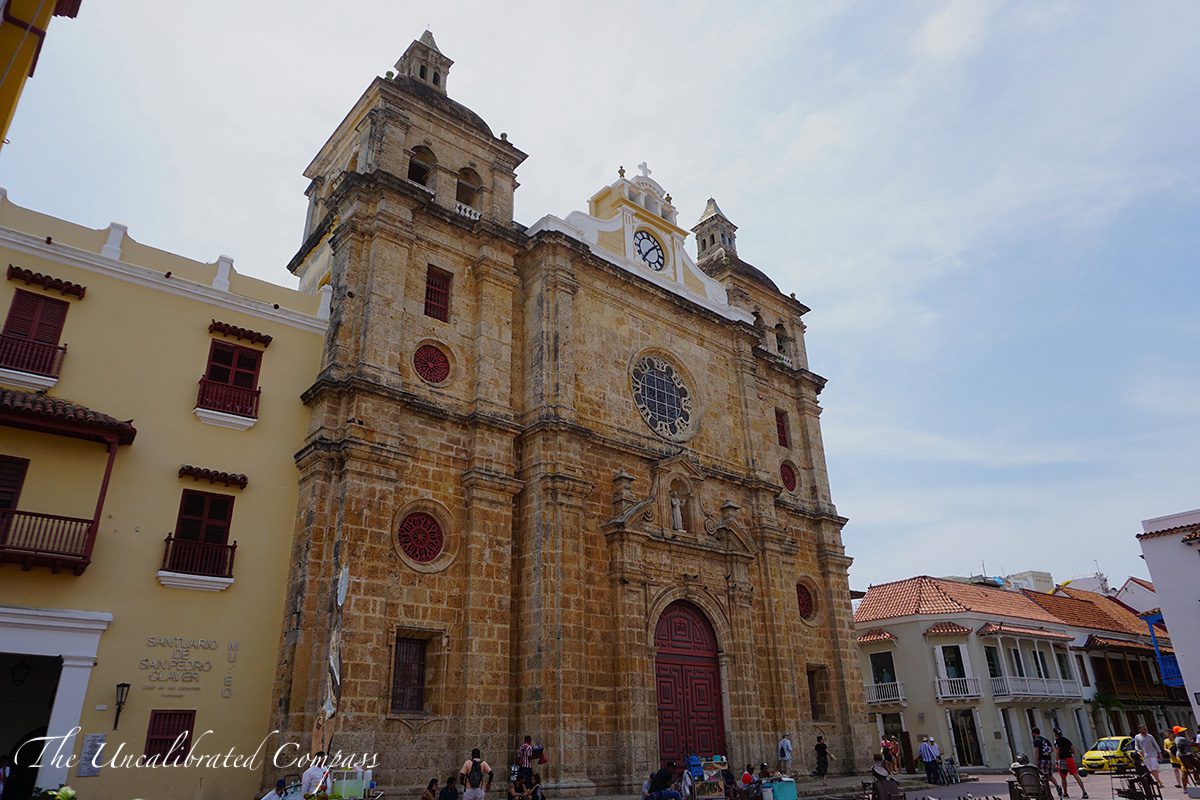
Santuario de San Pedro Claver
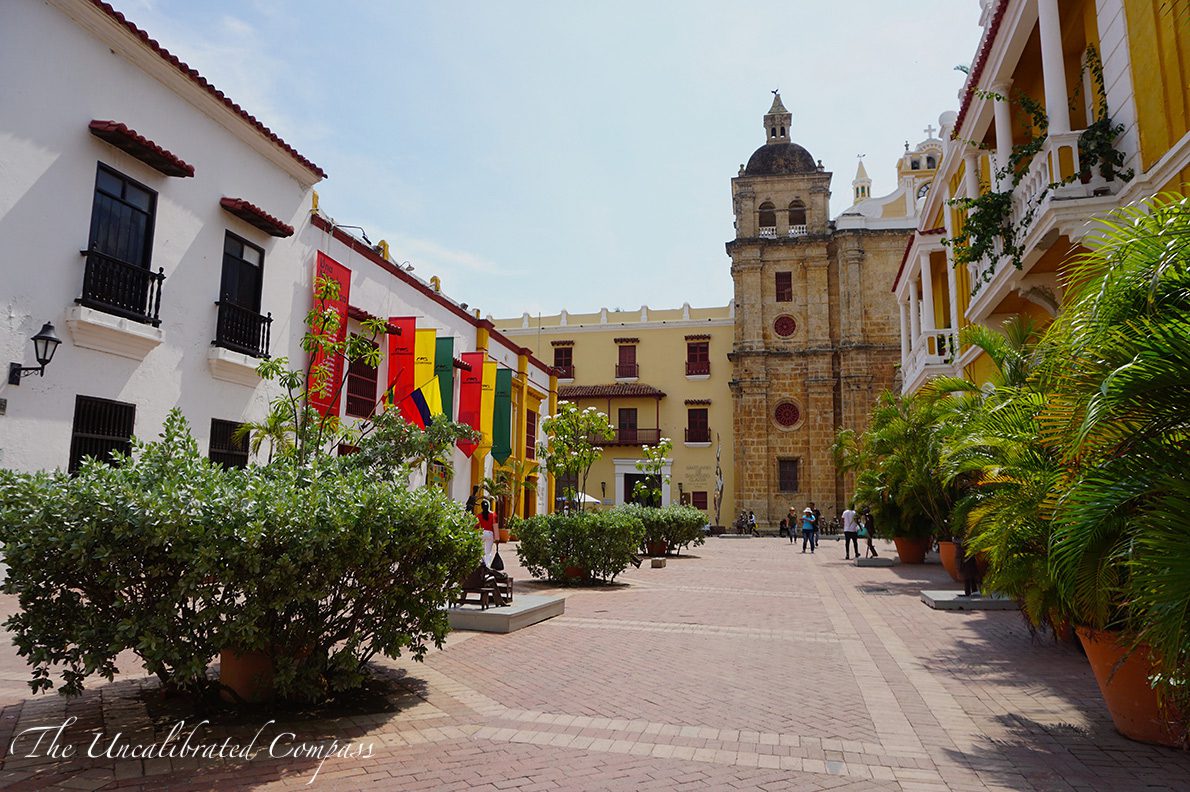
This imposing stone church and its quiet, cloistered courtyard are dedicated to the historic legacy of San Pedro Claver. The austere stone architecture provides a beautiful visual contrast to the brightly painted plaster buildings nearby.
Walking the Walls
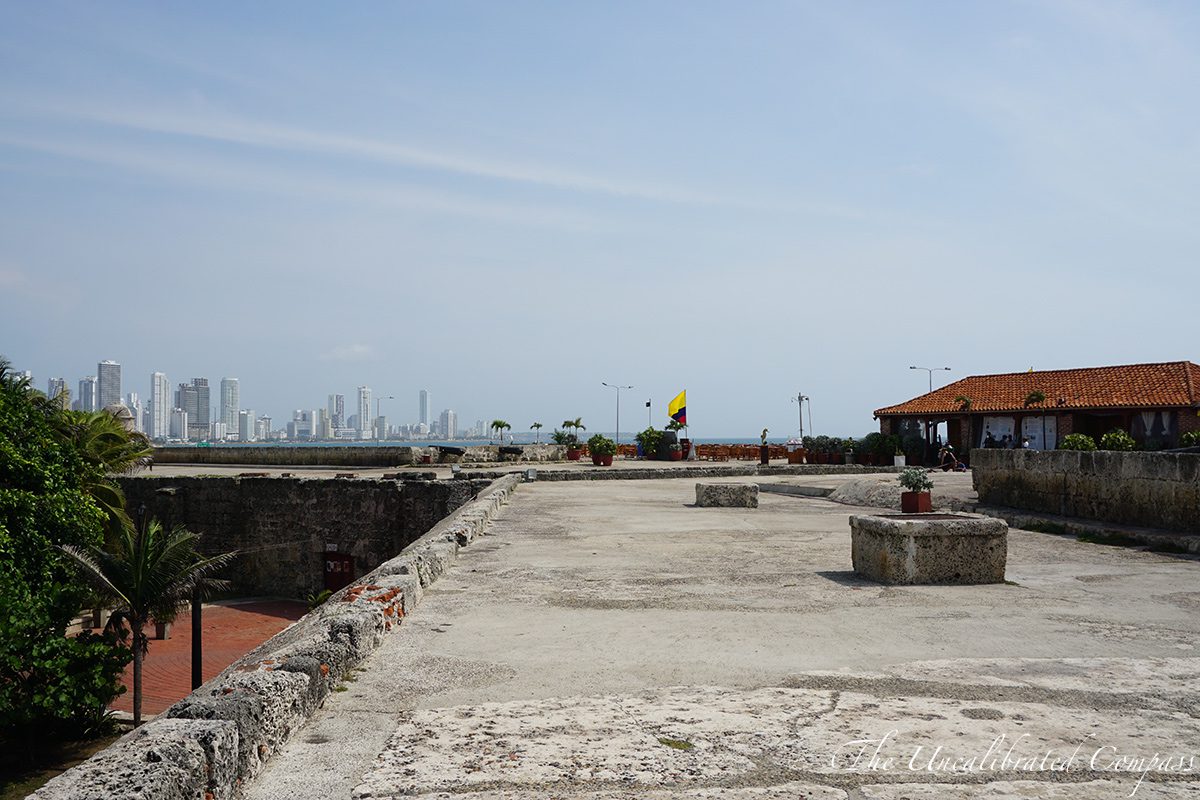
You cannot leave the city without walking the top of the ancient stone ramparts at dusk. This long, continuous elevated stone pathway overlooks the Caribbean Sea, offering ocean breezes and the absolute best perspective on the city’s defensive history.
🎨 Getsemaní: The Vibrant, Artistic Heart
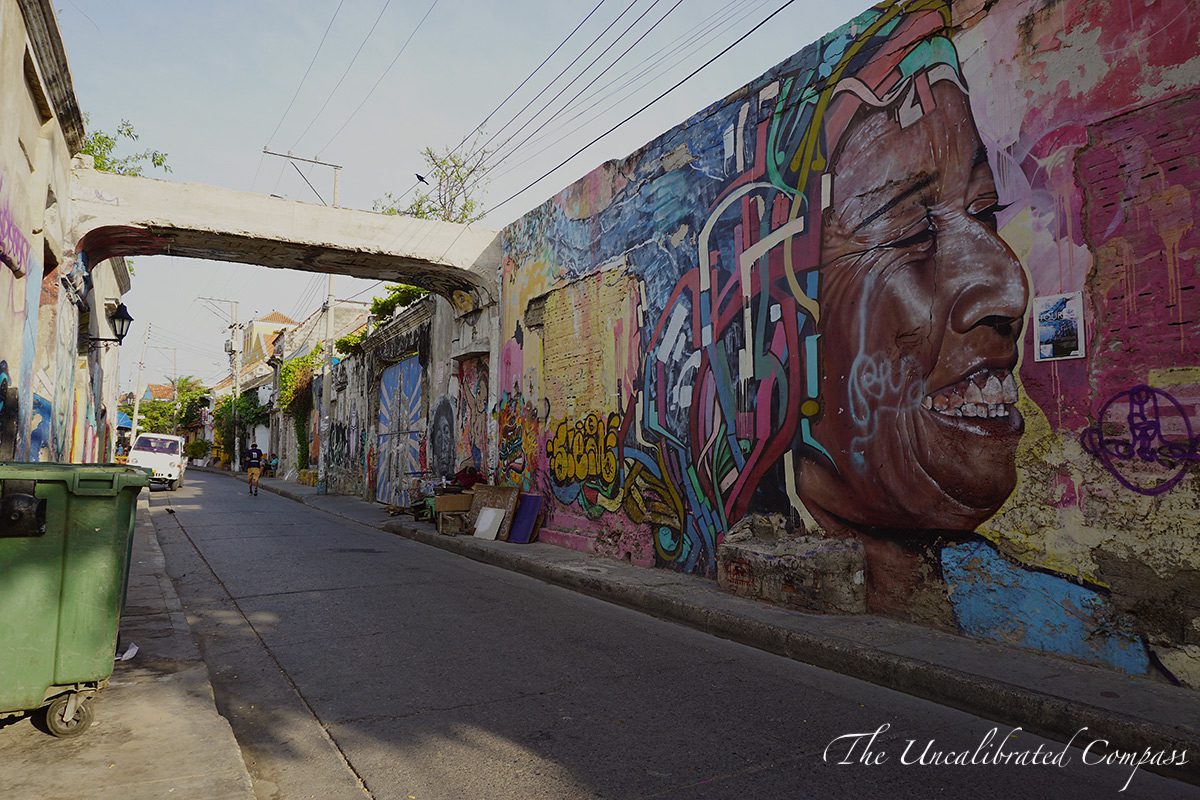
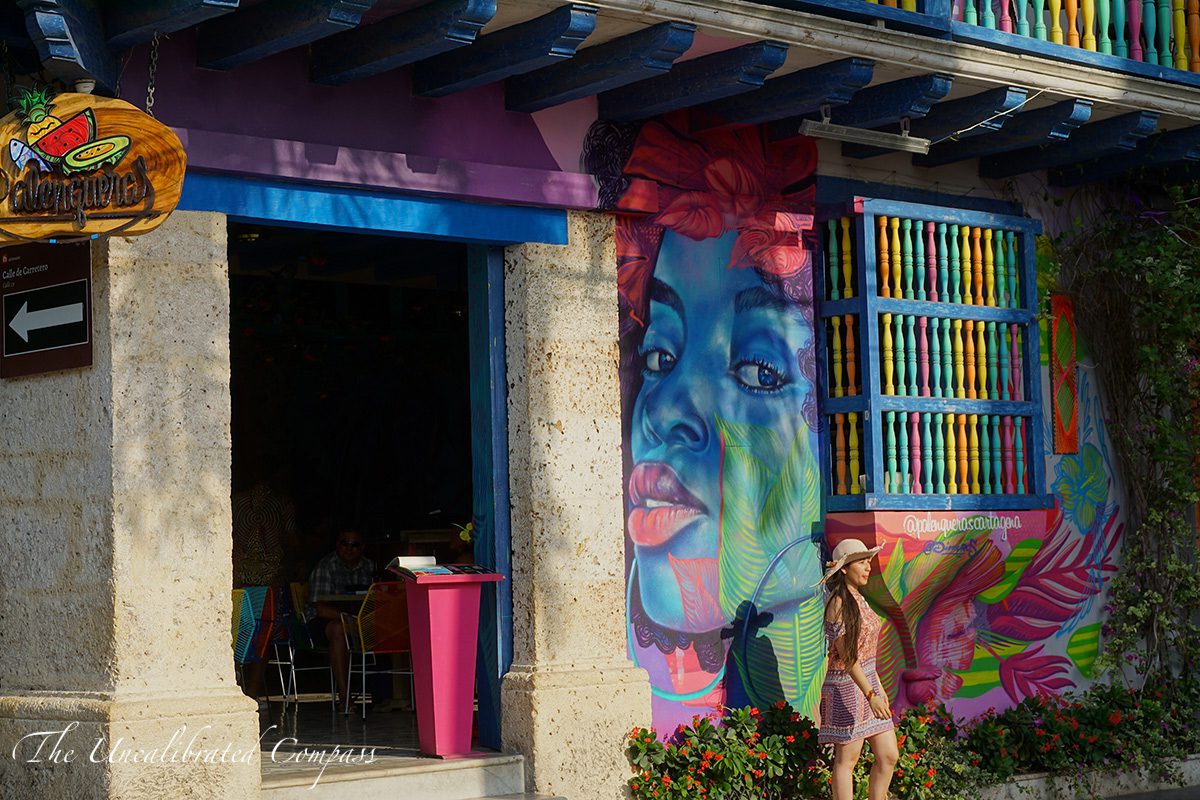
Located just a short five-minute walk through the park from the Clock Tower gate lies Getsemaní. This neighborhood offers a more raw, authentic, and highly artistic atmosphere compared to the polished architecture of the Walled City.
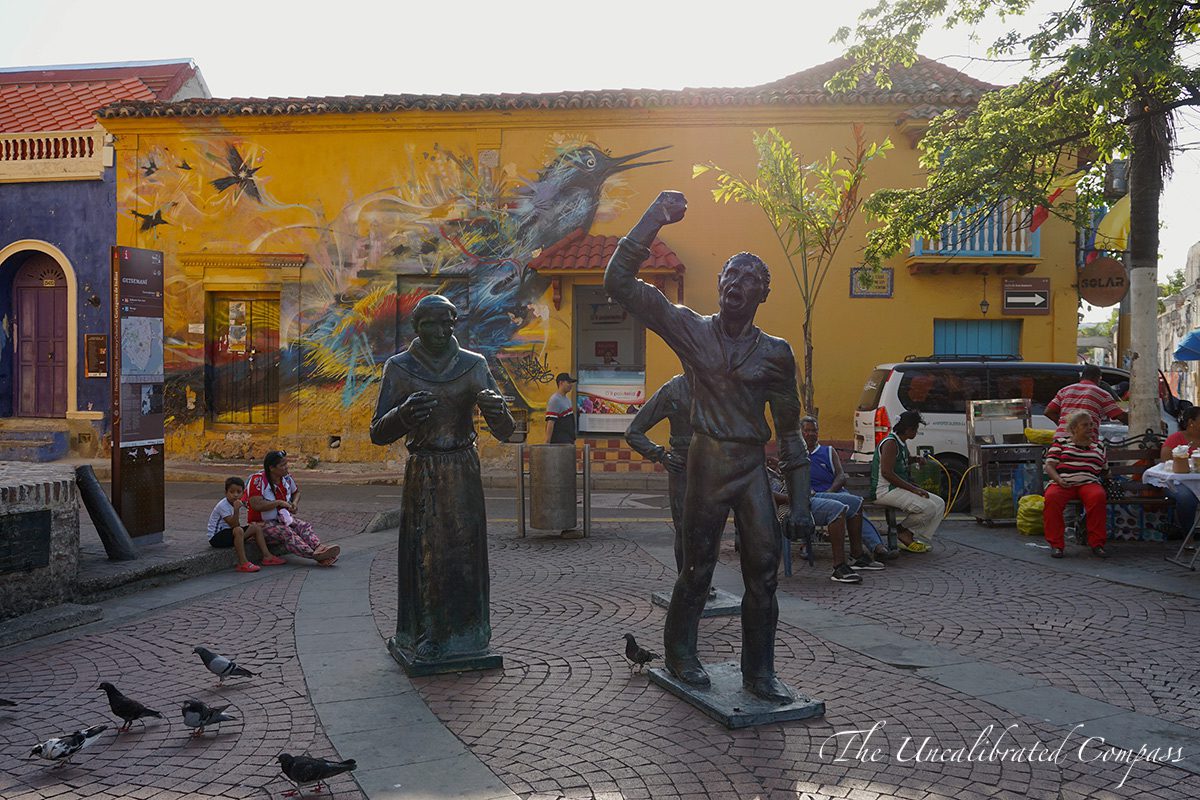
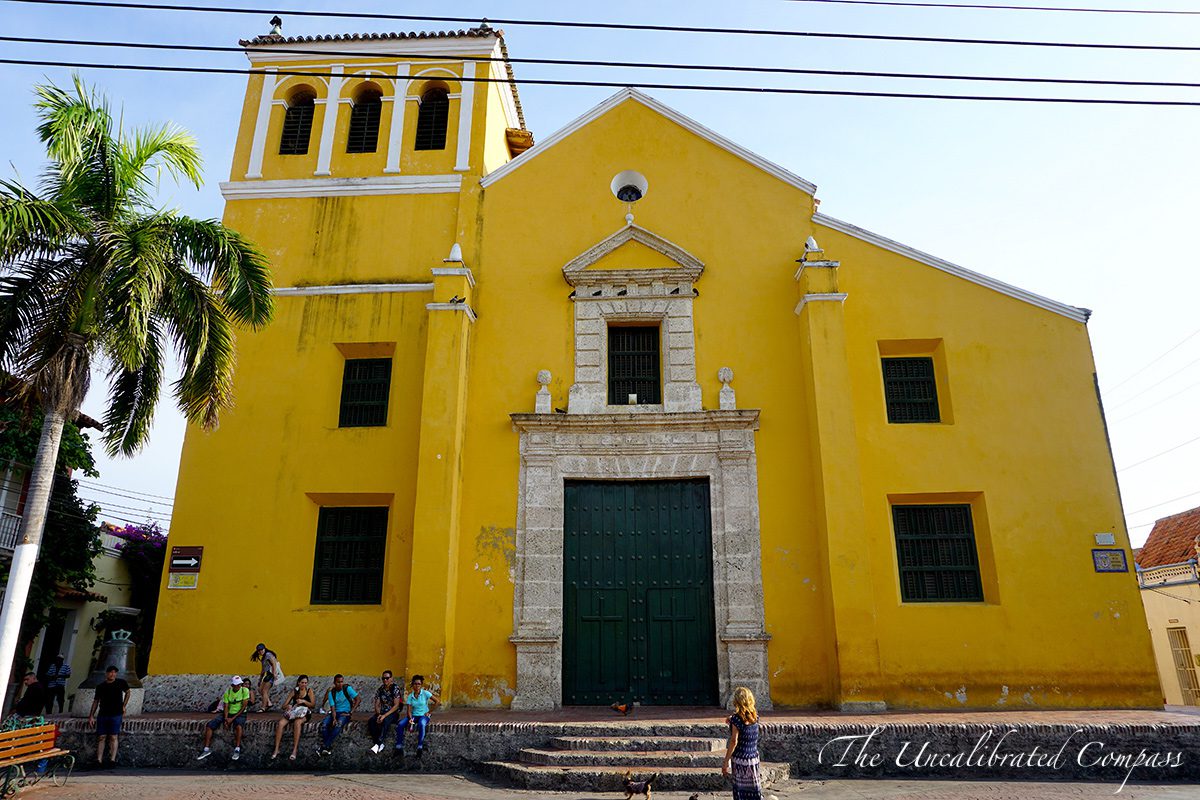
Plaza de la Trinidad: This community square is the beating heart of Getsemaní. Every evening, locals and travelers gather here to eat street food, watch performance artists, and experience local nightlife.
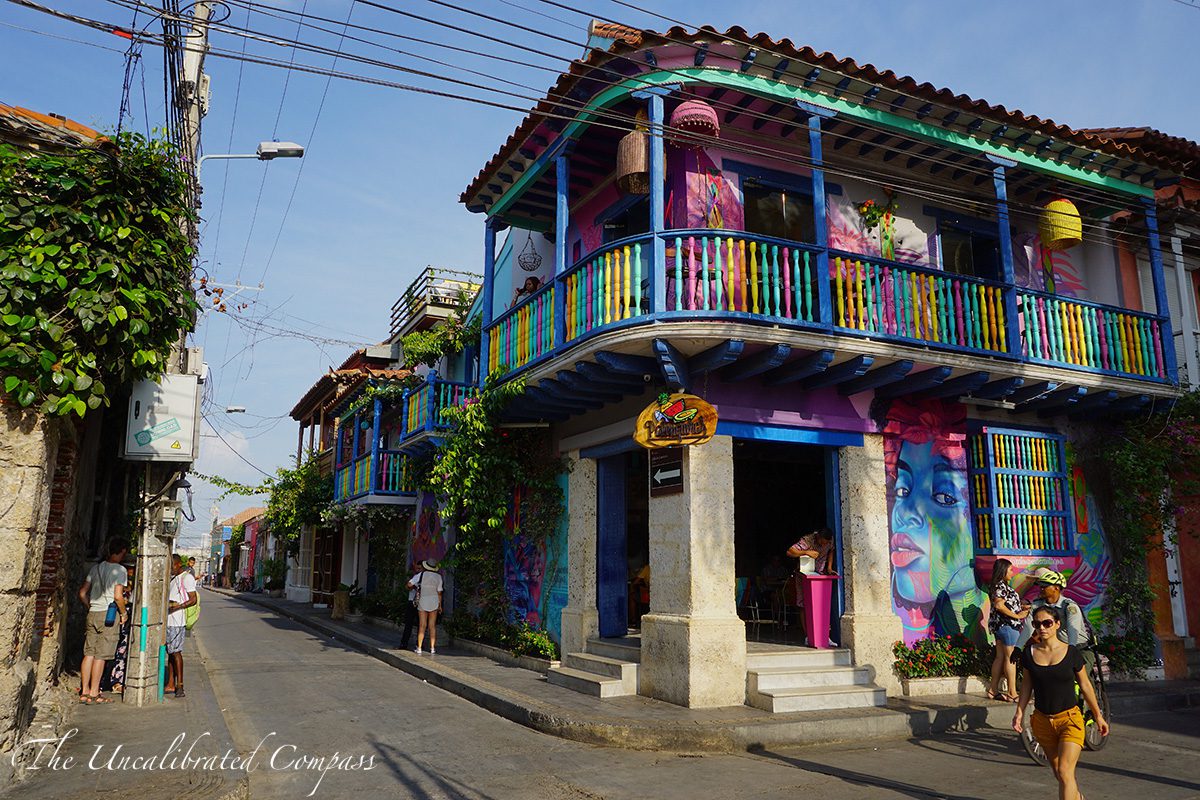
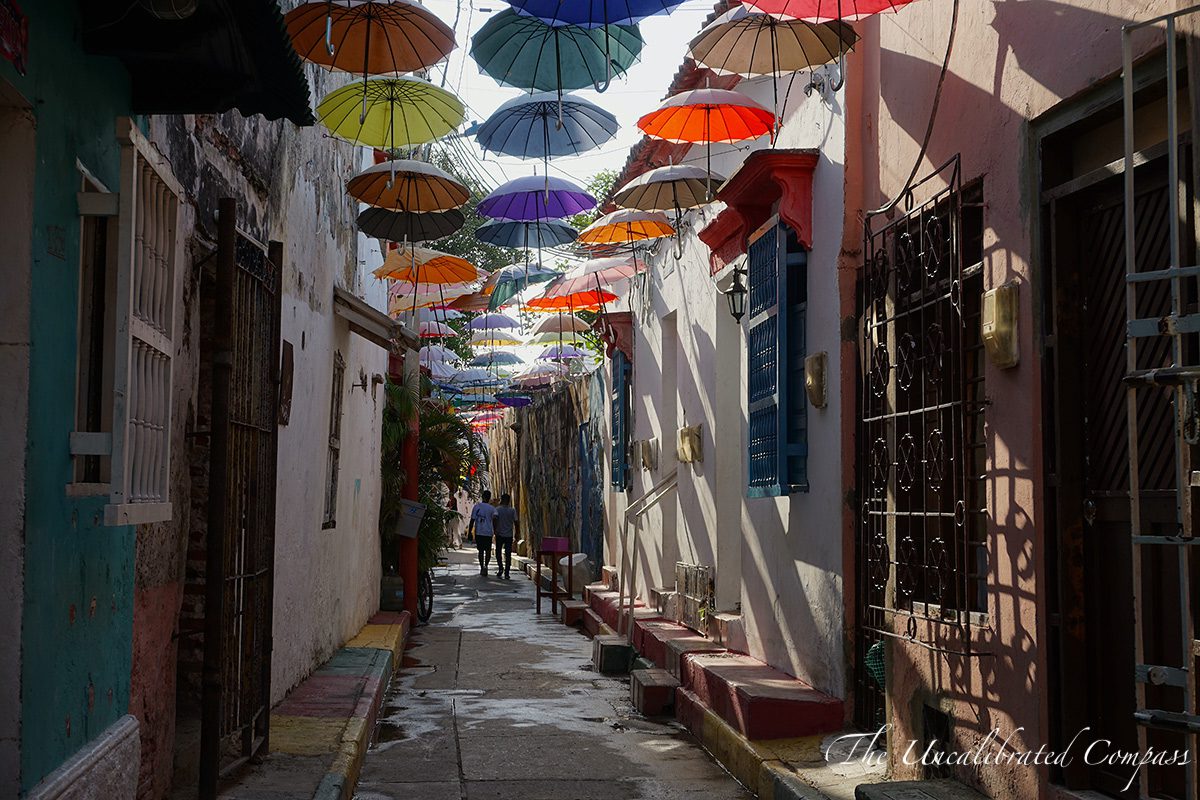
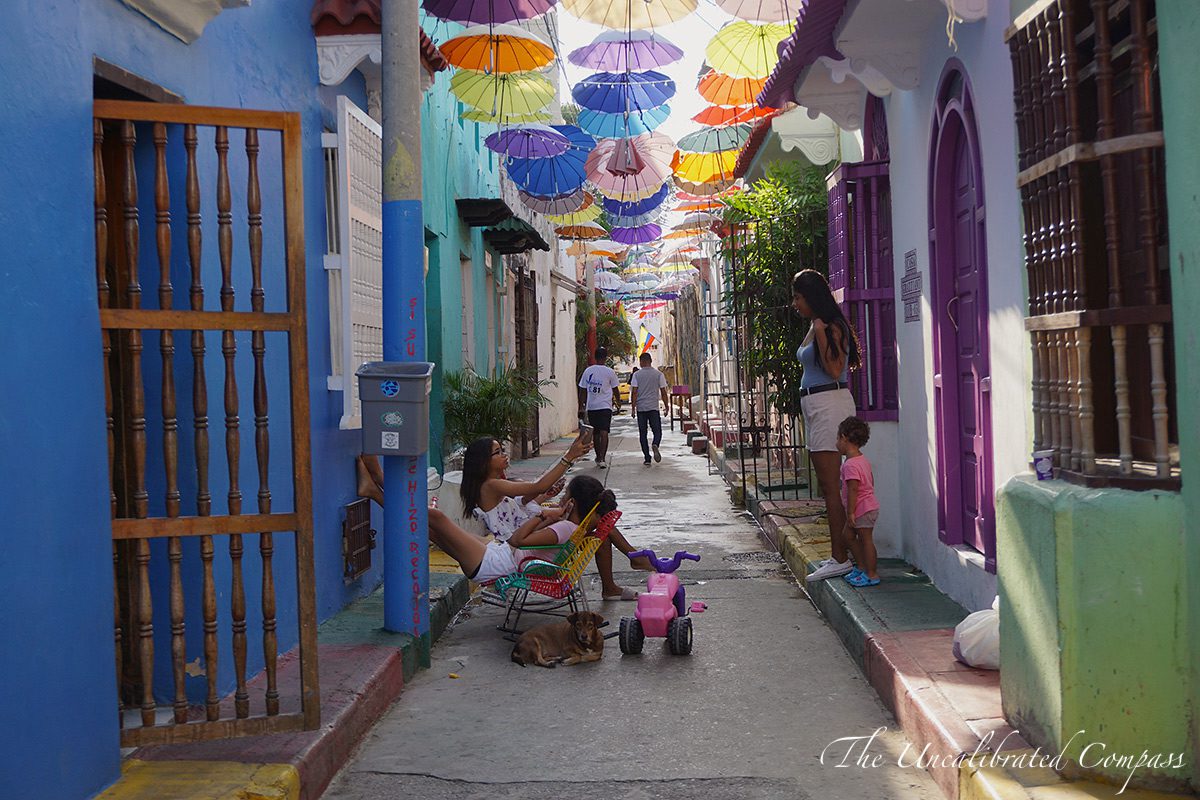
Calle de las Sombrillas (Umbrella Street): A bright, narrow pedestrian alleyway shaded by rows of hanging colorful umbrellas. It serves as an exceptional backdrop for creative travel photography.
🏖️ The Coastal Escape: Playa Blanca on Isla Barú
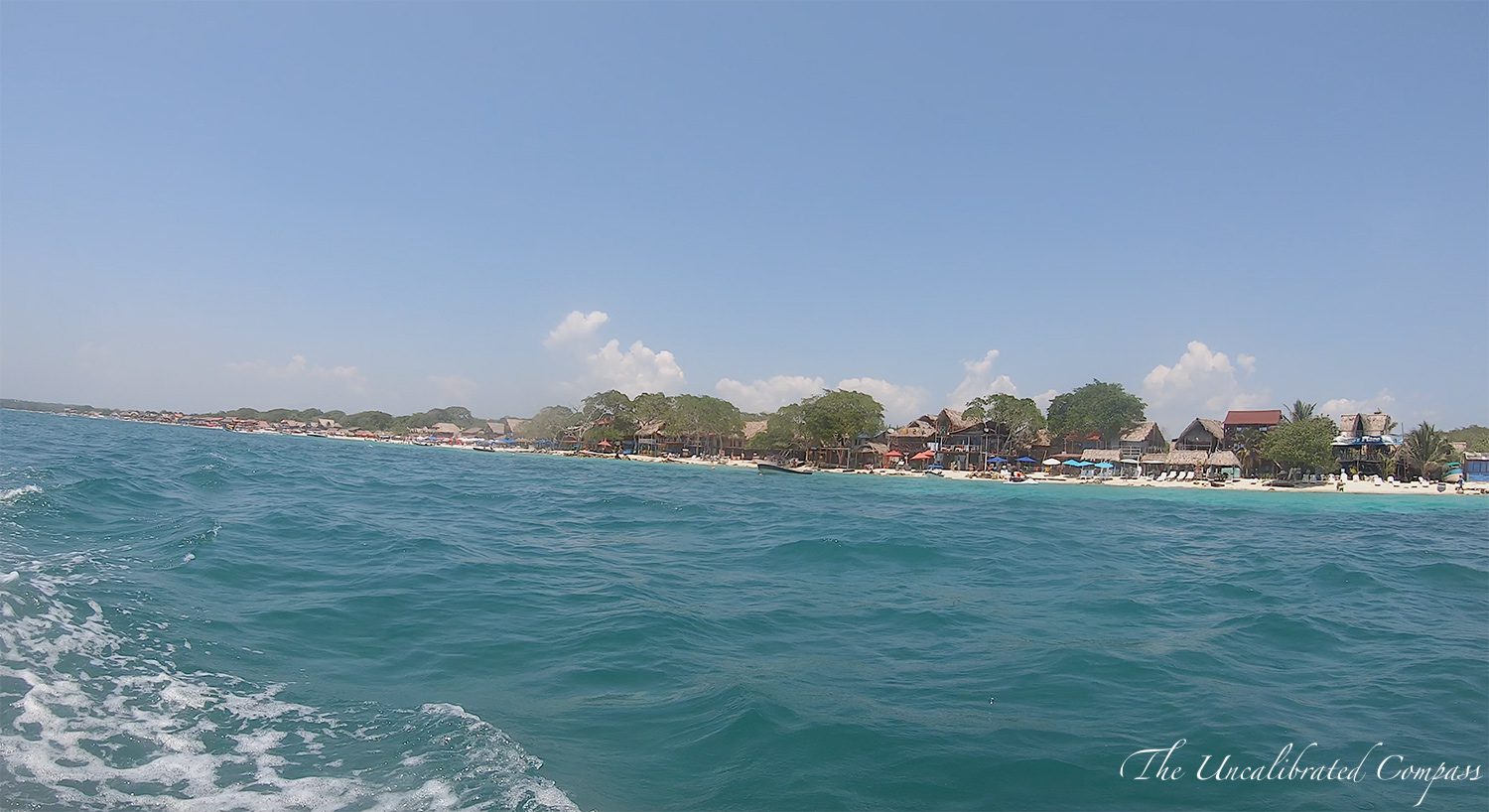
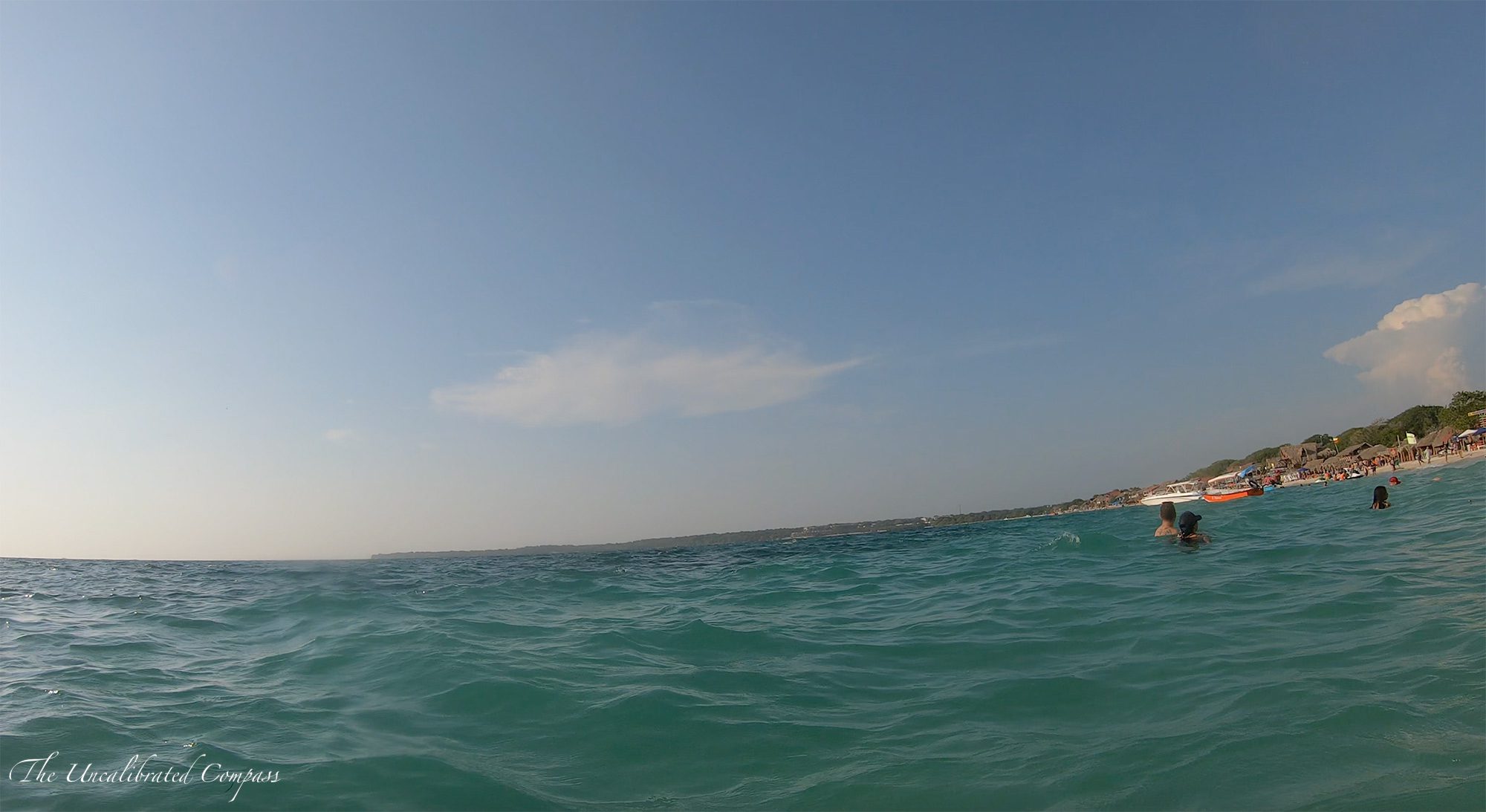
If you want to experience classic white sands and turquoise Caribbean waters, Playa Blanca on Isla Barú is the premier regional beach escape.
Logistics: You can book a speed boat departure directly from the main city pier (Muelle de la Bodeguita), or hire a private vehicle/shuttle bus for a 45 to 60-minute drive down the peninsula.
Our Field Advice: Playa Blanca gets heavily crowded with day-trippers and aggressive beach vendors by noon. Arrive by 8:30 AM, hit the sand early, and walk 15 minutes past the primary restaurant clusters to find a completely quiet, peaceful stretch of pristine sand.
🏨 Where to Stay in Cartagena: Neighborhood Breakdown
Deciding where to stay in Cartagena is pretty straightforward once you see how the city is laid out. It basically breaks down into three main areas:
The Old City (Centro & San Diego) // Highly Recommended
This is the historic heart inside the protective stone walls. While boutique hotels and restored colonial mansions here command higher prices, being able to step directly out your front door into the safest, most visually stunning, and culturally rich streets in the country is fully worth the investment.
Getsemaní
The artsy neighborhood just outside the walls. It has rapidly grown in popularity due to its incredible street art murals and vibrant nightlife. It offers a slightly more raw, backpacker-friendly atmosphere and is generally much cheaper than staying inside the fortifications.
Bocagrande
The modern, commercial side of town defined by glass high-rises and international hotel chains. While it closely resembles Miami and is convenient if you want familiar amenities or shopping malls, it lacks the original character, history, and romance of the old city hubs.
🎬 Final Thoughts on the Caribbean Crown
Between the tropical humidity and the high-energy street vendors, Cartagena is an absolute sensory experience. Focusing your itinerary around the historic architecture of the Old City, the tunnels of San Felipe, and the colorful murals of Getsemaní ensures an unforgettable trip.
Are you adding Colombia to your upcoming travel plans? What places are you looking forward to the most in Cartagena?