The ultimate success of any wilderness journey depends heavily on the gear carried on your back. When you step into the backcountry, your clothing isn’t just a wardrobe—it functions as your primary shelter.
In the high-altitude silence of Kyrgyzstan or the thin air of an intense mountain summit, the line between an incredible experience and a dangerous situation often comes down to the performance of the fibers on your back and the boots on your feet.
If you are wondering what to wear hiking in cold weather to stay safe and comfortable across diverse terrains, this comprehensive, field-tested guide breaks down my exact technical layering system from head to toe.
Table of Contents
🥾 The Bedrock Foundation: Salomon X Ultra Mid Series
If there’s one brand that has undisputedly earned its place as the absolute bedrock of my outdoor kit, it’s Salomon. While the fast-moving gear industry constantly pushes flashy trends, Salomon has maintained a strict reputation for building equipment that actually survives the raw friction of the trail.
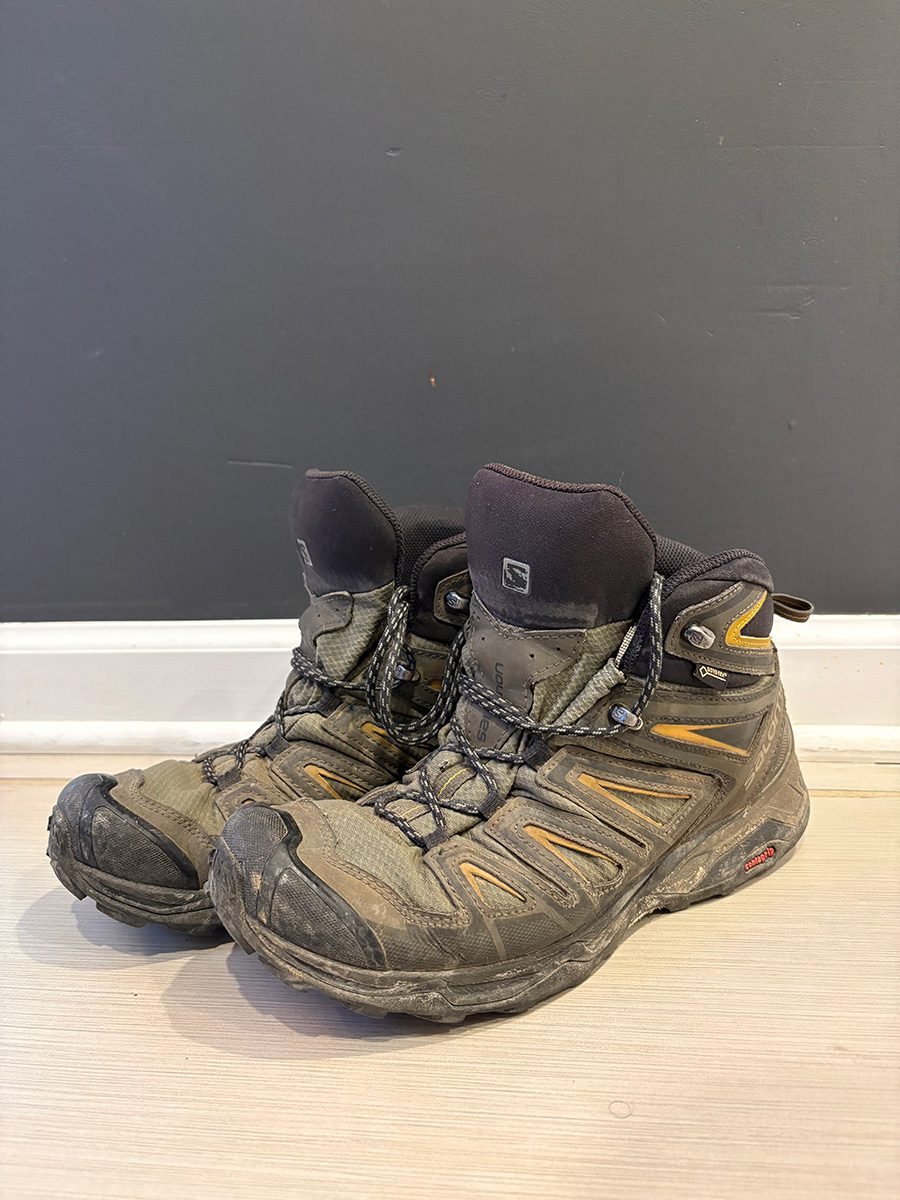
8 Years of Trail Endurance
I have been wearing my legacy Salomon X Ultra 3 Mid GTX boots since I first put them to work back in 2018. While Salomon has updated the line with the newer Salomon X Ultra 4 Mid GTX, the core engineering DNA remains identical: this is a boot line that simply refuses to quit.
These boots stand as a masterclass in structural durability. They have successfully survived the abrasive volcanic grit of Mount Kilimanjaro, the sharp high-altitude scree of the Kyrgyzstan mountains, and the rugged red rock canyons of Southern Utah. They have kept my feet perfectly dry through snow, ice, and torrential rainstorms while tracking through remote Mayan ruins in Belize.
The Hybrid Engineering
What makes the X Ultra series function so beautifully is its perfect structural balance. They offer the robust ankle support and rock-striking protection of a traditional mountain boot, but feature the lightweight agility and flex of a trail running shoe.
The integrated Gore-Tex (GTX) lining holds its waterproof integrity year after year, keeping internal sweat down while preventing outside elements from turning a long trek into a blister disaster. It’s rare to find a boot that feels just as comfortable on a flat desert wash as it does on a grueling 19,000-foot alpine ascent.
👖 The Internal Thermostat: Thermal Base Layers
Wilderness temperatures in mountain ranges are never static. When you are operating in the high country, you can easily experience four distinct seasons in a single afternoon. Because of this volatility, you should never rely solely on a single pair of heavy hiking pants.
The Thermal Long John Strategy
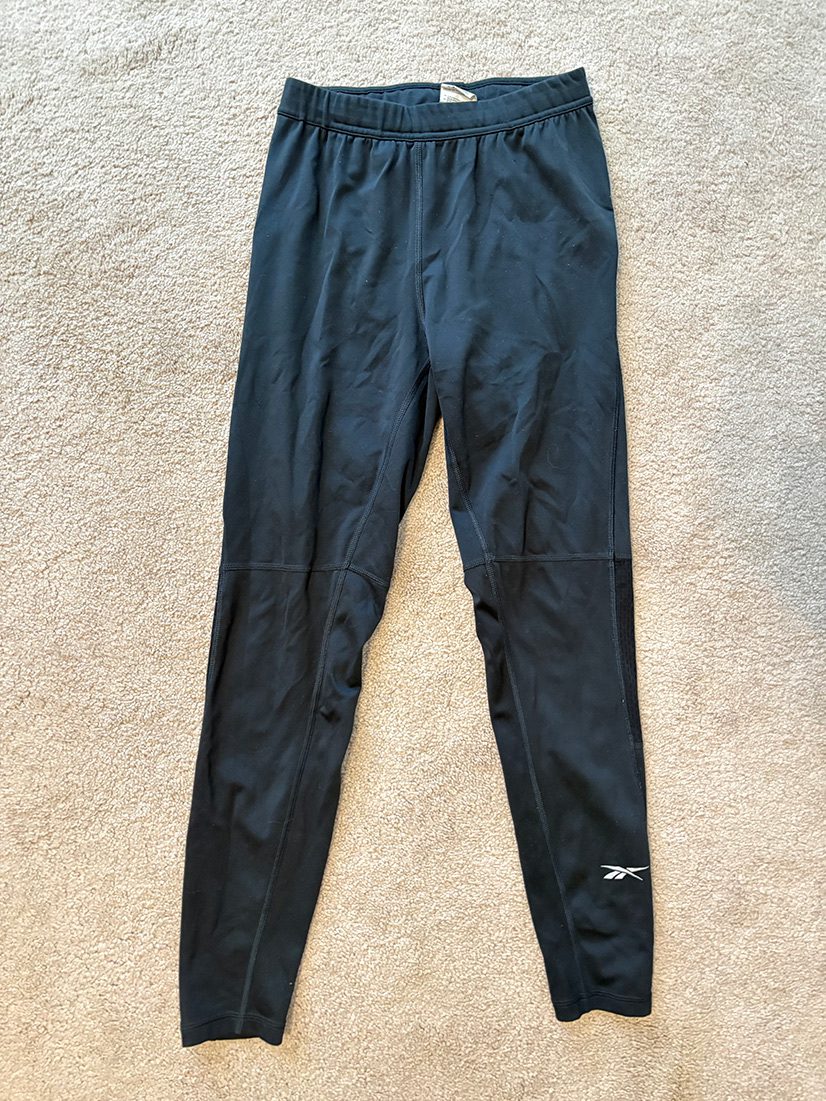
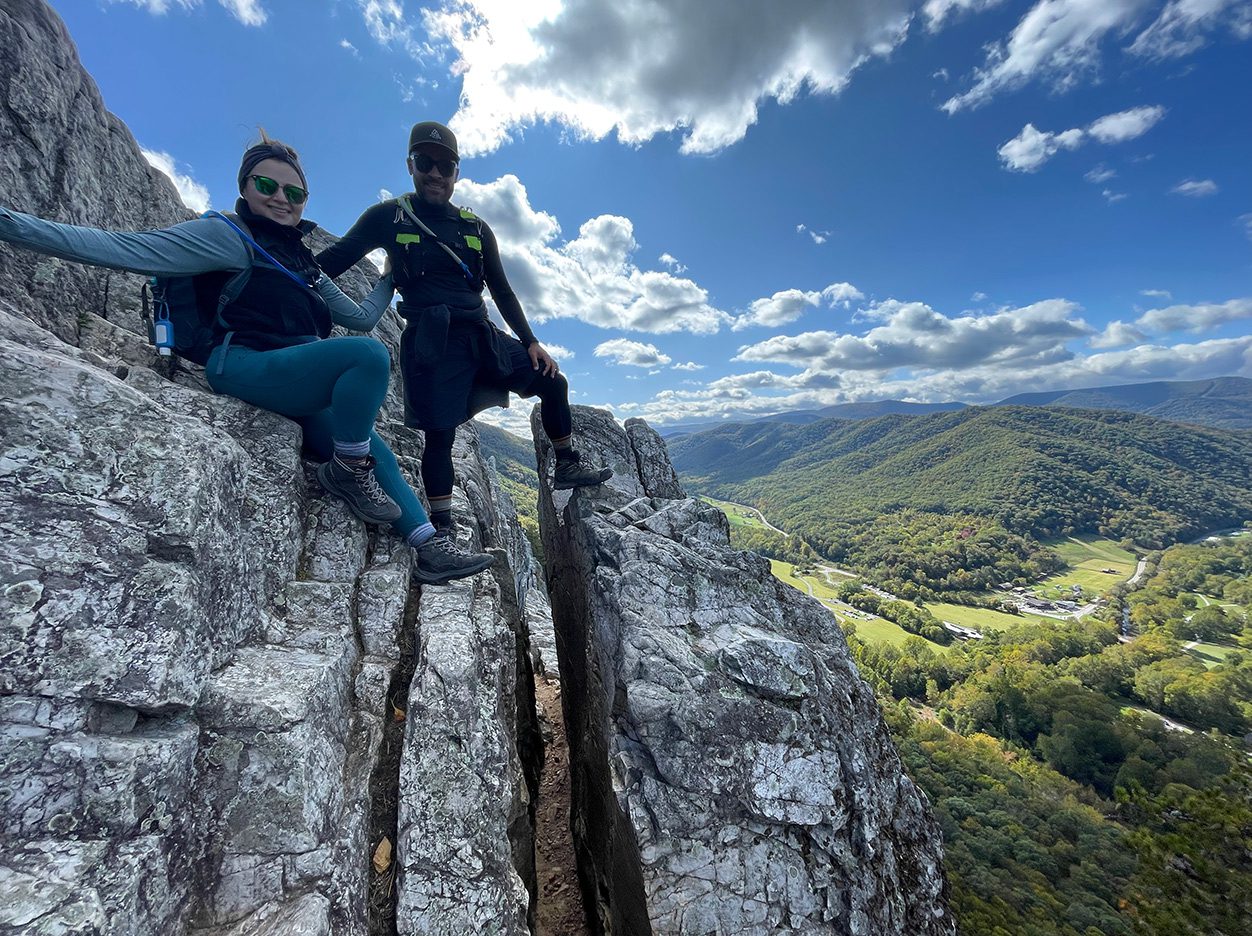
I always pack a dedicated pair of synthetic or merino wool long johns (base layer bottoms) at the bottom of my pack. On freezing alpine mornings, they sit comfortably underneath my primary hiking pants to trap radiant body heat close to the skin. If the sun begins beating down on the valley floor later in the day, they quickly disappear into my backpack.
The High-Brush Sun Hack
In warmer, high-humidity climates, I will occasionally wear my compression base layers directly underneath lightweight hiking shorts. While it looks a bit unconventional on the trail, it provides an excellent layer of skin protection against harsh sun exposure and scratching brush without the stifling weight or restriction of heavy canvas utility pants.
🧥 The Art of the Upper Body: Modular Hiking Layers
The single biggest mistake you can make in the wilderness is dressing exclusively for the ambient temperature you feel while standing still at the trailhead. Instead, you must practice strategic layering to dress for the temperature your body will emit once your heart rate hits 140 beats per minute on a steep incline.
The Undershirt (Moisture-Wicking Base Layer)
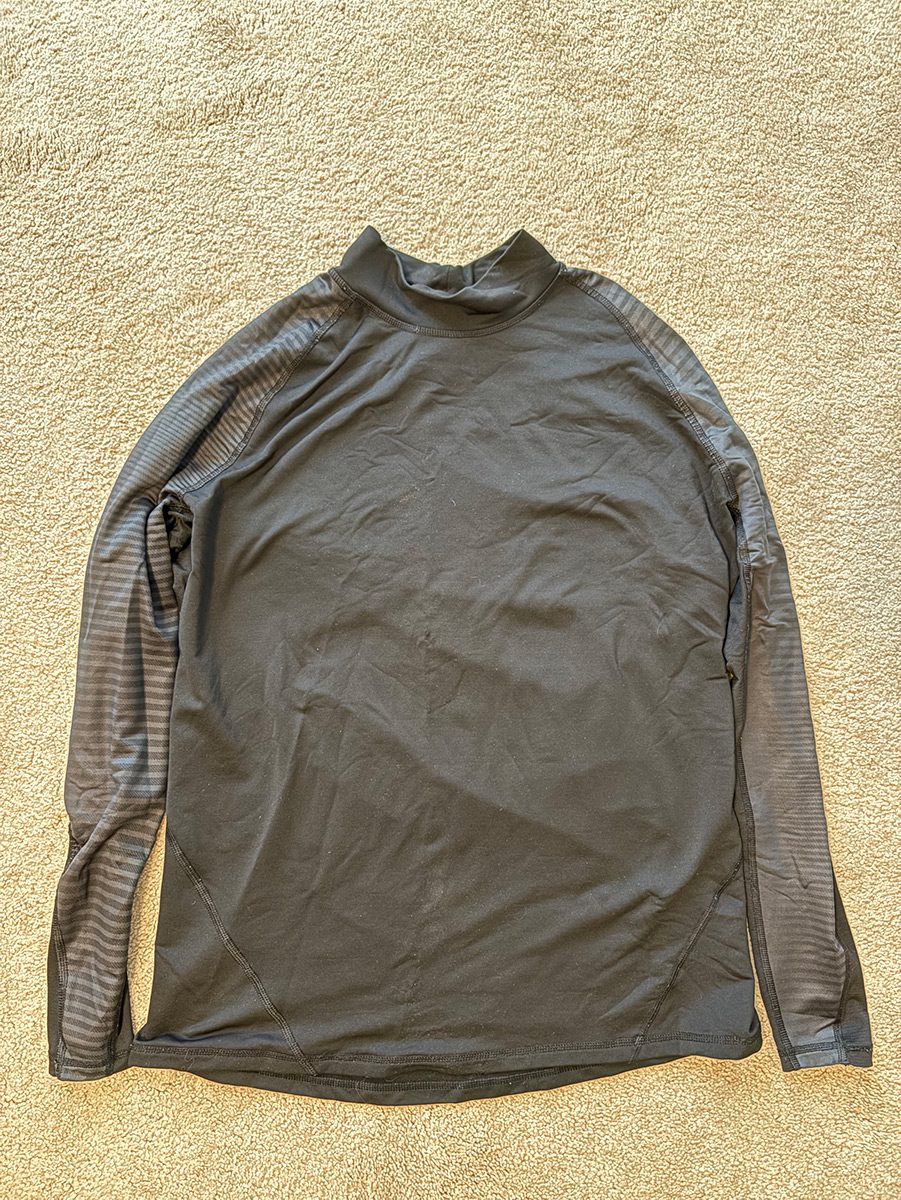
Your next-to-skin layer should always consist of a lightweight, moisture-wicking synthetic blend or premium merino wool. Never wear cotton on the trail. Cotton fabric holds onto sweat like a sponge, stays freezing cold against your skin, and can trigger hypothermia in a heartbeat the moment you stop moving in windy conditions.
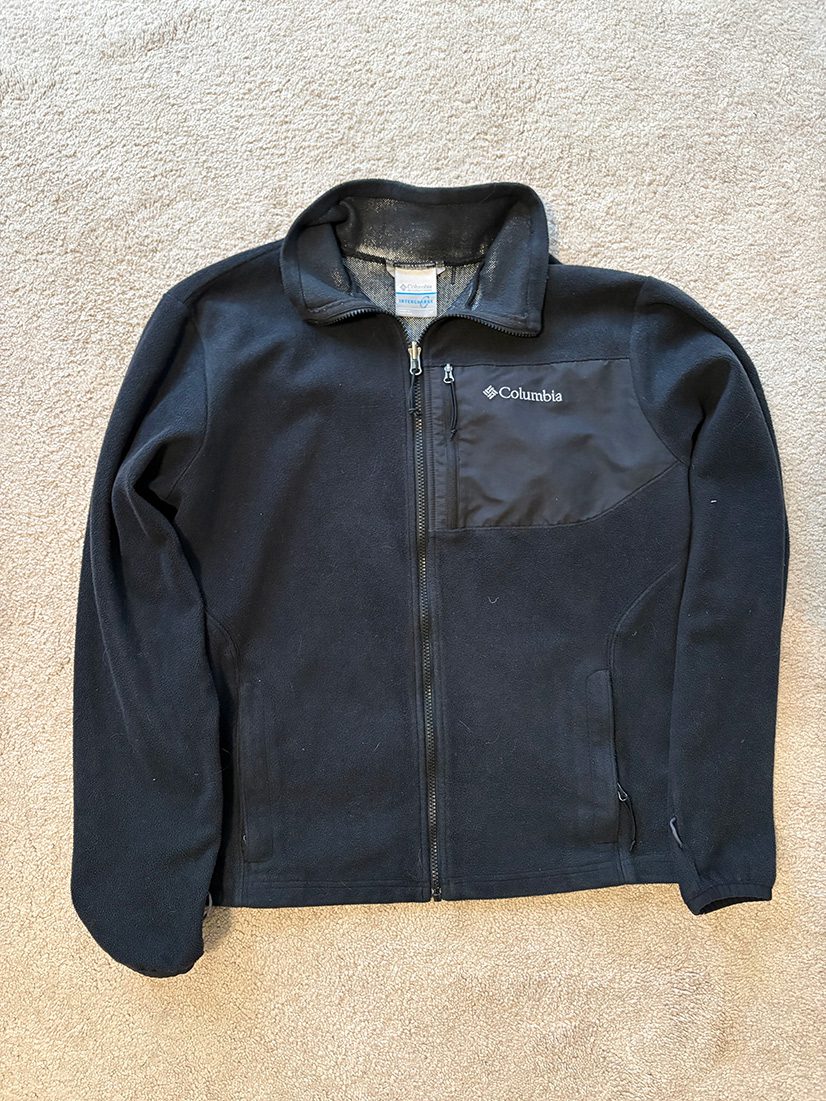
The Mid-Layer (The Technical Fleece)
A high-quality technical fleece is the undisputed workhorse of my pack. This layer provides vital loft and exceptional breathability while you are working hard. It is my absolute go-to tool for those “in-between” trail moments when a standard t-shirt isn’t quite warm enough, but a heavy winter jacket is total overkill.
❄️ The Outer Shield: REI Co-op Magma 850 Down Jacket
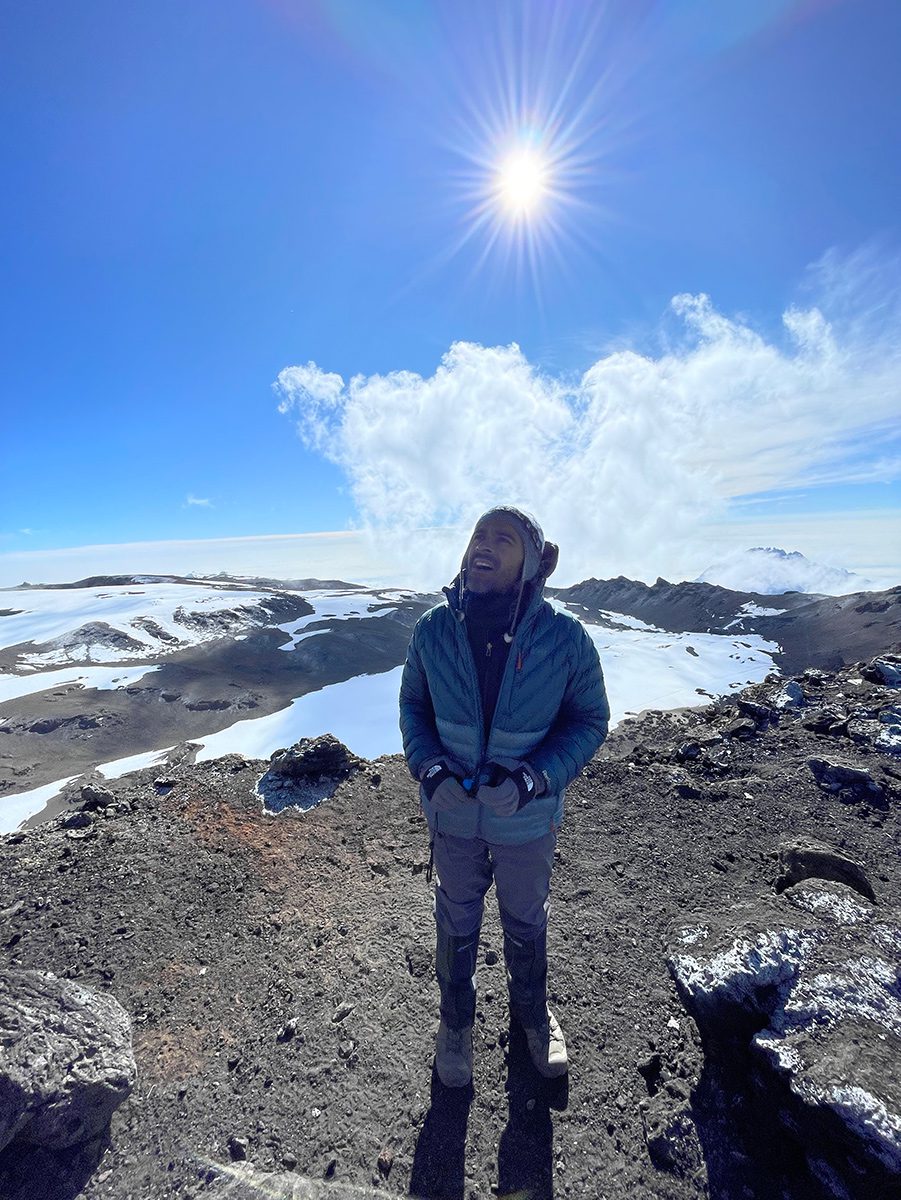
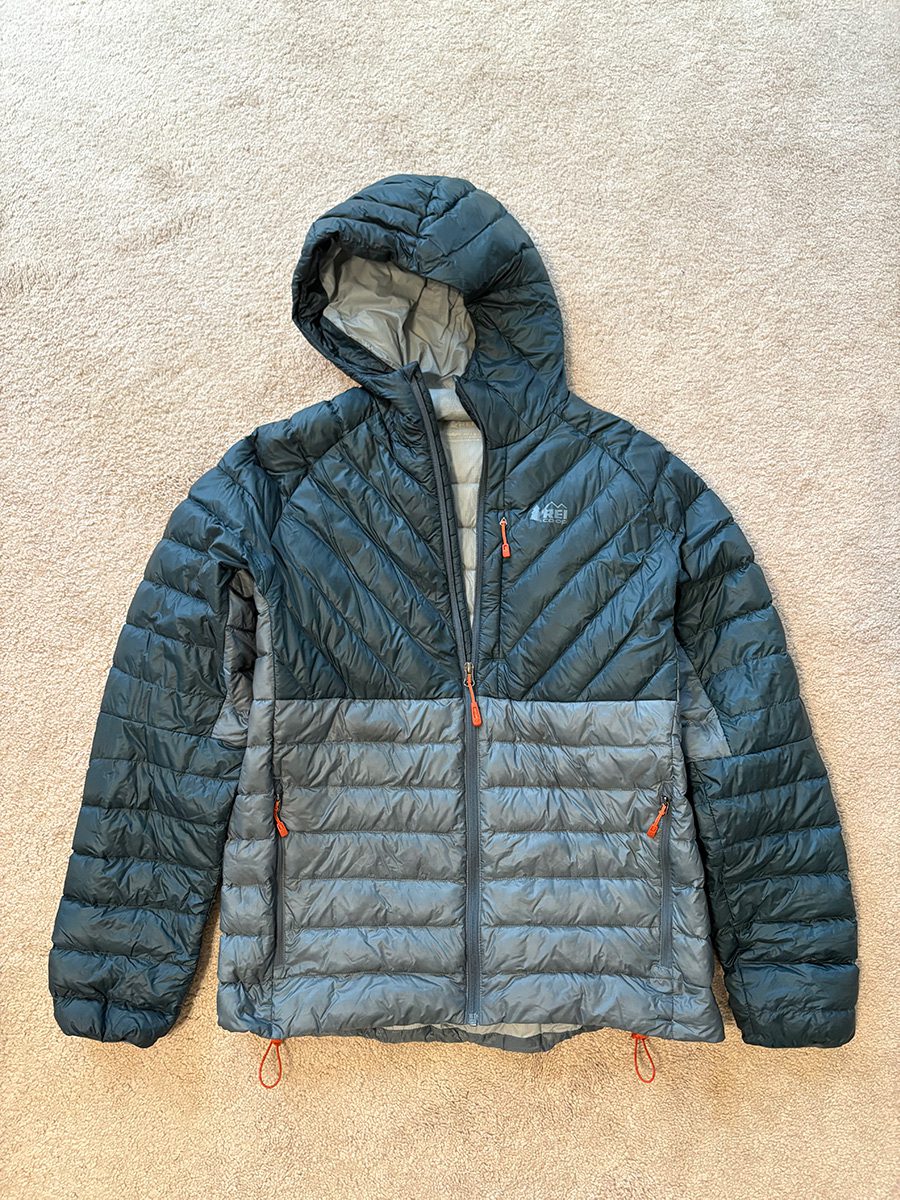
When the sun drops behind the mountain ridges and the temperature truly plunges, you need a serious premium insulator to lock in warmth. My definitive choice for the best hiking layers for cold weather is the REI Co-op Magma 850 Down line.
Why 850-Fill Power Matters
In technical outdoor apparel, “850-fill power” represents the premium gold standard of insulation. This metric measures the quality and loft of the down clusters inside the baffles. The higher the fill number, the more insulating air the jacket can trap relative to its weight, and the more compressed it can become when packed away.
The Sub-Zero Temperature Test
I have personally deployed this specific down jacket in extreme conditions reaching clear down to -18°F. By layering this premium down directly over my moisture-wicking undershirt and technical mid-layer fleece, I have stayed perfectly warm and functional in conditions that would normally force a creator inside.
The Space-Saving Factor
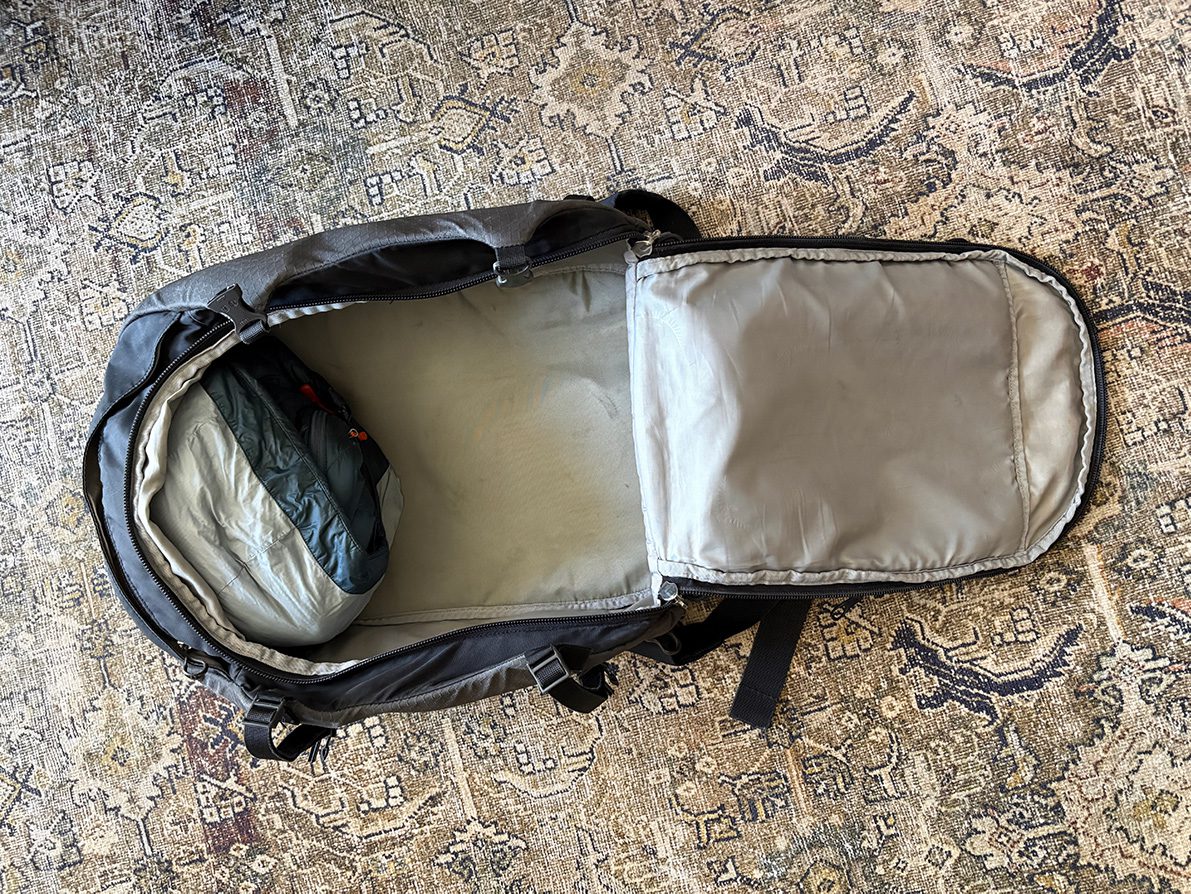
Because it utilizes ultra-high-quality down clusters, the entire jacket compresses effortlessly. It takes up a fraction of space in my camera bag, which is absolutely vital when every single ounce of weight matters on a multi-day backcountry expedition. It gives you the best of both worlds: maximum warmth at a weight that practically disappears in your pack.
🎬 Thoughtful Travel Takeaway: Investing in Gear Longevity
There is a growing, problematic trend in modern travel culture to purchase cheap, disposable gear designed for a single vacation before throwing it away. My time on the trail has taught me the exact opposite philosophy: invest in high-quality gear built to last a lifetime.
Taking the time to properly clean the trail salt off your boots or wash your 850-fill down jacket with specialized technical wash isn’t just about saving money. It’s about respecting the physical craftsmanship and resources that went into producing your gear.
When you use the exact same pair of Salomon boots to tackle both the historic Inca Trail in Peru and a rugged trek through the Badlands of South Dakota, those boots become an active part of your story. They literally carry the dust of both worlds in their seams, making your travel experiences feel infinitely more intentional.
📋 Pre-Trail Logistics & Maintenance Checklist
Before you head out to the trailhead, ensure your clothing system is primed for performance:
- Break-In Your Footwear: Never unbox a brand-new pair of Salomon mid-height boots on the morning of a major multi-day trek. Wear them around your neighborhood or on low-stakes local trails first to soften the synthetic upper and ensure the mid-height cuff doesn’t chafe your ankles.
- Refresh Your Waterproofing: Every few trips, re-apply a premium DWR (Durable Water Repellent) spray to your technical rain shells and the exterior fabric of your boots. This keeps the water-beading integrity sharp and prevents the face fabrics from wetting out.
🚀 The Final Word
Your technical clothing layout functions as the silent partner in every single outdoor adventure. It represents the ultimate structural difference between focusing 100% of your attention on the beautiful horizon ahead, or being completely distracted by your own physical discomfort.
When you get your foundation dialed in correctly—from your moisture-wicking socks to your compressed outer shell—the terrain becomes an incredible playground rather than an obstacle.
What is the one legendary piece of outdoor gear that has successfully survived every single one of your rugged expeditions? Let’s talk shop in the comments below!