To capture the raw, “uncalibrated” side of travel, you need more than just a camera body. You need a highly tactical toolkit that can seamlessly handle the frantic, high-speed energy of an Istanbul street market and the silent, ancient stillness of a Mayan pyramid deep in the jungles of Belize.
If my time tracking wildlife across the Serengeti taught me anything, it’s that the absolute best travel stories happen when you are thoroughly prepared for the unexpected.
My cinematic travel video & photo gear kit isn’t about having the newest, most expensive tech on the market. It’s about having a versatile, easy to use, field-tested collection of tools that allow me to tell a story from every possible angle—from the market high up in the Peruvian Andes to the roars of the earth.
Table of Contents
📸 The Camera Body: Sony A7 III
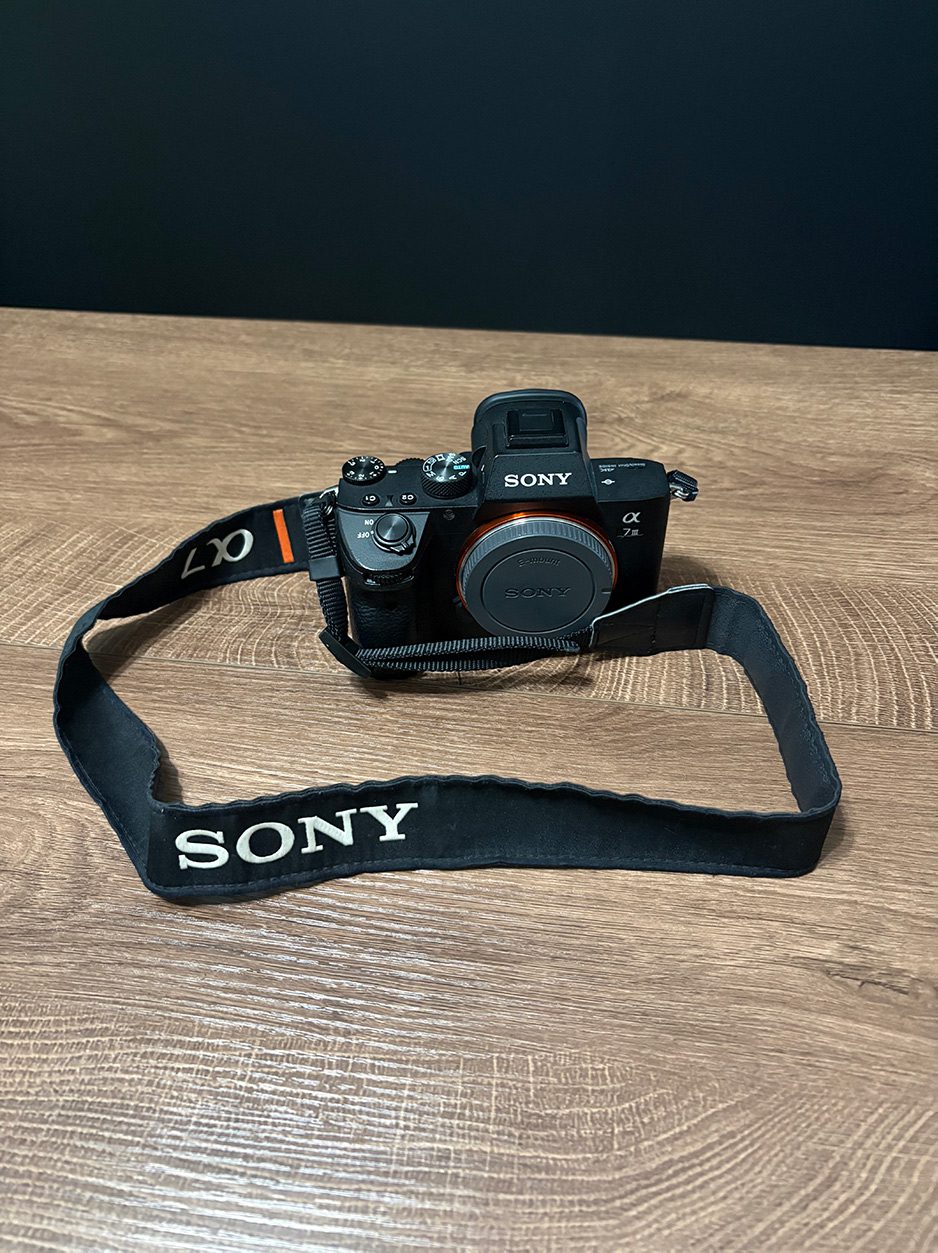
The Sony A7 III is the absolute heartbeat of my camera bag. Even as newer iterations enter the marketplace, this body remains one of the most perfectly balanced full-frame mirrorless cameras ever constructed.
Discrete Form Factor
It is small enough to look non-intrusive when stepping into a local village, yet powerful enough to output beautiful, professional 4K footage. It is the perfect form factor for long-distance tracking.
When I summitted Mount Kilimanjaro, this camera body sat in my daypack the entire time, proving that you don’t need a massive, heavy rig to capture world-class imagery at 19,341 feet.
Legendary Low-Light Performance
The low-light capabilities of this full-frame sensor are legendary. Whether I am capturing the rapid movements of a Sufi Whirling Dervish ceremony in Türkiye or photographing macaques inside a dim, rain-soaked cave in Southern Thailand, the sensor pulls clean detail out of deep shadows where lesser cameras fail. It allows me to remain completely agile on the trail without carrying massive external lighting setups.
The “Human” Factor
It allows me to stay agile. I don’t need a massive equipment; I just need this body and a good eye. While I walk or hike I forget it is hanging on my camera holder attached to my backpack.
🔍 The Narrative Lens Duo: My Essential Travel Lenses
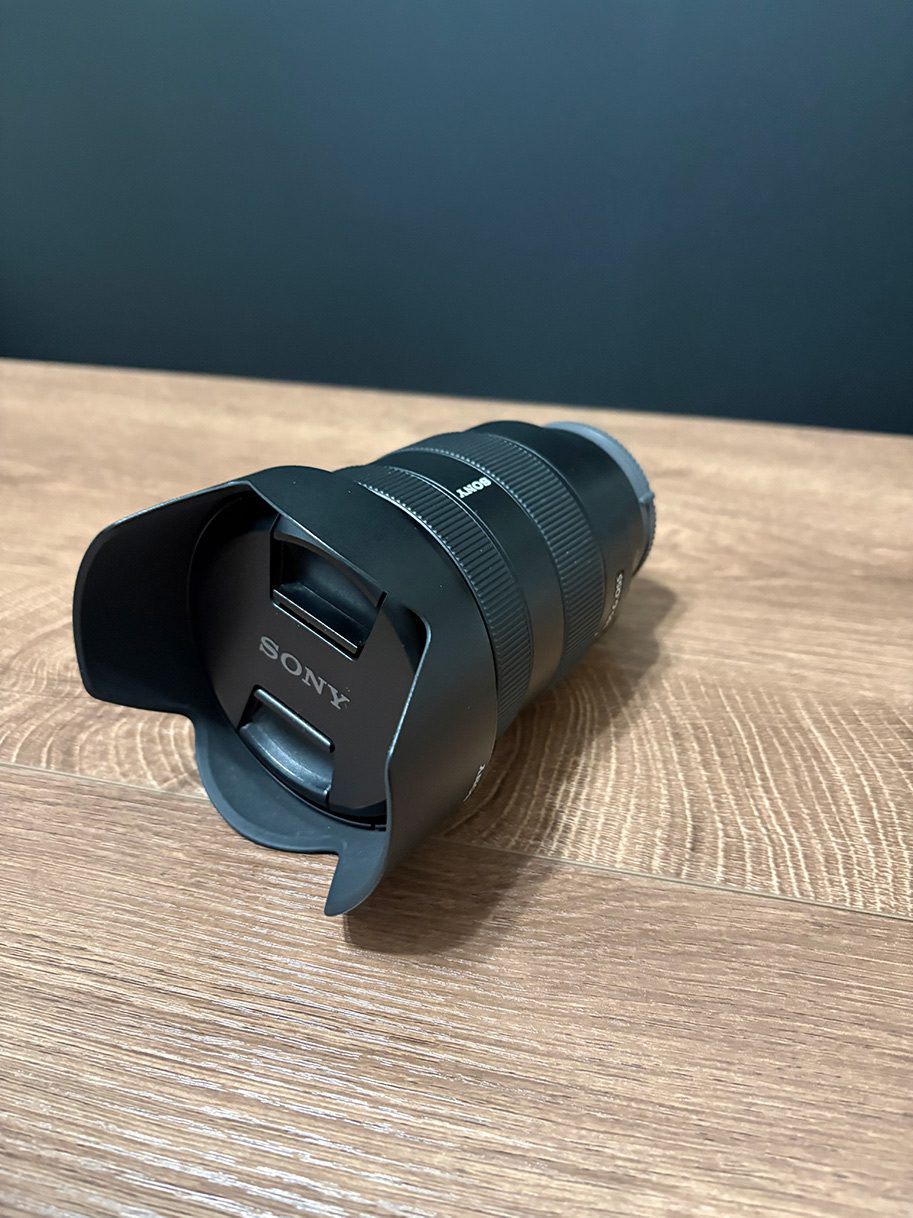
The Everyday Legend: Sony 24-105mm f/4 G OSS
If I could only carry a single lens for the rest of my life, the Sony 24-105mm would be it. It is my ultimate run-and-gun storyteller.
- Maximum Utility: At 24mm, I can instantly capture sweeping, cinematic establishing shots of a mountain range. With a quick twist to 105mm, I can punch in for a tight, intimate human portrait without ever opening my bag to swap lenses.
- Built-In Stabilization: The integrated Optical SteadyShot (OSS) is my secret weapon. When I am filming handheld from the back of a bouncing tuk-tuk or navigating a crowded transit station, this stabilization keeps the footage looking smooth and professional rather than like a shaky home video.
The Distance Master: Sigma 150-600mm f/5-6.3 DG OS HSM
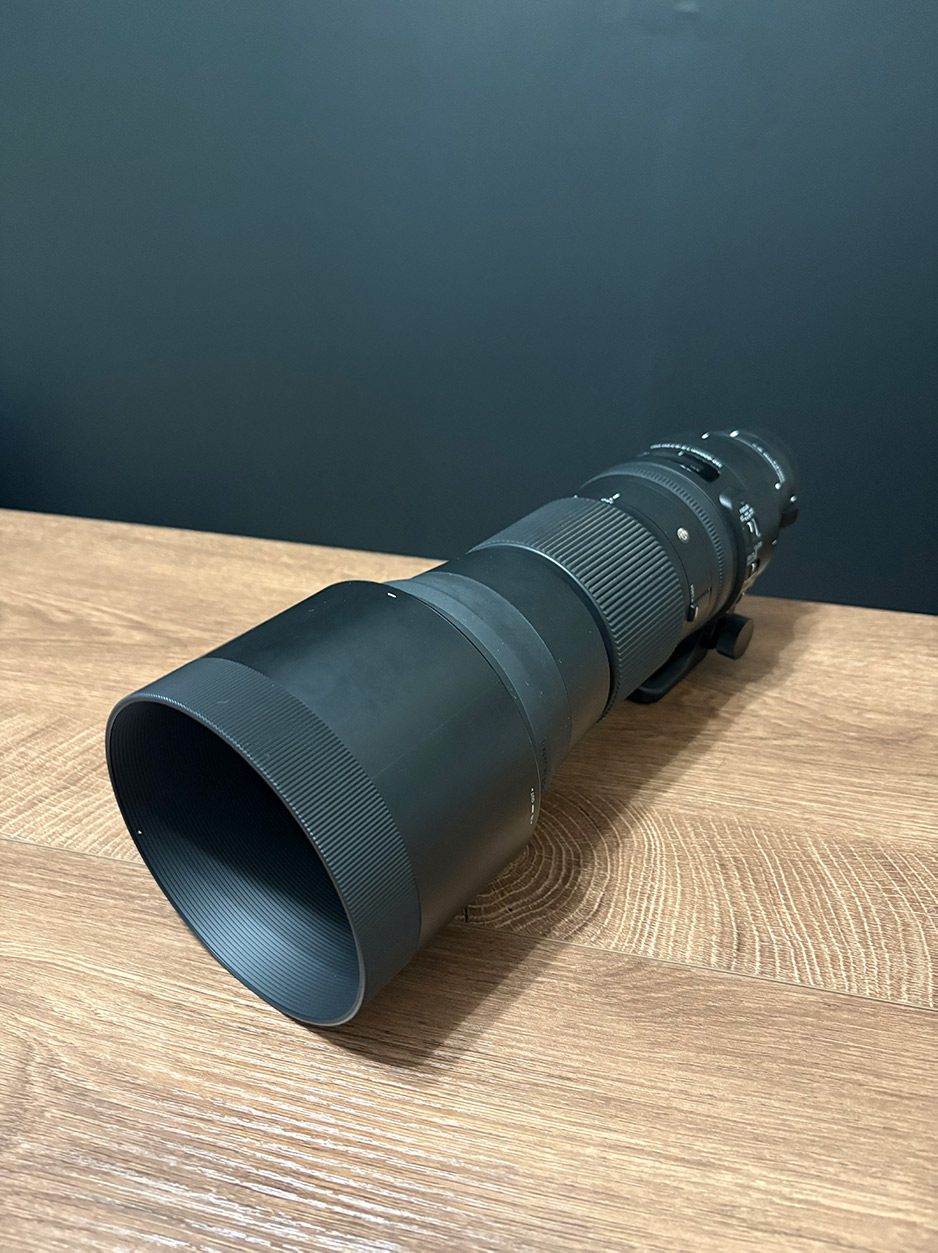
While my 24-105mm lens documents the close-up human journey, the Sigma 150-600mm allows me to witness the raw, undisturbed rhythm of the wild. This massive telephoto lens has been my constant companion through some of the planet’s most iconic landscapes—from the thermal vapor mists of Yellowstone to the prehistoric floor of the Ngorongoro Crater and the endless golden plains of the Serengeti.
In conservation areas like Yellowstone, where maintaining a safe and legal distance from active grizzly bears is mandatory, or on the African savannah where you want to keep a respectful boundary from a hunting pride of lions, a 600mm reach is non-negotiable. It allows me to pull the viewer directly into a raw moment—capturing an eagle hidden high in a pine line or a hyena tracking its prey—without ever intruding on the animal’s space.
Furthermore, this lens provides incredible lens compression. It pulls distant mountain ridges or crater walls right up behind your wildlife subject, creating a sense of scale and natural drama that makes the viewer feel the true weight of the environment.
🛸 The Perspective Shifters: Travel Drones & 360 Cameras
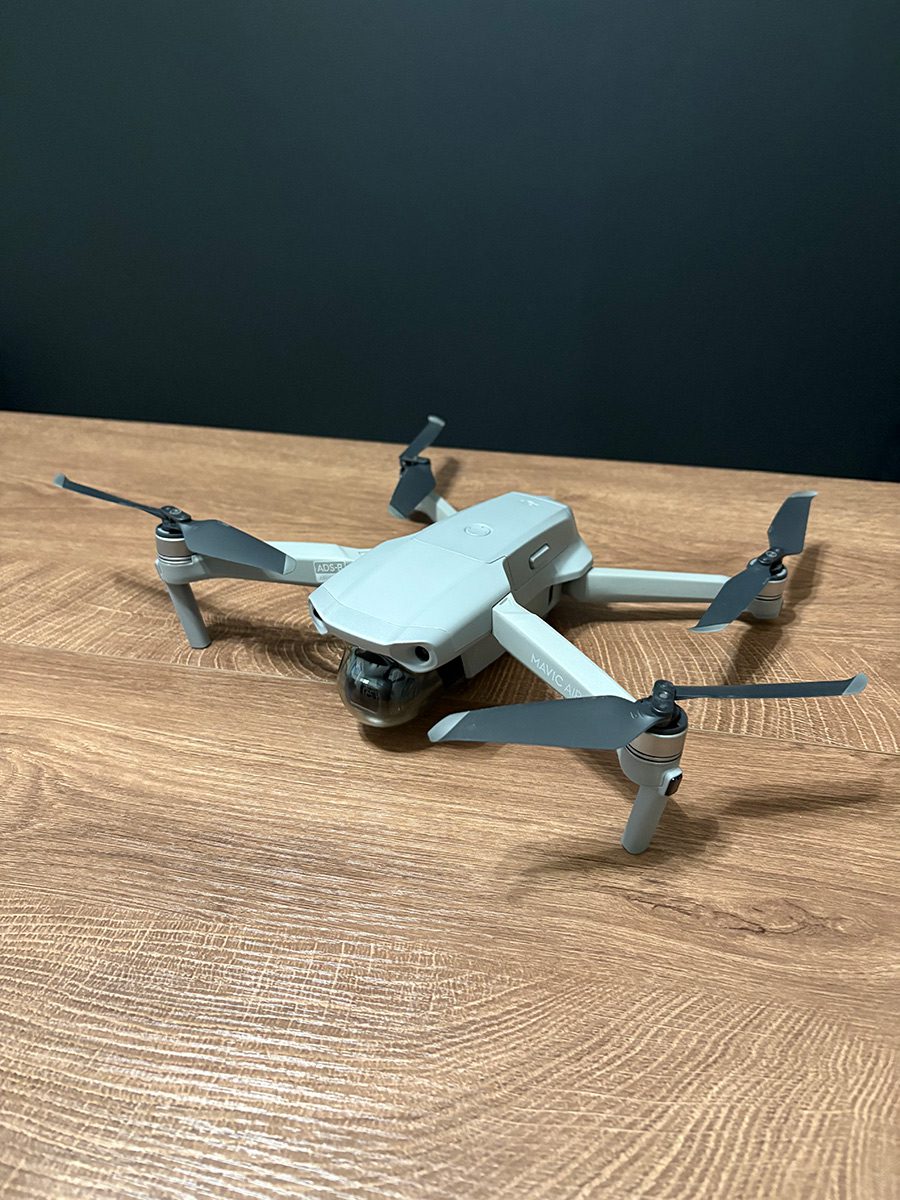
The Eye in the Sky: DJI Mavic Air 2
To fully understand the narrative of a location, you must visualize how it sits within the broader geography. The DJI Mavic Air 2 provides that essential environmental context.
I use this compact drone exclusively for wide establishing shots, transforming simple travel footage into an expansive cinematic experience by mapping out the raw topography below—from the massive creeping glaciers of Iceland to the colonial coastal fortresses of Colombia.
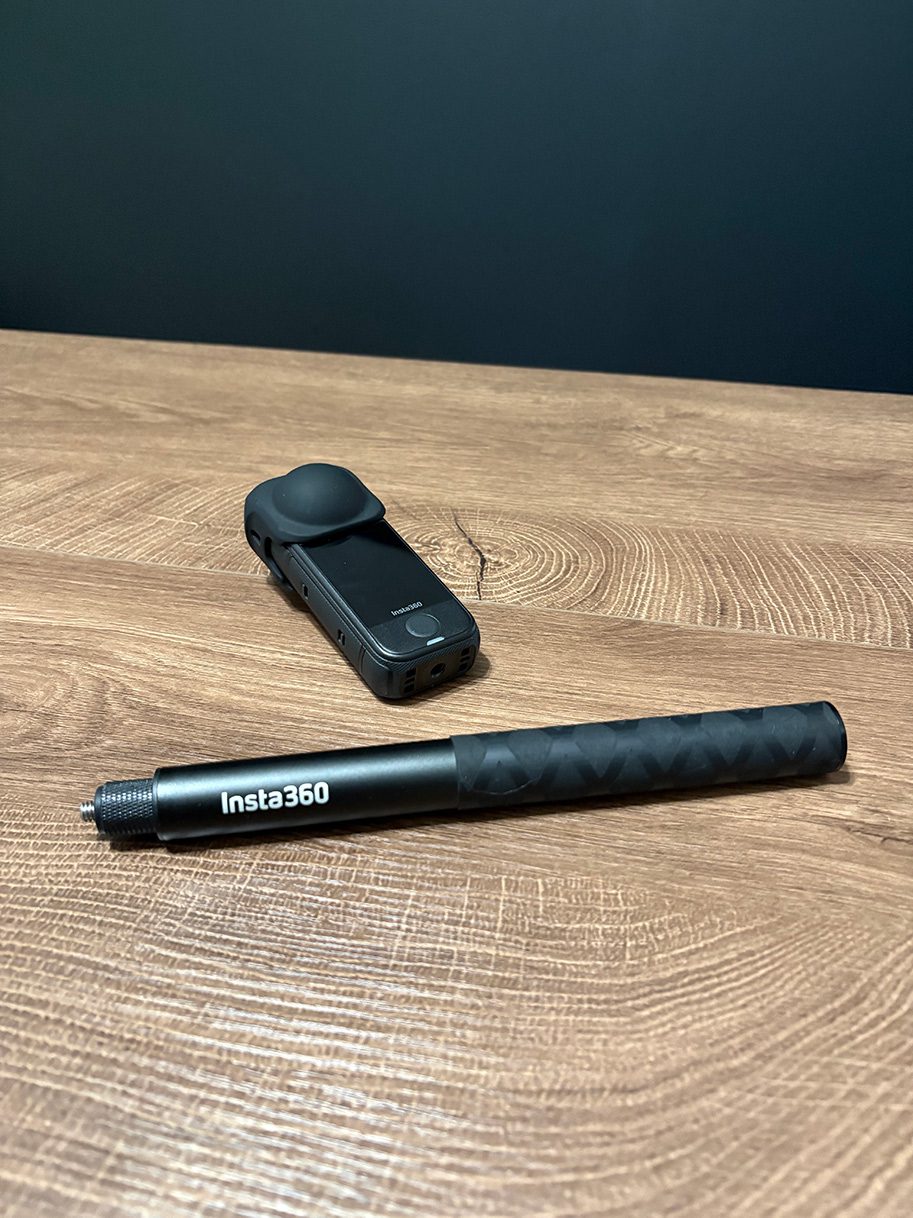
The “Shoot Everything” Safety Net: Insta360 X4
The Insta360 X4 is my ultimate creative insurance policy. Because it captures high-resolution 8K video in every single direction simultaneously, I never have to stress about missing an unexpected moment of action.
I can mount this camera to my pack strap or an extension stick and simply live entirely in the moment. I handle all the camera panning, framing, and angle adjustments later in post-production using desktop reframing software.
🤫 The “Stealth Crane” Alternative: For international travel creators, the Insta360 X4 paired with a long carbon-fiber extension pole serves as an incredible alternative in historic cities or sensitive archaeological sites where drone flight is strictly prohibited or heavily restricted. While it obviously can’t fly hundreds of feet in the air, it allows you to capture sweeping aerial crane shots and high-angle perspectives safely and legally without breaking local regulations.
🏄 The Action Layer: GoPro HERO
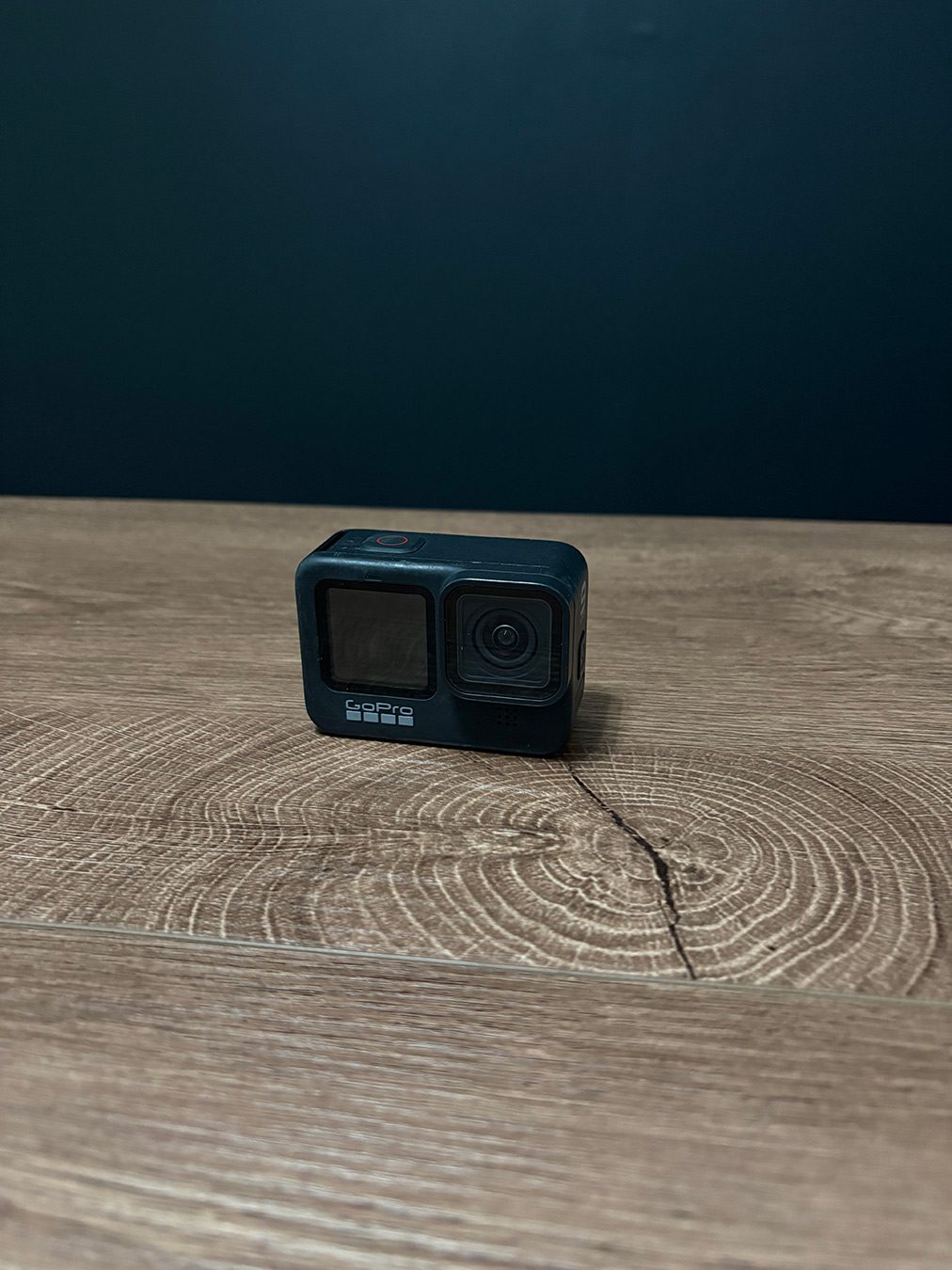
When an environment gets messy, wet, or chaotic, I immediately reach for a GoPro. It remains the most rugged, zero-thought piece of equipment in my entire filmmaker kit.
If I am jumping into river rapids, hiking through a torrential tropical downpour, or mounting a hard angle to the exterior chassis of an off-road vehicle, the GoPro is the solitary tool I trust. It is incredibly compact, natively waterproof, and practically indestructible. Having deployed GoPros in the field for over a decade across every imaginable climate, they have never once suffered a system failure on me.
🗂️ Quick Recommendations
Before you pack your bag for an international expedition, lock down these two baseline tracking rules:
- The Multi-Battery Margin: Always carry at least three more fully charged batteries than you think you will need for each individual device. Cold high-altitude mountain air and humid tropical zones drain lithium-ion cells rapidly.
- Redundant Storage: Never rely on a single massive SD card. Carry multiple high-speed V30-rated memory cards for each camera body and swap them out periodically. If a card corrupts in the field, you only lose a fraction of your shoot rather than your entire documentary.
🎬 Conclusion
At the end of the day, your gear shouldn’t run your trip; it should just be there to capture it cleanly without getting in your way. By pairing a reliable camera body with a couple of versatile zoom lenses and a compact 360 action cam, you’ll have a lightweight, highly capable setup that can handle pretty much any destination you throw at it.
What is the one non-negotiable piece of camera gear that always sits at the bottom of your travel bag?
Pingback: Top 7 Places to Visit in Yellowstone - theuncalibratedcompass.com