Some cities feel ancient. Mardin is ancient—an amber-colored dream perched on the edge of a world that once birthed civilizations. Rising above the Northern Mesopotamian plains like a guardian of forgotten times, this small city is a maze of stone and silence, mystery and warm light. And despite its beauty—its true, breathtaking beauty—it remains one of Turkey’s most overlooked treasures.
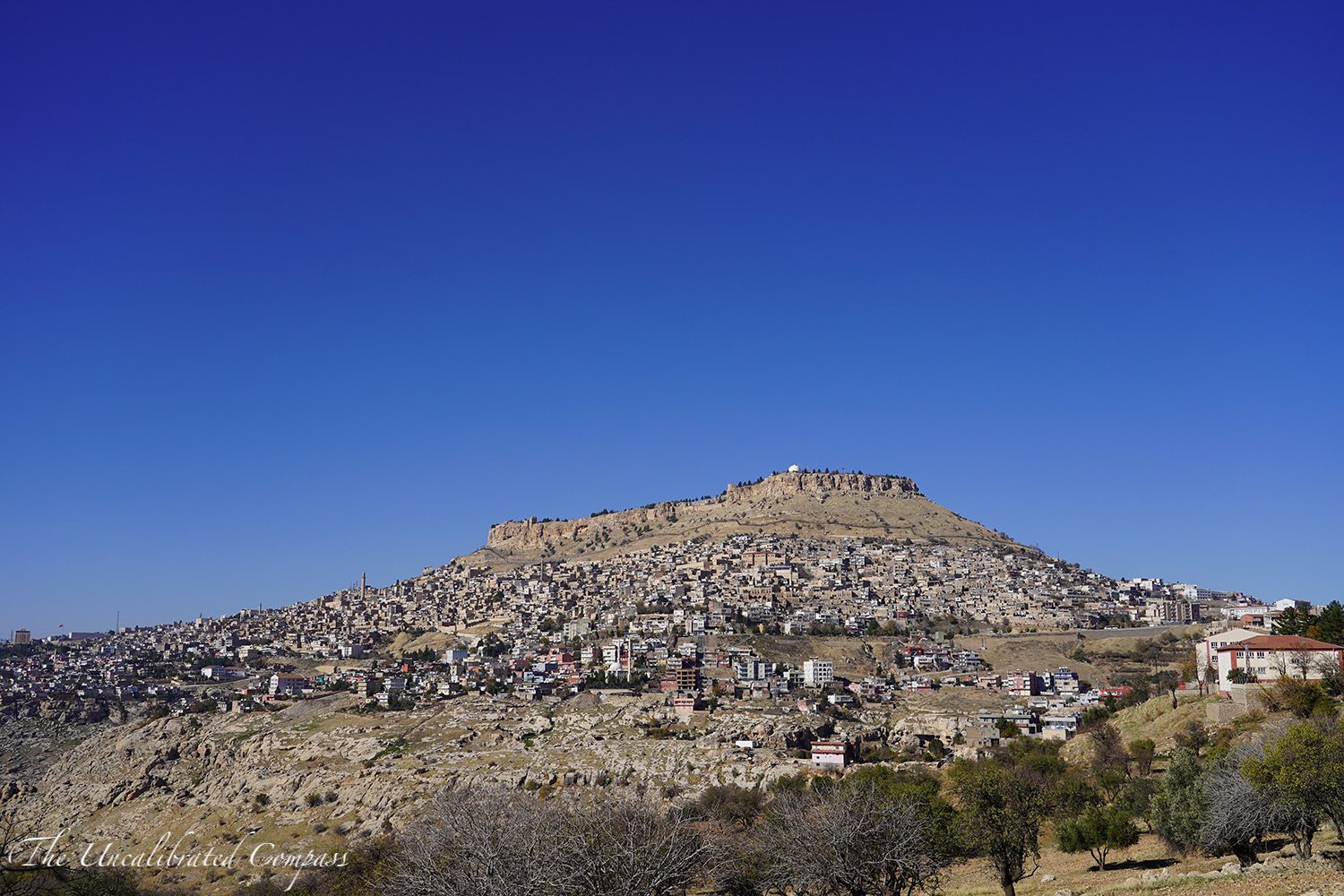
Dating back an astonishing 8000 B.C.E., this legendary city’s geographic significance is the root of its utterly unique identity. Positioned as a critical hub on the Silk Road, Mardin welcomed a constant flow of caravans filled with traders, scholars, and artisans. This movement of people and ideas forged a remarkably diverse and tolerant society, a legacy that persists today.
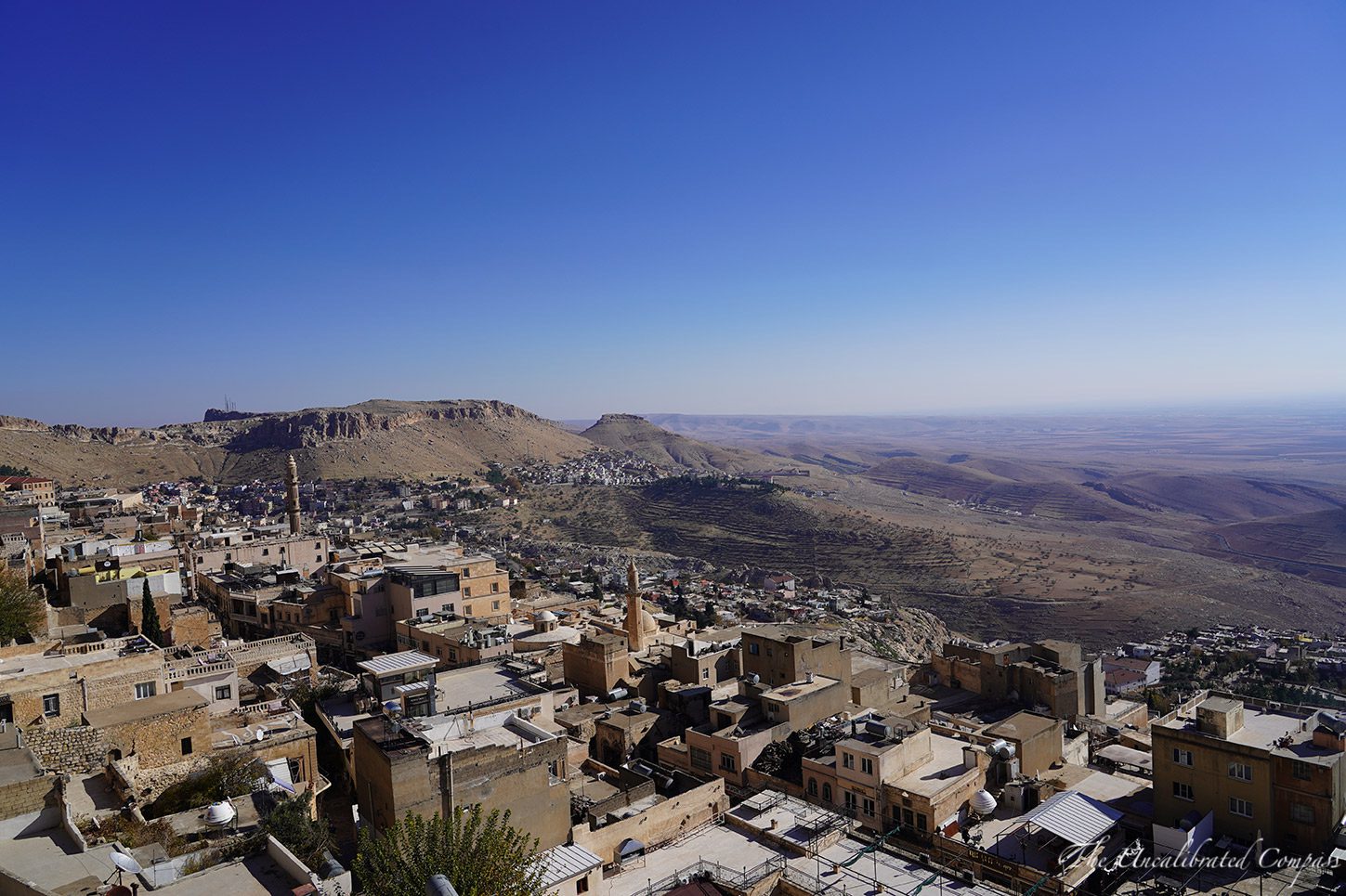
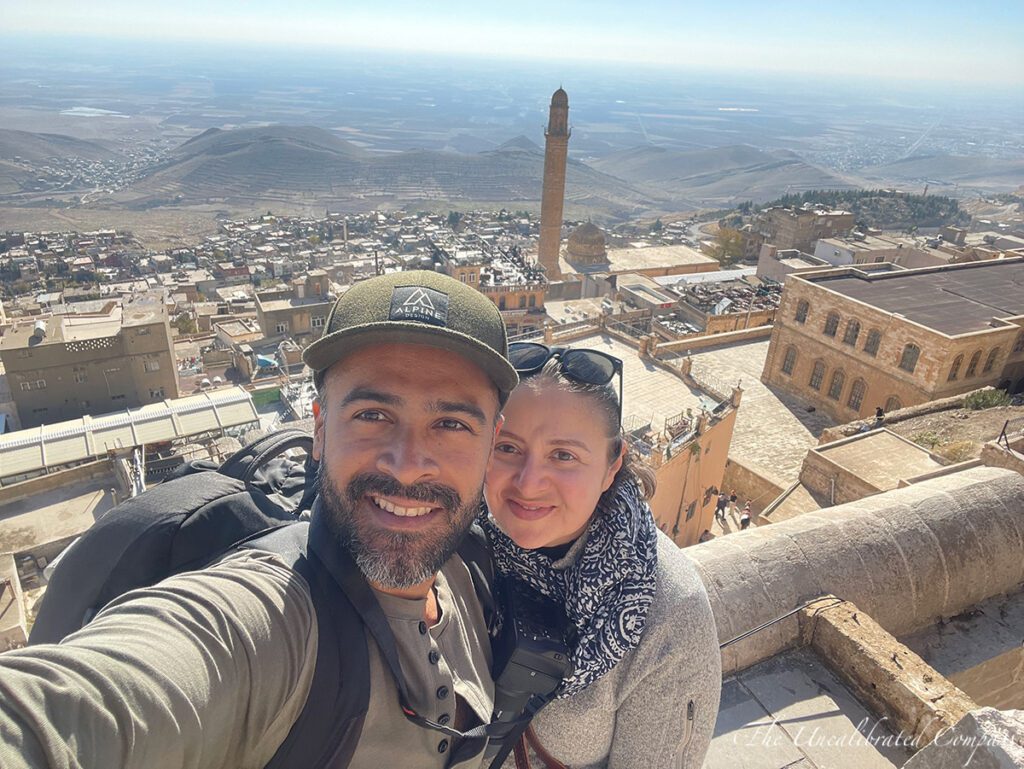
Seen from above, the spectacular, shimmering white-gold buildings of Mardin are terraced up a majestic hill, forming an ancient citadel that stares out across the sprawling plains toward present-day Syria. This strategic place made it a coveted prize throughout the ages, claimed by nearly every major power—from Nabataean Arabs and the Assyrian Syriac Christians to the Romans, Byzantines, Artuqid Turkomans, Mongols, and finally the Ottomans. The sheer volume of civilizations that have passed through makes every ancient street corner feel like a chapter in a global history book.
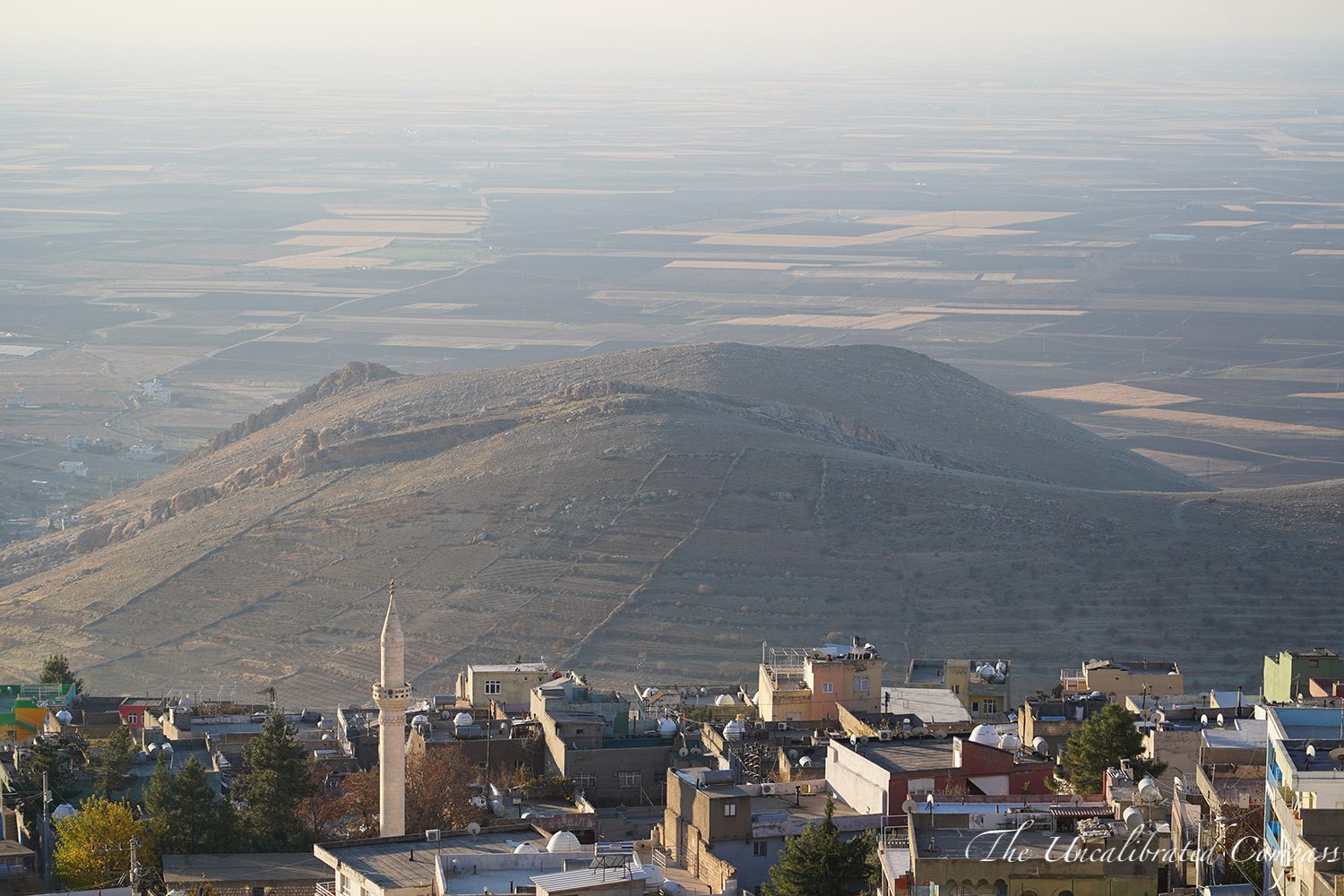
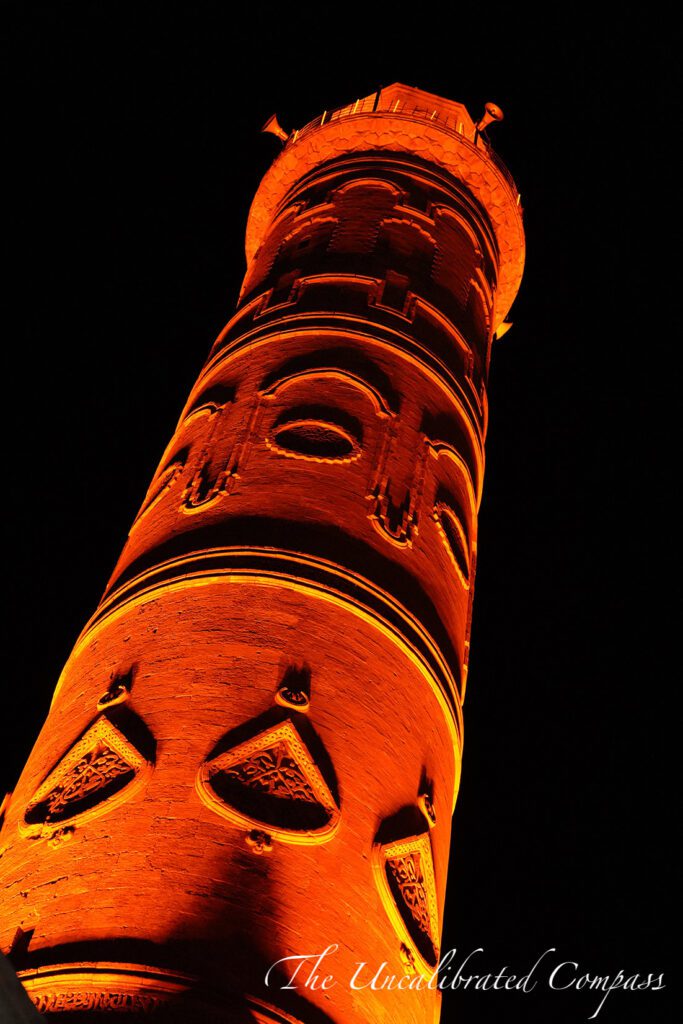
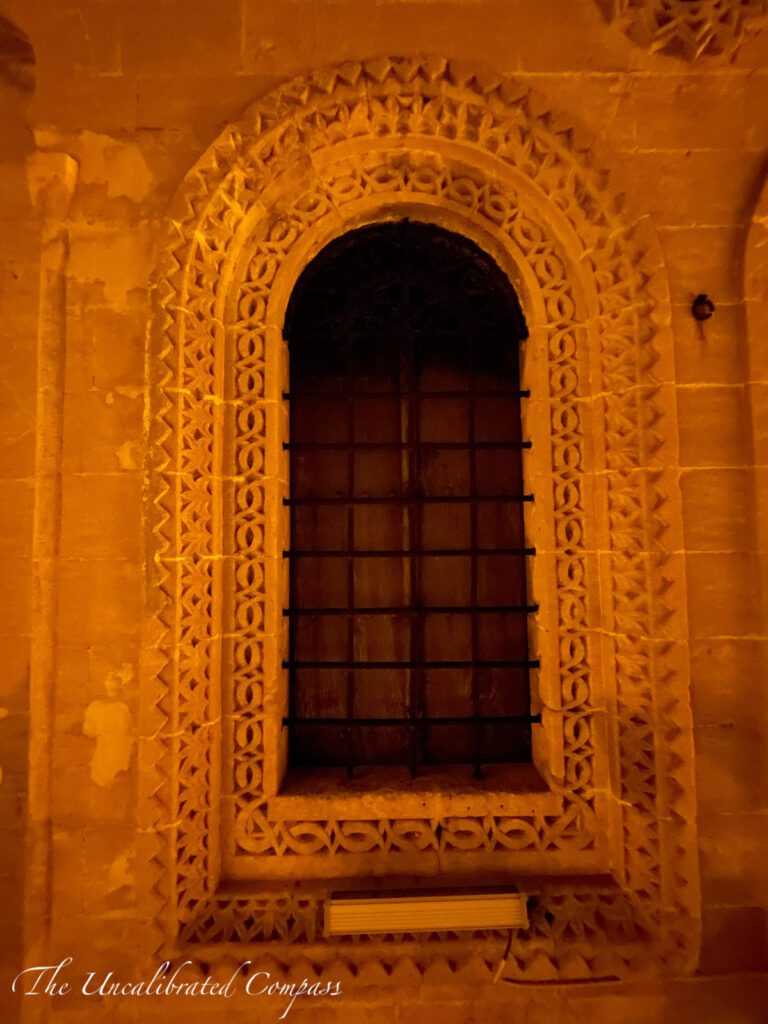
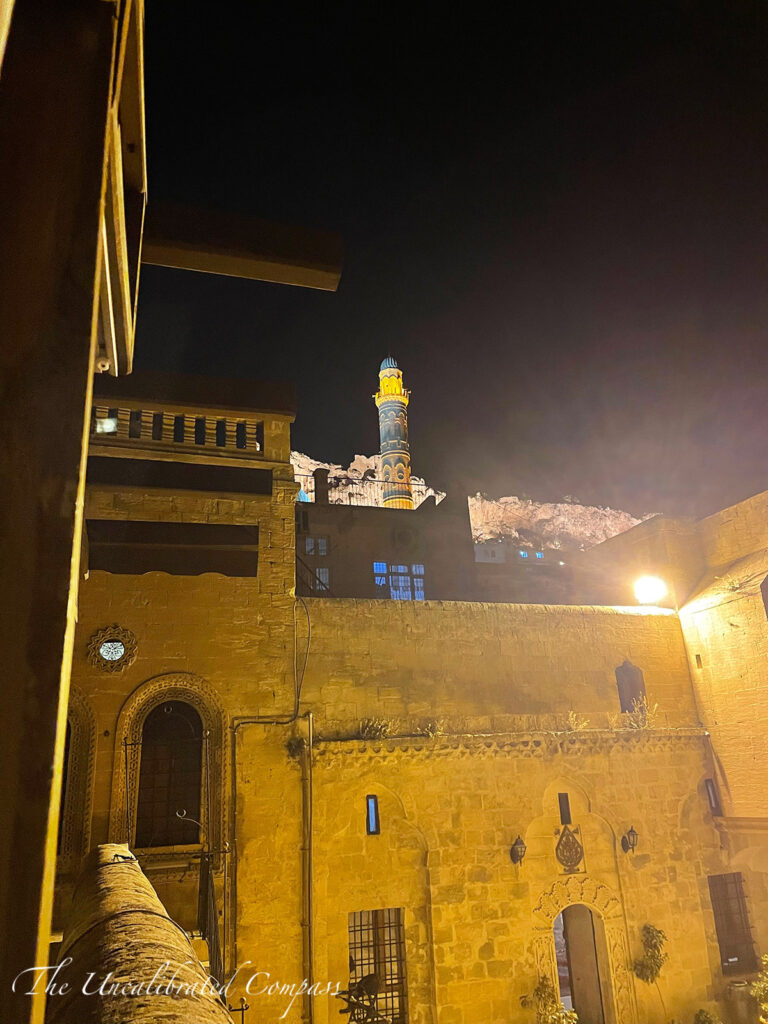
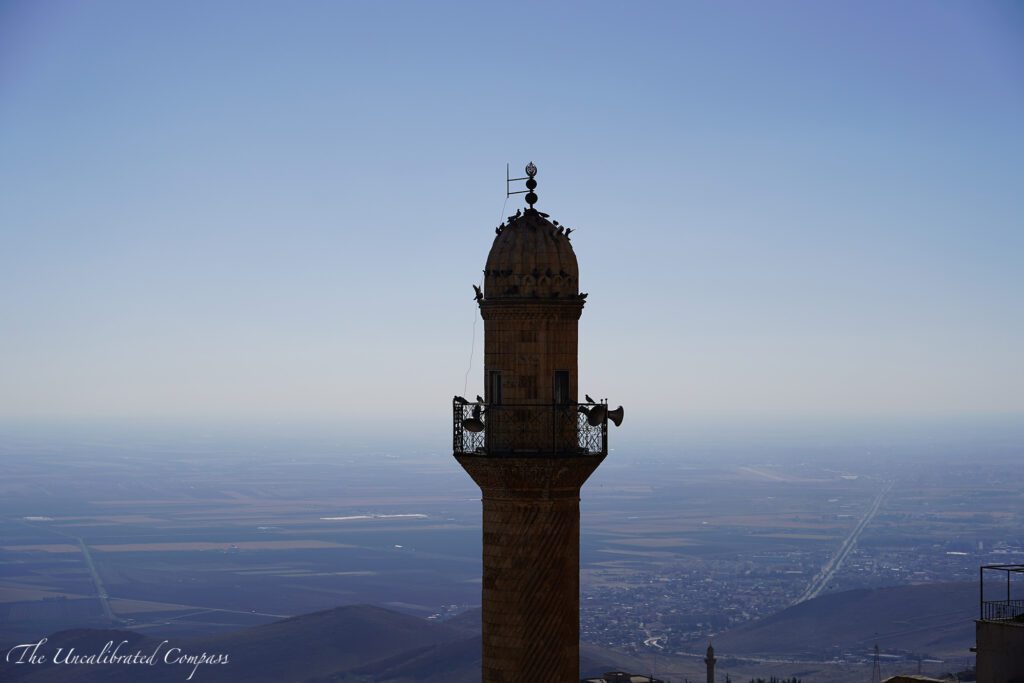
The city’s old town is a masterpiece of Islamic architecture and urban planning, with its honey-colored limestone buildings seeming to grow organically from the mountain itself. Be sure to visit the iconic sites that showcase this: The Mardin Ulu Camii (Great Mosque), instantly recognizable by its minaret, adorned with complex carving.
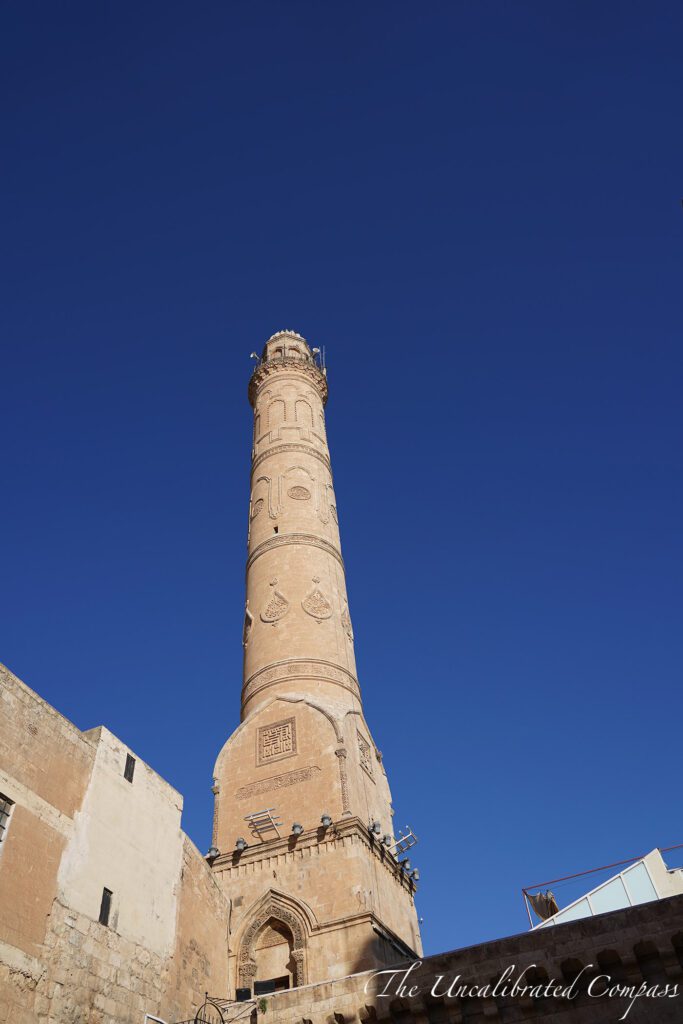
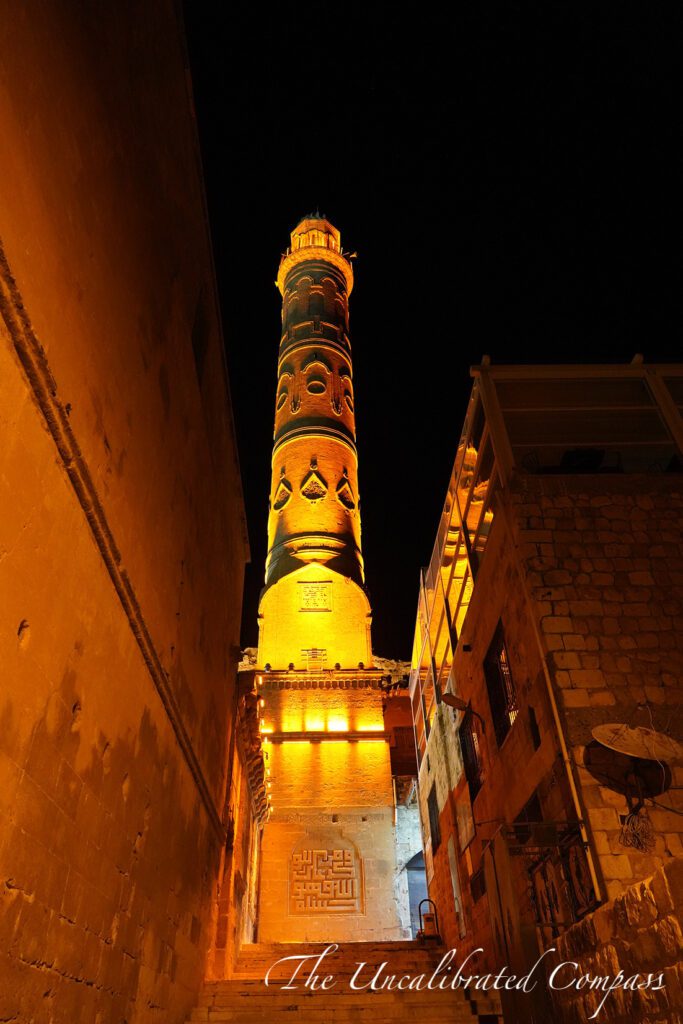
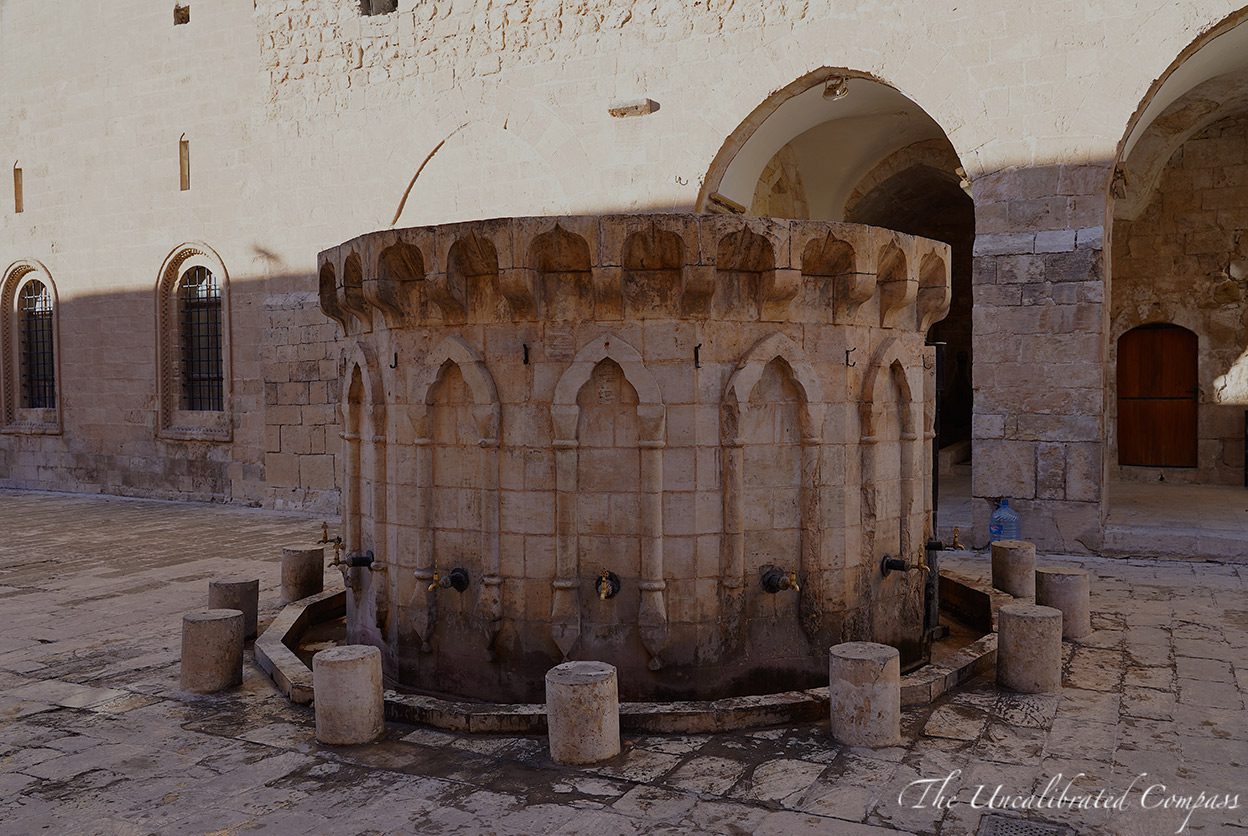
The Zinciriye Medresesi, an imposing 14th-century theological school with stunning vaulted ceilings and courtyards, and While visiting, you must make the short climb to the Madrassa’s roof for an awesome, unobstructed panoramic view of the Mesopotamian plain stretching out toward Syria—it’s an unforgettable sight.
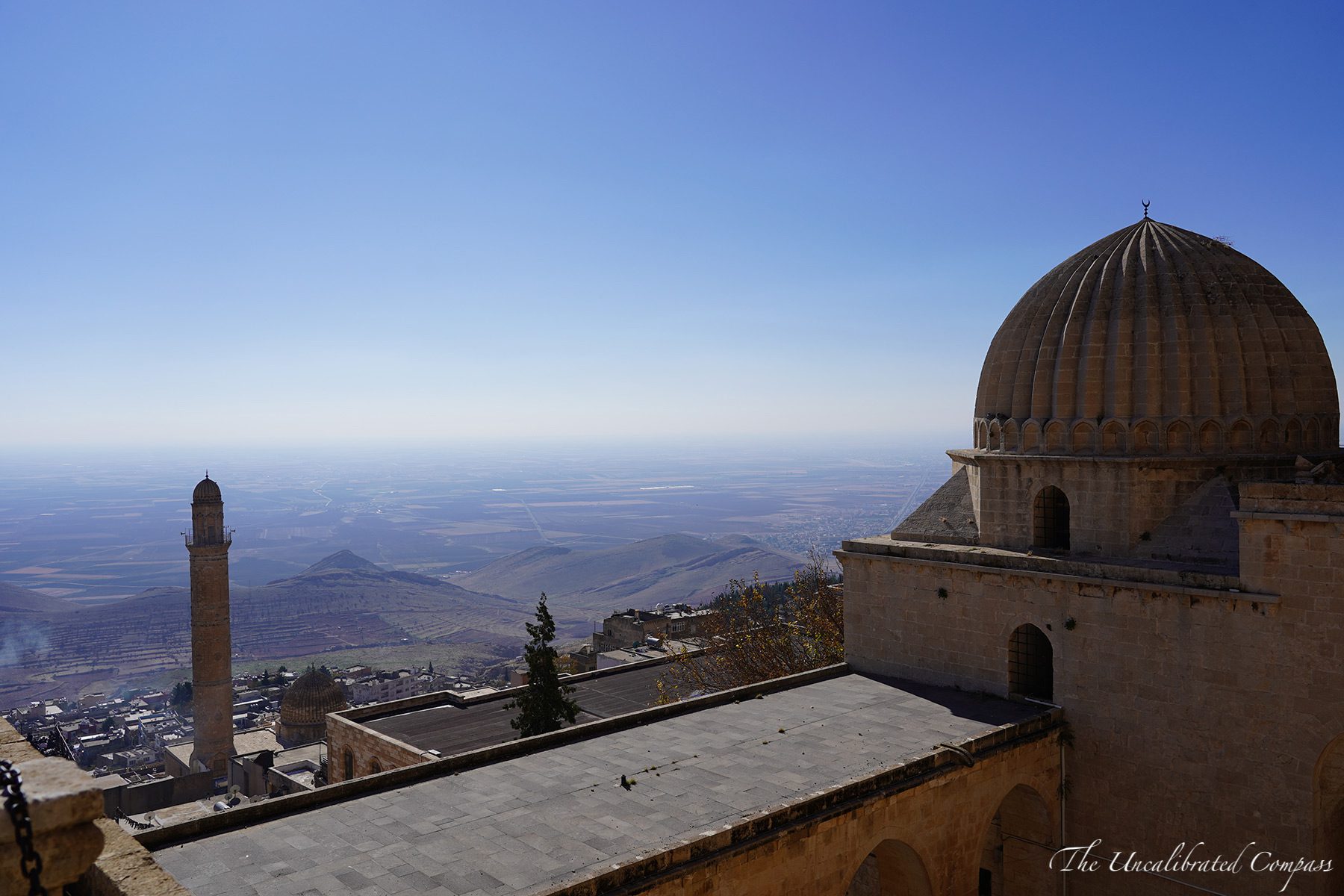
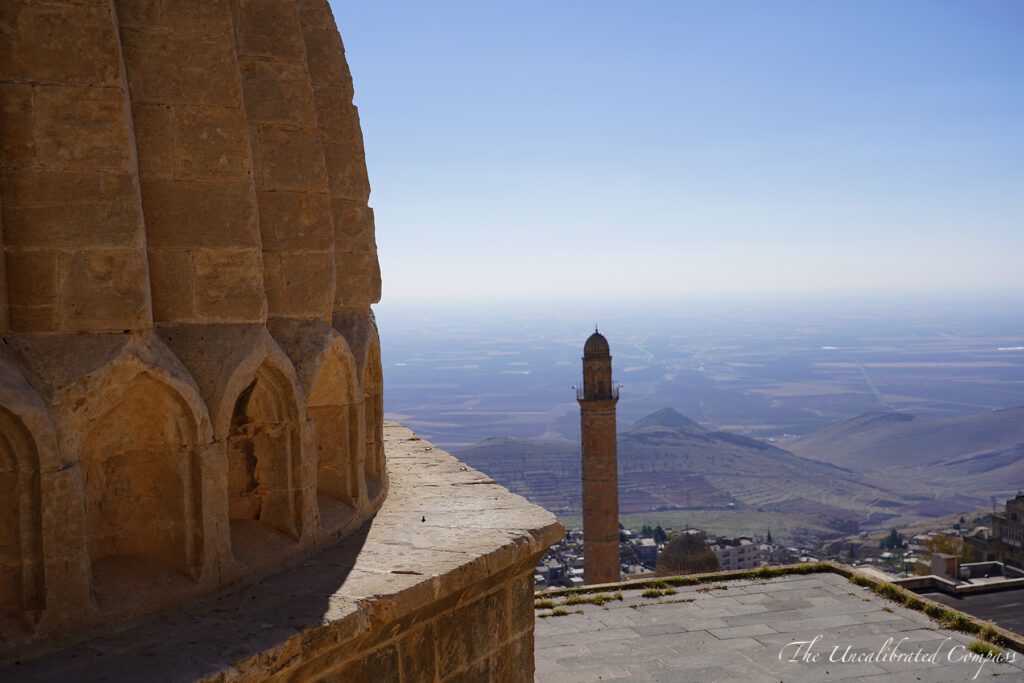
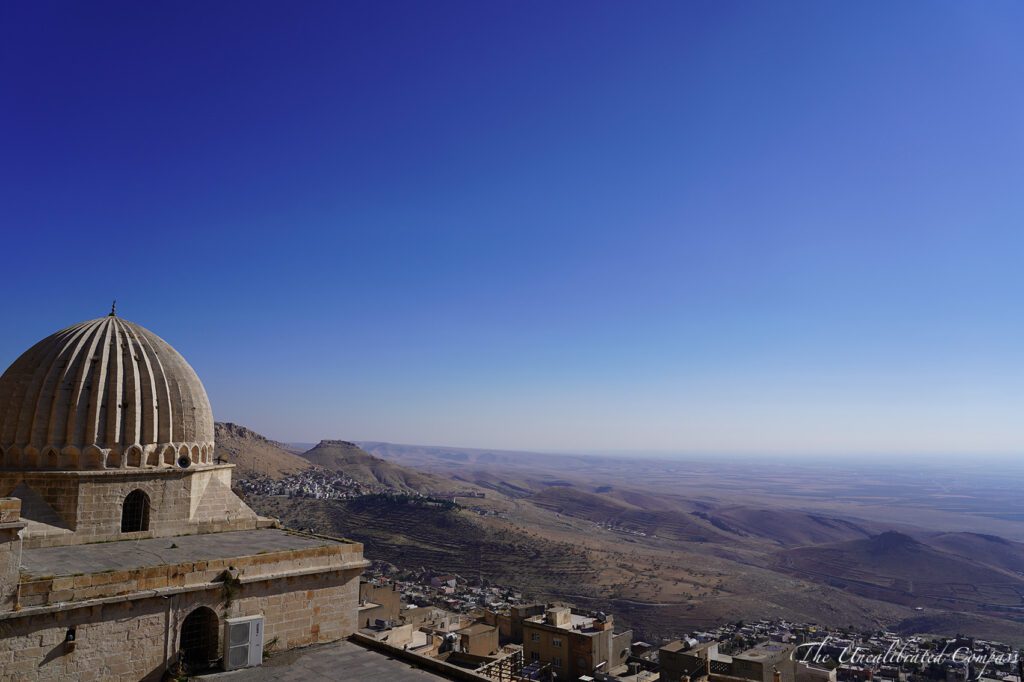
The moment you arrive, a strange sensation takes hold: as if you’ve stepped into a mirage carved into the mountainside. Houses of honey-colored limestone are stacked on top of one another in cascading terraces, each rooftop a balcony onto the endless Mesopotamian horizon. As the sunlight shifts, the city glows—sometimes gold, sometimes rose, sometimes a deep, ancient bronze that feels like it belongs to another era entirely.
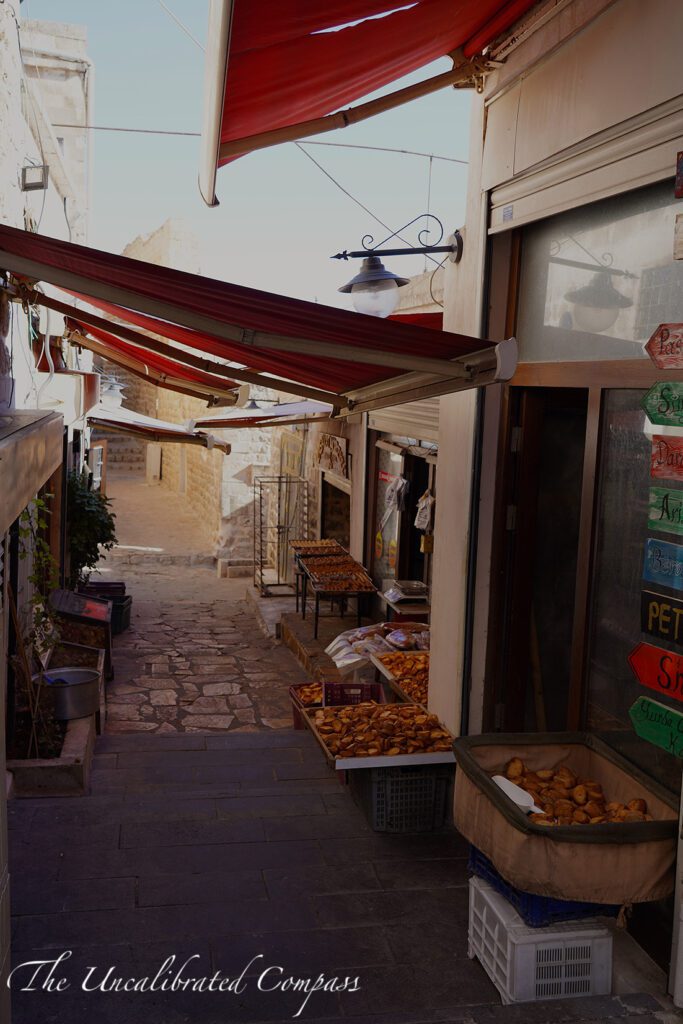
Wander its narrow lanes and you’ll find yourself brushing against history at every turn. The stones are smooth beneath your fingertips, worn by centuries of merchants, travelers, and dreamers who walked these same passages. The air carries traces of incense, fresh bread, and the faint metallic scent of old copper workshops. Church bells mingle with the call to prayer, the city’s many faiths braided into the warm breeze that moves through alleyways like a whispered story.
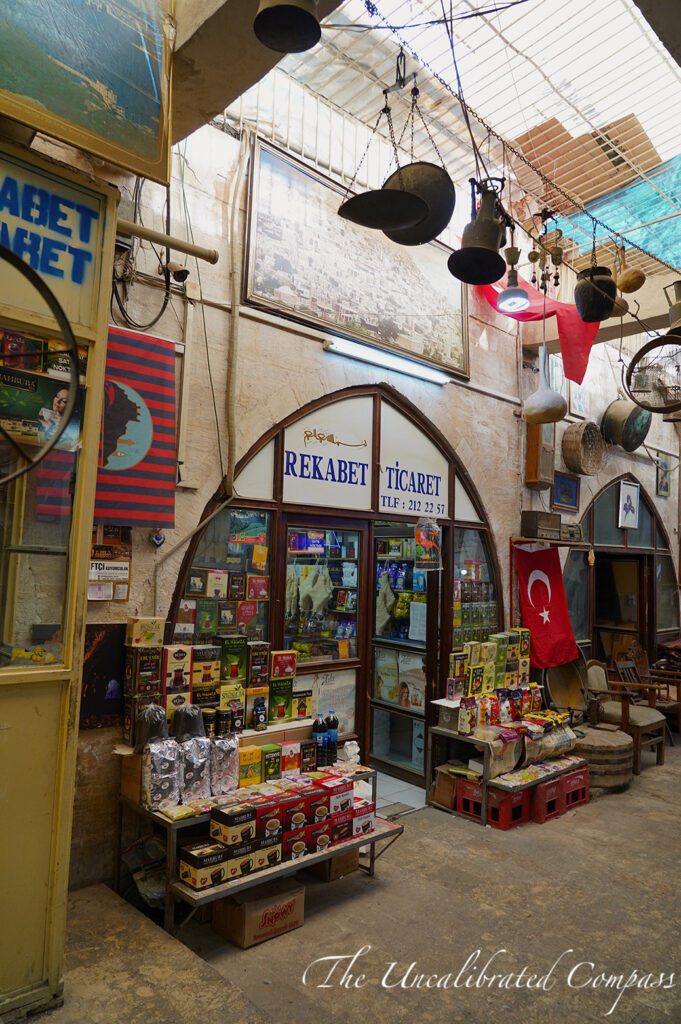
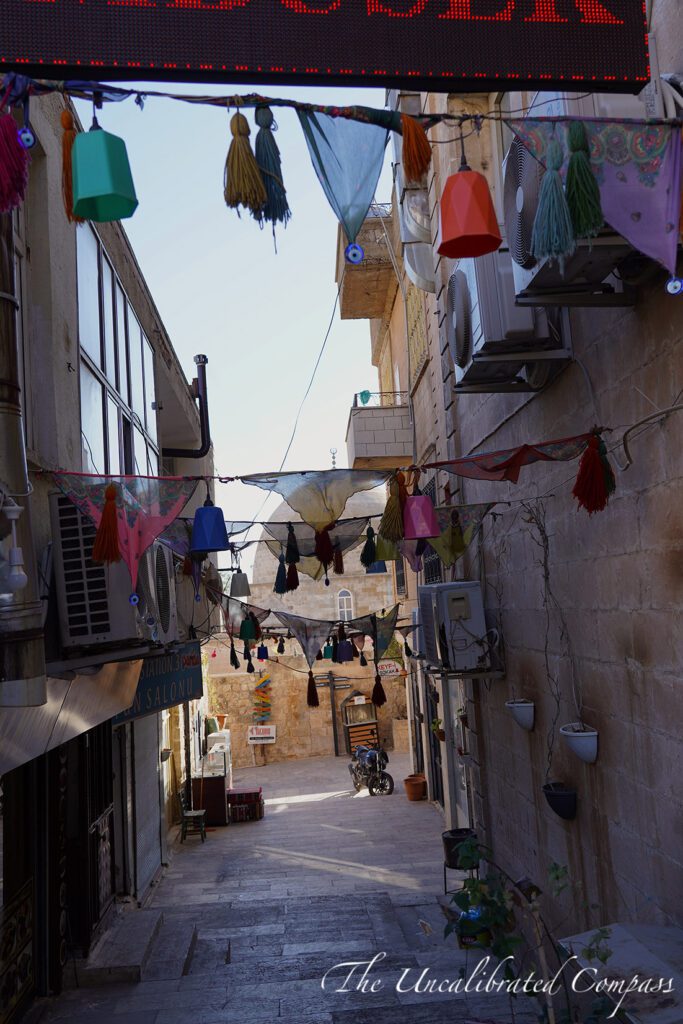
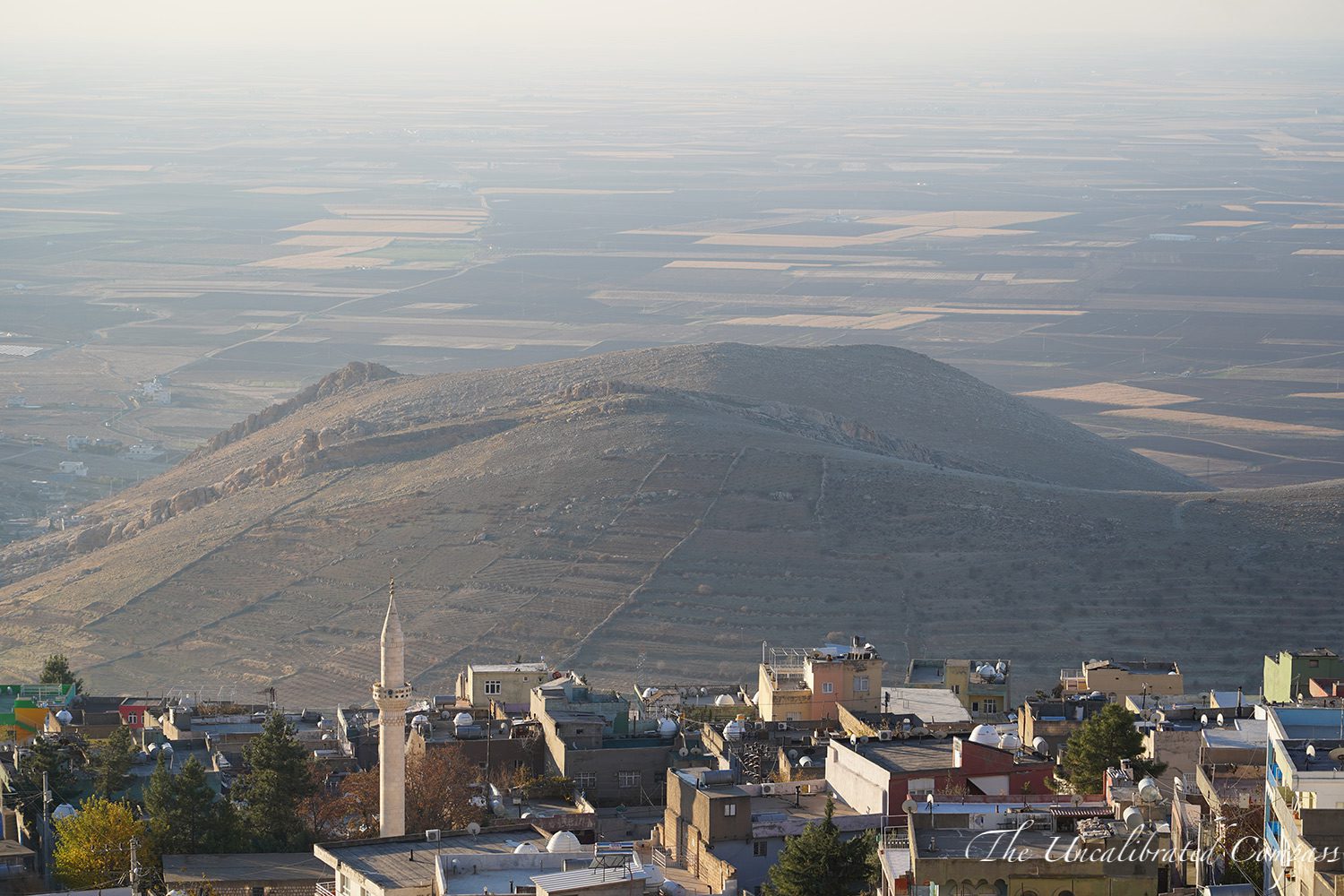
And just beyond Mardin’s walls, the land opens wide—Mesopotamia spreads out in an infinite tapestry of fields, villages, and carved riverbeds. Stand at the overlook at sunset and watch the plains shift from pale sand to molten gold. It’s impossible not to feel the gravity of this place: you are staring out over the cradle of civilization.
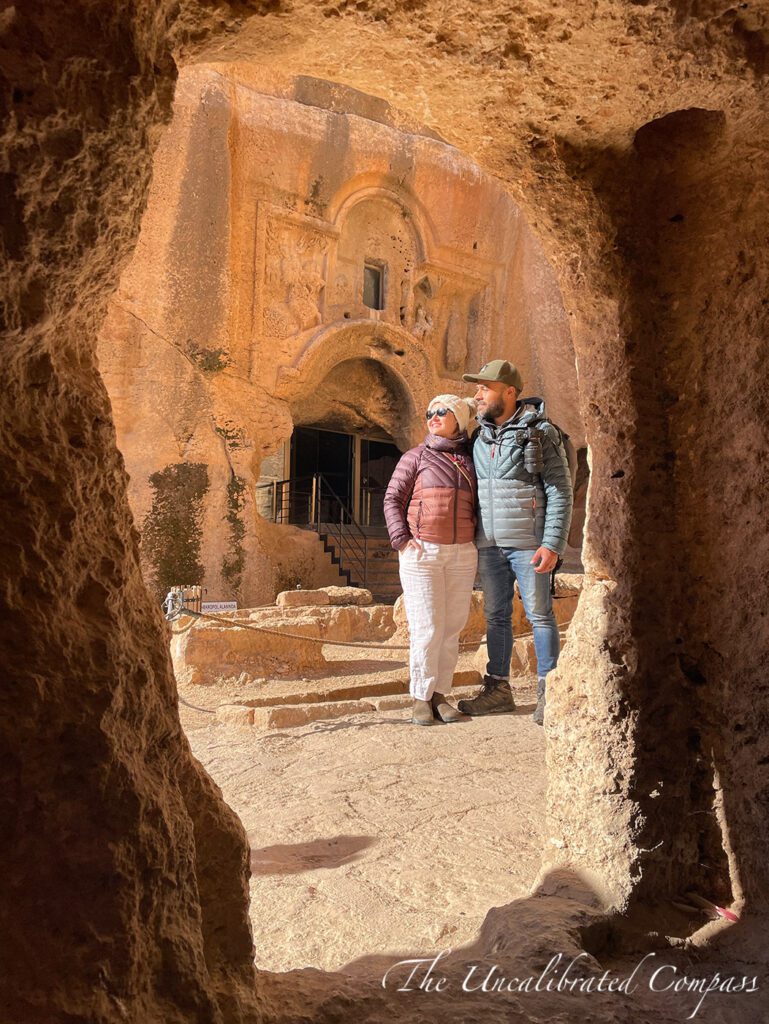
But Mardin holds deeper secrets. Travel a short way outside the city and you reach Dara, an ancient city whose ruins lie half-buried in the earth like the bones of a forgotten giant. Tucked near the Tur Abdin Mountains and commanding a view over the Mesopotamian Plain, the ancient city of Dara, originally perhaps a military garrison of Darius III, rose to prominence as a vital Eastern Roman outpost. Renamed Anastasiopolis by Emperor Anastasius I (491-518 AD), it was transformed from a small settlement into the administrative and military heart of the region, strategically chosen for its defensible location, proximity to water, and dominance over the plains.
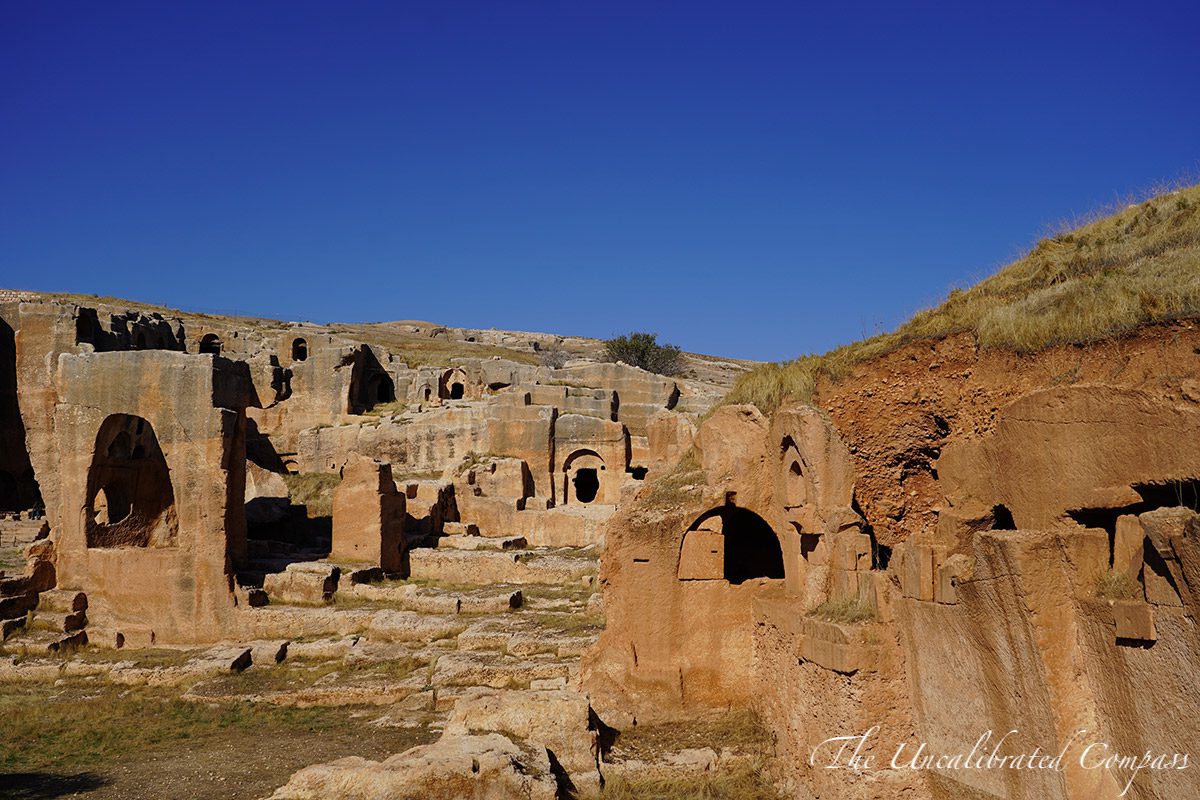
Its history is a tumultuous tapestry woven with sieges and changing hands between the Eastern Roman, Sassanid, Seleucid, and Parthian empires, culminating in a period of Artuqid and Ilhanlı rule that saw its eventual decline.
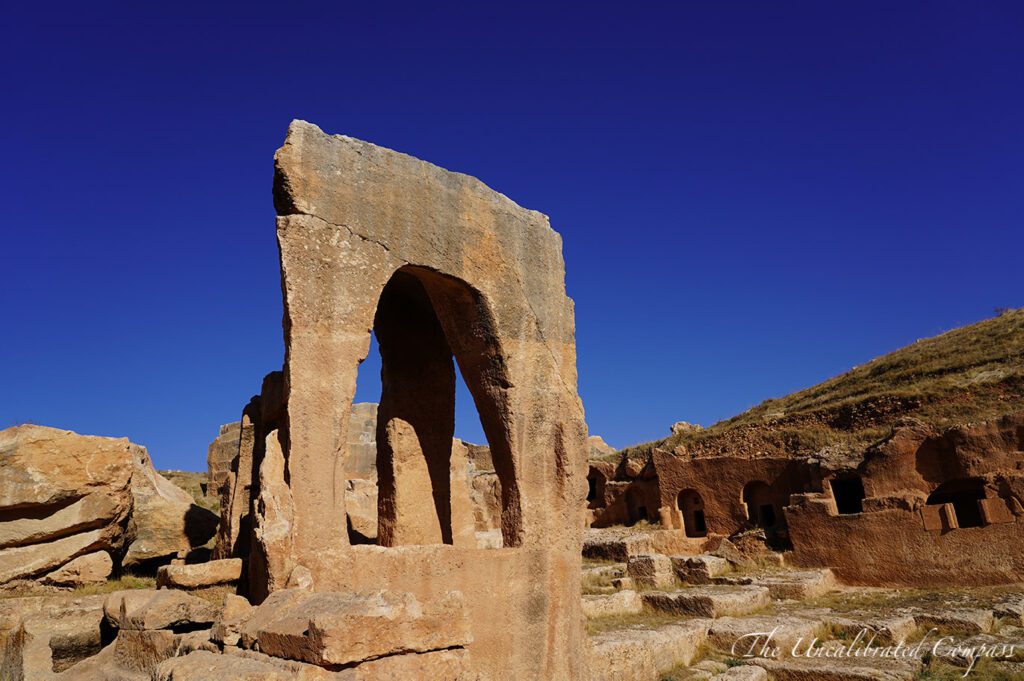
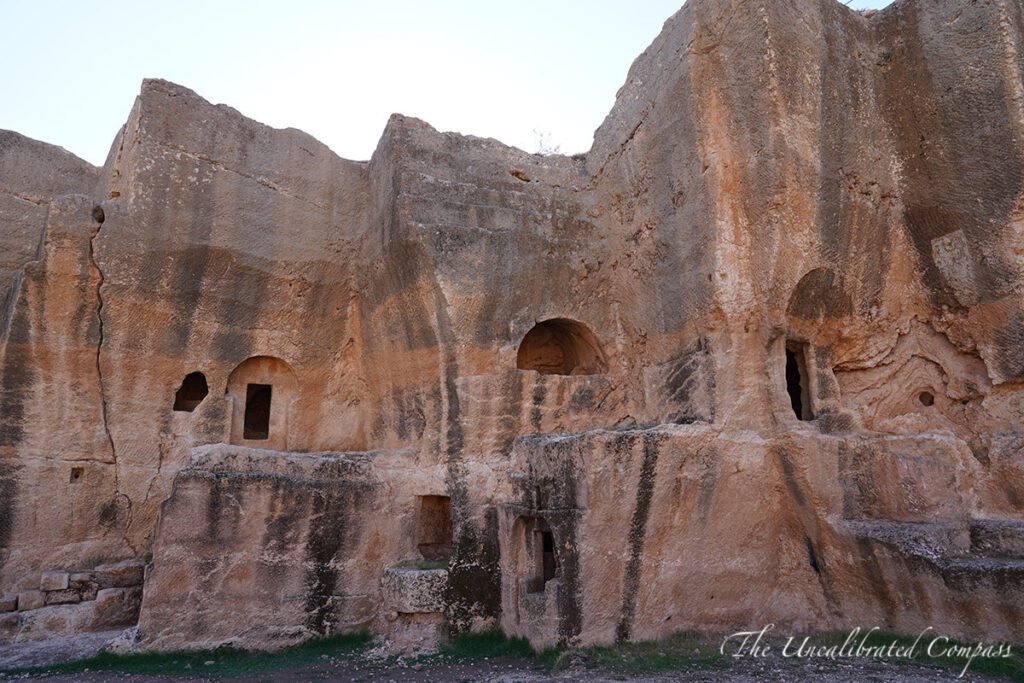
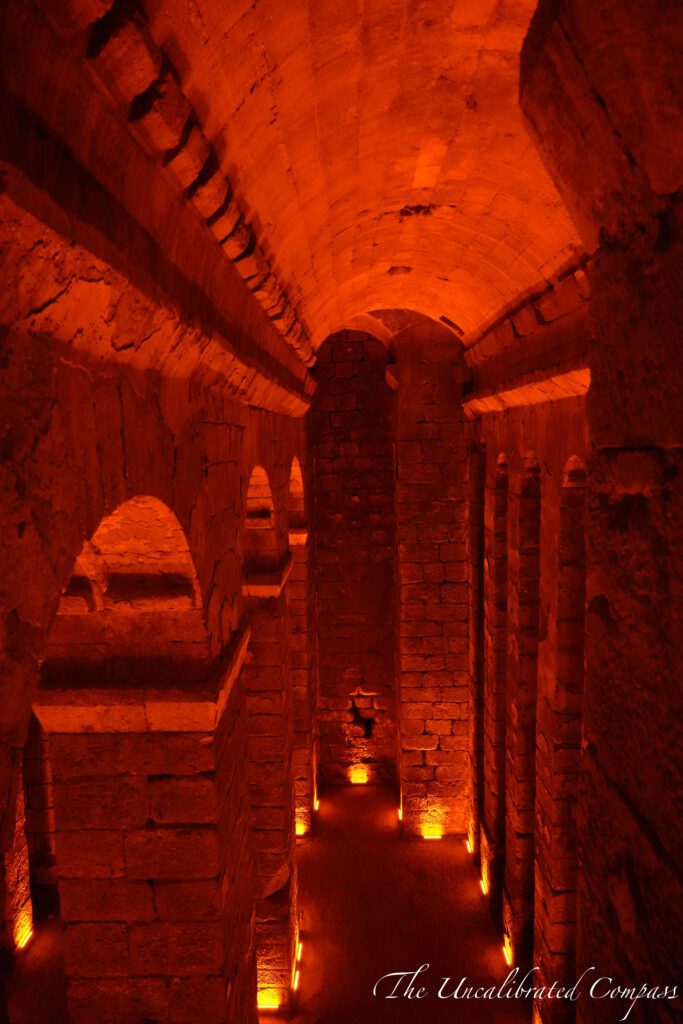
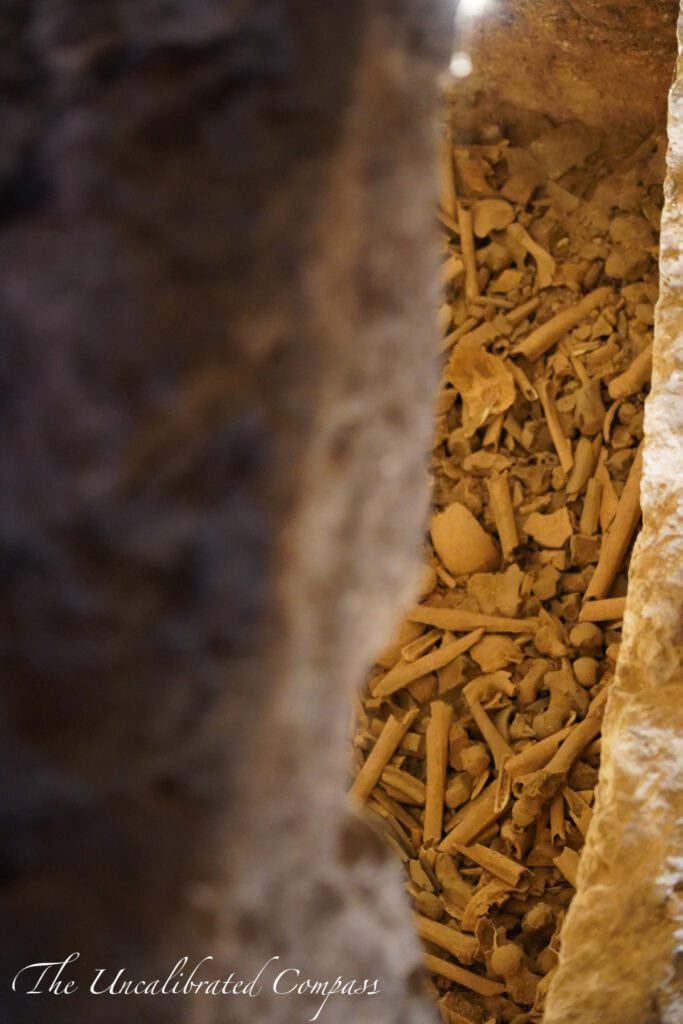
Today, the modern village of Dara sits atop the monumental remains of this once-majestic city, preserving the imposing 4 km-long fortification walls, strengthened by Emperor Justinian I, and its sophisticated water system of cisterns—a testament to Roman engineering that allowed the city to withstand long sieges by using water as both a life source and a defensive weapon.
To the east of Mardin, you will find Deyrulzafaran Monastery. This is one of the most important centers of the Syriac Orthodox Church and a deeply significant historical landmark. Its history dates back to 400 A.D. and it famously served as the seat of the Syriac Orthodox Patriarch for over 600 years. The monastery is an architectural marvel, incorporating structures from various periods. In this remote area services are still celebrated in the Syriac language, which is an Aramaic dialect similar to the language spoken by Jesus.
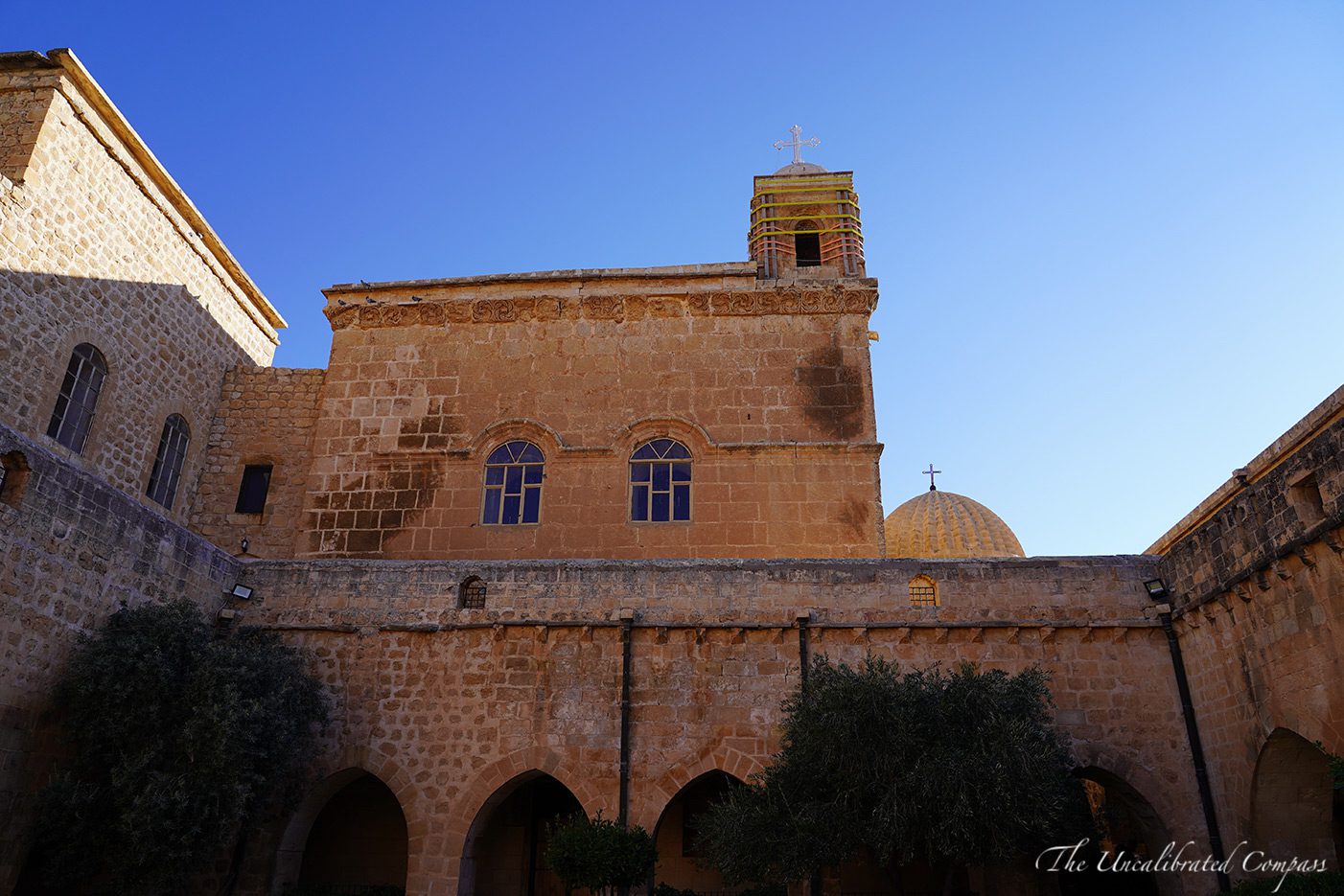
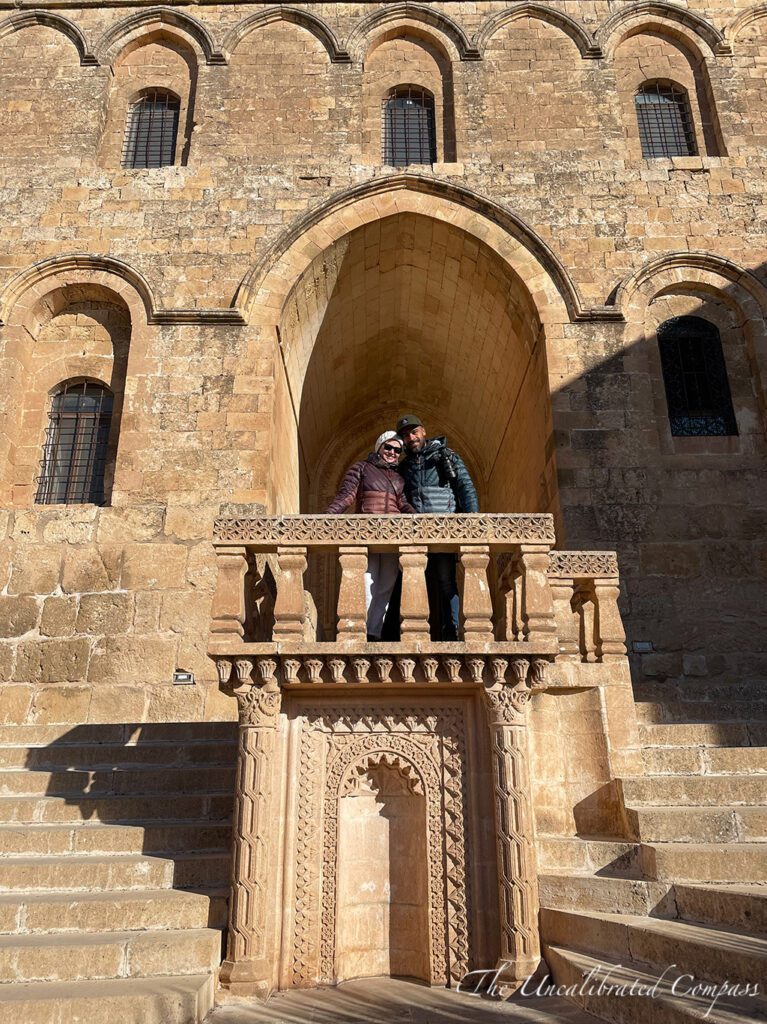
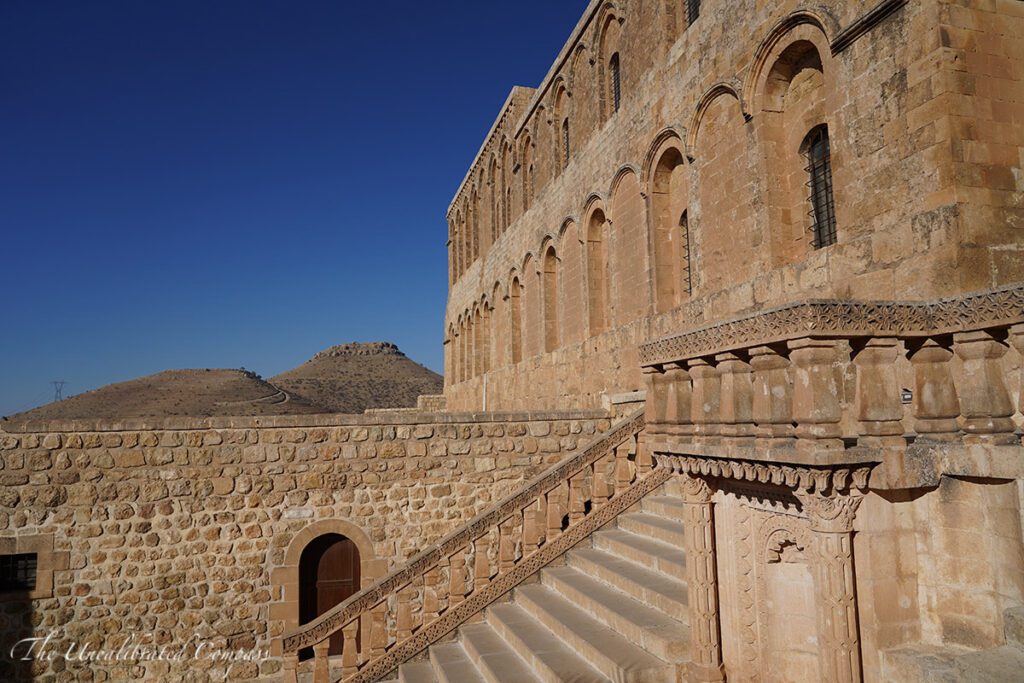
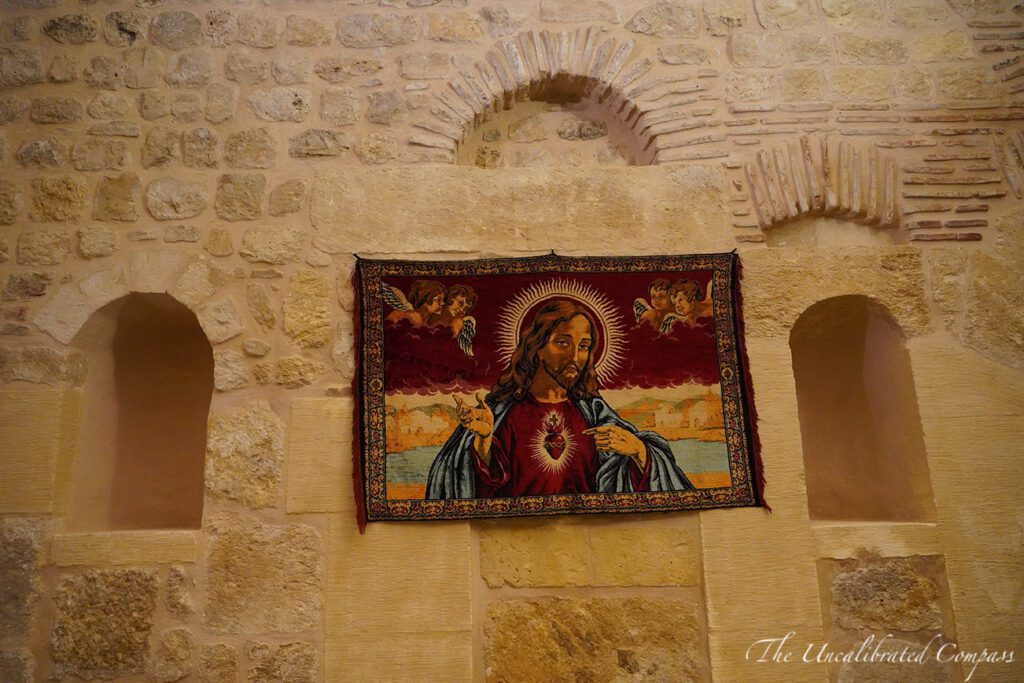
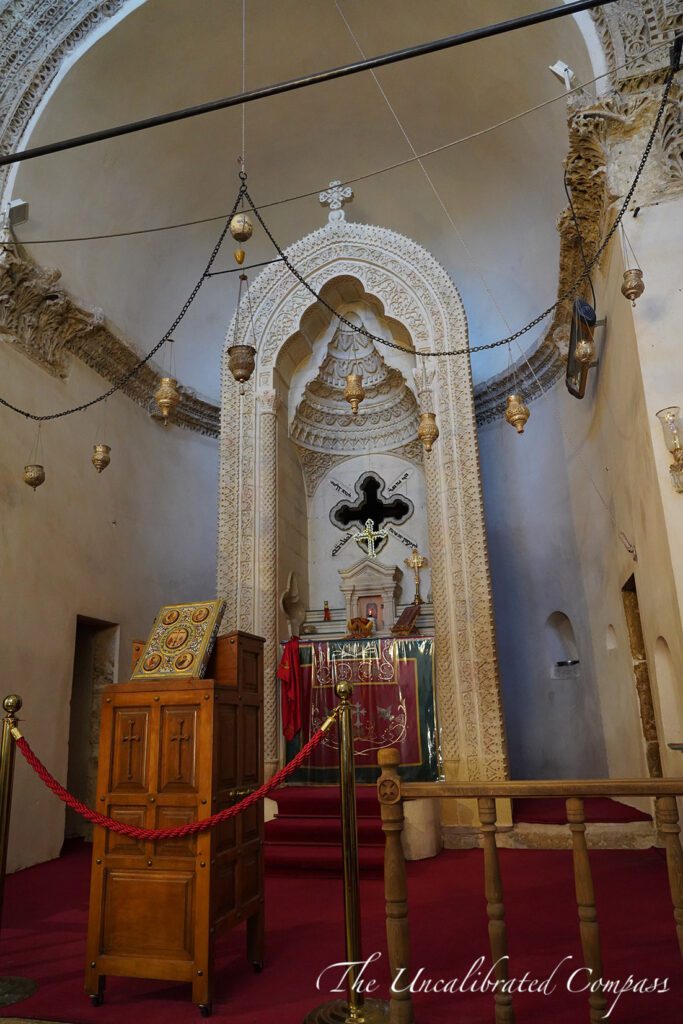
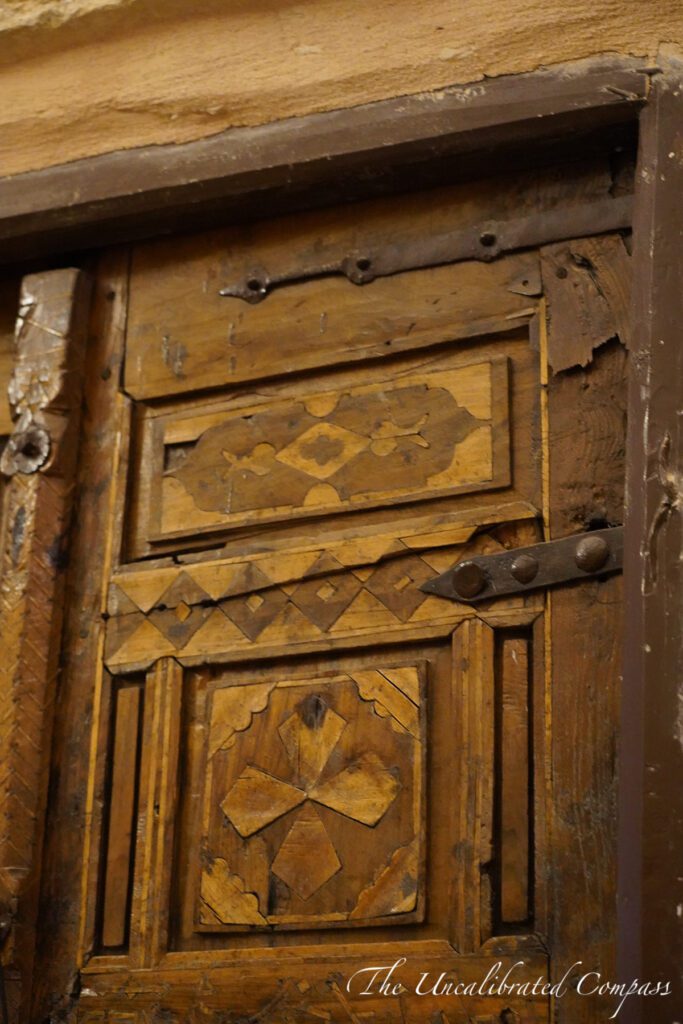
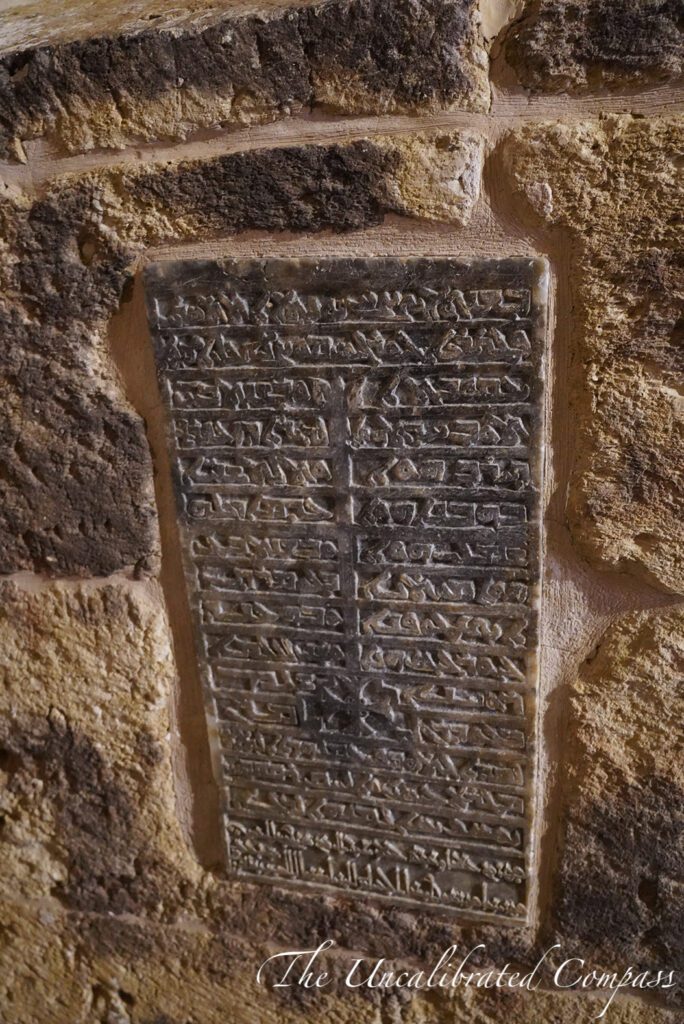
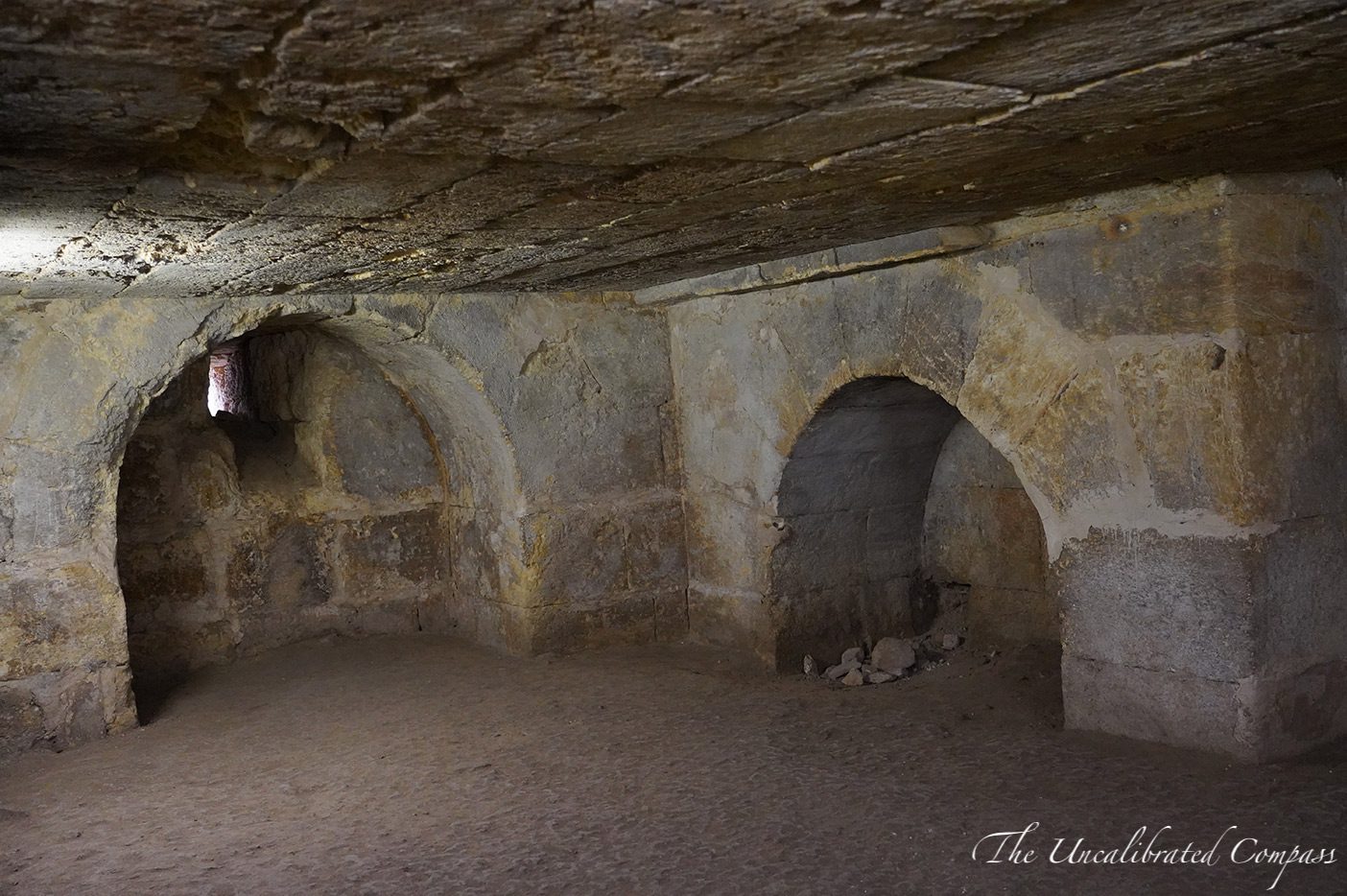
Under the the monastery, there are the remains of a 4,500 year-old Assyrian Sun Temple. Fascinating!
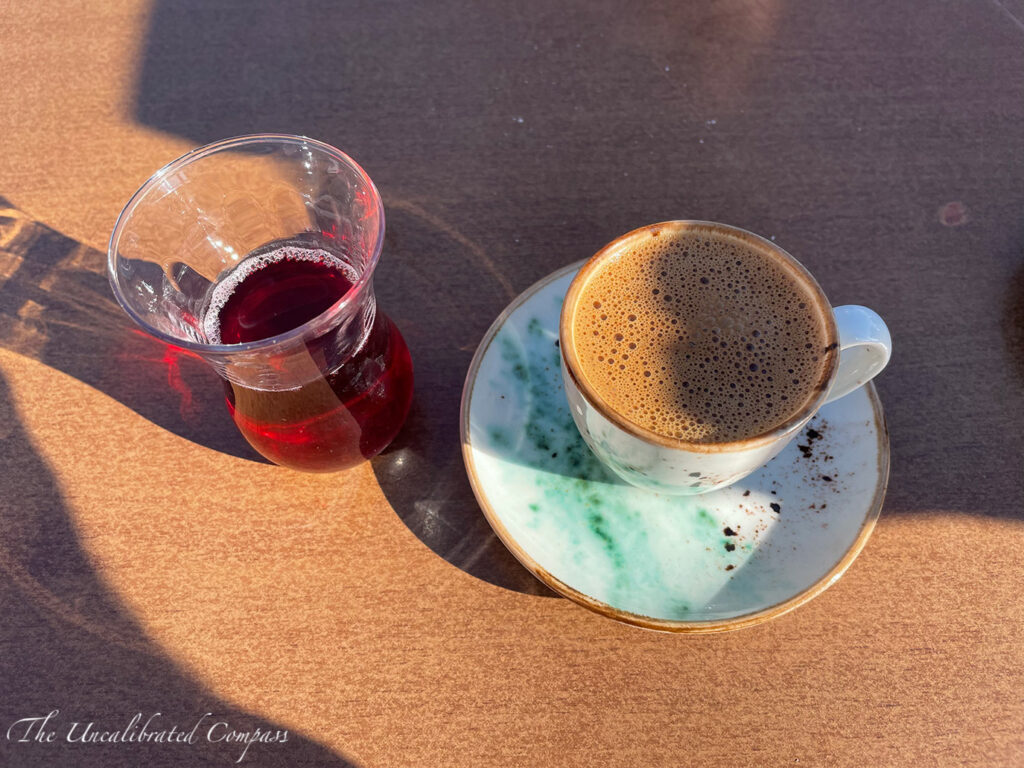
Back in Mardin’s old city, the scenery weaves together Assyrian, Arab, Kurdish, Armenian, and Ottoman influences—a mosaic of cultures layered into the very bones of the buildings. Cafés tucked into the stone serve rich, aromatic Turkish coffee that lingers on your tongue long after the last sip.
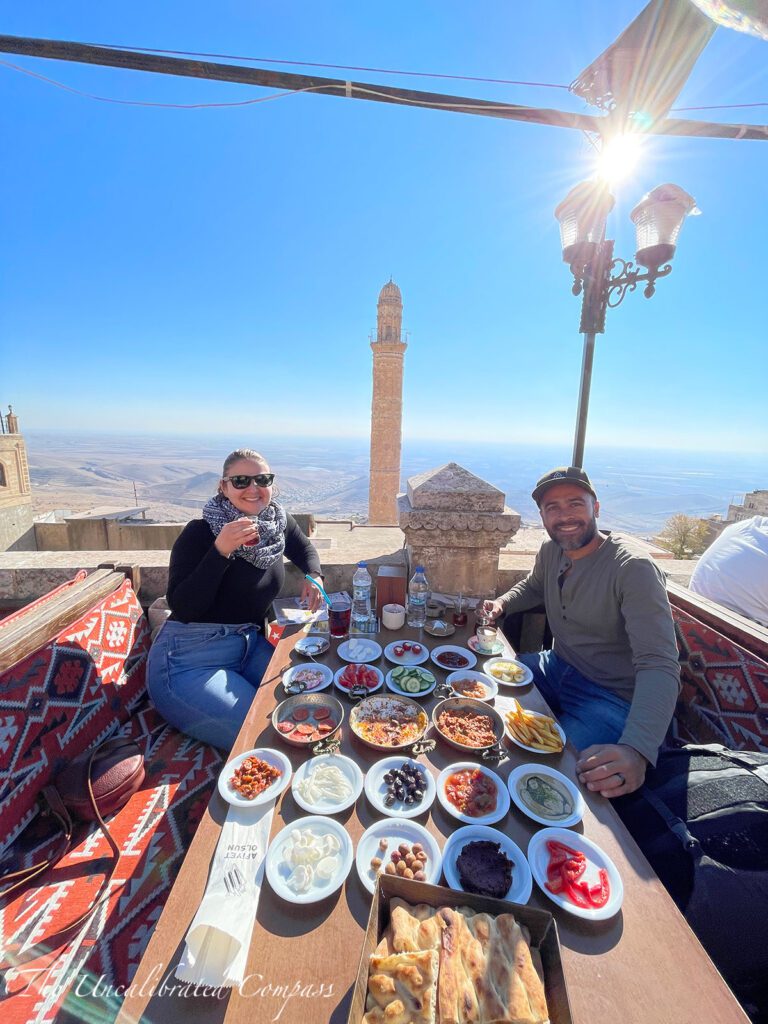
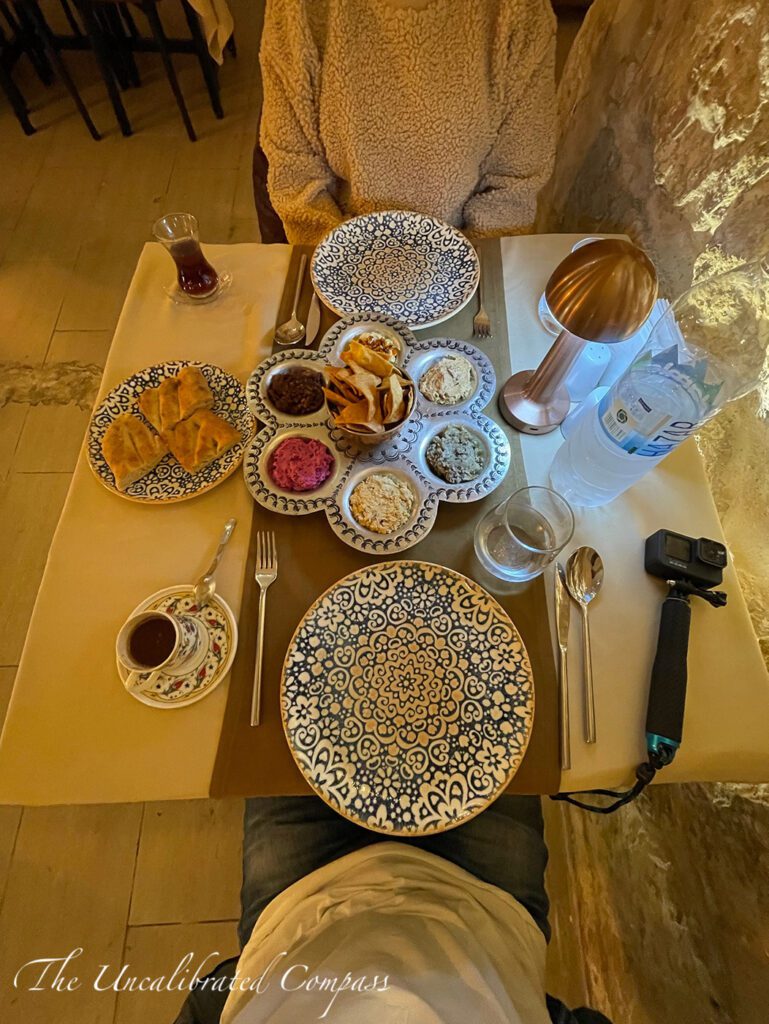
And at night—oh, at night—Mardin becomes something otherworldly. Lanterns flicker against stone walls, casting amber light down the alleyways. The city glows like an ancient constellation etched into the hillside. The plains below stretch into darkness, a vast shadowed ocean beneath a sky thick with stars. It feels as if the landscape itself invites you to listen—to the past, to the present, to the pulse of a region that shaped humanity.
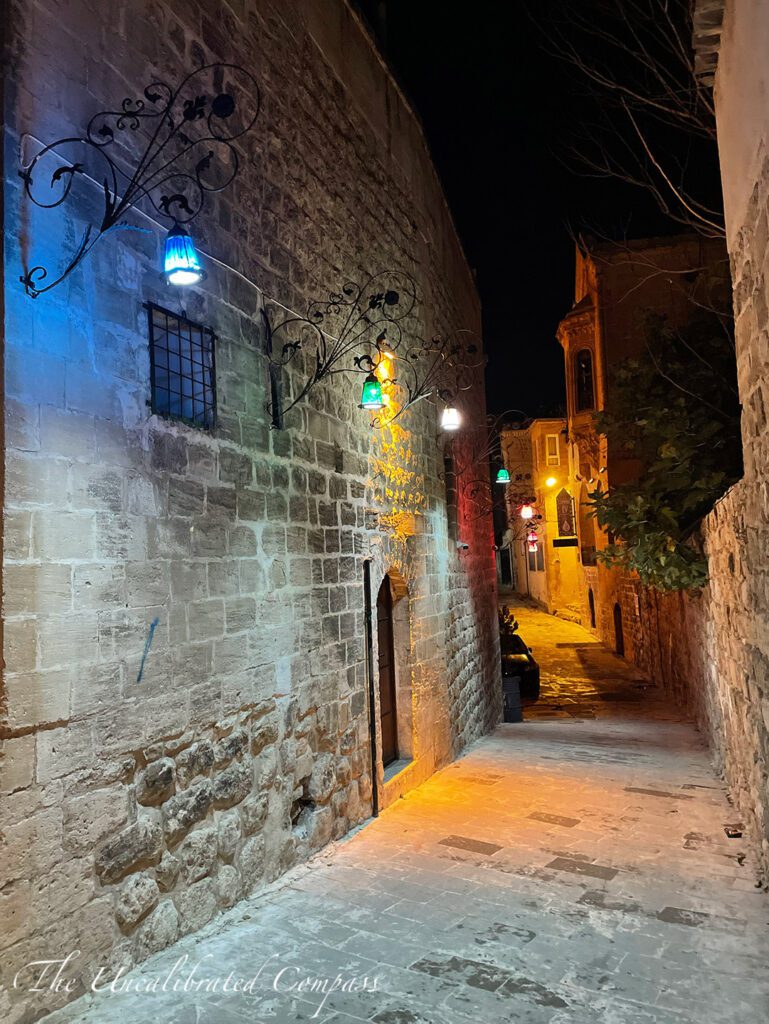
Mardin is not just a destination. It’s an echo from the beginning of time, a place where civilizations rose, where languages blossomed, where belief and architecture intertwined into something enduring and extraordinary. It’s magical, yes—but more than that, it’s alive with stories waiting for the traveler willing to wander its edges.
To stand here is to stand where one of the first chapters of human civilization first opened its eyes.
Welcome to Mesopotamia.